




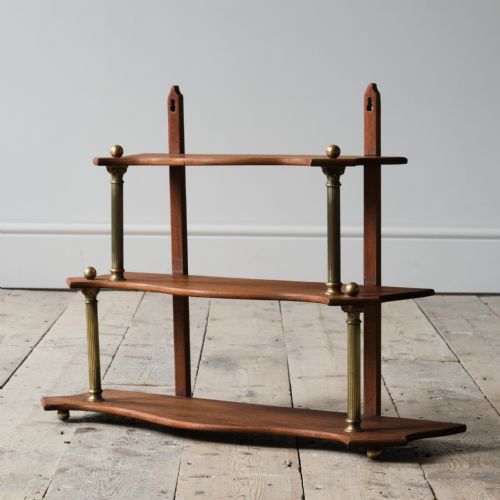
Edwardian Tiered Bookcase
An edwardian tiered bookcase brings practical vertical storage and rich timber warmth to a room, offering adaptable shelving suited to modern living.
Edwardian Tiered Bookcase
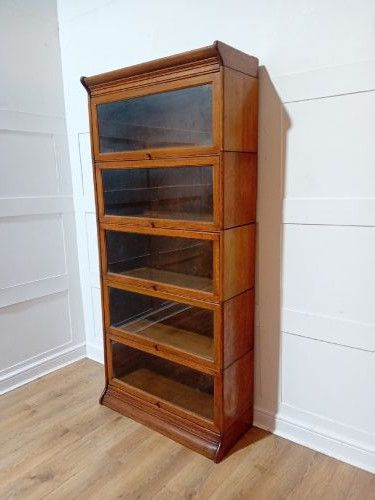
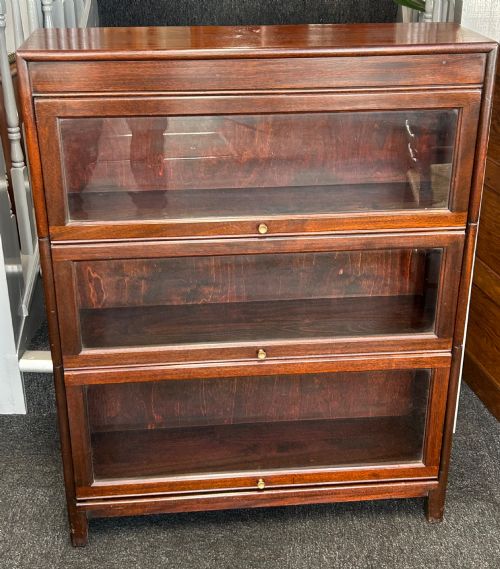
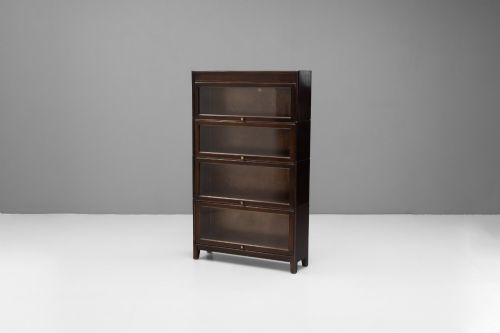
An edwardian tiered bookcase combines upright storage with display space, appearing most frequently in oak and mahogany across this selection. These pieces originate primarily from the Edwardian period and the early twentieth century, alongside occasional Victorian and nineteenth-century examples.
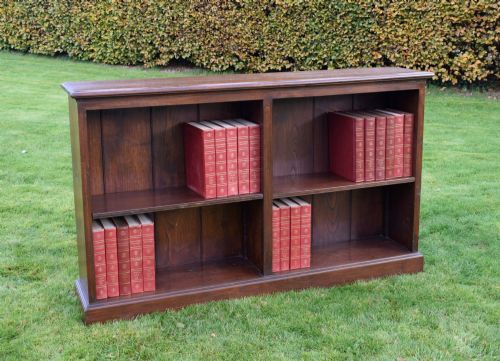
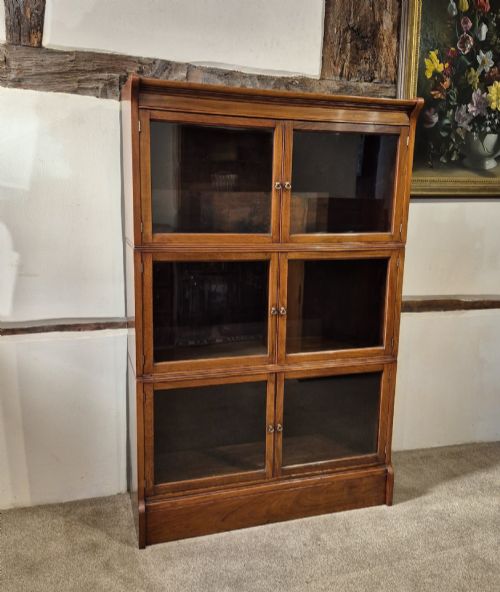
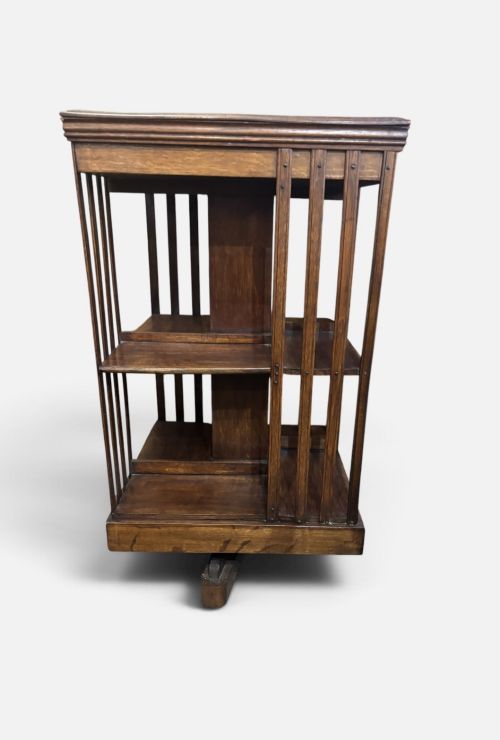
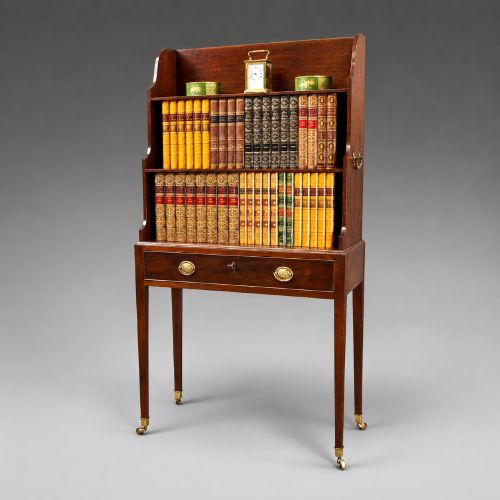
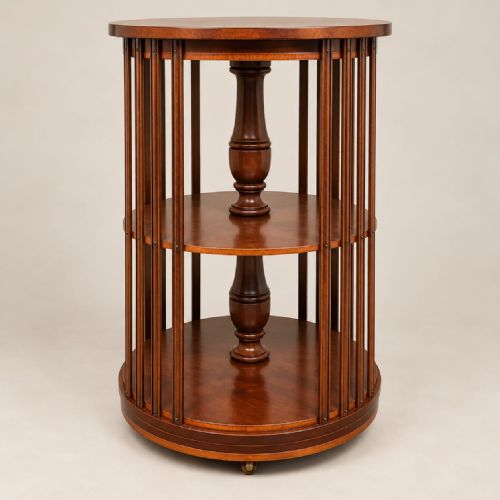
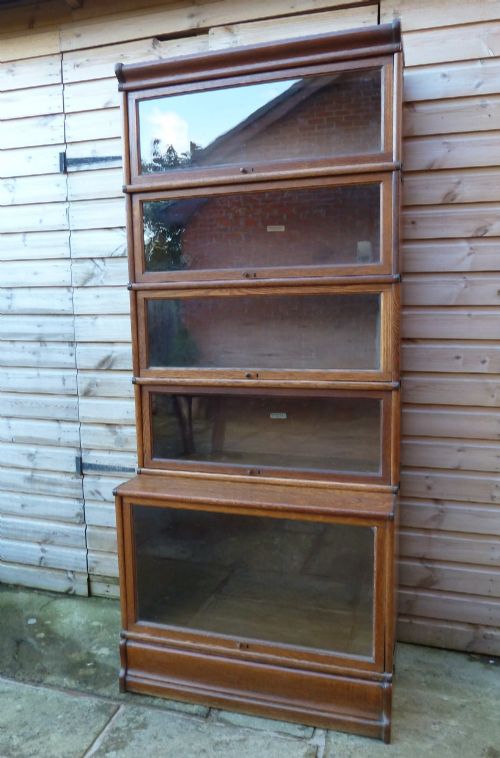
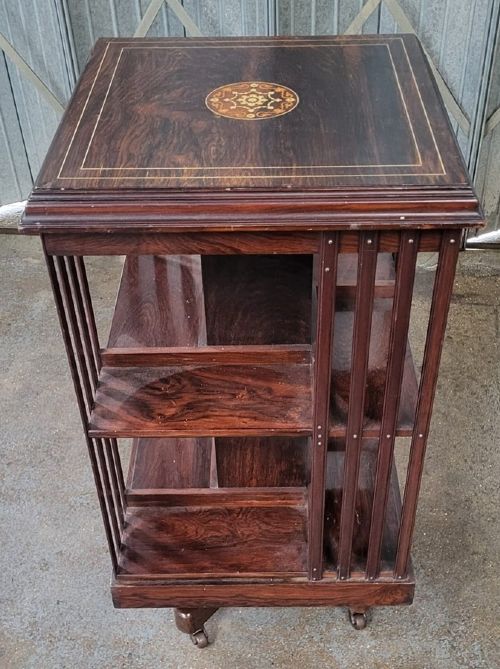
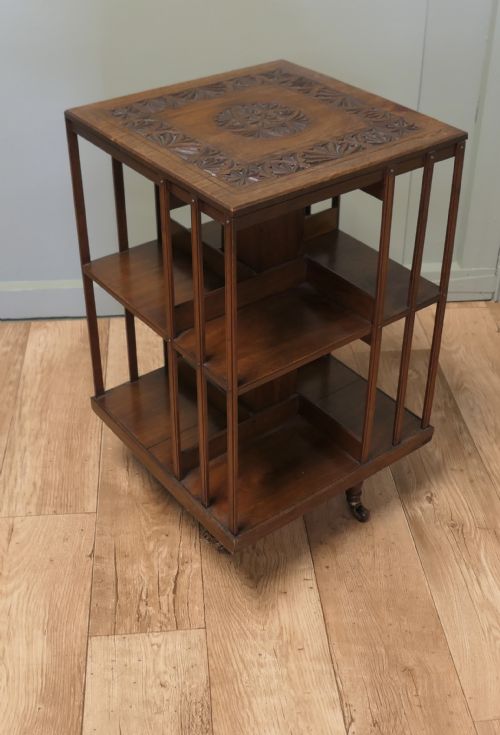
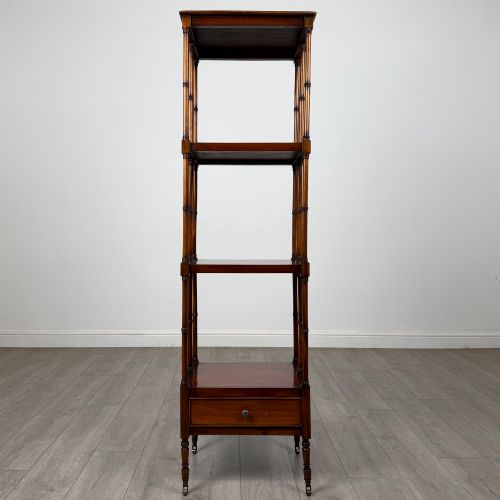
The forms range from revolving designs and open multiple shelves to stacking barrister configurations and wall-hanging shelves. Buyers find revolving oak models and inlaid mahogany variants suited to domestic studies and sitting rooms.
How they were made
Joiners built these pieces using solid hardwoods like oak, mahogany, and walnut, often applying satinwood inlay, brass fittings, and leaded glass for visual contrast. Stacking systems relied on modular framing that allowed individual sections to fit together securely.
Revolving mechanisms employed internal iron or metal hardware hidden beneath the base to permit smooth rotation. Surface finishes included polished timber and painted satinwood details on display cabinets.
Edwardian Tiered Bookcase Retail Price Guide 2026
Typical asking prices for edwardian tiered bookcase among the pieces listed under this phrase on Sellingantiques today, from the lower quarter to the upper quarter. They describe what is for sale here now, not the wider market.
Listings feature oak most frequently, accompanied by mahogany, walnut, and bamboo alongside glass, brass, and leaded components.
What varies in quality
The distinction between standard utility items and finer examples rests on timber selection, such as flame mahogany or figured oak, and the crispness of inlaid details. Cabinet work with integrated drawers, carved motifs, or refined brass hardware represents a higher tier of production.
Structural integrity depends on the precision of stacking mechanisms in sectional units and the stability of rotating joints in revolving models. Pieces retaining original glass, balanced proportions, and clean timber surfaces demonstrate superior craftsmanship.
Gunn Furniture·Lebus·Globe Wernicke
The Edwardian Tiered Bookcase Glossary
- Barrister bookcase
- A stacking sectional bookcase with glass front doors that lift and slide inward above each shelf tier.
- Revolving bookcase
- A low or medium shelving unit mounted on a concealed rotating base for access from any angle.
- Globe Wernicke
- A prominent brand and style of modular elastic bookcase built in interchangeable stacking sections.
- Satinwood
- A pale exotic timber utilised for contrasting stringing, banding, and painted decorative panels on cabinet furniture.
- Gallery
- A low raised rail or border along the top edge of a bookcase or shelf to prevent items from sliding off.
Edwardian Tiered Bookcase: Frequently Asked Questions
Where should a revolving bookcase go?
A revolving bookcase functions best positioned beside a reading chair or in the centre of a room where all sides remain accessible. Its rotating base allows quick retrieval of books without requiring floor space for swinging doors.
These pieces suit tighter spaces like corners or alcoves because the revolving action brings every shelf into view simply by turning the timber frame.
Are stacking bookcases difficult to move?
Stacking bookcases dismantle into separate modular tiers, which makes lifting and transporting them significantly easier than moving a single tall cabinet. Each glazed or open section lifts off the base independently.
When relocating the unit, simply lift each tier off the one below rather than sliding the whole assembly across the floor to protect the joints and timber base.
How do I identify an Edwardian piece?
Edwardian furniture often displays lighter timbers, understated Sheraton Revival inlay, and slender proportions compared to heavier Victorian predecessors. Common indicators include satinwood stringing and mahogany or oak construction dating from around nineteen hundred.
Cabinet makers of this era balanced traditional joinery with innovative modular designs, resulting in practical formats like revolving stands and elastic barrister units.