


Edwardian Task Lighting
Edwardian task lighting brings purposeful period mechanics to a desk, using adjustable brass and glass to focus light exactly where needed.
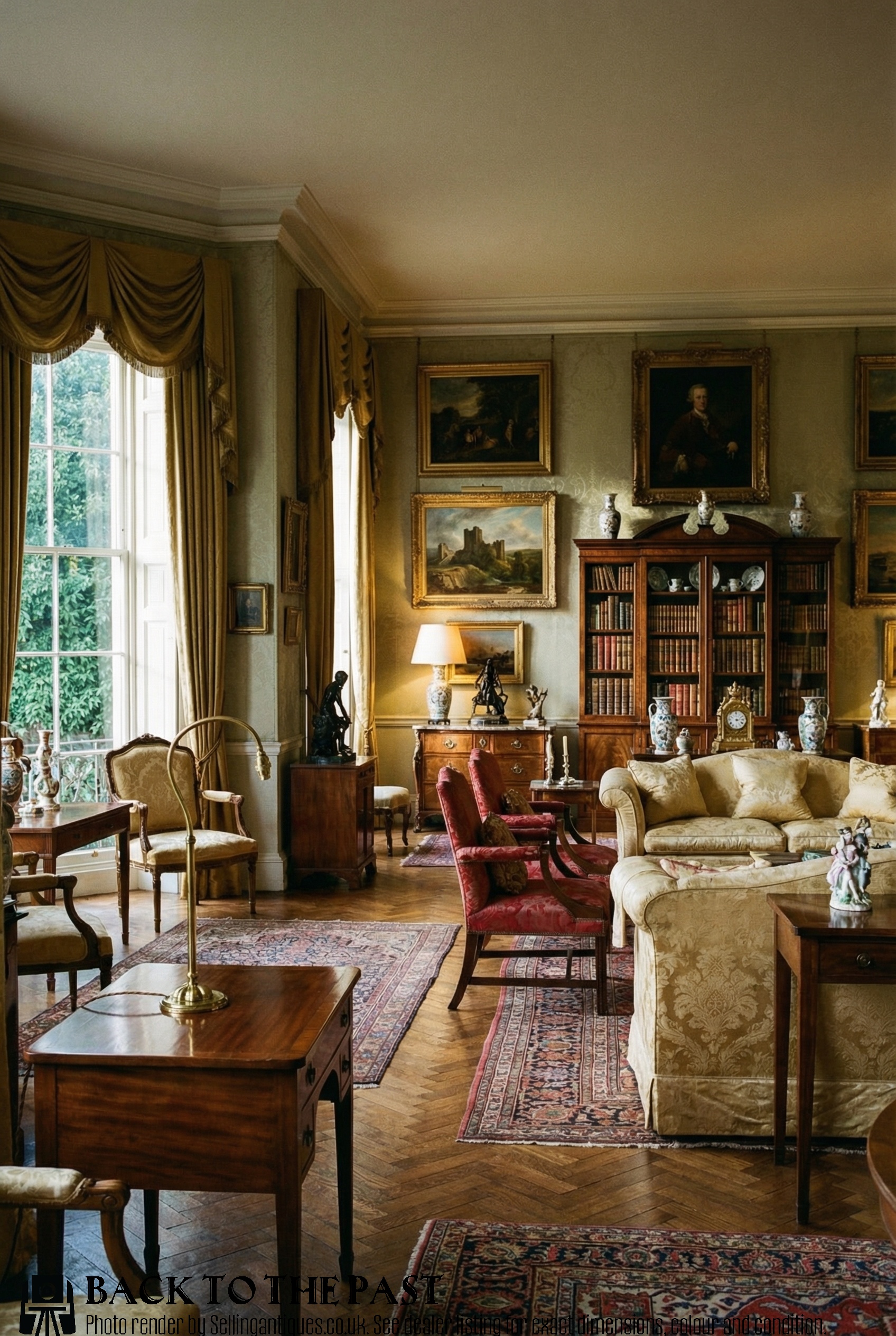
Edwardian Task Lighting
When you search for edwardian task lighting, you meet desk lamps, table lamps, and reading lamps designed for focused illumination. These pieces originate from the Edwardian period alongside adjacent decades spanning the late nineteenth century into the nineteen-thirties.
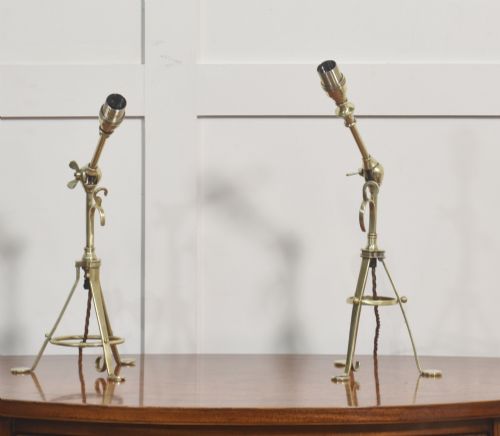
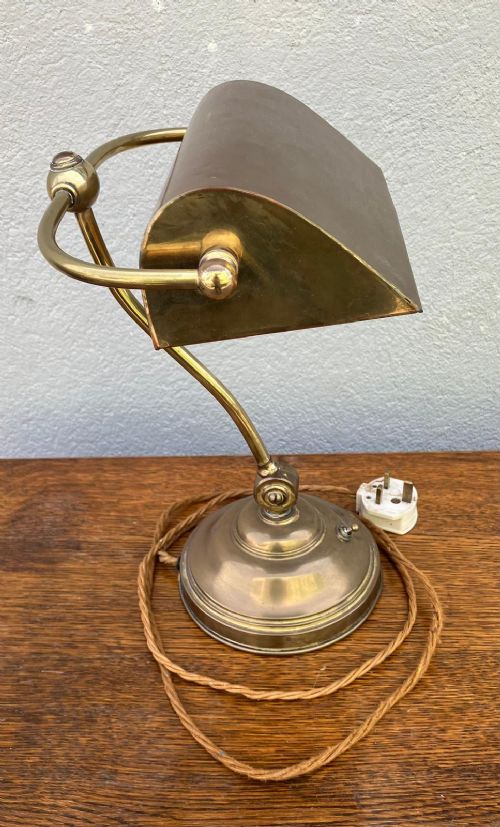
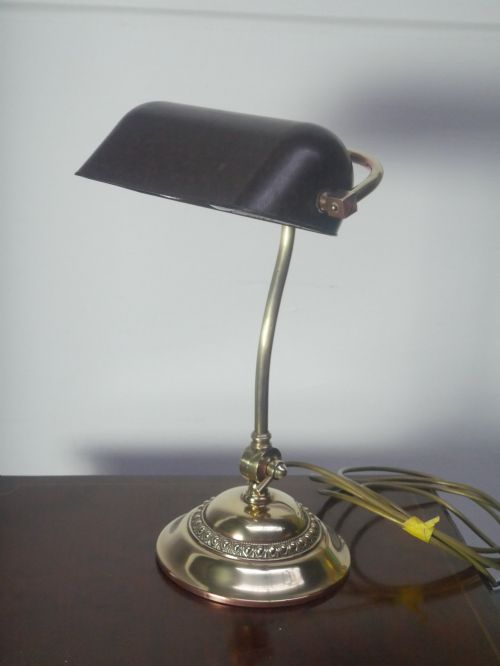
Brass forms dominate the selection, often featuring adjustable swan necks, articulated arms, or heavy weighted bases. Common configurations include bankers lamps, student reading lamps, and pullman designs intended for functional workspaces.
Stylistic influences stretch across Arts and Crafts, Art Nouveau, and Art Deco movements. Examples range from simple English brass desk fittings to ornate French bronze reading lamps with frosted glass shades.
Materials and construction
Makers utilised solid brass, bronze, and copper as the primary structural metals for durability and polish. Metal components were cast, spun, or hammered, then assembled with mechanical joints allowing height and angle adjustments.
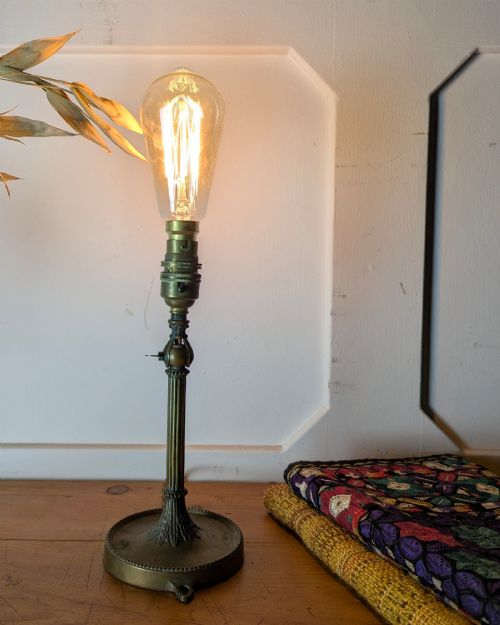
Shades incorporate glass, opaline, frosted glass, etched glass, or porcelain to diffuse illumination. Flexible wiring setups frequently utilise fabric flex alongside traditional ceramic lamp holders.
Articulated joints rely on threaded screws, sliding sleeves, and counterweights to hold positions steady without slipping.
Some early reading lamps include dual chambers, proving that Victorians took their midnight oil very seriously indeed.
Judging quality in lighting
Substantial metal weight and gauge thickness set finer pieces apart from lighter commercial equivalents. Quality shows in the precision of the mechanical joints and the smooth action of adjustable arms.
The integration of original glass shades, whether opaline, cranberry glass, or frosted panels, influences the integrity of the piece. Superior examples exhibit refined casting detail on bases and galleries, avoiding mass-produced shortcuts.
W.A.S. Benson
The Edwardian Task Lighting Glossary
- Swan neck
- A curved metal upper tube resembling a swan's neck that positions the light source over a desk. This curve allows the shade to sweep downward for direct illumination.
- Bankers desk lamp
- A traditional task light featuring a heavy metal base and a cylindrical green or opaline glass shade. It provides directional light suitable for reading ledgers and documents.
- Opaline glass
- A milky, semi-translucent glass used for lamp shades to soften and diffuse bulb glare. It transmits a warm, even glow across a workspace.
- Student reading lamp
- An adjustable desk lamp designed with a vertically sliding arm to alter the height of the light source. These fixtures often employ dual arms or weighted bases for stability.
- Fabric flex
- Flexible electrical cable covered in a woven textile sheath. This wiring style mirrors period authenticity while supplying modern electrical safety.
Edwardian Task Lighting: Frequently Asked Questions
How do I adjust an antique desk lamp?
Most adjustable lamps use threaded thumbscrews, swivel joints, or sliding counterweights to alter the angle and height of the arm. Loosen the adjustment mechanism gently before repositioning the metal stem to avoid stressing historical joints.
Secure the screw firmly once you reach the desired position, ensuring the weighted base maintains balance against the extended arm.
Are these lamps safe for daily use?
Many surviving desk lamps require rewiring with modern fabric flex and updated lamp holders to meet current electrical standards. Qualified professionals can easily replace internal wiring while preserving the external metal and glass components.
Check that the desk lamp uses appropriate low-wattage LED bulbs to prevent excessive heat buildup near vintage glass or porcelain shades.
How do I clean brass desk lamps?
Dust metal surfaces regularly with a soft, dry cloth to prevent the accumulation of grime in crevices and joints. Avoid harsh chemical polishes that strip historical patinas and damage delicate lacquer coatings.
Glass shades can be removed and washed in warm, soapy water, provided you dry them thoroughly before reattaching them to the brass gallery.
What defines Arts and Crafts lighting?
Arts and Crafts lighting prioritises honest construction, visible fixings, and functional simplicity over excessive surface ornamentation. Metals like brass and copper display hand-hammered textures or understated patinas that celebrate the manufacturing process.
These pieces focus heavily on practical utility, resulting in sturdy desk lamps designed for everyday reading and writing tasks.