

Edwardian Table with Tier
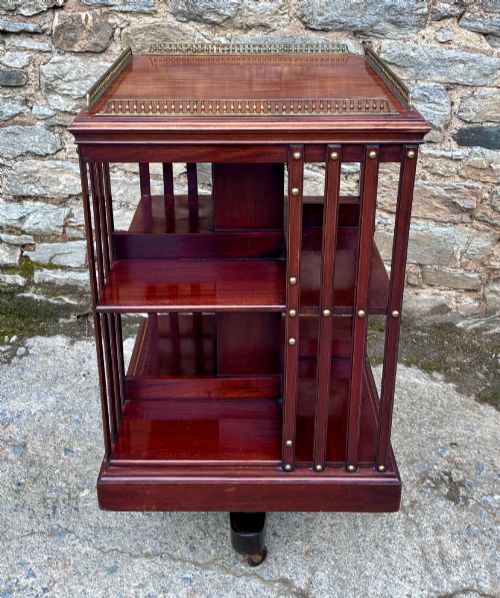
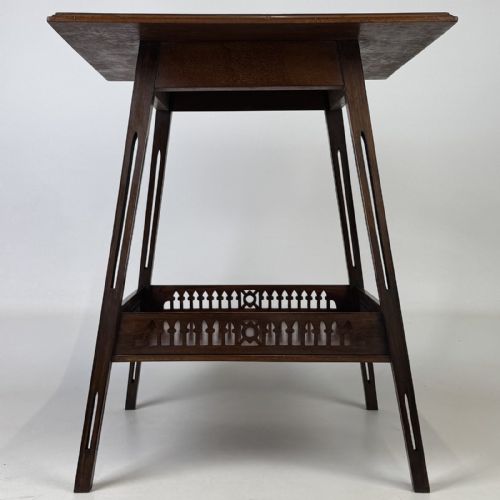
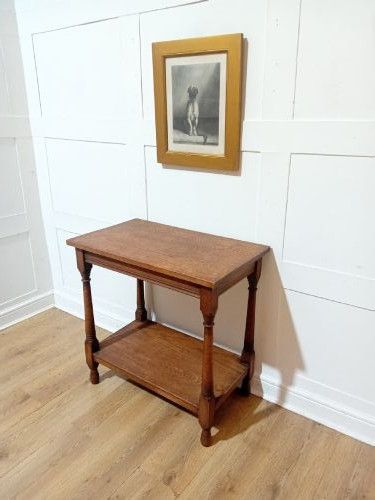
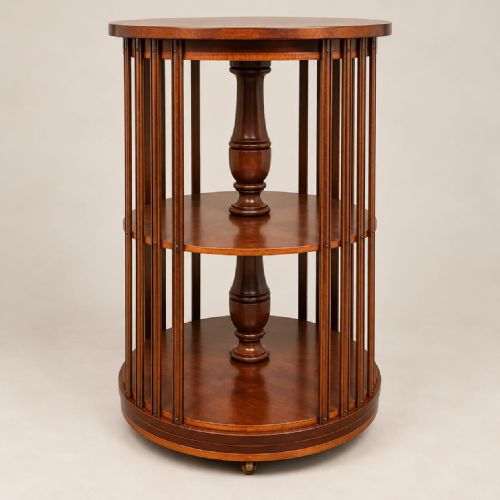
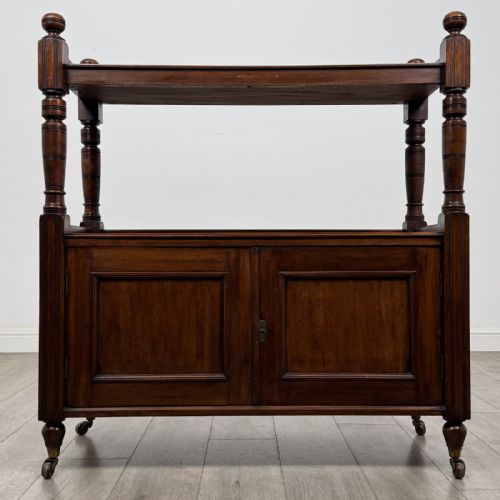
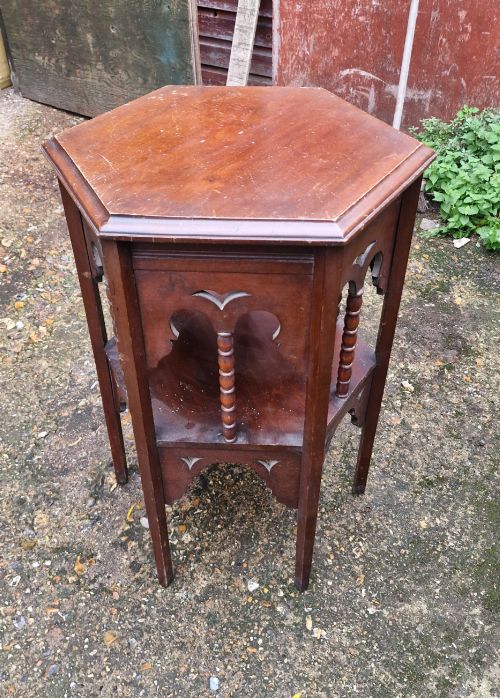
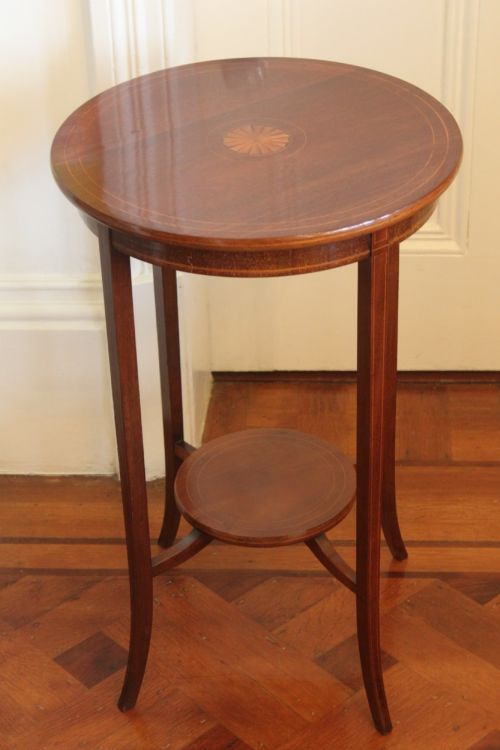
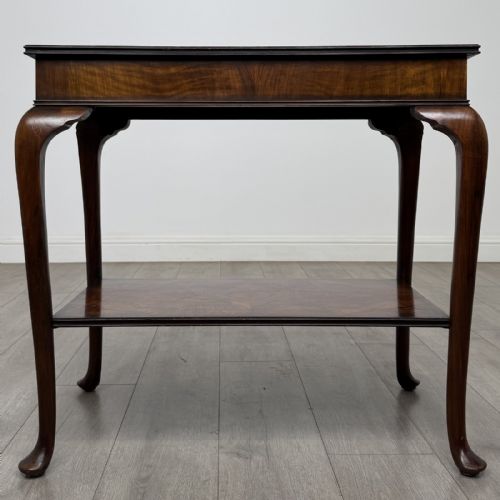
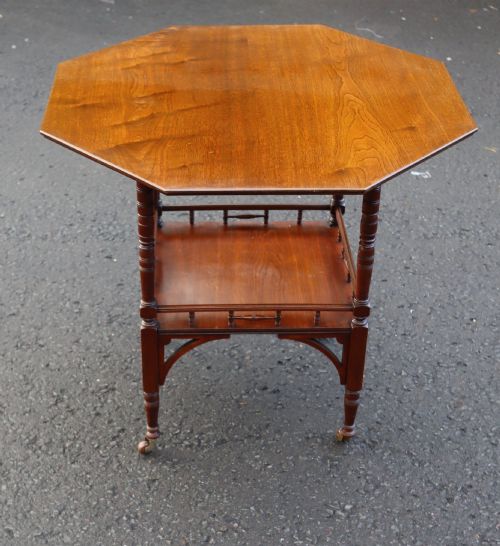
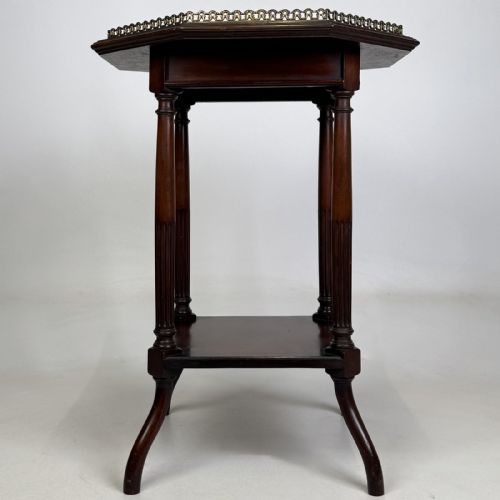
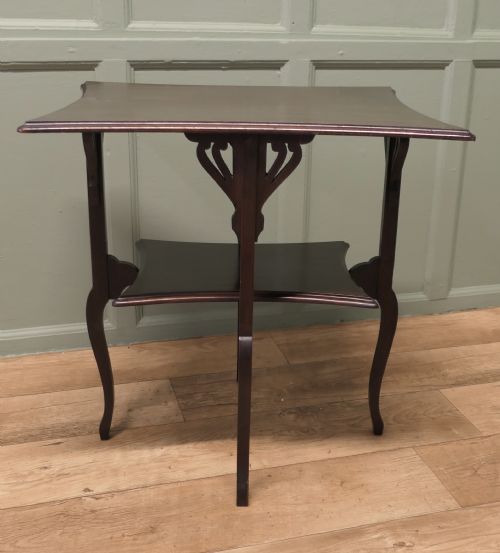
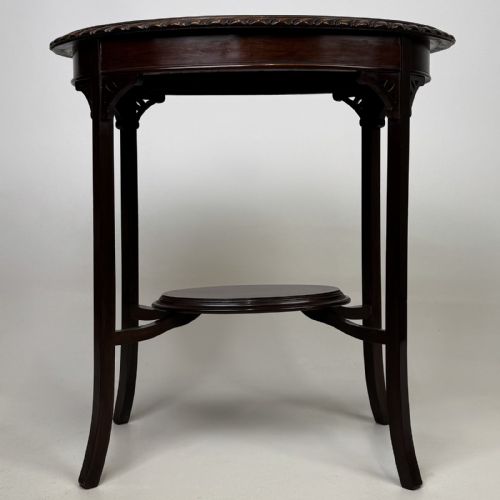
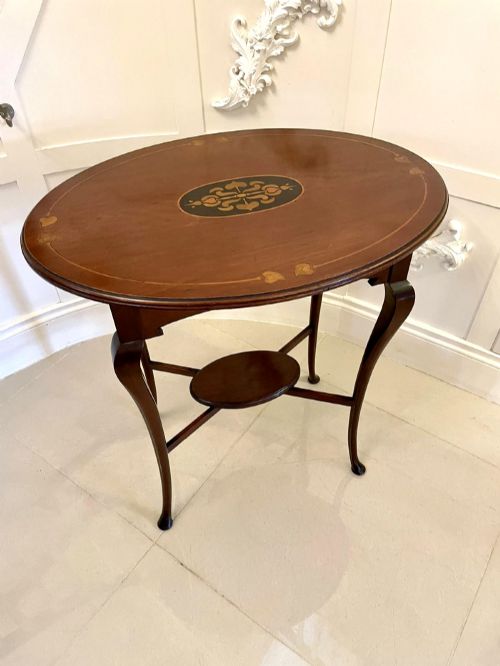
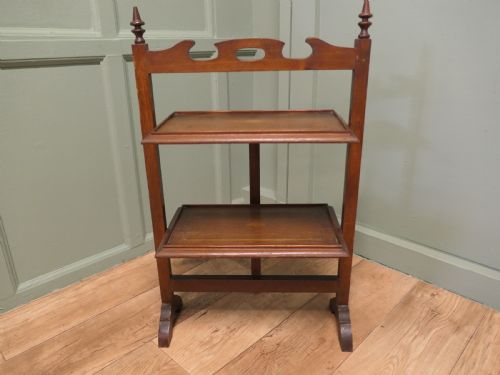
An Edwardian table with tier combines compact utility with open lower shelving, most frequently appearing as a mahogany occasional or lamp table.
Edwardian Table with Tier
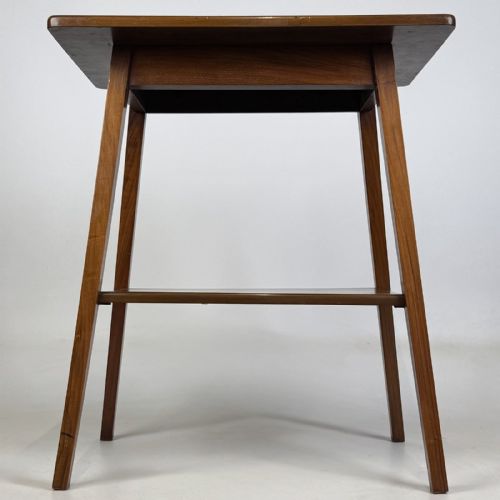
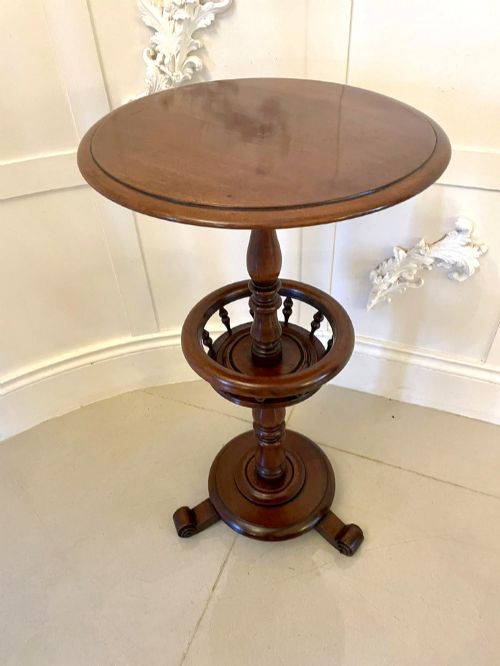
When you search for an edwardian table with tier, you encounter multi-level furniture designed to hold lamps, books or ornaments within domestic sitting rooms. The selection includes occasional tables, lamp tables and centre tables spanning the late Victorian and Edwardian eras.
The most common form on this page is the mahogany occasional table fitted with a lower shelf or tier, frequently accented with lightwood stringing or marquetry. Alongside these sit oak and walnut examples drawing on Arts and Crafts or Sheraton Revival idioms.
Originating primarily from the late nineteenth and early twentieth centuries, these pieces utilise compact footprints to maximise display space in smaller reception rooms. They bridge the gap between purely decorative objects and functional household furniture.
Materials and Construction
Cabinetmakers constructed these pieces predominantly from solid mahogany and walnut, frequently applying veneers of burr walnut, satinwood or rosewood to upper surfaces. Inlays of boxwood and contrasting timbers add linear definition to table tops and shelves.
Structural elements rely on traditional joinery, supported by brass hardware, castors and occasionally ceramic tiles. Lower tiers are secured between the legs using stretcher rails or upright spindles to ensure rigidity across multiple levels.
Edwardian Table with Tier Retail Price Guide 2026
Typical asking prices for edwardian table with tier among the pieces listed under this phrase on Sellingantiques today, from the lower quarter to the upper quarter. They describe what is for sale here now, not the wider market.
Listings feature mahogany, oak, walnut, and rosewood across Edwardian, Victorian, and Arts and Crafts styles.
Craftsmanship and Proportion
The distinction between standard commercial output and finer workshops lies in timber selection and the execution of inlay. Selected burr veneers and delicate boxwood stringing demonstrate superior workshop attention compared to plain veneered surfaces.
Proportion and structural balance also separate the tiers. Finer examples maintain crisp carving on cabriole or turned legs and seamless integration of the lower tier, whereas simpler production pieces show heavier, utilitarian assembly.
The Edwardian Table with Tier Glossary
- Tier
- An additional horizontal shelf positioned below the main top surface. It provides supplementary space for display or storage.
- Occasional table
- A small, movable table designed for periodic use rather than a singular fixed purpose in a room. These forms became ubiquitous in late Victorian and Edwardian parlours.
- Marquetry
- Decorative veneer work formed by fitting together small pieces of various coloured woods to create pictorial patterns. It frequently adorns the tops of Edwardian tables.
- Stringing
- A narrow strip of contrasting timber inlaid into a flush surface to form a border or geometric outline. Boxwood is commonly utilised for this purpose on mahogany pieces.
- Cabriole leg
- A furniture leg that curves outward and then tapers inward toward the foot, echoing animal limb shapes. This profile is typical of finer Edwardian revival designs.
Edwardian Table with Tier: Frequently Asked Questions
What is an edwardian table with tier used for?
These tables served primarily as versatile surface furniture in Edwardian drawing rooms and parlours. The upper surface typically held lighting or tea services while the lower tier accommodated books and small decorative objects.
Their compact proportions allowed them to sit easily beside armchairs or in open room spaces. They remain practical items for modern interiors needing accessible display surfaces.
How do I distinguish Edwardian from Victorian tables?
Edwardian tables generally exhibit lighter proportions, brighter mahogany or satinwood timbers, and refined inlay work influenced by the Sheraton Revival style. Victorian equivalents often feature darker, heavier native hardwoods and denser carved ornamentation.
Construction methods also shift toward lighter framing by the turn of the twentieth century. Tiered surfaces became increasingly widespread as domestic spaces embraced multi-functional display furniture.
Are these tables sturdy enough for daily use?
Traditional joinery and sound timber selection ensure these multi-level tables remain structurally stable for everyday household tasks. The lower tier actually adds lateral bracing between the legs.
Care should be taken with antique veneered surfaces when placing heavy or damp objects. Using coasters and protective pads preserves the polished timber finish.
Where should I place a tiered table?
These pieces function effectively as lamp tables beside sofas or as freestanding occasional items in hallways and studies. The lower shelf offers a convenient spot for magazines or small baskets.
Their finished backs and detailed surfaces allow them to sit away from walls in the centre of a room. Natural light helps highlight the grain of mahogany and burr walnut veneers.