

Edwardian Style Wine Table
An Edwardian style wine table brings compact utility and refined revival design into a room, offering a sturdy surface for drinks or lamps.
Edwardian Style Wine Table
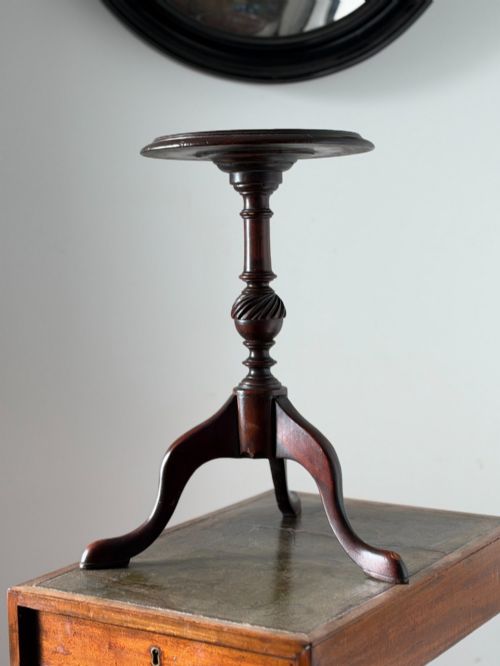
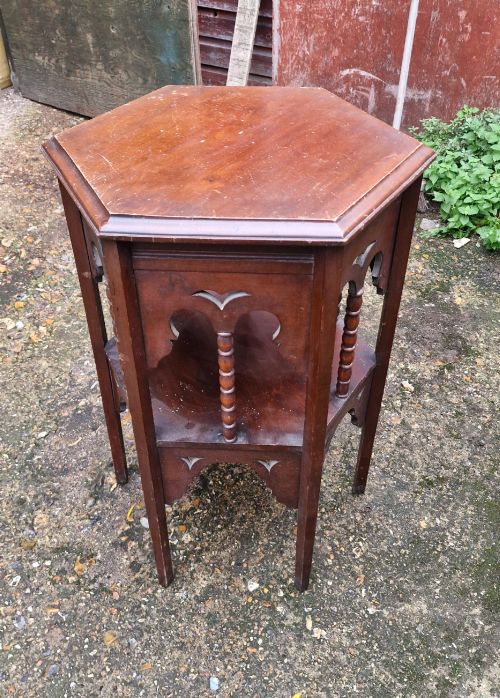
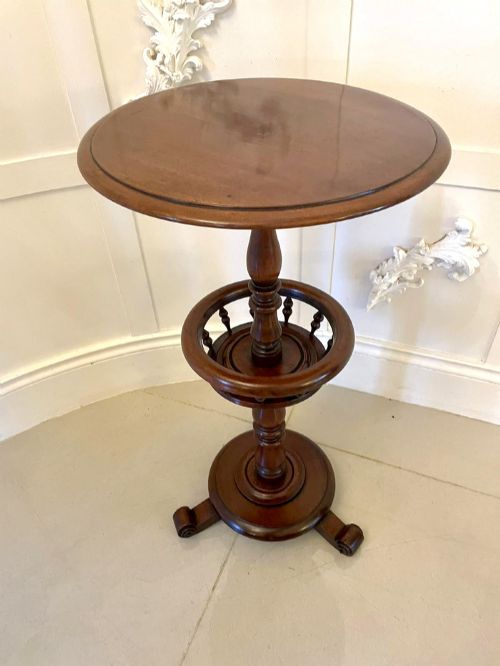
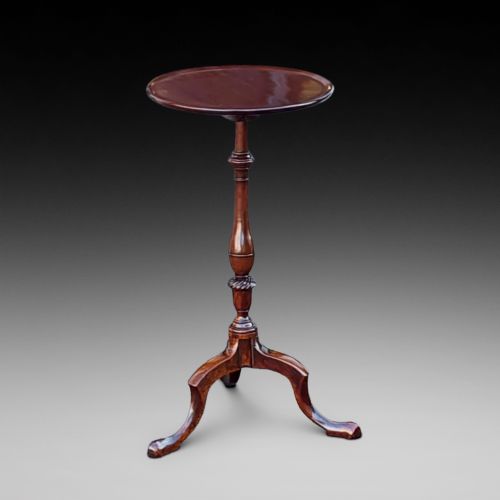
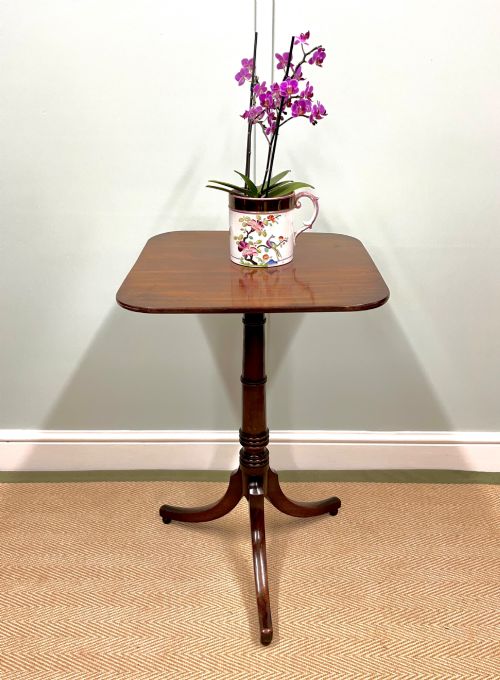
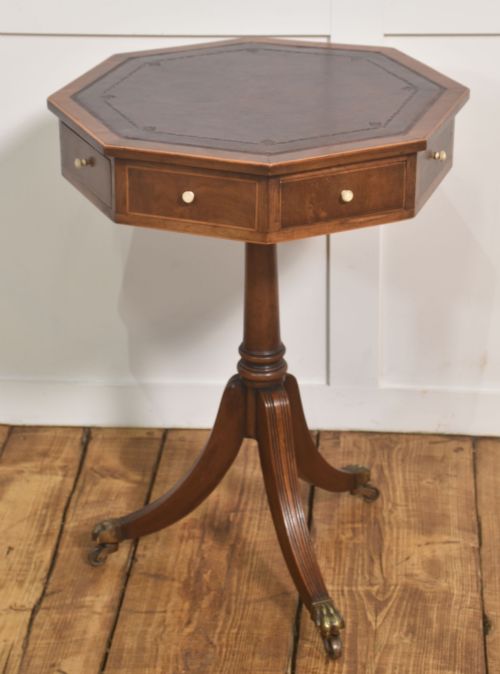
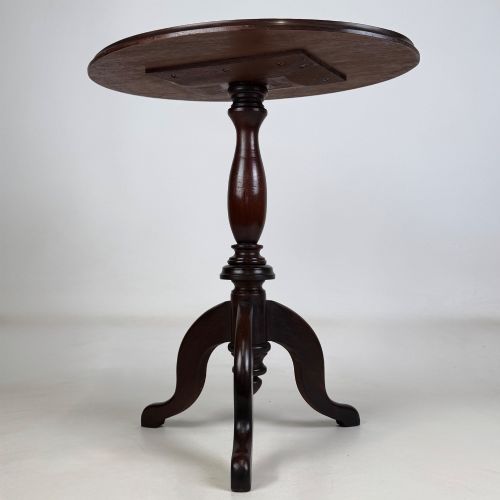
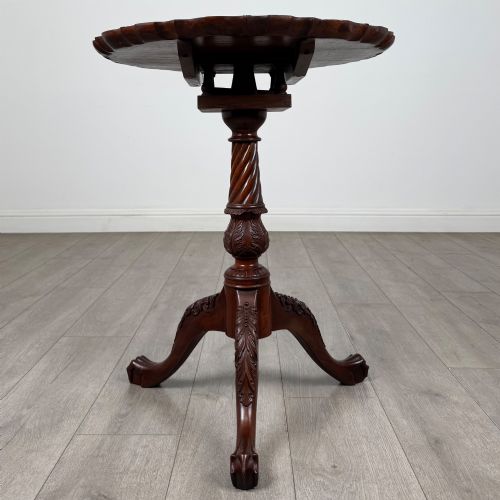
An Edwardian style wine table is a compact occasional piece typically designed with a single central pillar and three support legs, making it easy to position beside a chair or sofa. When searching for an Edwardian style wine table, buyers encounter a variety of forms including tripod models, tilt-top versions, and occasional tables drawing inspiration from earlier centuries.
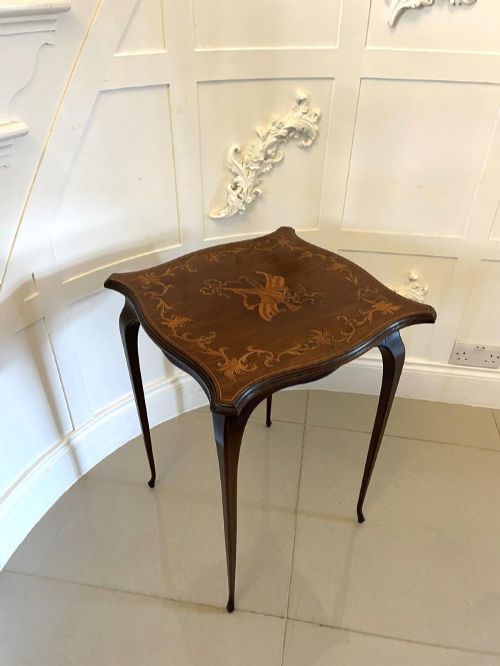
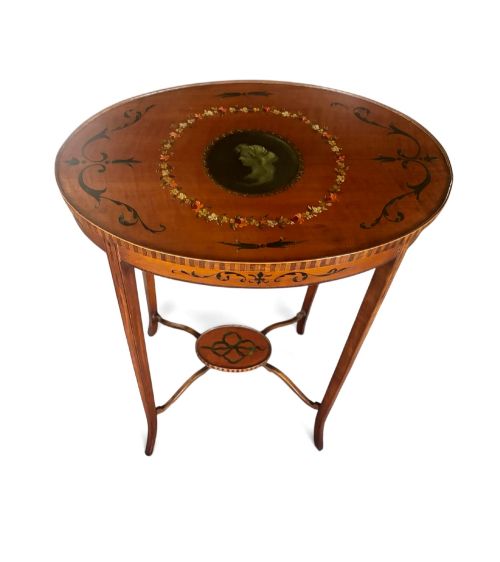
The pieces appearing in this category span several decades around the turn of the twentieth century, mixing genuine Edwardian construction with later revivals of Regency, Chippendale, and Sheraton styles. Mahogany and satinwood predominate, frequently enhanced by delicate inlay or painted decoration rather than heavy carving.
While traditional wine tables served specific functions for holding glassware, the examples found here often double as lamp stands, candle stands, or small display tables. Their versatile size ensures they suit modern interiors just as well as period rooms, offering a practical surface without dominating the floor space.
Materials and construction
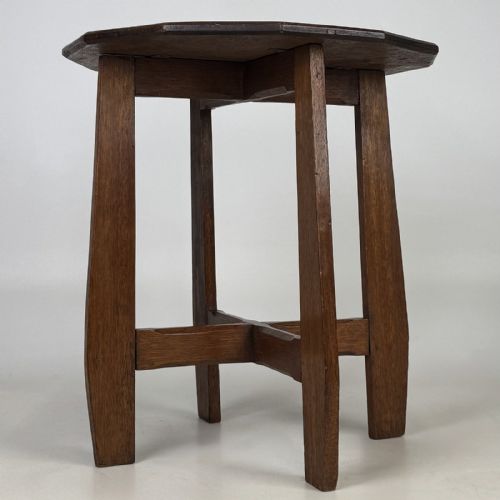
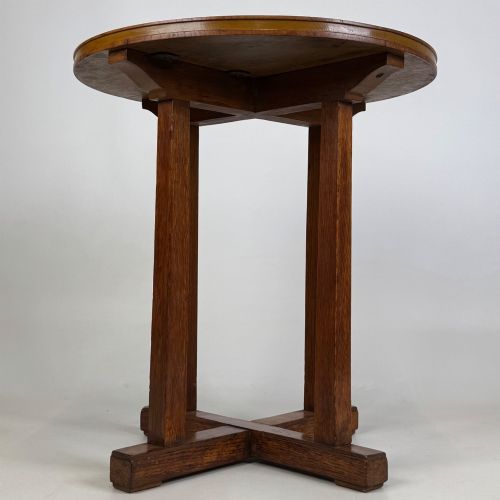
Makers of the period relied heavily on solid mahogany and satinwood for the primary structure, often utilising oak for sturdier utilitarian pieces. Timber selection dictated the character of the piece, with figured mahogany providing deep reddish brown tones and satinwood offering a pale, luminous ground for decorative work.
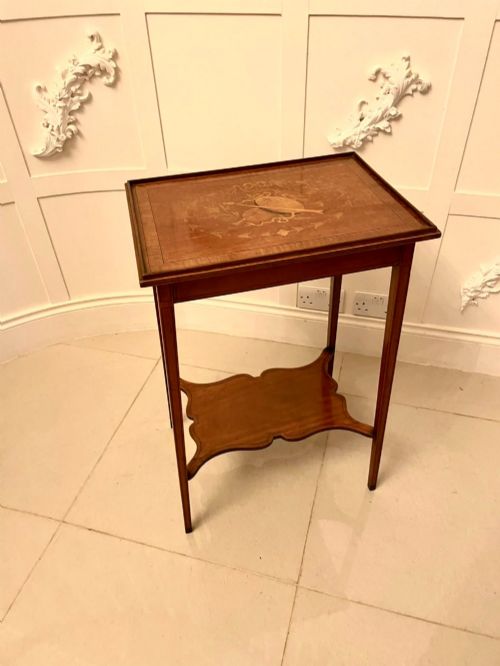
Surface ornament relied on contrasting boxwood inlay, marquetry, and hand-painted floral motifs rather than bulky structural embellishments. Tripod bases were jointed securely to central turned pillars, while tilt-top mechanisms utilised simple hinged catches to allow the surface to fold away when not in use.
Edwardian Style Wine Table Retail Price Guide 2026
Typical asking prices for edwardian style wine table among the pieces listed under this phrase on Sellingantiques today, from the lower quarter to the upper quarter. They describe what is for sale here now, not the wider market.
Listings feature woods such as mahogany, satinwood, and oak, often incorporating boxwood inlay and painted floral decoration.
Distinguishing quality across pieces
The distinction between standard utility items and finer examples often rests on the crispness of the timber inlay and the precision of the turning on the central pillar. Superior pieces display intricate boxwood stringing and well-executed marquetry that integrates seamlessly into the surrounding wood.
Stability and balance reveal much about the original craftsmanship, particularly in tripod designs where the three legs must meet the floor evenly and join the shaft with robust internal blocking. Furthermore, hand-painted details on satinwood surfaces show varying degrees of artistic control, separating mass-produced decoration from finer studio work.
Liberty of London·Asprey
The Edwardian Style Wine Table Glossary
- Tripod table
- A small freestanding table supported by three legs radiating from a central pillar. This configuration allows the table to sit firmly on uneven floors.
- Tilt top
- A hinged table mechanism enabling the circular or oval surface to be flipped into a vertical position. This clever feature saved space when the table was stored against a wall.
- Satinwood
- A durable tropical hardwood with a lustrous yellowish sheen, highly favoured during the Sheraton revival. It provided an ideal light-coloured canvas for painted floral ornamentation.
- Pie crust edge
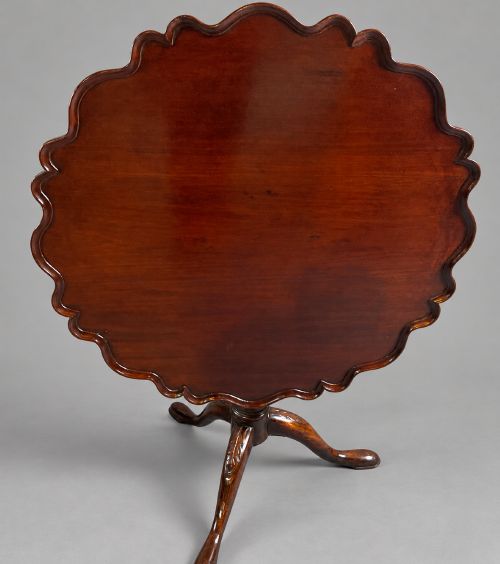
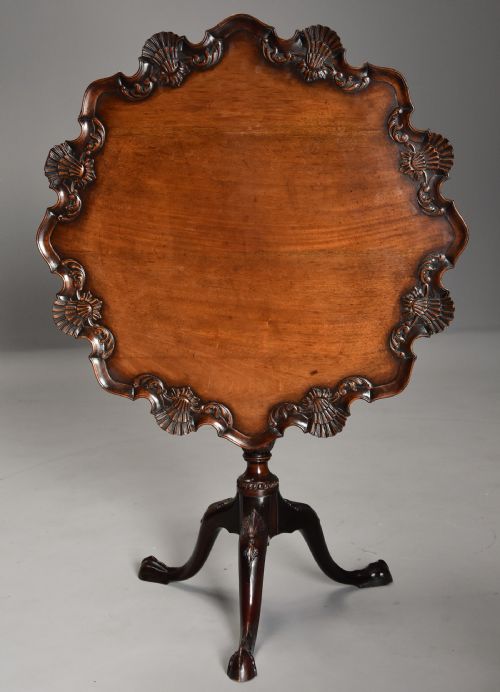
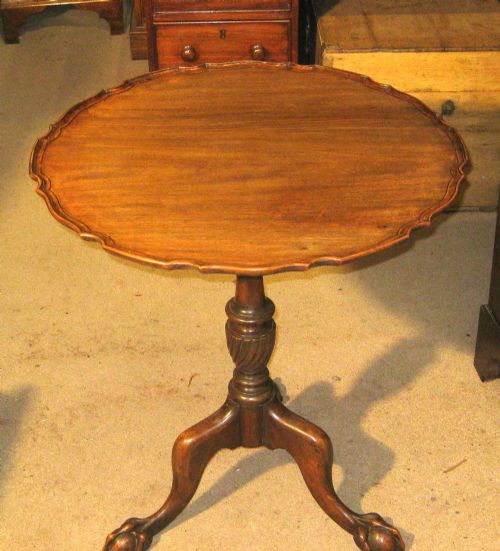
- A carved raised rim featuring decorative undulating curves resembling pastry work. Cabinet makers carved this detail directly from the solid timber of the tabletop.
- Marquetry
- The art of applying decorative veneer pieces in various woods to form geometric or pictorial patterns. It required immense skill to ensure the finished surface remained completely smooth.
Edwardian Style Wine Table: Frequently Asked Questions
What is an Edwardian style wine table used for today?
These compact tables serve admirably as bedside stands, spots for resting a cup of tea, or platforms for small table lamps. Their small footprint allows them to fit easily into tight corners or beside armchairs where larger furniture will not go.
Because many feature tilt-top mechanisms or lightweight tripod frames, they can also be moved effortlessly from room to room depending on where an extra surface is needed.
How do I distinguish an original Edwardian table from a later revival?
Examining the timber underneath, the type of screws or fixings used, and the natural ageing of the polish provides clear clues to a piece's age. Original Edwardian tables show consistent wear patterns and construction methods appropriate to the early twentieth century.
Revival pieces built later in the century often utilise different secondary woods or machine-cut components that differ from Edwardian workshop practices.
Are these tables sturdy enough for daily use?
Most tripod and occasional tables are remarkably sturdy provided the joints connecting the legs to the central pillar remain tight. They are designed to hold lamps, books, and drinks securely without wobbling.
It is wise to lift the table by the pillar rather than the edge of the top when moving it, which protects the leg joints from unnecessary lateral strain.
What maintenance do satinwood and mahogany surfaces require?
Regular dusting with a soft, dry cloth keeps the polished finish free from grit that might scratch the timber. Avoid placing these tables in direct sunlight or close to heat sources, which can dry out the wood and cause veneers to lift.
Applying a quality beeswax periodically helps nourish the polish and maintains the natural lustre of the mahogany or satinwood.