




Edwardian Style Urns
Edwardian style urns bring neoclassical restraint into early twentieth-century interiors through balanced proportions and classical motifs.

Edwardian Style Urns
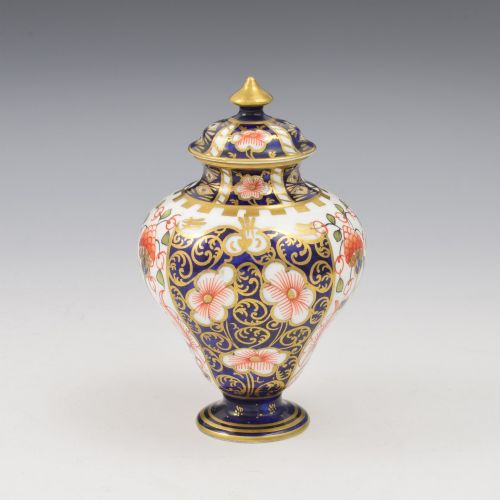
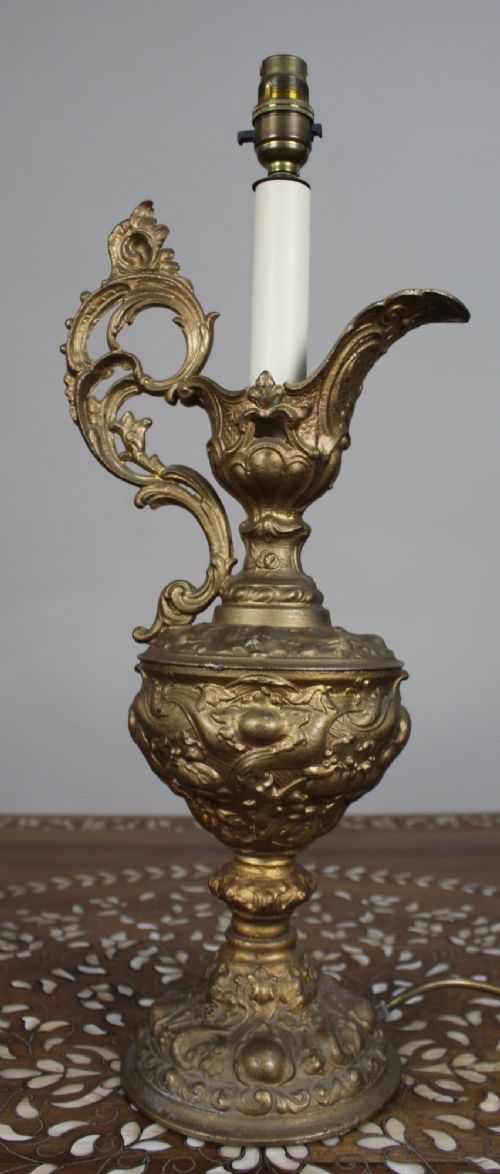
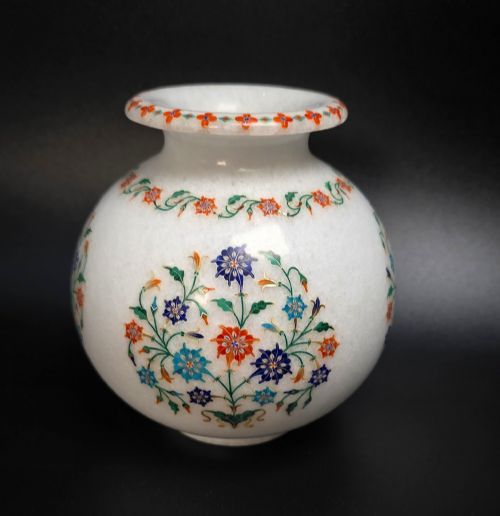
When buyers search for edwardian style urns, they find decorative vessels and associated display furniture created during the late nineteenth and early twentieth centuries. The pieces draw heavily on earlier neoclassical taste, reinterpreting ancient forms with the refined cabinet-making skills of the Edwardian era.
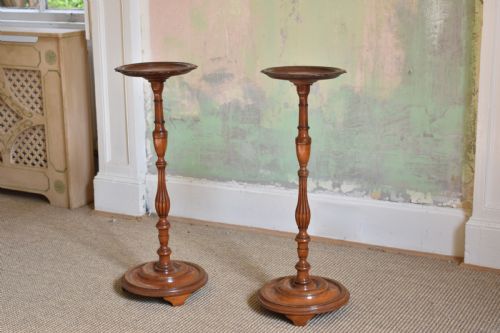
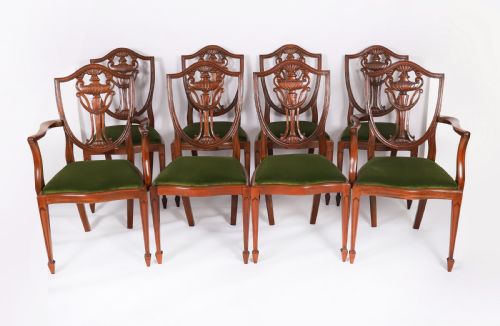
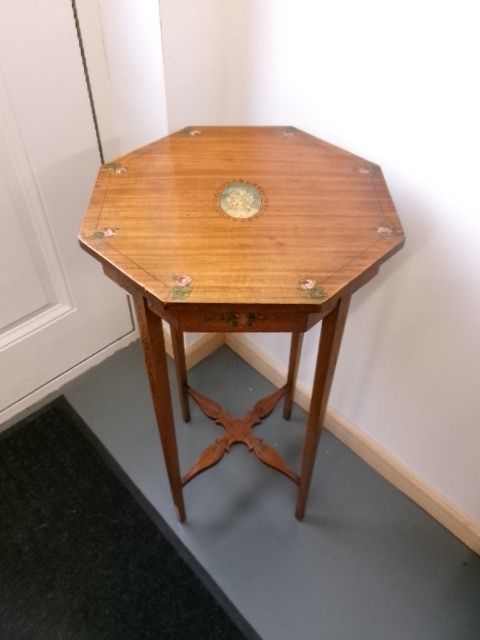
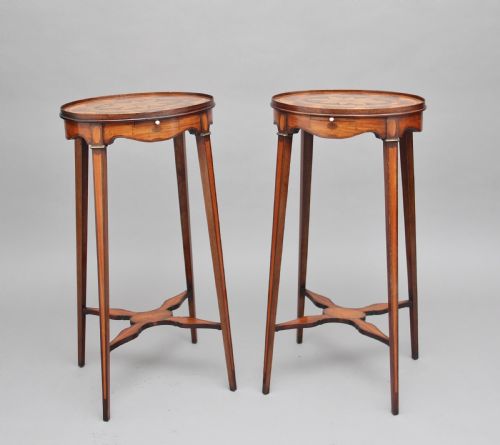
The selections on this page span several decades around the turn of the twentieth century, incorporating revival styles such as Adam, Sheraton, and Georgian. Alongside formal vessels, the category encompasses related stands and tables designed to display ornamental objects within period rooms.
Materials and Construction
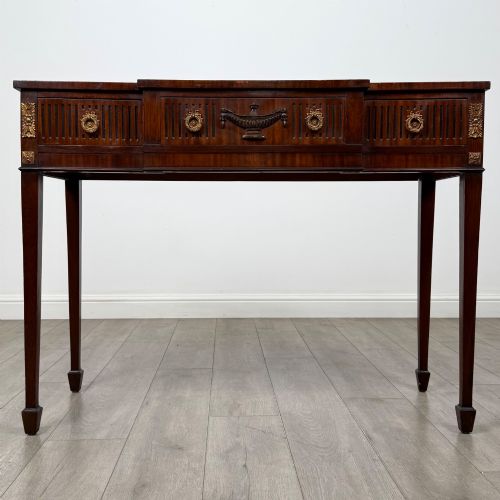
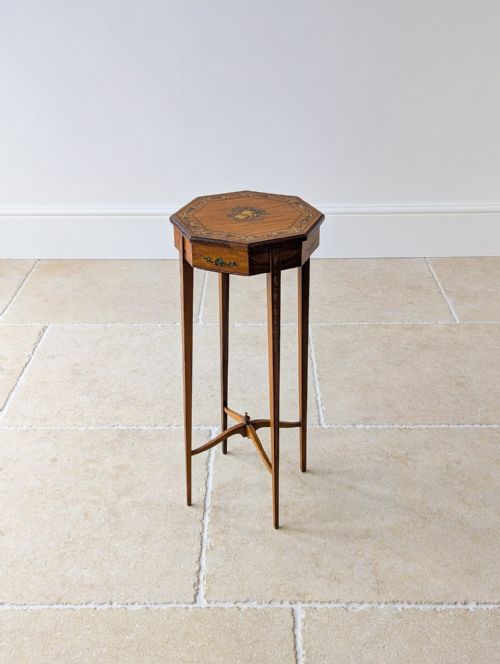
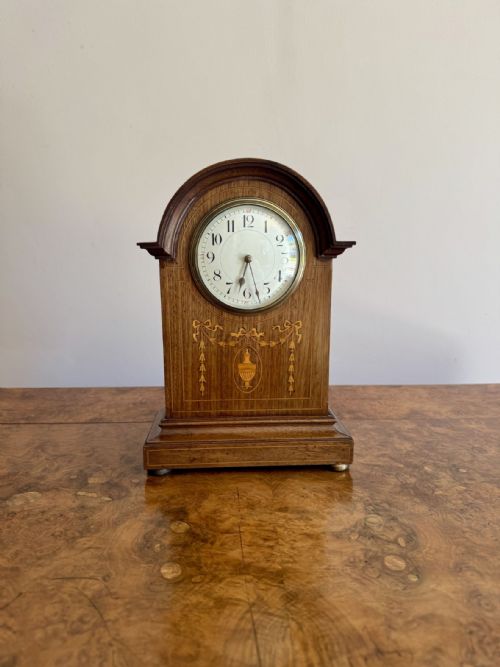
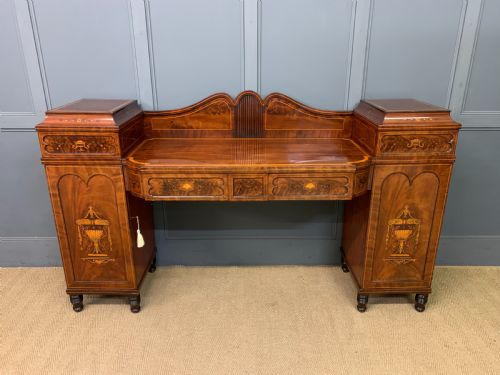
Craftsmen utilised dense timbers such as mahogany and satinwood as the primary foundation for tables and stands, frequently enhancing surfaces with intricate marquetry and inlaid details. Giltwood and gesso appear on decorative wall mirrors and frames, providing a brilliant metallic contrast to the dark and figured woods.
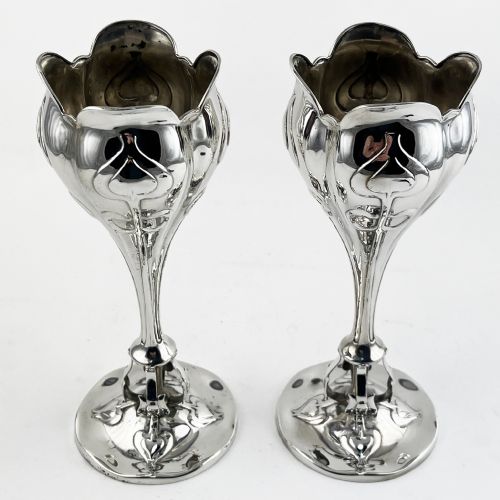
Porcelain, enamel, and brass form the substance of the vessels and lamps recorded in the evidence. Artisans shaped these mediums using traditional turning, casting, and hand-painting techniques to achieve smooth profiles and detailed surface decoration.
Among the stately side tables and porcelain vessels, a solitary peat basket and knitting bucket waits patiently for its fireside duties.
Assessing Quality and Execution
The distinction between standard commercial output and superior craftsmanship lies in the crispness of the carved ornament and the precision of the wood inlay. Finer examples display meticulously fitted marquetry panels and deeply articulated surface carving rather than superficial stamped decoration.
Proportion and material selection dictate the standing of individual items. Superior pieces combine well-figured timbers with balanced classical silhouettes, whereas lesser examples rely on generic proportions and simpler secondary woods.
Royal Crown Derby·Royal Worcester·Goldsmiths and Silversmiths Co
The Edwardian Style Urns Glossary
- Marquetry
- Decorative patterns formed by fitting together thin slices of various coloured woods onto a structural surface. This technique allows cabinet-makers to create complex pictorial and geometric designs on tabletops and cabinet doors.
- Gesso
- A plaster-like mixture applied to wood surfaces as a smooth base for gilding or painting. It provides the raised relief necessary for crisp, classical ornamentation on mirrors and frames.
- Neoclassical
- A revival style drawing inspiration from the art and architecture of classical antiquity. It emphasises symmetry, straight lines, and motifs such as urns, swags, and husks.
- Satinwood
- A pale, hard timber with a natural sheen that became popular for light-colored furniture during the late eighteenth and early twentieth centuries. It provides a striking contrast when combined with darker woods like mahogany or rosewood.
Edwardian Style Urns: Frequently Asked Questions
What defines edwardian style urns?
These decorative objects and supporting furniture pieces reflect the neoclassical revival taste popular at the beginning of the twentieth century. They draw upon eighteenth-century Adam and Sheraton design principles.
The forms incorporate classical vessel shapes and symmetrical tables intended to display ornamentation within formal reception rooms.
How do I date these pieces?
Dating relies on examining the construction methods, secondary woods, and stylistic motifs present in each item. Pieces from the Edwardian period often blend historical revival designs with early twentieth-century manufacturing techniques.
Comparing the specific marquetry patterns and hardware to documented examples helps narrow down the exact decade of manufacture.
Where were these items placed?
In historical interiors, such decorative vessels and stands occupied prominent positions on side tables, console tables, or dedicated plant stands. They served as focal points in drawing rooms and hallways.
Their placement emphasised classical symmetry and added refined decorative detail to domestic spaces.
How should I care for satinwood?
Satinwood furniture requires protection from direct sunlight to prevent the pale timber from darkening or fading unevenly over time. Maintaining stable indoor humidity levels prevents the wood and its delicate inlay from warping.
Regular dusting with a soft, dry cloth preserves the natural sheen without building up heavy wax residues.