

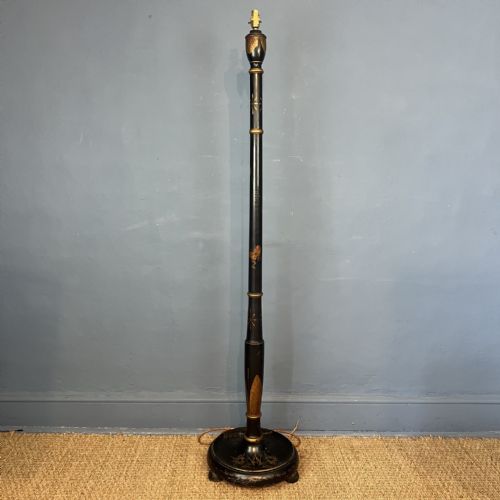
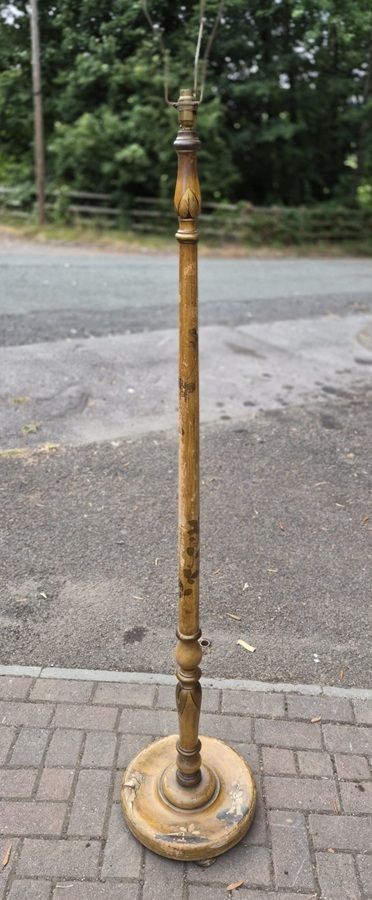
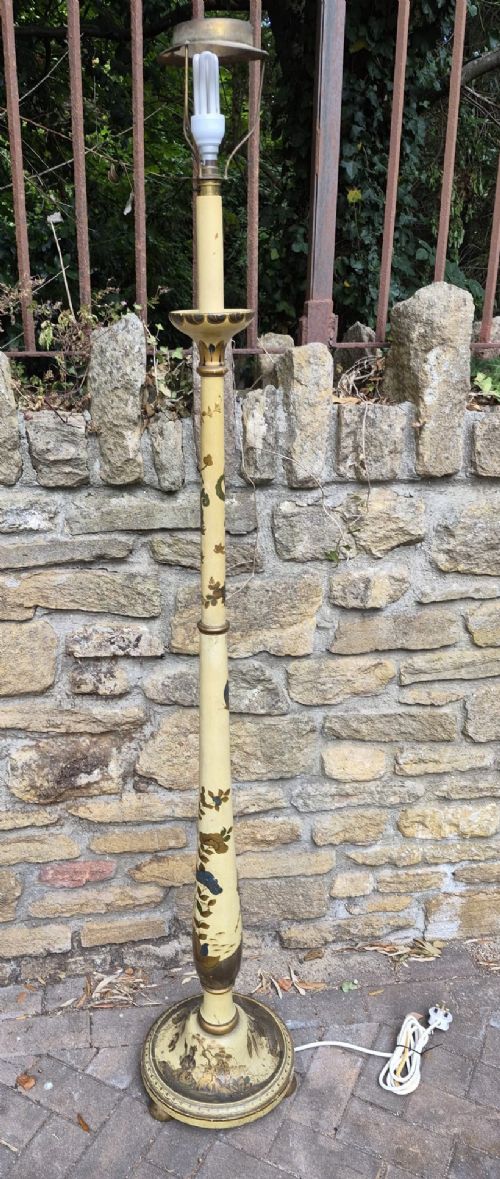
Edwardian Style Standing Lamp
An edwardian style standing lamp brings vertical presence and period lighting into a room, spanning brass designs to decorated lacquer.
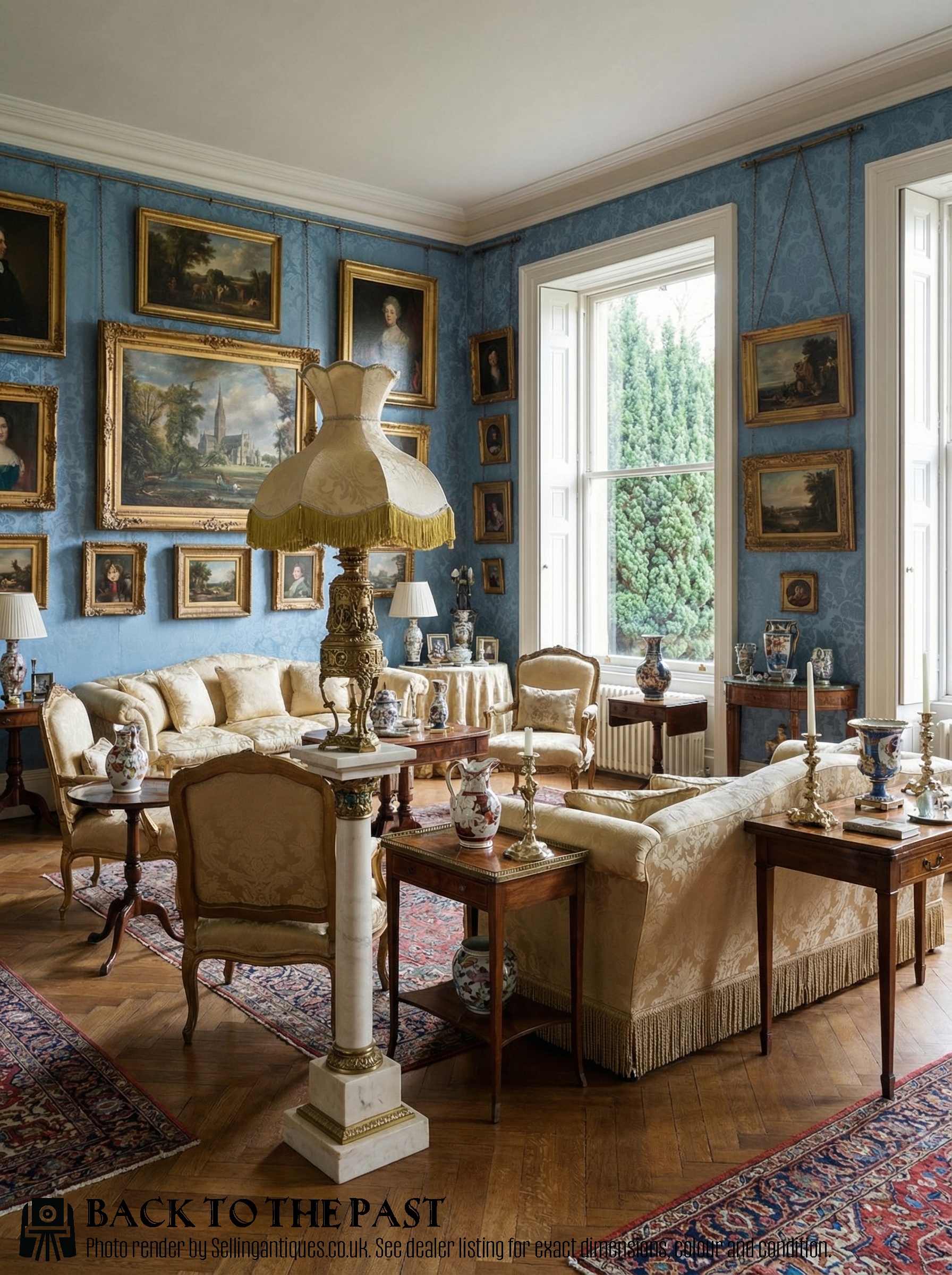
Edwardian Style Standing Lamp
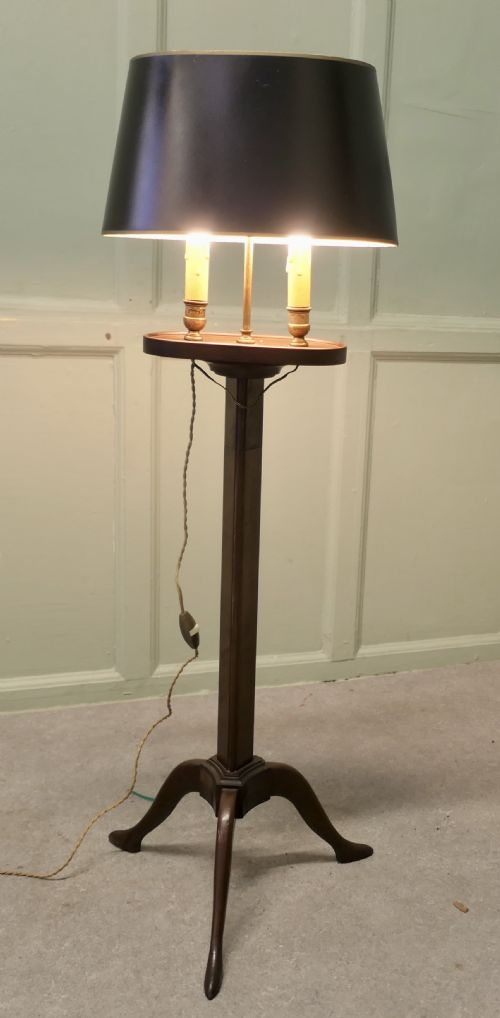
An edwardian style standing lamp brings vertical presence to an interior, functioning as a primary lighting source while anchoring a room's decorative scheme. Buyers searching for an edwardian style standing lamp typically encounter floor-standing brass fixtures, wooden standards, and painted lacquer pieces dating from the early twentieth century.
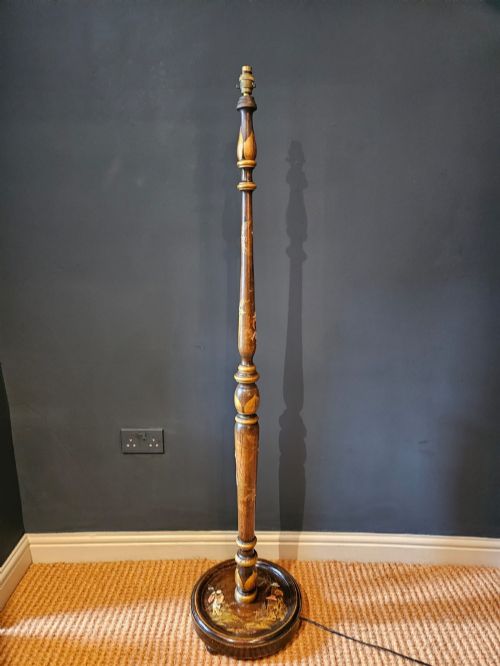
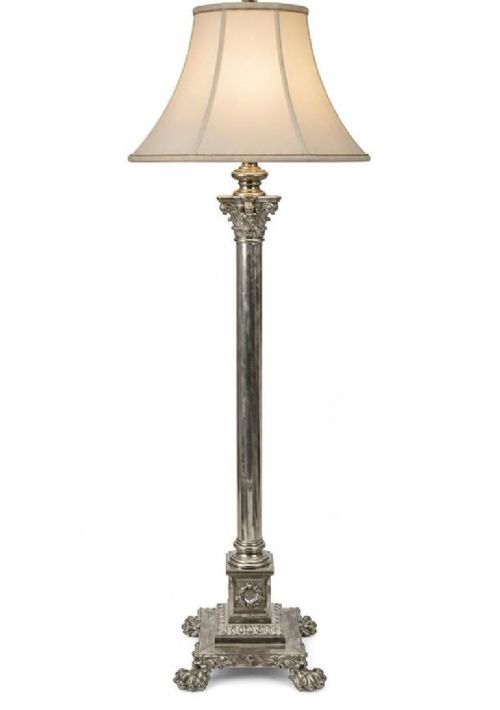
The selection ranges from simple turned timber shafts to elaborate chinoiserie decorated lamp standards and classical brass Corinthian columns. Alongside tall vertical lights, the category often encompasses related pieces like standard lamps and floor lamps designed to illuminate specific corners.
Many examples date from the Edwardian period itself or from surrounding decades such as 1900, 1910, 1920, and 1930. These pieces reflect revival aesthetics including Arts and Crafts principles and neoclassical motifs, grounding contemporary interiors in historical craftsmanship.
How they were made
Makers constructed these lamps using solid hardwoods such as oak, walnut, and mahogany, frequently turning or carving the timber to create slender central shafts and sturdy tripod bases. Metal examples utilise brass and silver plating, often cast with classical fluting or Corinthian capitals to provide structural weight and decorative detail.
Lacquered and painted finishes appear prominently, particularly on chinoiserie pieces finished with black lacquer and hand-painted Oriental motifs. Selected models incorporate fabric shades or metal components designed to hold adjustable candle mechanisms and electrical wiring.
Listings feature standard lamps spanning the Edwardian period, 1900, 1910, 1920, and 1930, alongside Victorian and nineteenth-century antecedents.
What varies in quality
Quality in these floor lamps rests on the integrity of the materials and the precision of the turning, carving, or casting. Solid oak and heavy brass standards with crisp, deep architectural detailing represent the upper tier of production.
Surface finish distinguishes standard examples from superior pieces, particularly in the hand-painted execution of chinoiserie lacquer work and the stability of tripod base joinery. The weight and gauge of the metalwork or timber determine the physical balance and enduring presence of the standard lamp.
Baillie Scott·Hubert Simpson of Kendal·Liberty and Co
The Edwardian Style Standing Lamp Glossary
- Standard lamp
- A tall floor-standing lamp designed to support a shade and illuminate a room from standing height. These fixtures form the core of the lighting selection.
- Chinoiserie
- European decorative style incorporating imitation Chinese artistic motifs, frequently seen in black lacquered and painted finishes on lamp standards.
- Corinthian
- Classical architectural order featuring ornate column capitals decorated with acanthus leaves, often replicated in brass lamp shafts.
- Arts and Crafts
- Design movement emphasising visible construction, simple forms, and honest materials such as solid oak.
- Tripod base
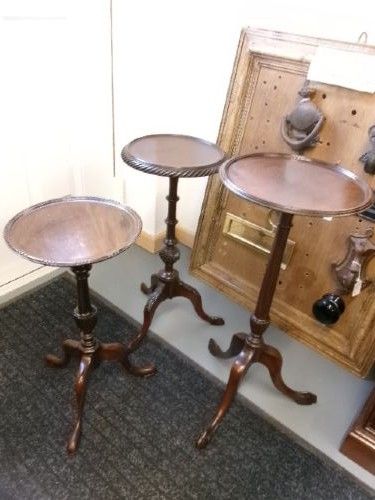
- A three-legged support structure commonly utilised beneath standard lamps to ensure stability on domestic flooring.
Edwardian Style Standing Lamp: Frequently Asked Questions
What is an edwardian style standing lamp?
An edwardian style standing lamp is a tall lighting fixture designed to rest directly on the floor, providing ambient illumination from a raised position. These pieces typically feature a central vertical shaft supported by a weighted or tripod base.
Originating around the early twentieth century and subsequent revival periods, they draw on design vocabularies including Arts and Crafts simplicity, neoclassical brass columns, and oriental lacquerwork.
How were standard lamps used historically?
Historically, standard lamps served to illuminate reading corners, dark corners, or seating areas before overhead ceiling lighting became common in every domestic interior. They allowed homeowners to move concentrated light sources around principal rooms without relying solely on table lamps.
As domestic electricity adoption spread during the early twentieth century, many of these tall standards were adapted from earlier candle mechanisms or manufactured specifically for electric bulbs.
Where should I place a standing lamp?
A standing lamp works best positioned beside an armchair, in a dark corner, or framing a fireplace where it can cast downward or ambient light across the room. Its vertical profile adds height to interior arrangements without occupying valuable surface space on tables.
Ensure the base rests on level flooring and that the height complements nearby furniture proportions to maintain visual balance.
How do I date an antique floor lamp?
Dating a floor lamp involves examining the materials, turning style, wiring methods, and surface decoration for period characteristics. Pieces from the Edwardian era and surrounding decades often display specific revival motifs, such as heavy brass Corinthian columns or hand-painted chinoiserie lacquer.
Construction techniques, including the type of timber joints and the presence of early electrical fittings or weight blocks, provide further clues to chronological origin.