


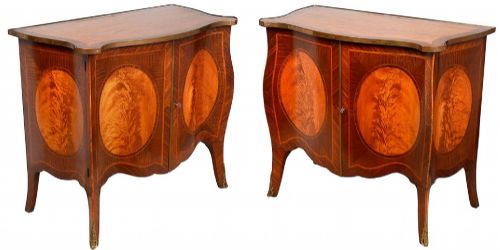
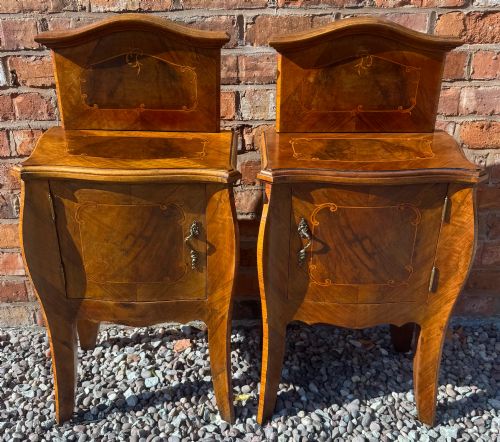
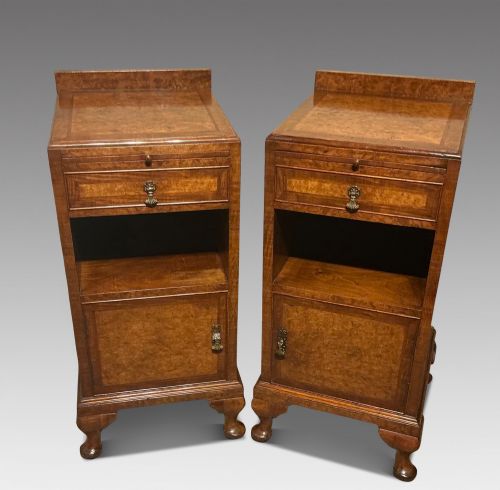
Edwardian Style Bedside Cabinet
An Edwardian style bedside cabinet brings compact elegance to a bedroom, offering tidy storage beside the mattress.
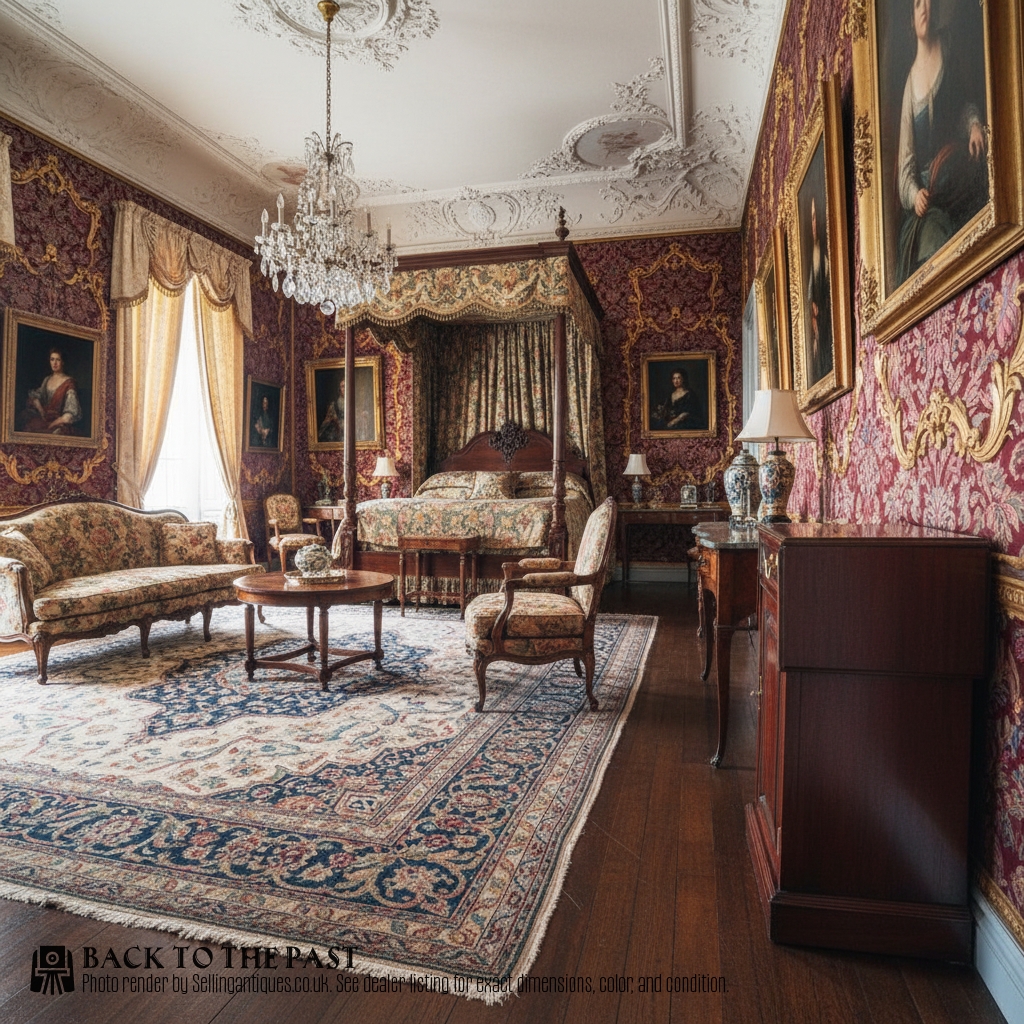
Edwardian Style Bedside Cabinet
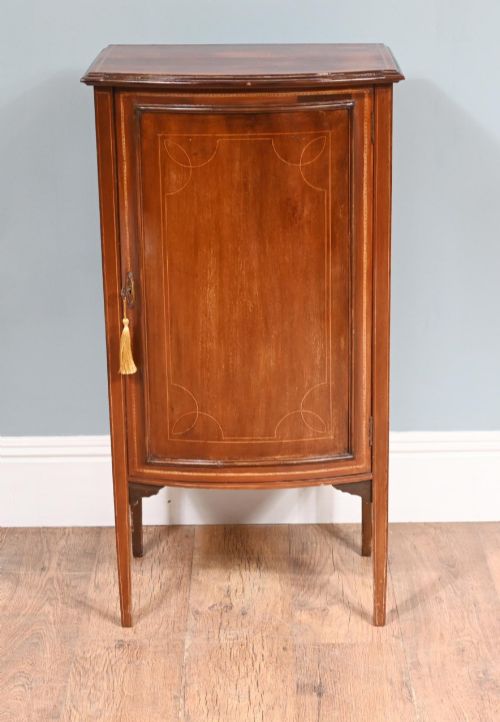
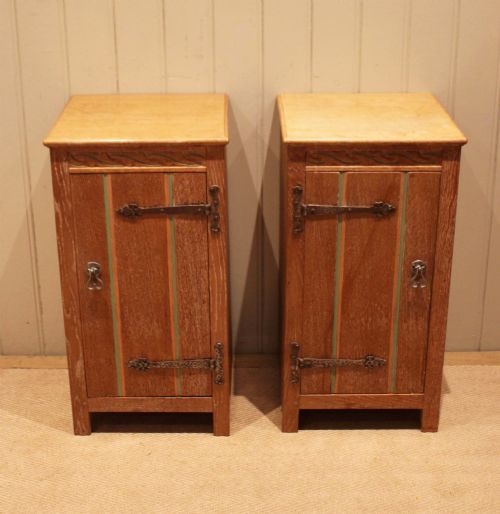
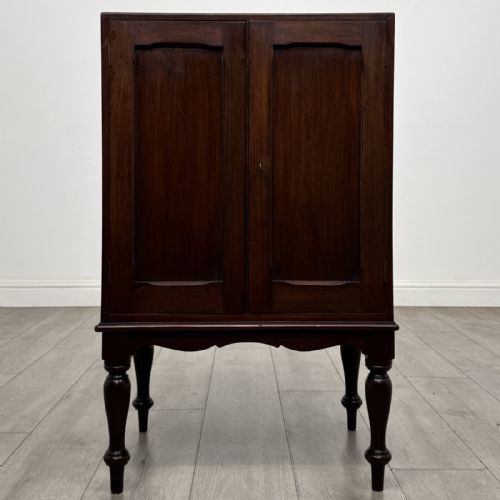
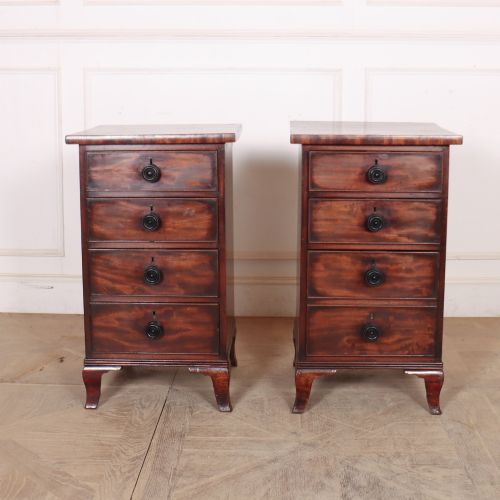
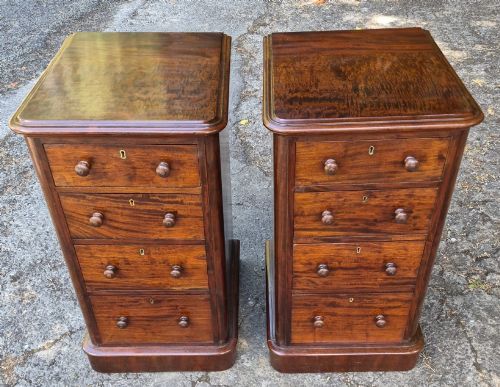
An edwardian style bedside cabinet bridges practical bedroom storage and decorative antique craftsmanship, frequently appearing as a single unit or in matched pairs. These pieces serve to hold bedside necessities while adding period character to a room.
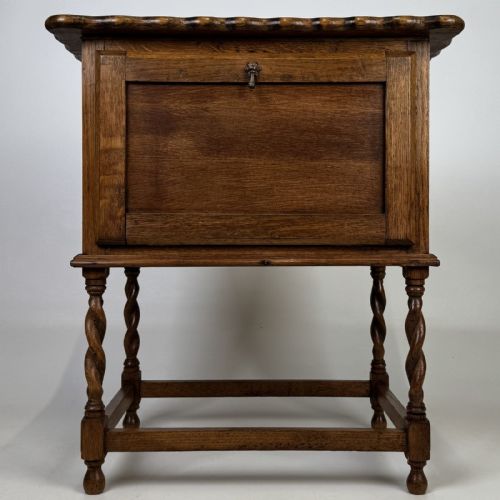
The selection ranges across several decades around the turn of the twentieth century, encompassing true Edwardian examples alongside Victorian, 19th Century, and 1920 pieces. Forms vary from simple cupboards and drop-flap cabinets to chests of drawers and bedside tables.
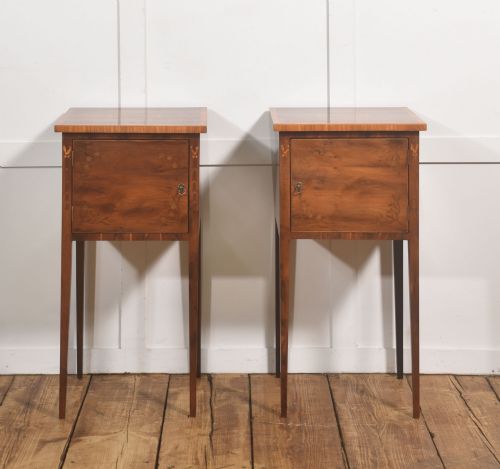
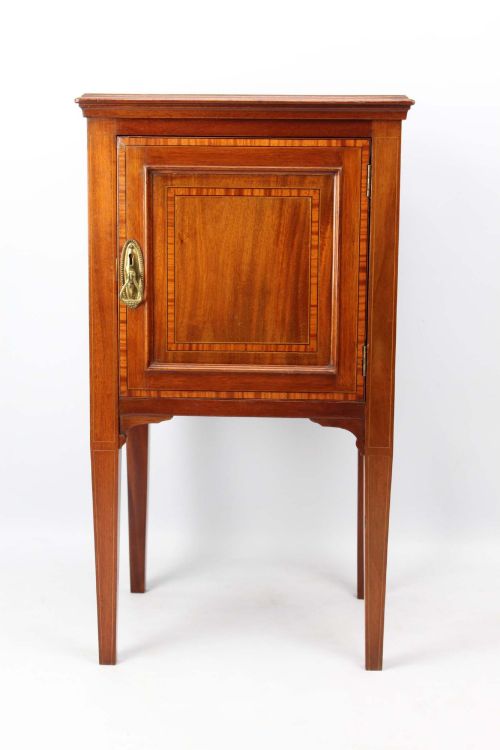
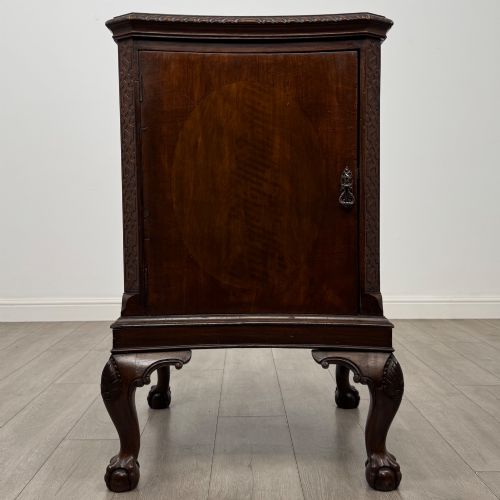
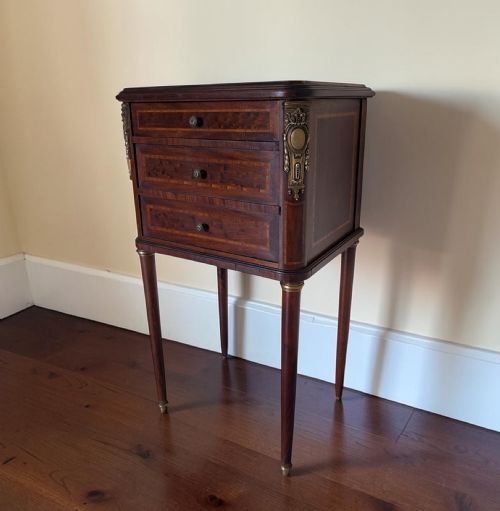
Design influences draw heavily on earlier British aesthetics, notably Sheraton Revival, Chippendale Revival, and Georgian style. Buyers frequently encounter variations featuring elaborate inlays, painted finishes, or distinctive silhouettes such as bowfronts and bombe profiles.
How they were made
Cabinetmakers relied on classic timber construction, utilising mahogany, walnut, burr walnut, satinwood, and oak as primary materials for frames and panels. Delicate contrasting woods were employed for stringing and decorative inlay work.
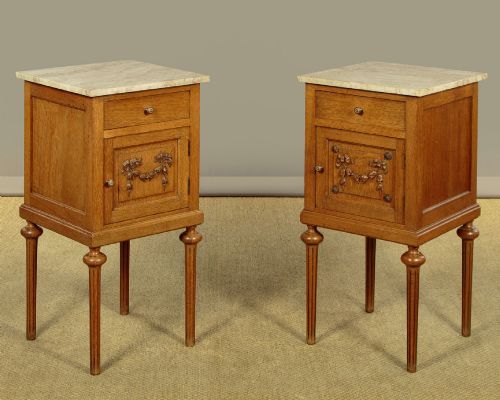
Surface detailing often incorporated brass hardware, such as handles and hinges, alongside specialised treatments like Chinoiserie lacquer or painted finishes. Selected oak examples also integrated inset marble tops for durable utilitarian surfaces.
Edwardian Style Bedside Cabinet Retail Price Guide 2026
Typical asking prices for edwardian style bedside cabinet among the pieces listed under this phrase on Sellingantiques today, from the lower quarter to the upper quarter. They describe what is for sale here now, not the wider market.
Some Edwardian cabinets double secretly as shoe storage, proving that even polite furniture holds practical secrets.
What varies in quality
Quality rests in the precision of the cabinetmaking and the selection of timber veneers, where finely figured mahogany or burr walnut elevates the visual impact. The crispness of inlaid details and the harmony of matched pairs also distinguish superior examples.
Structural integrity, from the smooth operation of drawers and drop flaps to the stability of legs and stands, separates everyday utility items from finer decorative pieces.
Edwards and Roberts·Gillows
The Edwardian Style Bedside Cabinet Glossary
- Sheraton Revival
- A late 19th and early 20th century design movement inspired by the neoclassical furniture of Thomas Sheraton. Pieces in this style typically feature slender tapered legs, satinwood veneers, and delicate floral or geometric inlay.
- Chinoiserie
- A decorative style reflecting European interpretations of Chinese art and motifs. This technique often involves painted lacquer scenes in gold and colour upon a dark background.
- Bombe
- A swelling, outward-curving profile found on the sides and fronts of certain cabinets and chests. This theatrical shape requires advanced woodworking skill to execute properly.
- Inlay
- A technique where pieces of contrasting timber, shell, or metal are inserted into recessed cavities on the wood surface to create decorative patterns.
- Drop flap
- A hinged panel that folds down to reveal a surface or compartment inside the cabinet.
Edwardian Style Bedside Cabinet: Frequently Asked Questions
Are these cabinets sold as pairs?
Many listings feature matching pairs or near-pairs of cabinets designed to sit symmetrically on either side of a bed. These are assembled by dealers from the period to suit modern bedroom layouts.
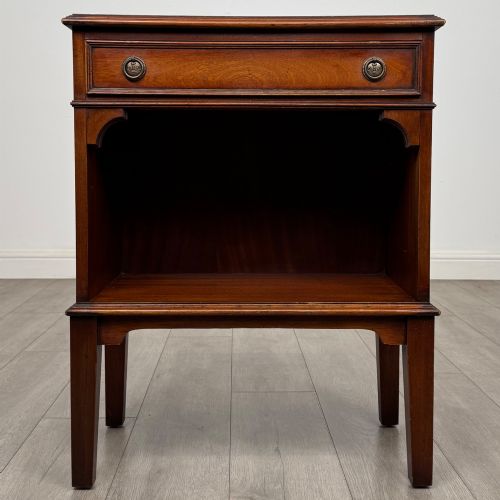
Single cabinets also appear frequently for smaller spaces or alternative uses as lamp tables and occasional side pieces.
What woods were commonly used?
Mahogany forms the majority of the timber selection, often accompanied by satinwood, walnut, burr walnut, and oak. Lighter woods frequently serve as decorative inlay elements against darker primary grains.
Some specialist variations incorporate painted surfaces or marble tops for added texture and durability.
How do I date these pieces?
Dating relies on stylistic clues, construction methods, and materials recorded across the 19th and early 20th centuries. Revival styles often borrow eighteenth-century aesthetics while utilising later Victorian or Edwardian manufacturing techniques.
Specific construction markers and stylistic revivals help narrow down the decade of production.
Can I use them as side tables?
These cabinets adapt readily to living rooms and hallways as side tables or occasional stands for lamps and books. Their compact proportions make them versatile additions beyond the bedroom.
Enclosed cupboards and drawers provide concealed storage for small household items in any room.