

Edwardian Storage Box
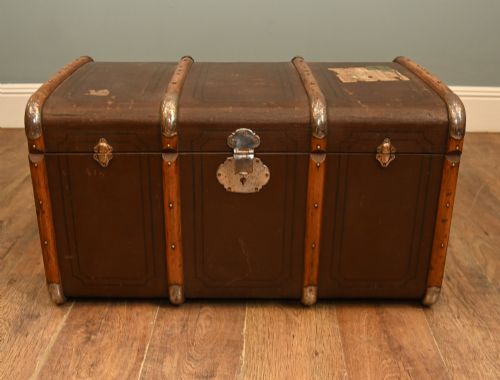
When you handle an edwardian storage box, you hold practical domestic history crafted from solid oak, mahogany, and brass-mounted pine.
Edwardian Storage Box
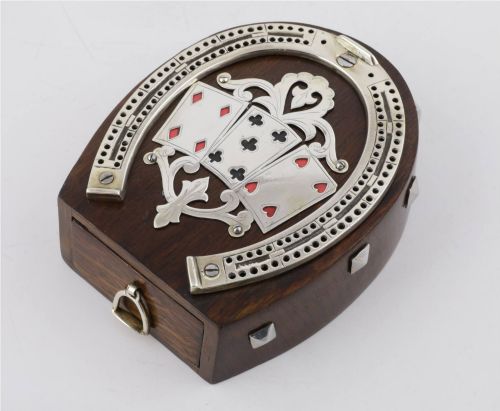
An edwardian storage box encompasses a diverse range of utilitarian and decorative containers originating around the early twentieth century, including blanket chests, tea caddies, and games boxes. These pieces reflect the domestic organisation and social habits of the period, utilising traditional forms adapted for contemporary homes.
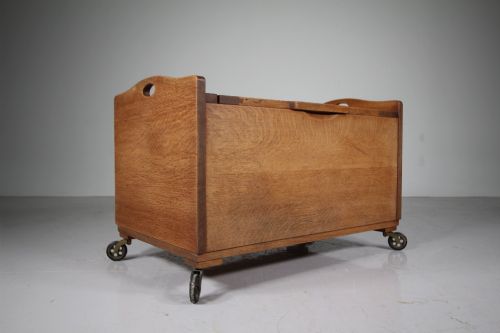
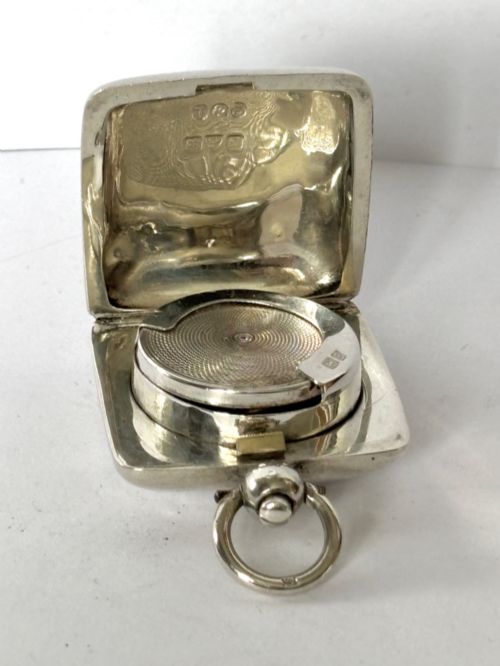
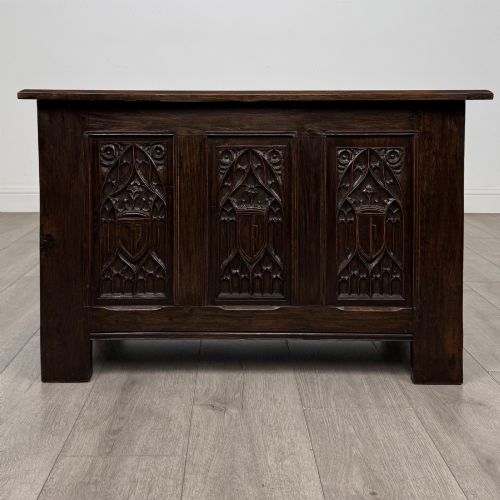
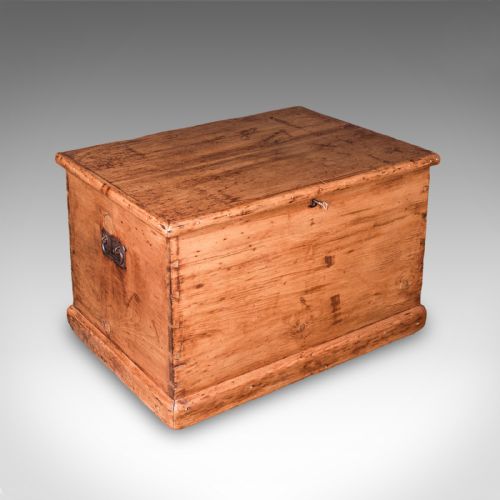
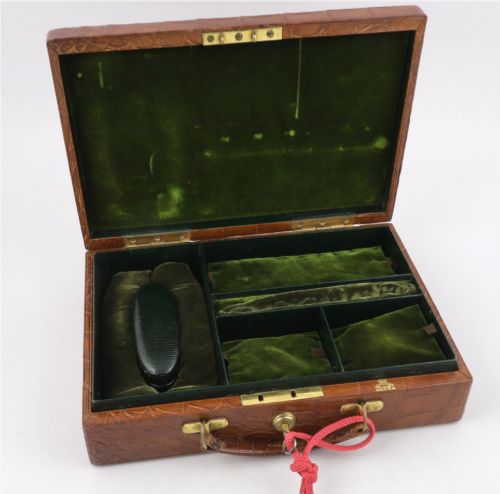
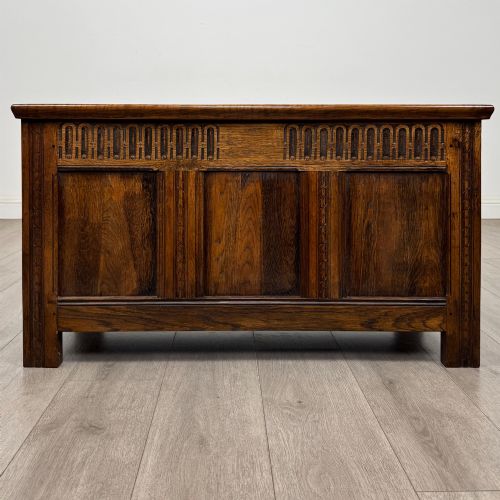
The most common versions met on this page are oak blanket boxes and carved coffers, alongside smaller sterling silver tea caddies and leather-lined storage cases. Many incorporate lift-up lids, side handles, or specialised internal compartments tailored for specific household items like playing cards, hats, or coal.
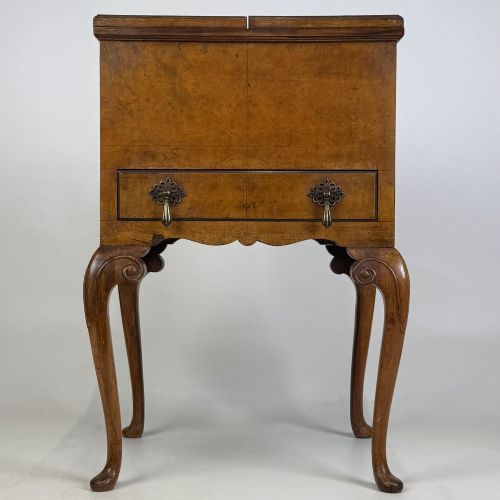
While many examples date strictly to the Edwardian era and surrounding decades, related forms from the Victorian period and the late nineteenth century frequently appear. These items range from sturdy pine trunks to refined burr walnut cabinets, demonstrating varied utility across different rooms of the house.
How they were made
Construction relies heavily on durable timbers such as oak, mahogany, and pine, frequently joined with traditional carpentry methods to ensure longevity. Metal elements like brass mounts, iron handles, and copper details provide structural reinforcement and functional hardware.
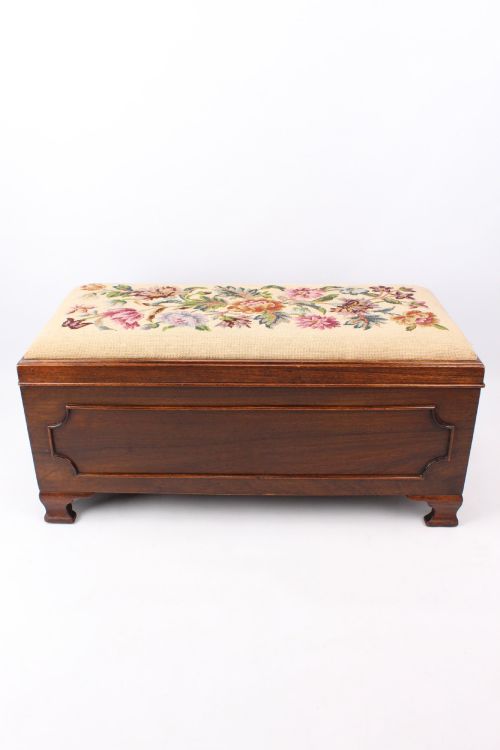
Surface finishes and ornamentation include hand carving, repousse silverwork, leather upholstery, and faux-wood painted metal. Workshops also employed inlay techniques and silk or velvet linings for smaller compartments, balancing robust utility with decorative refinement.
Edwardian Storage Box Retail Price Guide 2026
Typical asking prices for edwardian storage box among the pieces listed under this phrase on Sellingantiques today, from the lower quarter to the upper quarter. They describe what is for sale here now, not the wider market.
Several boxes arrive with dedicated spaces for top hats, reminding us of an era when gentlemen rarely stepped outside uncovered.
What varies in quality
Quality separates through the selection of materials and the precision of the workmanship, ranging from standard utility pine bins to finely figured burr walnut cabinets and solid silver tea caddies by notable makers. The depth and crispness of hand-carved panels or repousse metalwork distinctly mark superior execution.
Original hardware, working locks, and intact interior linings or fitted trays elevate a piece above altered or heavily restored examples. The integrity of the timber joints and the weight of the silver or brass components determine the lasting substance of the box.
J C Vickery·Zimmermann·Levi & Salaman·Thomas Hayes·James Shoolbred & Co·Mappin & Webb·William Hutton & Sons Ltd·Lincoln Bennett
The Edwardian Storage Box Glossary
- Coffer
- A heavy wooden chest traditionally used for storing valuables or textiles. These pieces often feature hinged lids and carved front panels.
- Tea caddy
- A small container designed to store tea leaves securely. Examples from this era frequently utilise sterling silver, wood, or imported metal.
- Purdonium
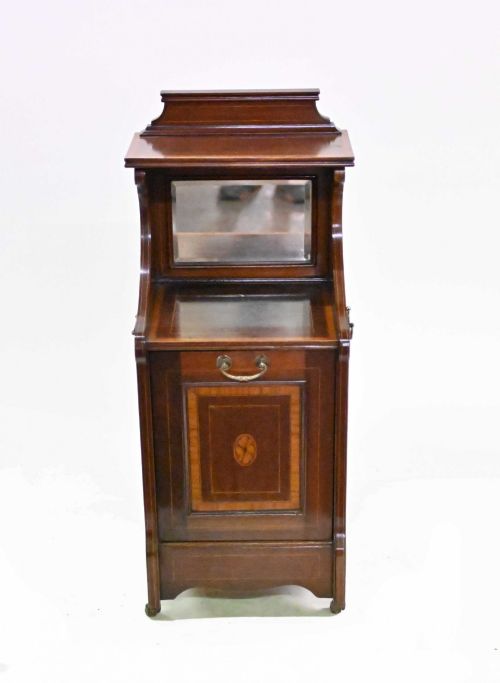
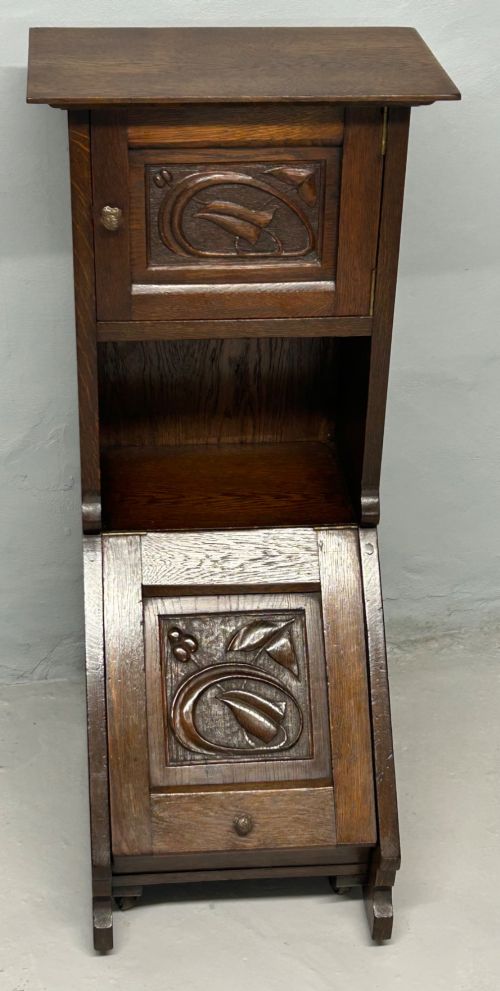
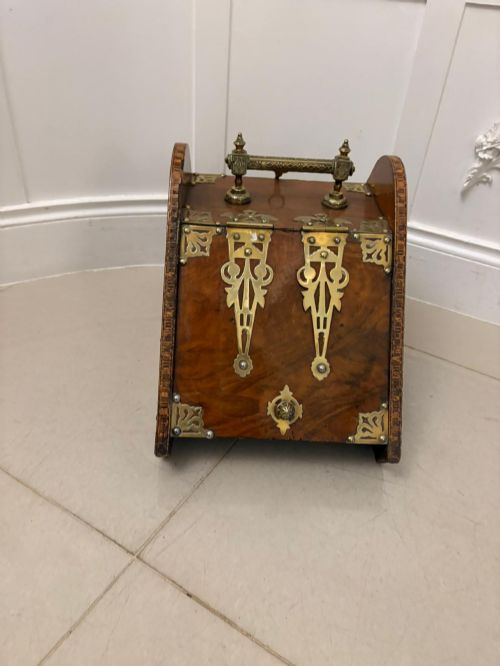
- A specialised household box or scuttle designed specifically for holding coal near a fireplace. They often incorporate a lift-up lid and internal metal lining.
- Repousse
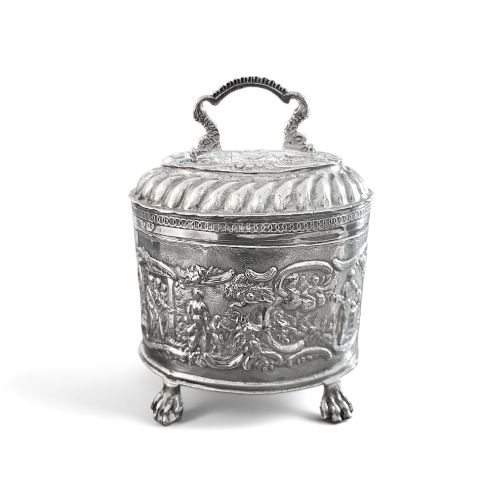
- A metalworking technique where the artist hammers the design from the reverse side to create a raised relief pattern. This method appears frequently on silver caddies.
- Settle
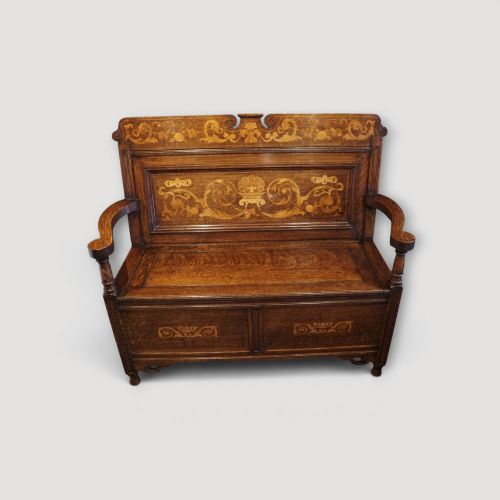
- A wooden bench featuring a high back and solid armrests, often constructed with a lift-up seat providing integrated storage underneath.
Edwardian Storage Box: Frequently Asked Questions
How were tea caddies used?
Tea caddies served to store precious tea leaves securely under lock and key when tea was an expensive commodity.
They sat prominently in reception rooms, often featuring internal compartments and fitted spoons for portioning the leaves.
What fits inside an Edwardian blanket box?
These large wooden chests accommodated household textiles, spare blankets, and heavy winter garments to keep rooms tidy.
Their deep rectangular interiors and lift-up lids made them practical for bulky items.
How do I identify an Edwardian piece?
Edwardian items typically date between nineteen hundred and nineteen ten, displaying lighter timbers and simpler lines than heavy Victorian furniture.
Look for Arts and Crafts influence, inlaid decoration, and hallmarks on silver mounts for precise dating.
Where should I place a storage box at home?
Blanket boxes and coffers function well at the foot of a bed or in a hallway for concealing clutter.
Smaller boxes like tea caddies or games compendiums suit side tables and mantelpieces as decorative accents.