

Edwardian Stick Holder
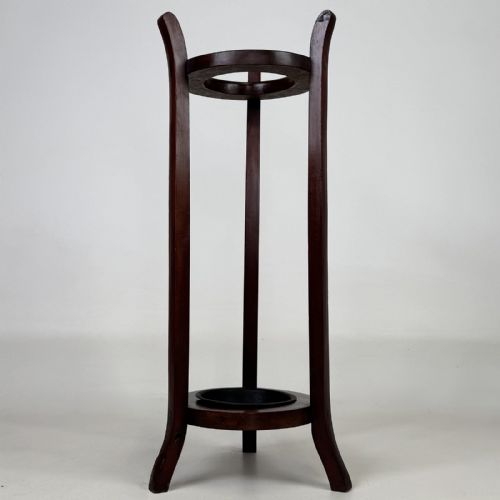
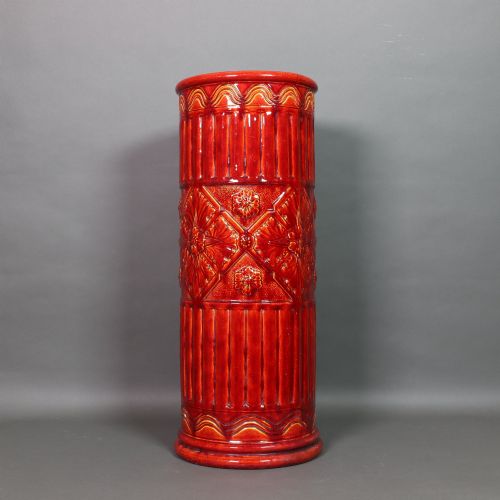
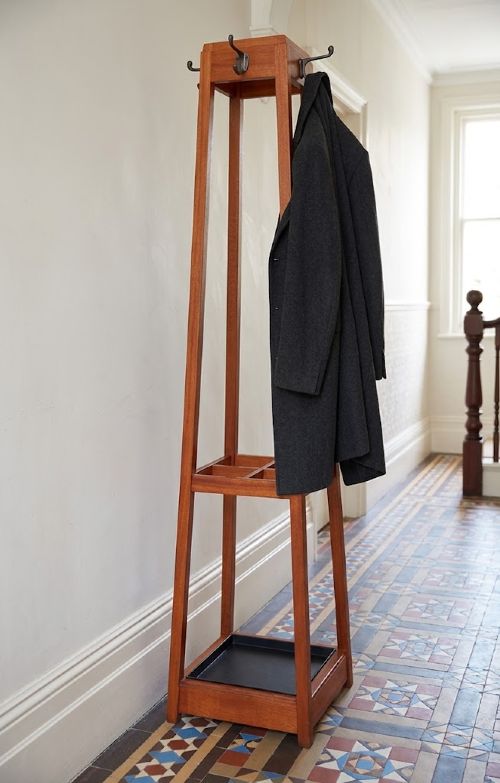
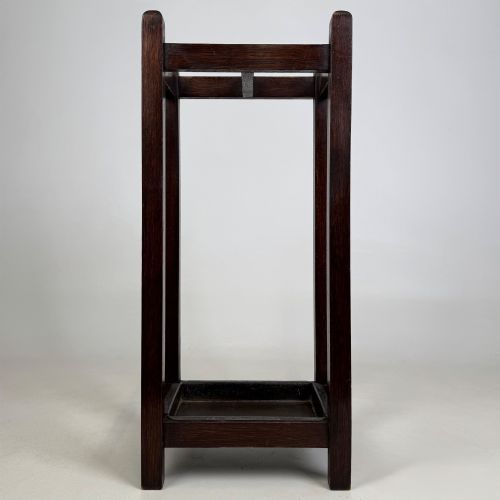
An edwardian stick holder stands ready in the hall to corral wet walking sticks and umbrellas in sturdy style.
Edwardian Stick Holder
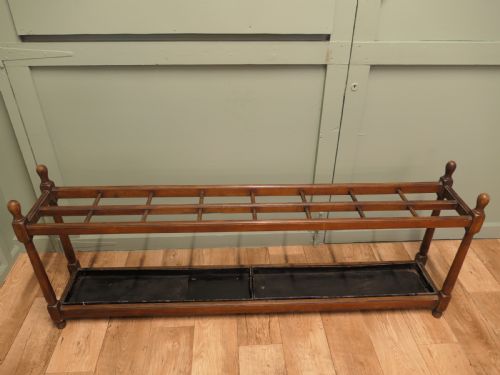
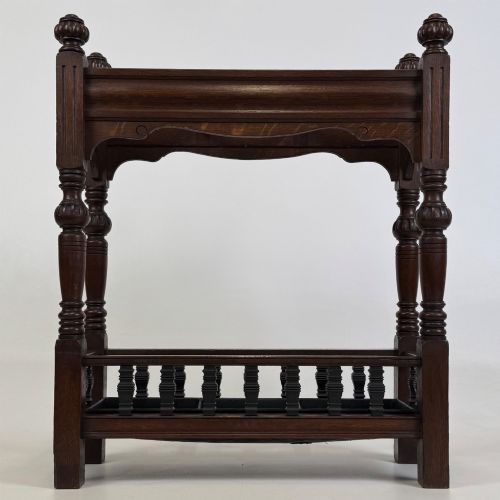
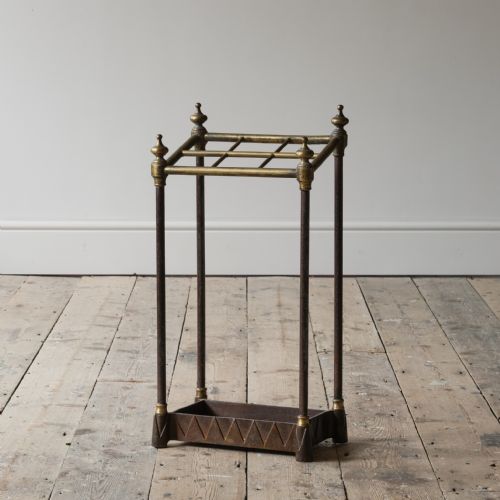
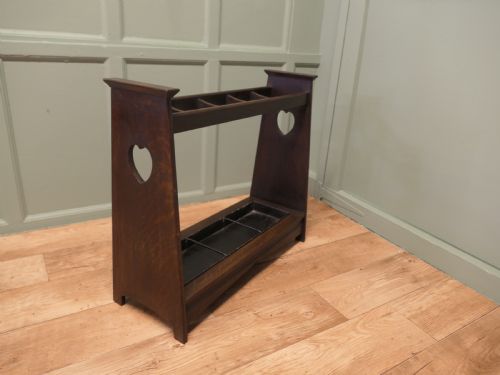
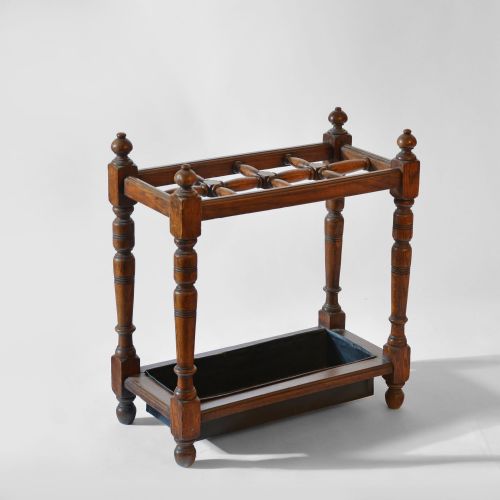
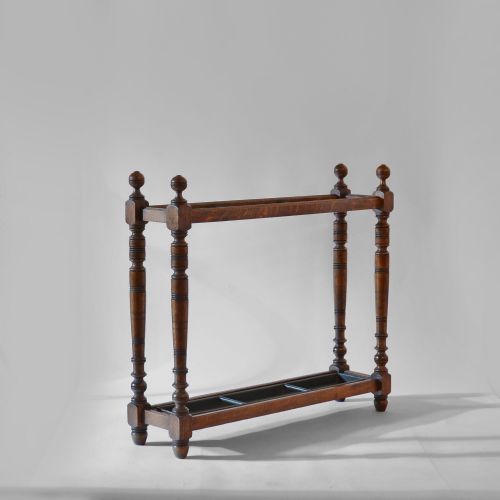
An edwardian stick holder serves as a practical hallway fixture designed to contain walking sticks, canes and umbrellas. These pieces appear most frequently in oak or brass, often incorporating metal drip trays to catch rainwater from wet items.
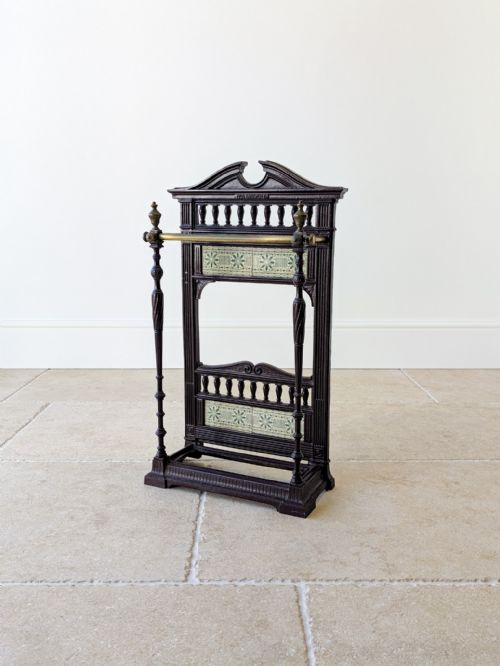
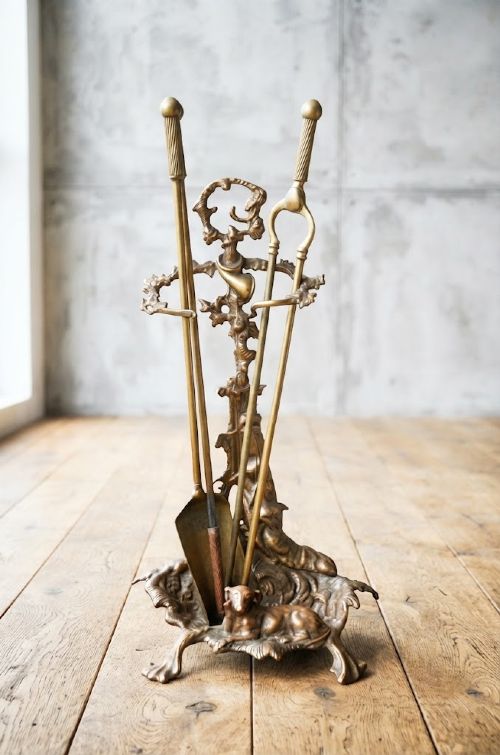
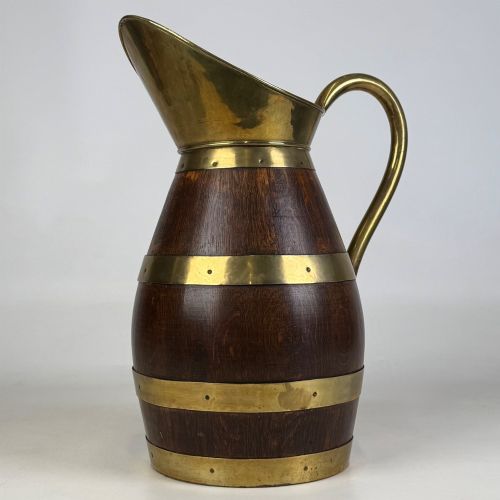
The selections here range from compact square leg designs to larger hall stands with integrated umbrella compartments. Examples span utilitarian oak barrels bound in metal to decorative cast iron and brass frames reflecting the tastes of the period.
Makers of the era utilised various regional aesthetics, producing items that cross paths with Arts and Crafts simplicity and Aesthetic Movement styling. Buyers encounter both dedicated stands and multi-purpose hall furniture sharing the same function.
Materials and construction
Makers built these pieces primarily from solid timber such as oak and mahogany, alongside durable metals including brass, cast iron, copper and pewter. Wooden bodies frequently feature internal metal liners or trays to manage moisture.
Construction methods relied on traditional joinery for wooden frames, while metal components involved casting, pressing and riveting. Brass bands and decorative finials secure the structure and add functional weight to the base.
Certain heavy iron stands wear a dog tooth tray design, ensuring wet umbrellas face a sharp reception.
Variations in quality
Quality rests on the weight and gauge of the materials employed, from heavy cast iron and thick brass to dense quarter-sawn oak. Substantial metalwork and robust framing indicate superior manufacture.
Execution of detail defines the higher grade pieces, visible in crisp casting work on iron frames, secure joinery on wooden compartments, and well-fitted original drip trays rather than later replacements.
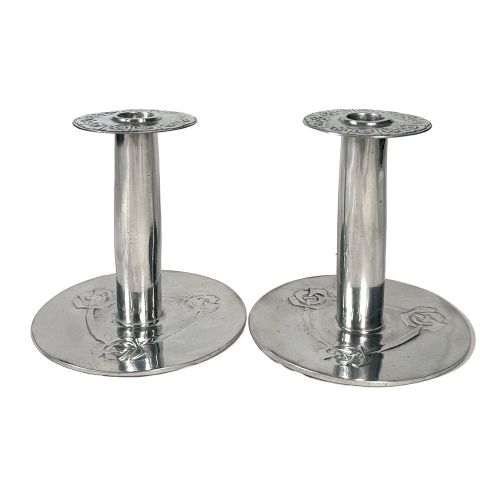
Coalbrookdale·Burmantofts Faience·Archibald Knox for Liberty and Co·Mappin and Webb
The Edwardian Stick Holder Glossary
- Drip tray
- A shallow metal pan placed beneath the stick holder to catch water running off wet umbrellas. These trays are removable for emptying and cleaning.
- Demi lune
- A half-moon shape allowing the stand to sit flush against a hallway wall. This profile saves floor space in narrow entryways.
- Arts and Crafts
- A design movement prioritising honest construction, visible handcraft and solid materials over mass-produced ornamentation. Pieces in this style utilise plain oak and hammered metal.
- Aesthetic movement
- A late nineteenth century design approach focusing on visual beauty and artistic styling rather than narrative meaning. It appears in pottery inserts and stylised metalwork.
- Japanned
- A European imitation of East Asian lacquerwork achieved through layered varnish finishes. This technique produces a dark, glossy surface on select wooden stands.
Edwardian Stick Holder: Frequently Asked Questions
Where do you put a stick holder?
These pieces belong in the hallway or entrance lobby where household members and visitors deposit outdoor gear upon entering the home.
Their compact footprints allow them to stand neatly beside a doorway or beneath a hall mirror without blocking passage.
How do you clean brass parts?
Maintenance requires a soft cloth and mild soapy water to remove dust and dirt from the metal surfaces without harsh abrasion.
Harsh chemical polishes should be avoided to preserve the historic patination accumulated over decades of use.
Are these stands waterproof?
The presence of original metal drip trays or internal liners means the base handles damp umbrellas without damaging the surrounding floorboards.
Wooden frames remain safe from standing water as long as the internal metal pans stay intact and free of cracks.
How do I spot an Edwardian piece?
Dating relies on timber selection, typically golden oak or mahogany, combined with design motifs leaning toward straightforward utility or gentle Arts and Crafts influence.
Hardware details like brass banding and cast iron framing provide further chronological clues matching the turn of the twentieth century.