





Edwardian Sterling Silver Pincushion
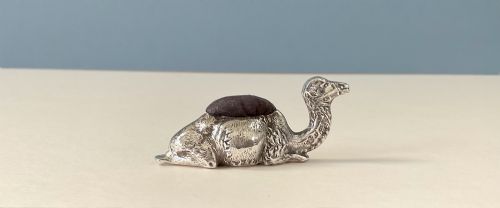
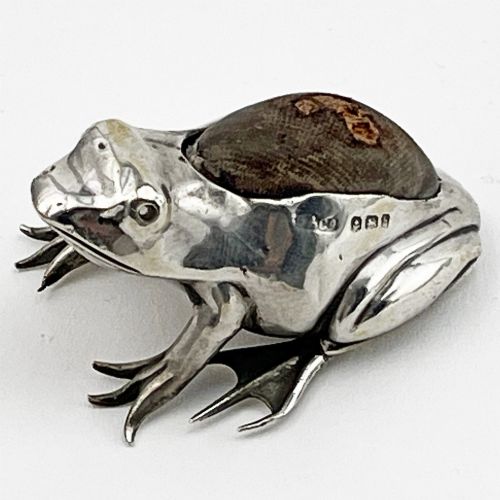
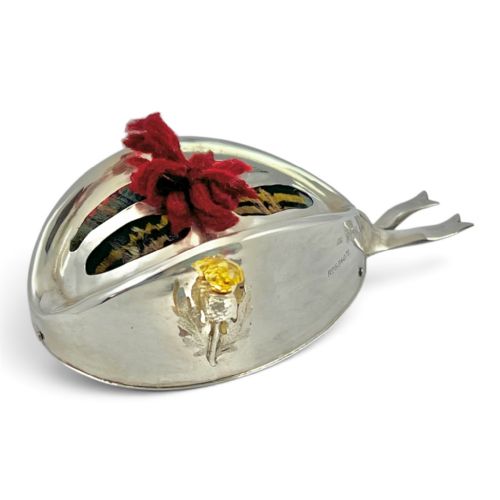
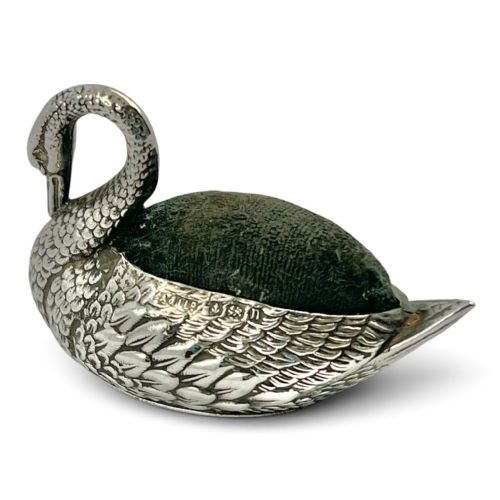
These edwardian sterling silver pincushion pieces combine miniature silver modelling with tactile velvet and fabric pads.
Edwardian Sterling Silver Pincushion
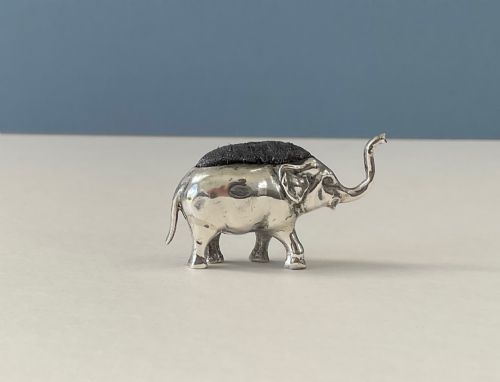
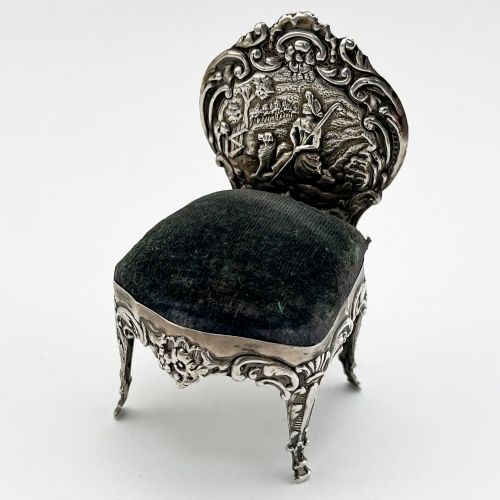
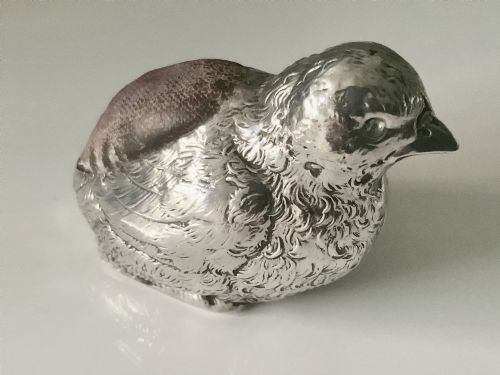
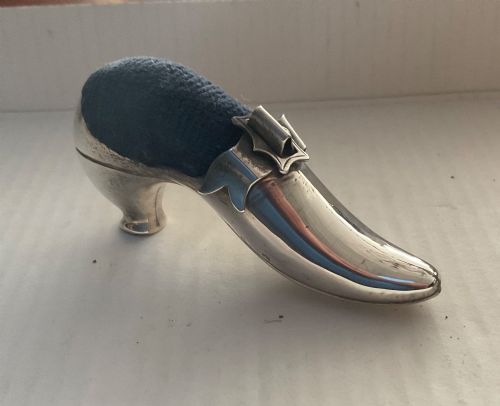
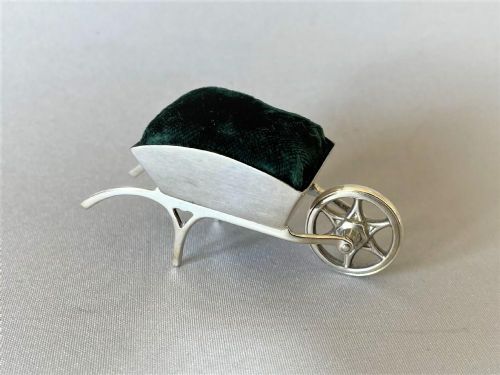
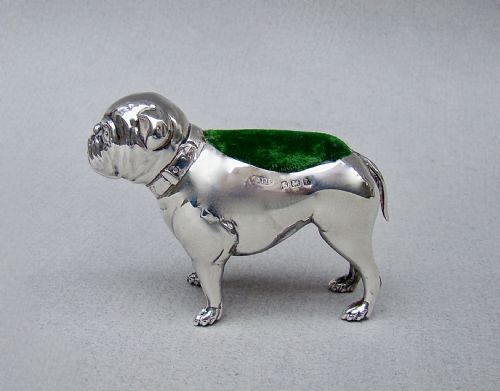
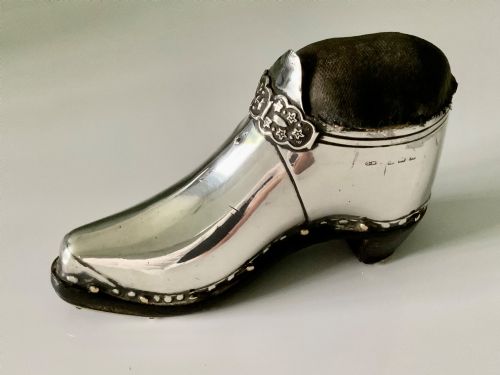
An edwardian sterling silver pincushion takes the form of animals, birds, footwear and everyday objects designed to sit on a dressing table. The material record centres on sterling silver formed into novelty shapes, paired with coloured velvet, felt, fabric or wool inserts.
Makers of the period produced miniature chairs, shoes, boots, animals and transport items alongside more functional stands. Pieces appear predominantly from the Edwardian era, with occasional examples spanning into the Victorian and George V periods.
Materials and Construction
Fabric inserts made from velvet, felt or wool were stretched tightly over internal stuffing and secured into the silver mounts. Mother of pearl elements and glass accents appear on specific designs to add contrast.
Edwardian Sterling Silver Pincushion Retail Price Guide 2026
Typical asking prices for edwardian sterling silver pincushion among the pieces listed under this phrase on Sellingantiques today, from the lower quarter to the upper quarter. They describe what is for sale here now, not the wider market.
Silversmiths immortalised the domestic hedgehog and the railway lamp as tiny places to park your sewing pins.
Quality and Craftsmanship
The choice and preservation of the original velvet or fabric pad affect the overall integrity of the object. Firmly packed inserts that match the proportions of the silver housing represent superior workshops.
Adie & Lovekin·Sampson Mordan & Co.·Artificer's Guild
The Edwardian Sterling Silver Pincushion Glossary
- Sterling silver
- A silver alloy containing 92.5 percent pure silver and 7.5 percent other metals, typically copper. This standard composition provides the durability required for detailed miniature work.
- Novelty pincushion
- A sewing accessory shaped to resemble an animal, vehicle, or familiar object rather than a standard cushion. These items were popular desk and dressing table ornaments.
- Chasing
- A metalsmithing technique where a hammer and punches move and texture the surface of the silver without removing metal. This method creates the tactile fur, feathers, and decorative lines.
- Hallmark
- A series of official marks stamped on precious metals indicating the standard of purity, the assay office, and the date letter. These stamps verify the period and origin of the piece.
- Velvet
- A woven tufted fabric with a dense, short pile that provides the traditional contrasting texture for pin insertion. It appears frequently in red, blue, and other rich tones.
Edwardian Sterling Silver Pincushion: Frequently Asked Questions
What are edwardian sterling silver pincushions?
These items are small decorative sewing accessories fashioned from sterling silver into whimsical shapes like animals, birds, and shoes. They combine metalwork with a fabric pad designed to hold pins.
Craftsmen produced them in numerous novelty forms to serve as functional dressing table ornaments during the early twentieth century.
How were pincushions used?
Owners placed them on dressing tables, sewing desks, or sideboards to keep pins close at hand during tailoring or daily dressing. The fabric insert protected pin points while holding them securely.
Many designs doubled as decorative novelties to amuse guests and display the owner's taste in miniature silver.
How do I identify an Edwardian piece?
Examination of the hallmarks stamped on the silver reveals the assay office and date letter corresponding to the Edwardian period. Stylistic details such as realistic animal modelling also point to this era.
Makers active during the reigns of Edward VII and George V produced the majority of these figural items.
How should I care for silver and velvet?
Gentle dusting with a soft cloth preserves the silver surface without wearing away fine engraved details like fur and feathers. Avoid liquid polishes that might seep into the fabric inserts.
Keep the fabric pads dry and away from direct sunlight to prevent fading of the original velvet, wool, or felt.