
Edwardian Sterling Silver Dish
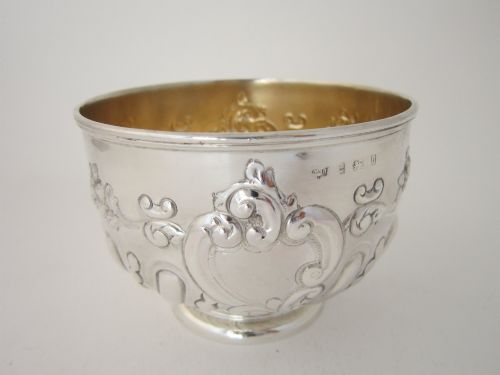
When you look for an edwardian sterling silver dish, you find intricate bowls, baskets, and trinket boxes forged during a prosperous era of silversmithing.
Edwardian Sterling Silver Dish
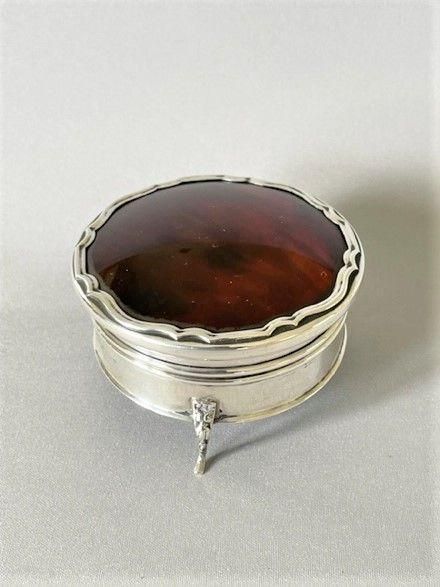
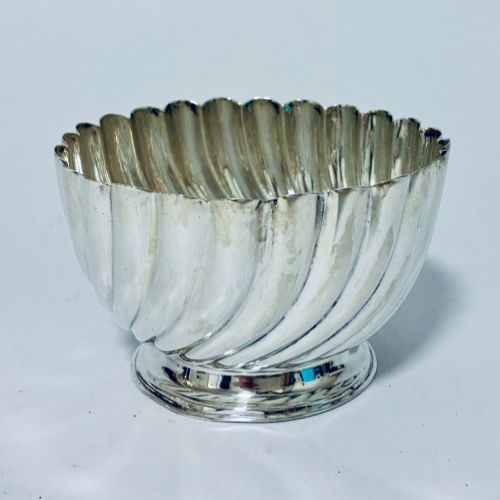
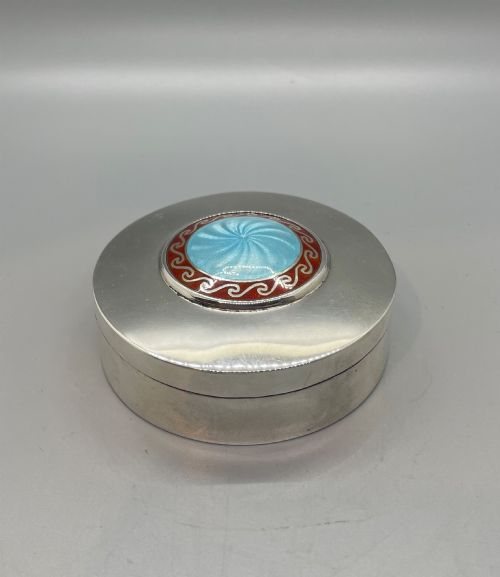
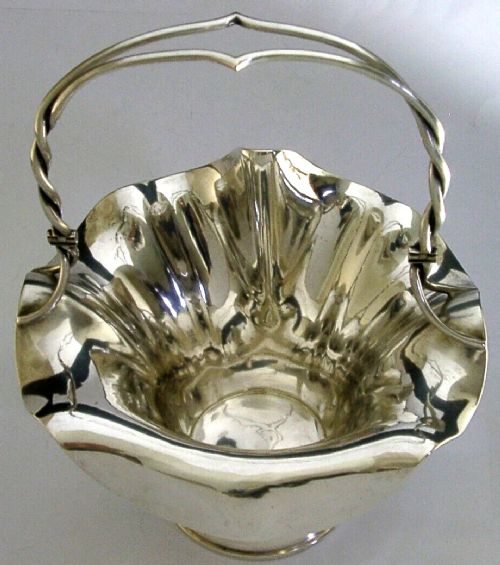
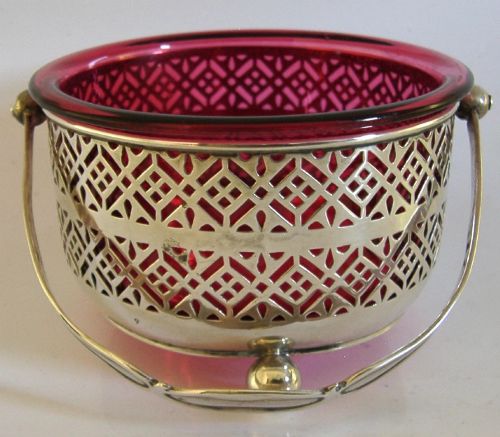
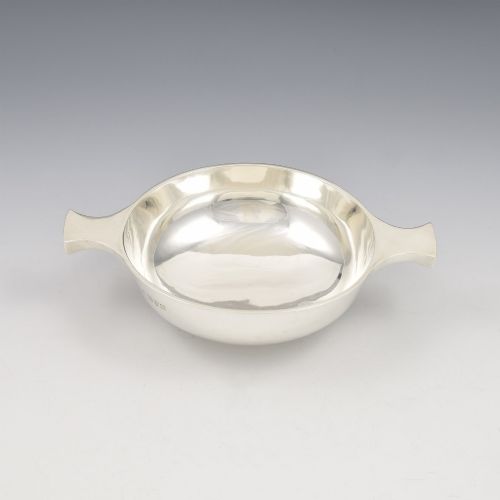
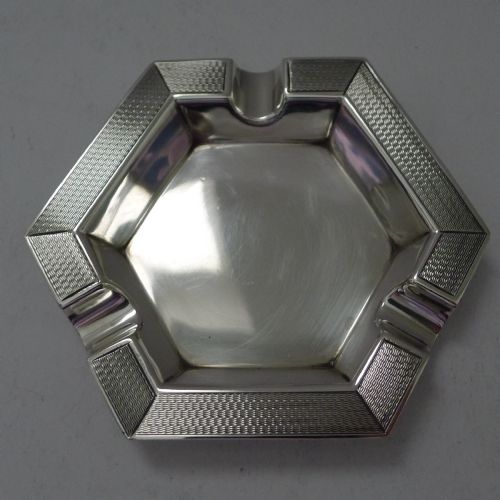
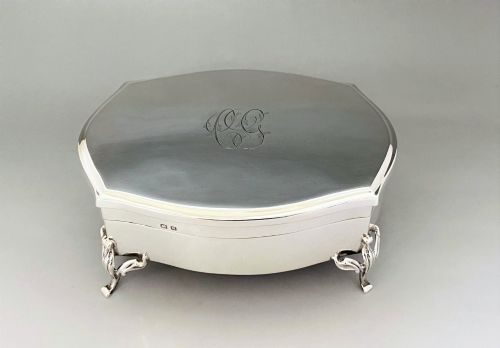
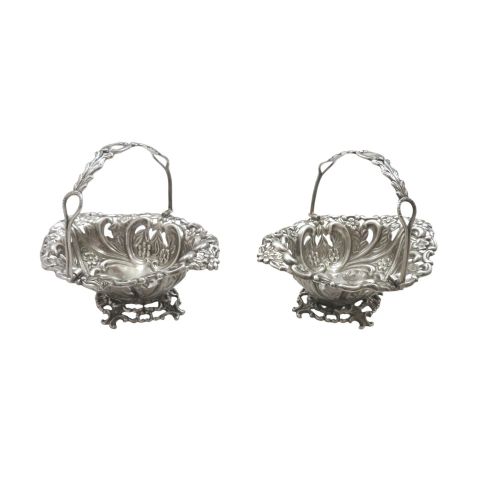
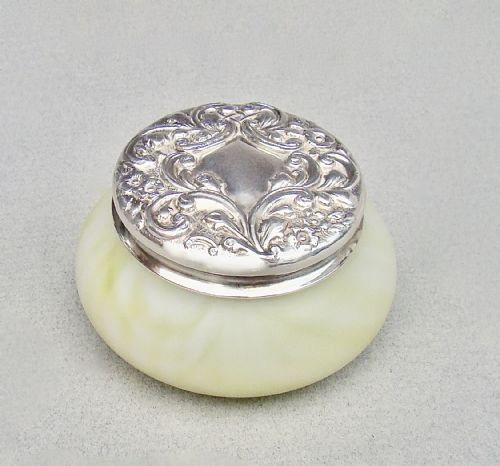
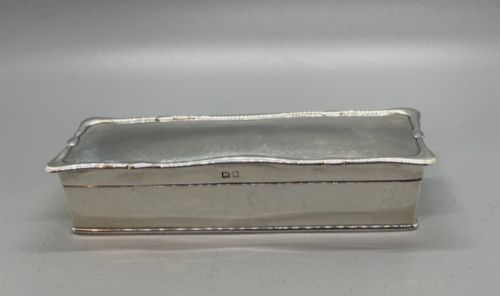
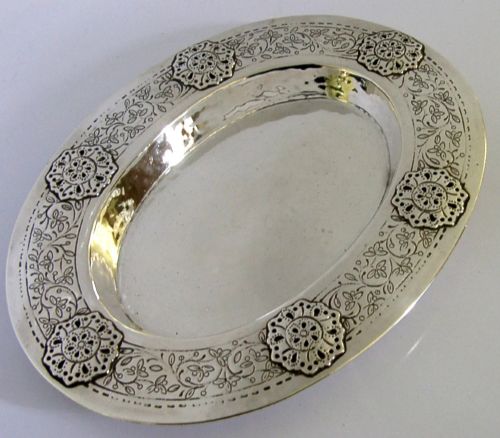
An edwardian sterling silver dish encompasses a wide variety of domestic silver items, ranging from open table bowls and pierced fruit baskets to butter dishes and lidded trinket boxes. Many pieces survive from the early twentieth century alongside adjacent Victorian and George V examples.
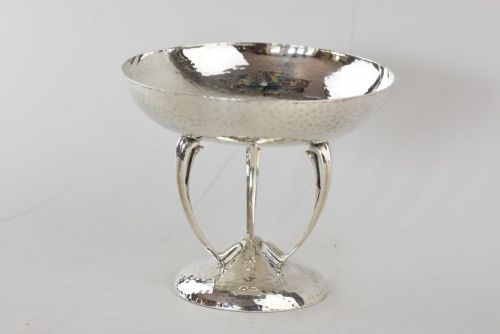
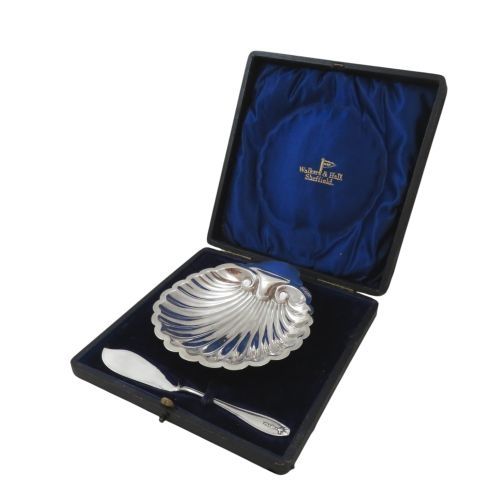
Buyers frequently encounter swing-handled baskets, tazzas on pedestal feet, and shell-shaped butter dishes complete with fitted glass liners or matching knives. Workshops also produced specialised forms such as ring trees, card trays, and Masonic bowls.
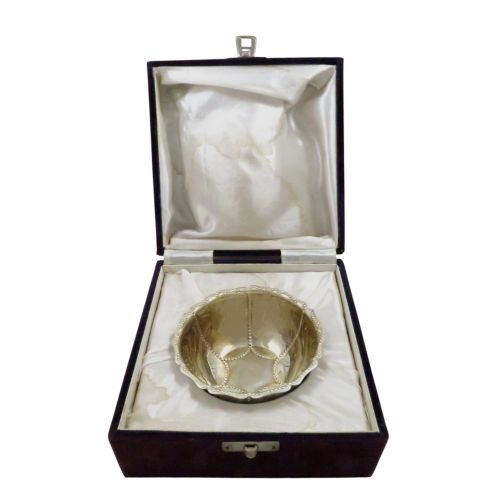
The objects reflect the varied social rituals of the period, serving variously for table presentation, vanity display, or gift-giving in fitted presentation cases.
How They Were Made
Silversmiths utilised solid sterling silver, often shaping metal through hammering, piercing, and repoussé techniques to create floral patterns or geometric Art Nouveau motifs. Workshops combined the lustrous silver with contrasting materials including tortoiseshell, enamel, crystal, and coloured glass liners.
Makers integrated organic elements like silk, satin glass, and velvet into fitted boxes and interior compartments to cushion delicate items. Sturdy construction methods ensured that heavy fruit bowls and pedestal dishes could support daily household utility.
Listings feature sterling silver combined with cranberry glass, satin glass, tortoiseshell, and cobalt glass liners across multiple design movements.
What Varies in Quality
The calibre of an edwardian sterling silver dish depends heavily on the depth and crispness of the chased or repoussé decoration, as well as the weight of the metal used in the body. Substantial gauge silver resists distortion and holds intricate piercing work far more cleanly than thin press-formed sheets.
Association with notable retailers or specific makers elevates a piece, as does the survival of original components such as cranberry glass inserts, fitted presentation cases, and matching glass or silver accessories.
Nathan and Hayes·William Neale·Goldsmiths and Silversmiths Company·A. Bromet and Co·Liberty and Co·Tiffany and Co·Charles Boyton·William Comyns·Robert Pringle and Sons·Hawksworth Eyre and Co·Mappin and Webb
The Edwardian Sterling Silver Dish Glossary
- Sterling silver
- An alloy consisting of pure silver and other metals, traditionally standardised at high purity for British hallmarked tableware.
- Pierced
- A decorative technique where metal is cut through to create openwork patterns such as lattices, scrolls, or stylised foliage.
- Repoussé
- A method of shaping metal by hammering the reverse side to form raised decorative reliefs on the front.
- Tazza
- A small shallow bowl or dish raised on a pedestal foot and a single column, often used for serving fruit or sweets.
- Quaich
- A traditional two-handled drinking vessel or shallow bowl originating in Scotland, occasionally adapted in silver as a presentation dish.
Edwardian Sterling Silver Dish: Frequently Asked Questions
How do I clean my silver dish?
Use a soft microfibre cloth and specialised silver polish to remove tarnish gently without abrading the surface details or piercing work.
Avoid harsh chemical dips, particularly if the item incorporates glass liners, tortoiseshell panels, or fabric velvet interiors that water might damage.
Were these dishes used for food?
Many examples served specific culinary purposes on the dining table, functioning as butter dishes, sugar baskets, sweetmeat bowls, or fruit comports.
Others remained in the parlour or bedroom as card trays, pin dishes, or jewellery receptacles rather than dining ware.
How can I date an edwardian silver dish?
British sterling silver items feature hallmarks stamped directly into the metal, which include city assay marks, date letters, and standard marks indicating the purity.
Comparing the stamped date letter against official hallmarking records provides the exact year of manufacture and the assay office responsible.
What is the difference between a basket and a bowl?
Baskets typically feature a fixed or swing handle attached to the rim, designed for carrying or presenting items like fruit and small cakes.
Bowls rely on a stable base, foot ring, or pedestal stand, functioning primarily as stationary decorative centrepieces or serving dishes.