




Antique Silver Butter Dish
These antique silver butter dish examples combine practical dining history with fine metalwork, offering collectors a tactile piece of the table.
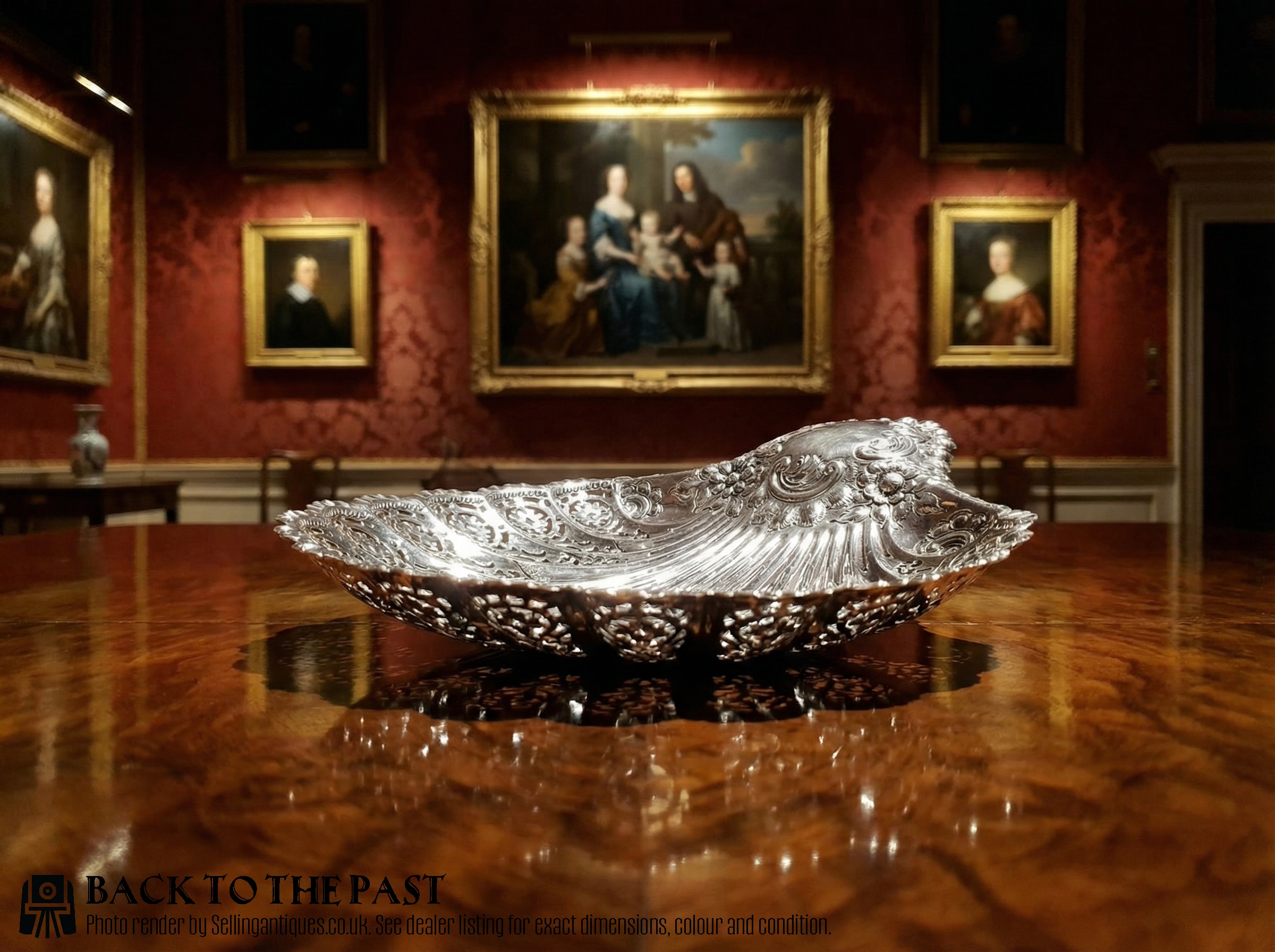
The Form and Period of the Antique Silver Butter Dish
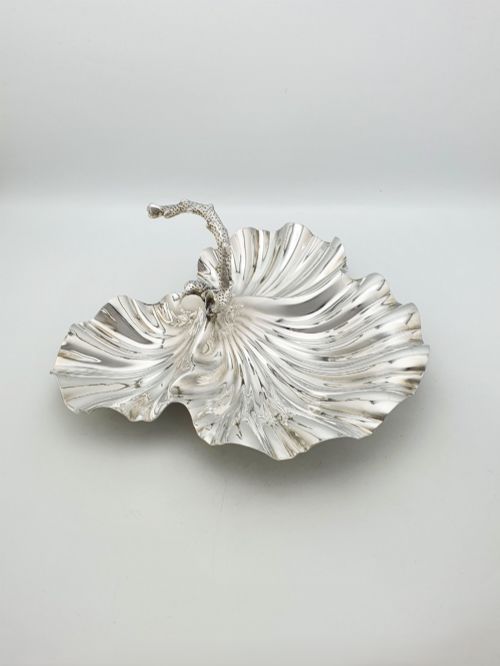
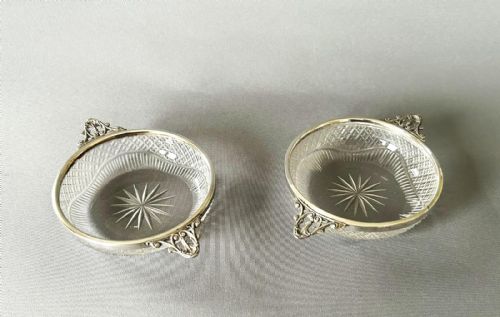
An antique silver butter dish serves dairy at the dining table, appearing in forms ranging from naturalistic shells to lidded vessels with glass inserts. Collectors encounter these items spanning the Georgian, Victorian, and Edwardian periods, alongside nineteenth-century silver-plated versions.
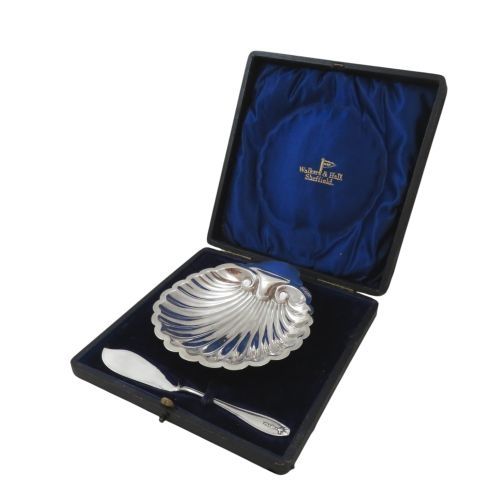
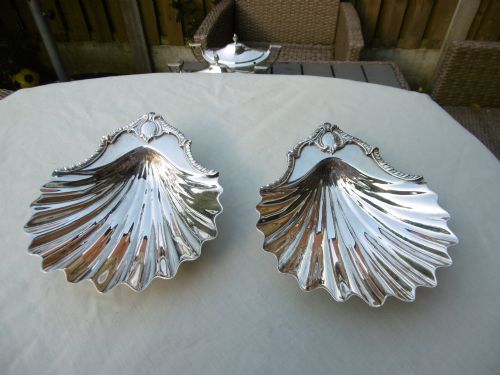
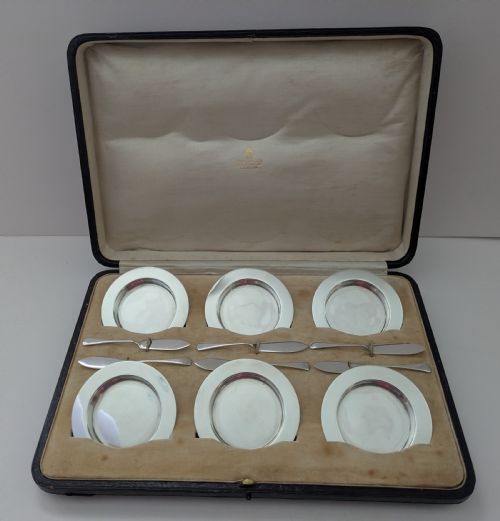
The Edwardian iterations often arrive complete with fitted presentation cases, silk linings, and matched knives. Shell motifs dominate the design lineage, executed both as individual dishes and matched pairs.
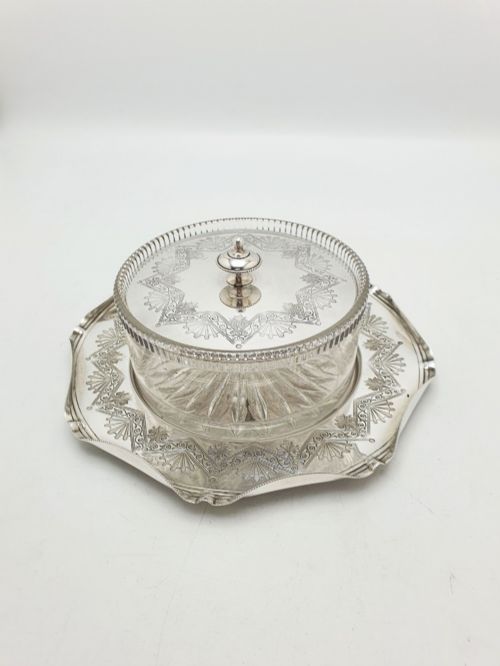
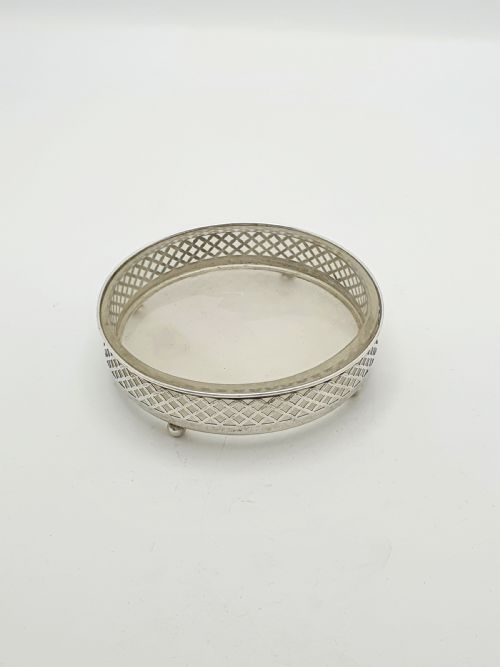
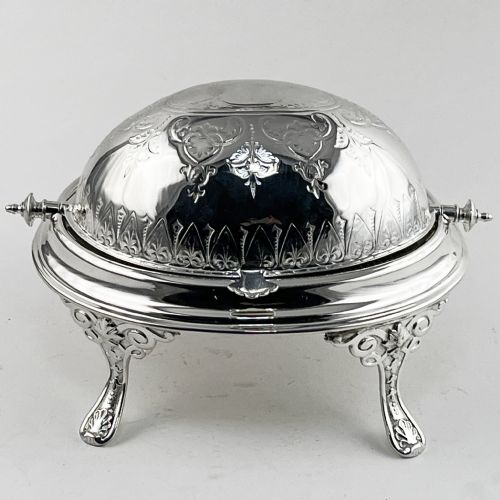
Alternative forms include revolving roll-over mechanisms, cow finials mounted on covers, and cut glass or cobalt blue glass liners cradled in silver or silver plate.
Materials and Construction Techniques
Silversmiths utilised sterling silver and silver plate, frequently pairing the metal with cobalt blue glass, cut crystal, pottery, oak, tortoiseshell, and leather. Cases lined with velvet and silk housed the more delicate cased sets.
Manufacturing methods encompassed cast forms for realistic shell and giant clam designs, chased ornamentation, and engraved decoration. Glass liners were blown or moulded to fit the contours of the metal frames.
Several nineteenth-century butter dishes feature a small cow resting contentedly upon the lid as a functional finial.
Distinctions in Quality and Execution
Quality rests upon the crispness of the casting, particularly in naturalistic shell subjects and figurative elements like cherubs, butterflies, and cow finials. Heavy gauge solid silver commands greater technical respect than silver plate, though makers such as Elkington achieved high standards in plated wares.
The survival of original components, including matching knives, glass inserts, and fitted presentation cases with intact silk and velvet interiors, elevates an example.
The Goldsmiths & Silversmiths·Elkington & Co·Stephen Smith·Mary Sibley & Richard Sibley·William Plumber·Martin Hall·Josiah Williams & Co
The Antique Silver Butter Dish Glossary
- Shell
- A design motif shaped like a marine bivalve, frequently utilised for butter and salt dishes during the Georgian and Victorian eras.
- Silver Plate
- A base metal coated with a layer of silver, common in nineteenth-century utilitarian tableware and complex revolving dish mechanisms.
- Glass Liner
- A removable vessel of cobalt blue or clear cut glass placed inside the metal dish to hold the butter directly.
- Finial
- A decorative knob or figure mounted on the lid of a dish, often rendered as a cow in nineteenth-century examples.
- Cased
- Presented in a fitted box lined with materials like silk and velvet, designed for safe storage and gift-giving.
Frequently Asked Questions
What were antique silver butter dishes used for?
These dishes held butter on the dining table during formal meals, keeping the dairy cool and presented attractively for guests.
Wealthy households utilised them as part of larger silver table services, often accompanied by dedicated small knives.
How do you date an antique silver butter dish?
Dating relies on hallmarks stamped into solid silver pieces, which indicate the assay office, year letter, and maker. Stylistic clues like Victorian gothic influences or Edwardian cased presentation also help narrow the decade.
Silver-plated items lack official date hallmarks, requiring stylistic comparison with known manufacturing periods and patents.
Are glass liners original to the dish?
Original glass liners fit the inner contours of the silver framework precisely, matching the period manufacturing techniques. Cobalt blue glass and cut crystal liners were standard components in many nineteenth-century designs.
Replacements remain common due to the fragile nature of glass over centuries of domestic use.