


Sterling Silver Scallop Dish
These sterling silver scallop dish examples bring classic shell forms and bright precious metal to the table.
Sterling Silver Scallop Dish
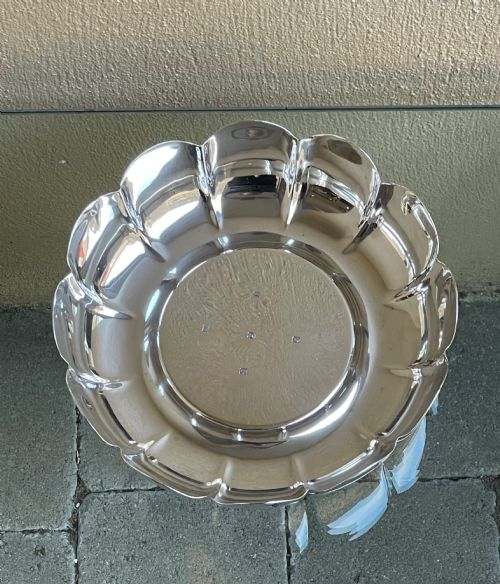
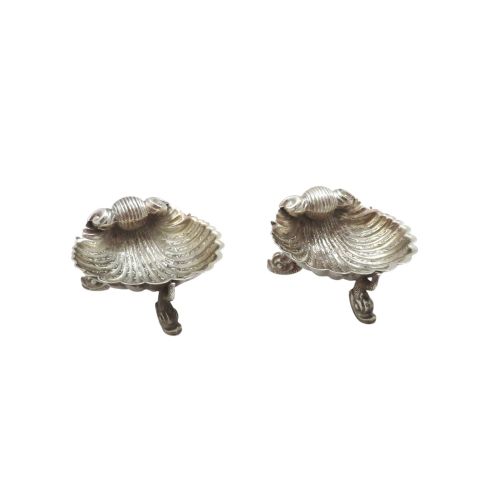
A sterling silver scallop dish takes the natural fluted form of a sea shell and translates it into functional tableware. Buyers seeking a sterling silver scallop dish encounter various domestic forms including individual salt cellars, butter dishes, and larger serving bowls.
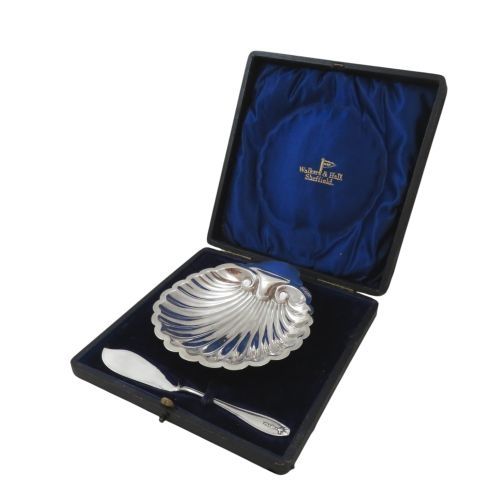
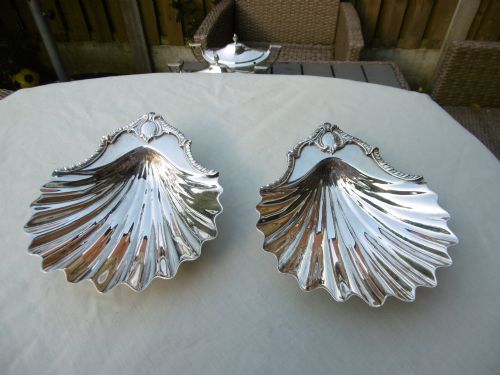
The pieces on offer span multiple eras, showing the enduring appeal of marine motifs from the Georgian period through to the mid-twentieth century. Early examples often appear in matched pairs or small sets intended for the dining table, complete with fitted cases in some instances.
Makers adapted the natural asymmetry and curves of shells to serve practical roles, utilising hinged supports, small ball feet, or resting directly on the fluted tips. These items range from simple domestic utility pieces to ornate Rococo Revival designs featuring chased details and gilt interiors.
Materials and construction methods
Silversmiths constructed these items using solid sterling silver, often hammering, casting, or pressing the metal to capture the distinct ribs and curved edges of scallop shells. Many examples feature silver gilt or gold gilt finishes applied to the interior surfaces to protect the silver from acidic foods like butter or fruit.
Fitted presentation cases lined with materials such as silk, velvet, and leather indicate that many of these sets were intended as luxury gifts or formal dining accessories. The incorporation of these textiles alongside the heavy silverwork demonstrates high levels of craftsmanship during the Georgian, Victorian, and Edwardian periods.
Factors of distinction
Quality in these items is visible in the crispness of the chased ribbing and the weight of the solid silver used to form the shell curves. Finer pieces maintain structural integrity without excessive thinning at the fragile fluted edges, while simpler examples rely on standard pressing techniques.
The presence of original fitted cases lined in silk and velvet elevates certain matched pairs and sets, preserving the pieces alongside their period storage. Maker marks from notable workshops also distinguish exceptional examples from standard domestic tableware.
William Plummer·The Goldsmiths & Silversmiths·Tiffany & Co·Edward Farrell·Thomas Smily·J T Younge·Walker & Crowder
The Sterling Silver Scallop Dish Glossary
- Sterling silver
- An alloy consisting of pure silver and other metals, usually copper, to increase durability while maintaining a bright appearance.
- Silver gilt
- Sterling silver that has been coated with a thin layer of gold on the surface, often applied to the interior bowl of a salt cellar.
- Rococo Revival
- A nineteenth-century design style that revives the ornate, asymmetrical scrollwork and natural motifs of the eighteenth-century Rococo period.
- Salt cellar
- A small open vessel used to hold salt at the dining table, frequently fashioned in the shape of a shell during the Georgian and Victorian eras.
- Butter dish
- A small tableware vessel designed to hold butter, often produced in matching pairs or larger dining sets.
Sterling Silver Scallop Dish: Frequently Asked Questions
What were sterling silver scallop dish items used for?
These pieces served practical functions on the dining table, holding portions of butter, salt, or small servings of food during formal meals. Their shell shape suited them well for individual condiment service.
Over time, many of these items transitioned from active dining service into display pieces or protected keepsakes housed within velvet and silk-lined presentation boxes.
How do I date an antique silver shell dish?
Dating relies heavily on hallmarks stamped into the silver, which indicate the assay office, the specific year of manufacture, and the maker's mark. Stylistic clues such as Rococo Revival scrollwork or simpler Edwardian forms also help narrow the period.
Examining the construction methods, such as cast versus pressed metal and the presence of original fitted leather and velvet cases, provides further context for the age of the piece.
Are these silver dishes safe to use for food?
Solid silver possesses natural antimicrobial properties, making historical tableware physically suitable for serving dry foods or butter. Many examples feature gilt interiors that provide an extra barrier against acidic foods.
Careful hand washing with mild soap and specialised silver polish prevents tarnish build-up while preserving the delicate chased details and structural integrity of the metal.
Why do some shell dishes come in pairs or sets?
Dining customs from the Georgian and Victorian periods required symmetrical table settings, leading silversmiths to produce salt cellars and butter dishes in matching pairs or multi-piece sets. These matched groups allowed hosts to serve multiple guests uniformly.
Sets often survived together inside custom fitted cases lined with silk and velvet, protecting the collection from damage and keeping the matched components united over generations.