
Edwardian Sterling Dish
An edwardian sterling dish brings tactile elegance to a dressing table or dining surface through polished precious metal and glass.
Edwardian Sterling Dish
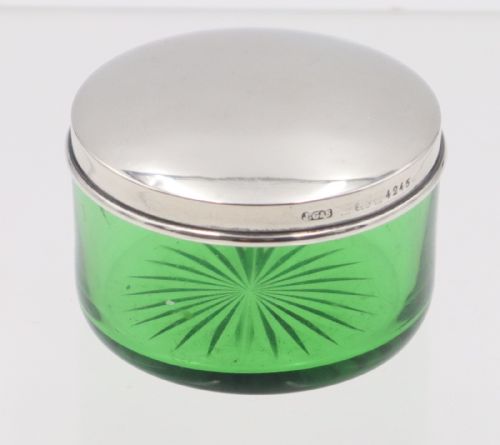
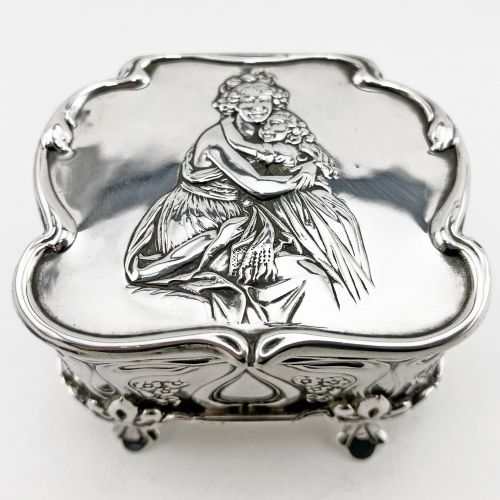
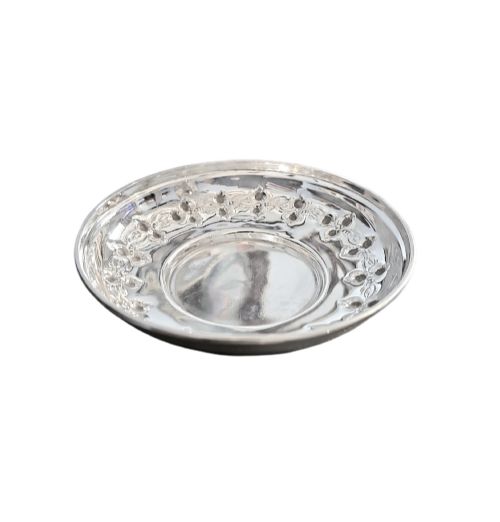
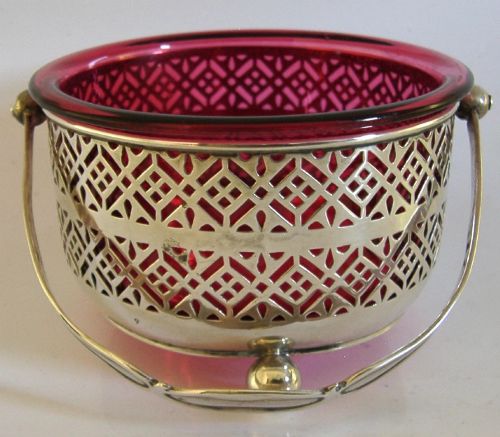
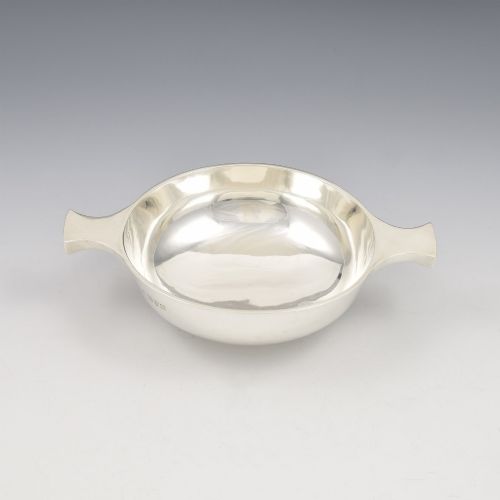
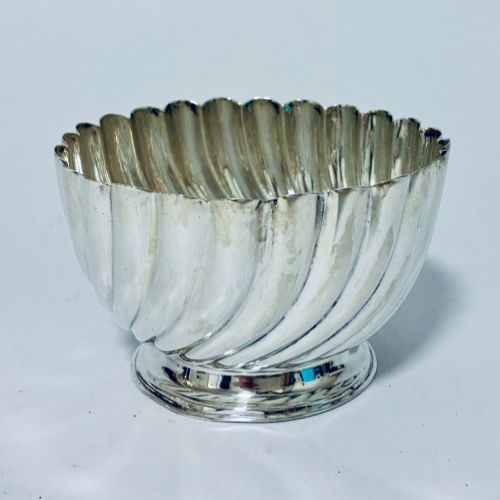
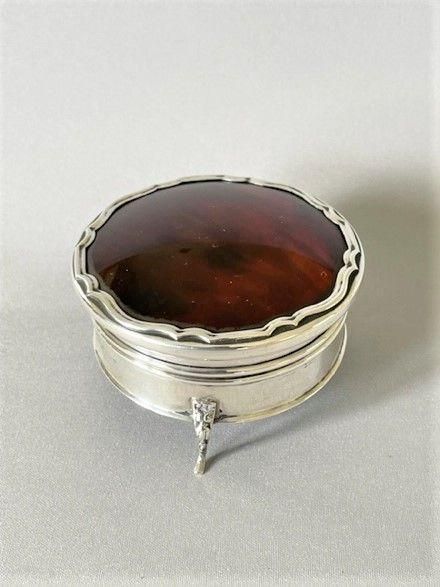
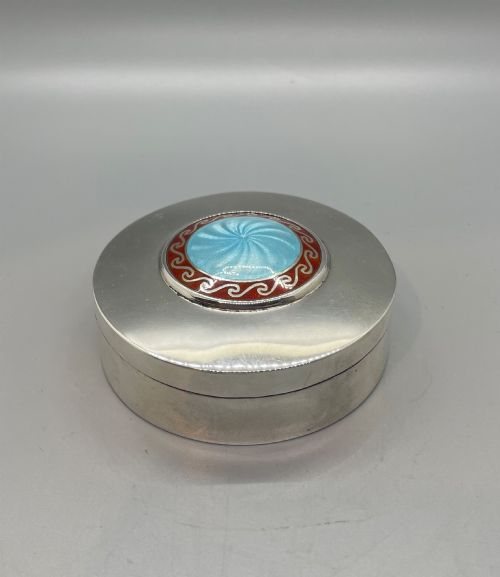
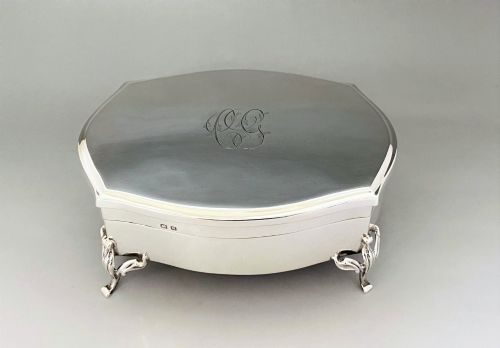
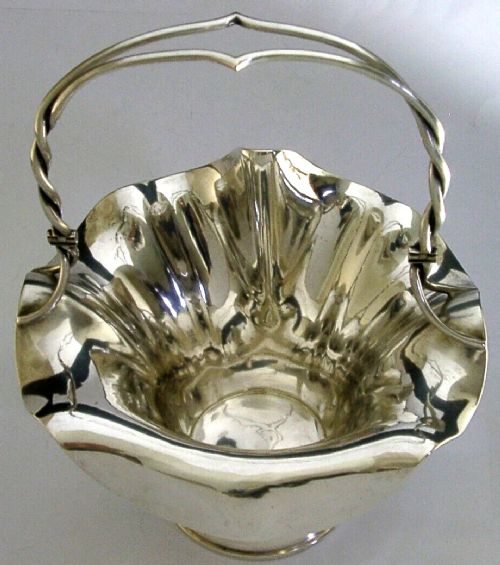
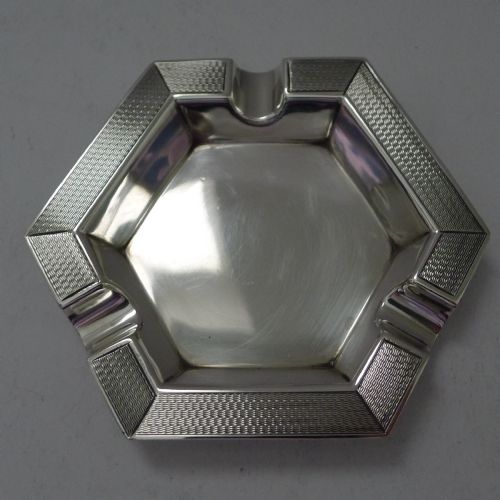
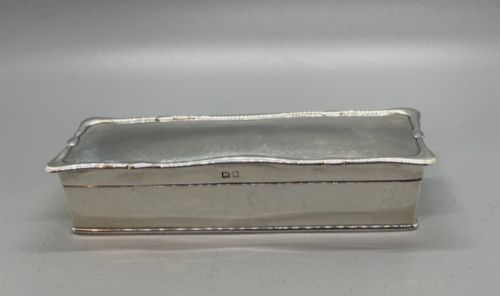
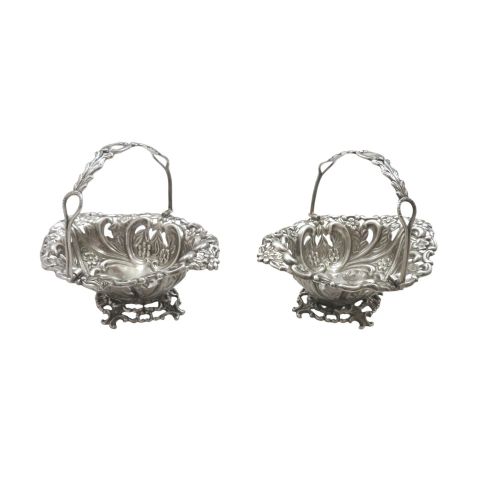
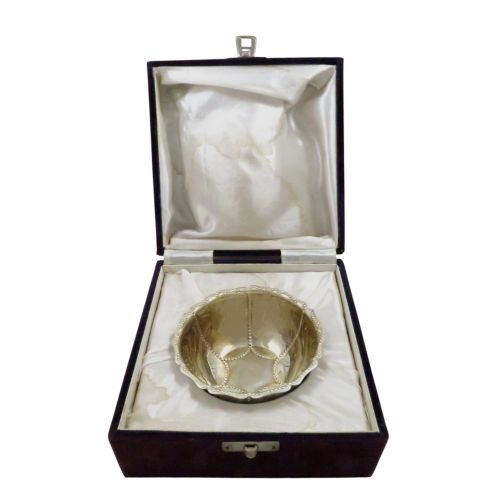
When you search for an edwardian sterling dish, you encounter a varied selection of vessels designed for display, dining, and personal grooming. The pieces on this page span trinket boxes, decorative bowls, baskets, ashtrays, and handled dishes produced during the early twentieth century. Most examples date from the Edwardian period itself, alongside related items from late Victorian and subsequent George V years.
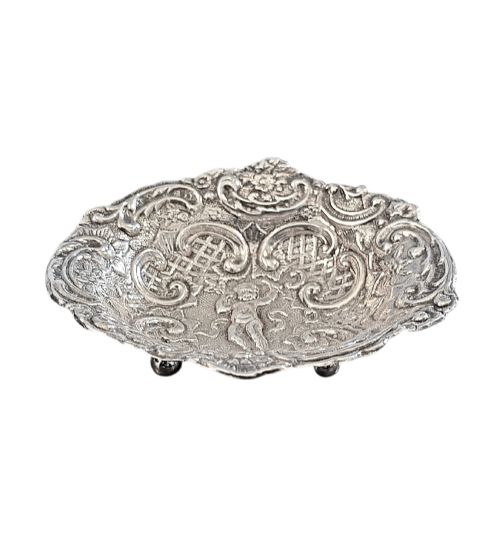
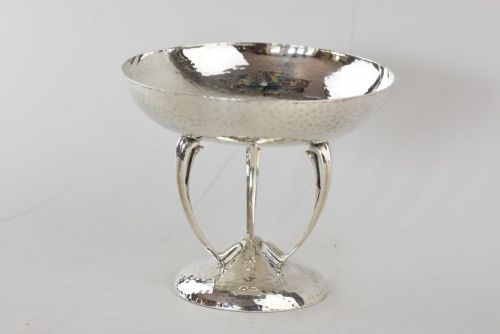
The forms range from small pin dishes and butter plates to substantial centrepieces and fitted boxes lined with velvet or silk. Stylistically, the selection embraces classic Edwardian rococo revival, fluid Art Nouveau lines, geometric Art Deco accents, and the hand-hammered textures of the Arts and Crafts movement. Collectors find both open dishes and lidded vessels, some resting on pedestal feet or incorporating swing handles.
How they were made
Silversmiths constructed these pieces primarily from solid sterling silver, often enhancing surfaces through repoussé work, chasing, and piercing to create raised floral motifs or openwork fretwork. Many items incorporate contrasting materials, pairing silver with tortoiseshell, guilloche enamel, satin glass, cranberry glass, and crystal inserts.
Makers utilised techniques such as hammering by hand, as seen in Arts and Crafts pieces, or cast decorative elements like cherubs and angelic faces onto picture boxes and trays. Interiors frequently received a layer of silver gilt, while glass liners for salt cellars and mustard pots were mouth-blown and fitted to the silver framework.
Listings feature several periods, including Edwardian, Victorian, George V, and Art Deco, alongside materials like tortoiseshell, silk, and cranberry glass.
What varies in quality
The standard of an edwardian sterling dish depends on the weight of the silver used and the crispness of any embossed or chased detail. Heavier gauge metal resists denting and gives a substantial feel in the hand, whereas lighter pieces rely entirely on internal stiffeners or rigidity from their form.
Artistry in ornamentation marks the division between ordinary production and superior craftsmanship. Hand-hammered surfaces, intricate pierced lattices, and well-preserved enamel or tortoiseshell panels demonstrate greater skill from the silversmith than pressed, uniform stamping.
William Aitken·Thomas Bradbury and Sons·Nathan and Hayes·William Neale·Goldsmiths and Silversmiths Company·A Bromet and Co·Liberty and Co·Tiffany and Co·Charles Boyton·William Comyns·Robert Pringle and Sons
The Edwardian Sterling Dish Glossary
- Sterling silver
- A silver alloy containing 92.5 percent pure silver and 7.5 percent other metals, usually copper, chosen for durability.
- Repoussé
- A metalworking technique where the silversmith hammers the metal from the reverse side to form a raised design on the front.
- Guilloche enamel
- Decorative metalwork covered in translucent enamel over an engine-turned geometric pattern etched into the silver.
- Quaich
- A traditional shallow two-handled drinking vessel or small bowl originating in Scotland, adapted in silver during the Edwardian era.
- Tazza
- An ornamental pedestal plate or shallow bowl raised on a foot, used historically for serving small foods or display.
Edwardian Sterling Dish: Frequently Asked Questions
How were silver trinket boxes used?
These lidded vessels sat on dressing tables and desks to hold rings, pins, and small personal valuables out of sight.
Interior linings of velvet or silk cushioned delicate items, while fitted mirrors inside lids assisted with grooming.
What is a swing handled basket?
A small decorative bowl featuring a movable arched handle attached to the rim on pivot pins.
Silversmiths designed these for serving sweets, bonbons, or fruit during formal gatherings.
How do I care for silver dishes?
Polishing with a soft cloth and appropriate silver cleaner removes tarnish without wearing down raised repoussé details.
Keeping pieces away from rubber bands and damp environments prevents rapid re-tarnishing of the metal.
What distinguishes Arts and Crafts silver?
These pieces show visible tool marks and hammered textures rather than the smooth, polished perfection of mass-produced items.
Designers focused on honest craftsmanship and the natural qualities of the metal over revivalist decoration.