

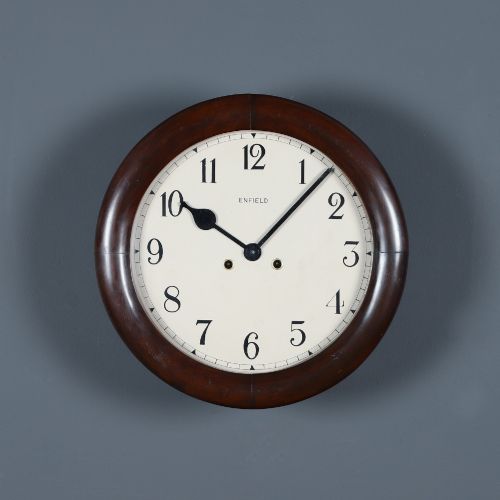
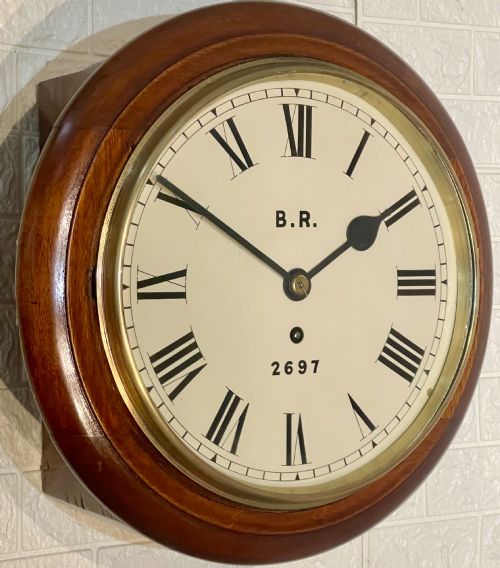
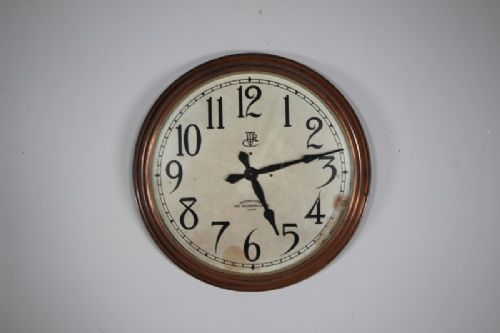
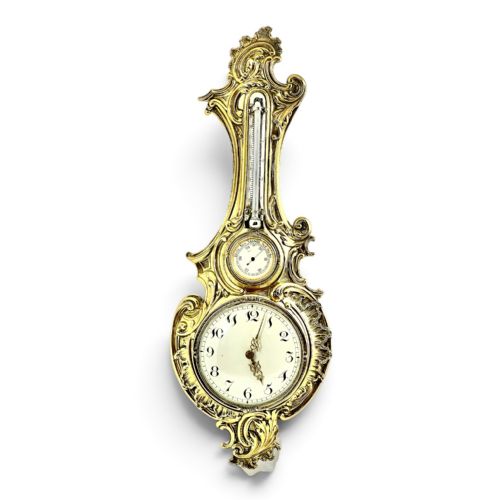
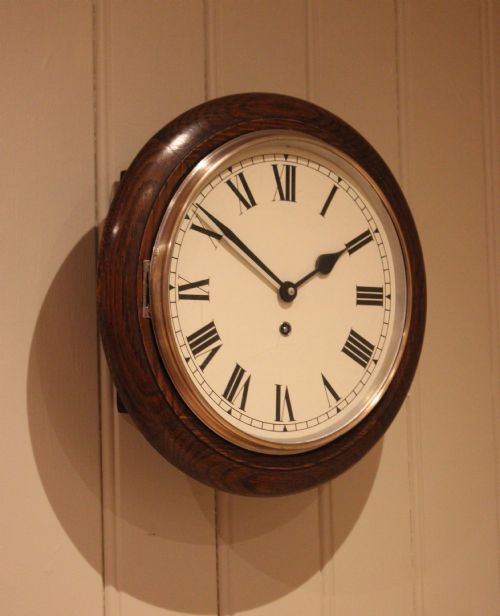
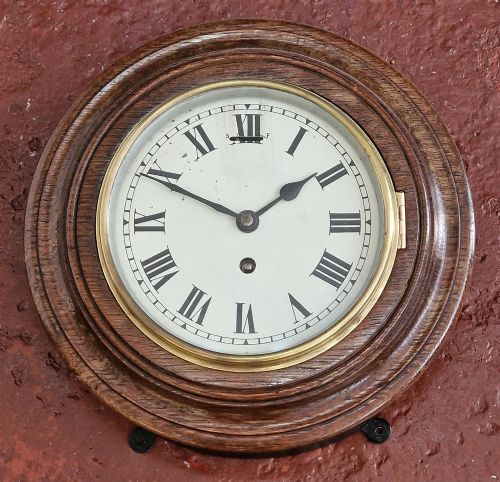
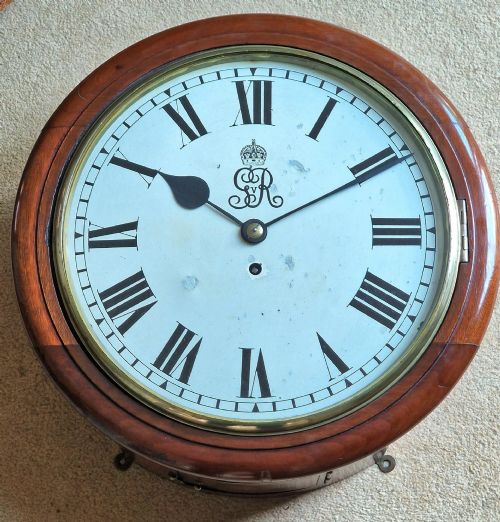
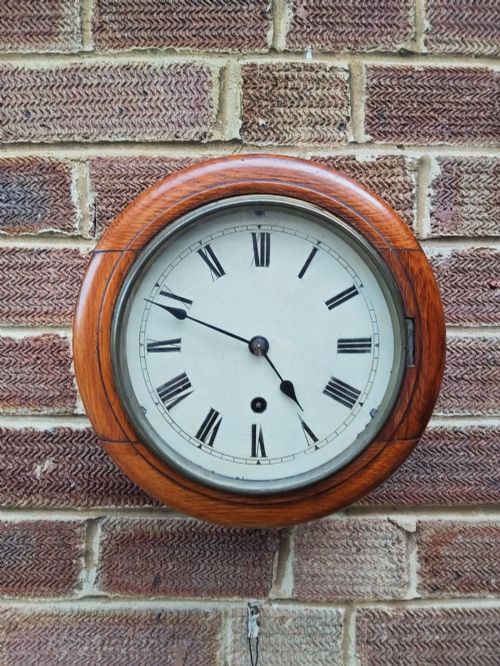


Edwardian Station Clock
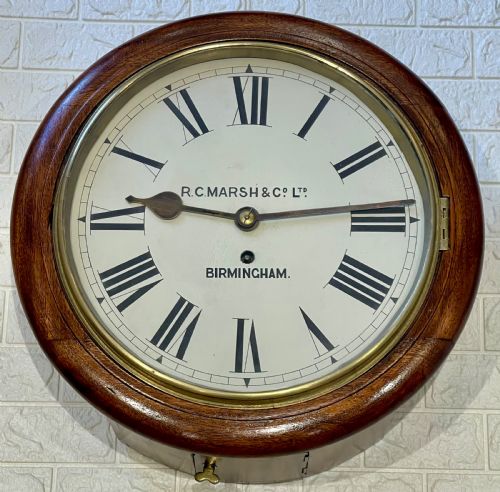
These heavy-cased round dials and brass-trimmed timepieces deliver the unmistakable presence of an edwardian station clock into domestic and commercial interiors.
Edwardian Station Clock
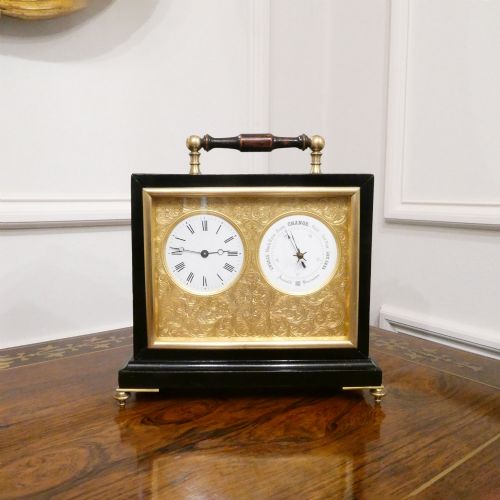
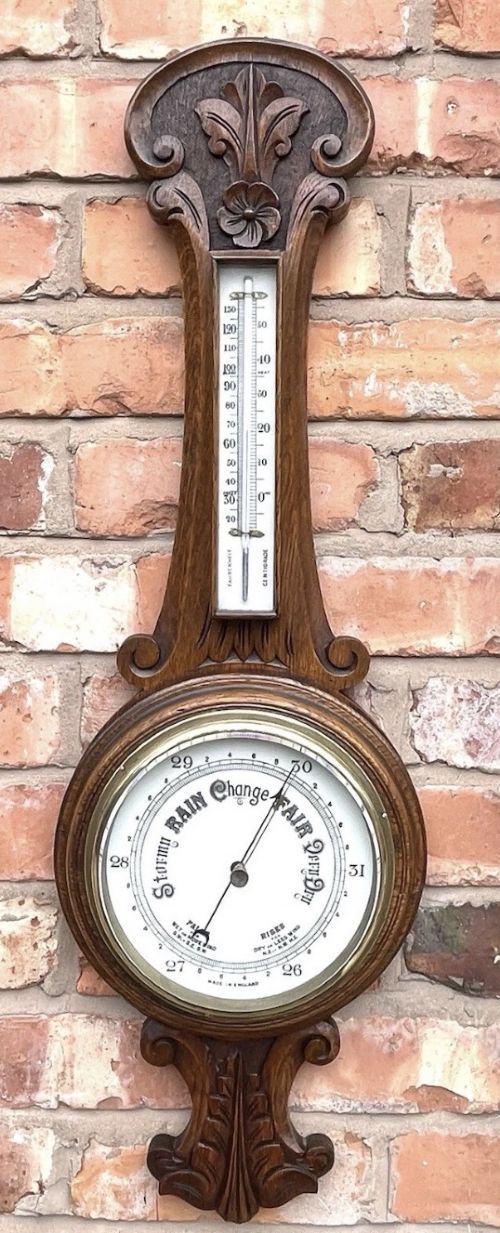
An edwardian station clock is primarily represented on this page by round wall-mounted dial clocks, fusee timepieces, and combined weather instruments originating from the late nineteenth and early twentieth centuries. Buyers searching this phrase look for sturdy, utilitarian timekeepers that served public railways, schools, and offices before finding their way into modern homes.
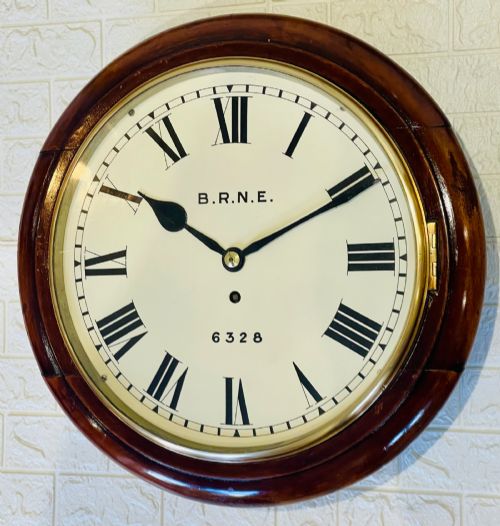
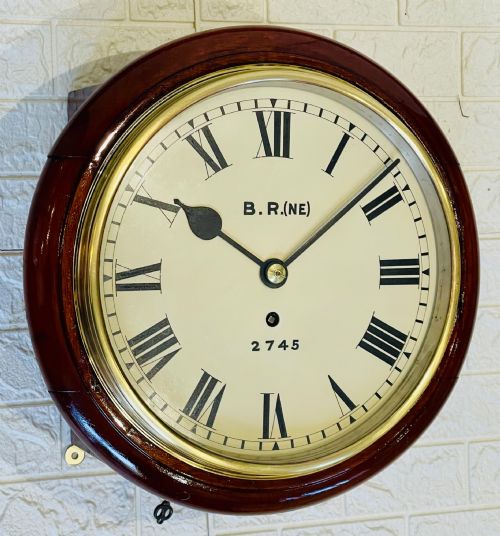
The versions most frequently met here feature clear enamel or painted metal dials protected by heavy brass bezels and thick glass faces. Many carry specific railway company lettering or regional designations on the dial, connecting them directly to the operational history of British transport networks.
Materials and construction methods
The heavy cases utilise robust timbers including oak, mahogany, walnut, and occasionally beech, shaped to house reliable mechanical movements securely on public walls. Brass forms the bezels and internal movement components, while iron provides structural support for the larger hanging mechanisms.
Dial faces combine enamelled metal or painted wood with bold roman or arabic numerals designed for legibility from a distance. Fusee movements predominate in the wall-mounted pieces, employing a conical pulley and chain or cord to maintain steady force as the mainspring unwinds.
Edwardian Station Clock Retail Price Guide 2026
Typical asking prices for edwardian station clock among the pieces listed under this phrase on Sellingantiques today, from the lower quarter to the upper quarter. They describe what is for sale here now, not the wider market.
Several clocks carry the specific names of provincial railway stations, preserving the exact minute they once marked for Victorian commuters.
Distinctions in standard and execution
Quality separates mass-produced utility office pieces from higher-grade railway and institutional clocks through the crispness of dial lettering and the precision of the fusee movement. Finer examples display carefully selected timber veneers, substantial cast brass bezels, and well-documented movement maker signatures on the dial or backplate.
The condition of the original enamel face and the retention of matching hands and winding keys heavily influence the integrity of the piece. Untouched original timber cases with minimal restoration sit above examples that have undergone heavy structural intervention or dial repainting.
John Walker·Payne of Tunbridge Wells·Camerer Cuss and Co·Harrods
The Edwardian Station Clock Glossary
- Fusee
- A conical pulley connected to the mainspring by a cord or chain, designed to equalise the torque as the spring runs down. This mechanism is standard in high-grade British dial clocks to ensure steady timekeeping.
- Dial clock
- A wall clock featuring a prominent circular face enclosed in a wooden surround, historically utilised in offices, railway stations, and public buildings for clear legibility.
- Enamel
- A glassy substance fused to a metal dial plate under high heat, providing a durable, wipe-clean surface for painted numerals.
- Bezel
- The brass or metal ring that holds the glass protecting the clock face, usually hinged to allow access for hand-setting and winding.
- Barograph
- A recording meteorological instrument that logs barometric pressure over a week on a paper chart, frequently paired with clockwork timepieces in weather station cabinets.
Edwardian Station Clock: Frequently Asked Questions
Where were these clocks originally mounted?
These timepieces hung in railway booking halls, station platforms, administrative offices, and municipal buildings where clear timekeeping was essential for public and staff coordination.
Many bear the specific initials of railway companies such as the London and North Eastern Railway or the North Eastern Railway, denoting their precise operational territory.
How do I wind a fusee wall clock?
A dedicated winding key fits into the small aperture on the dial face, turned gently clockwise until resistance indicates the mainspring is fully tensioned.
Care should be taken not to overwind the movement, and stopping the pendulum before moving the clock helps protect the delicate escapement.
Are these clocks suitable for daily domestic use?
Their robust mechanical movements keep reliable time when serviced correctly, making them practical functional items for modern kitchens, hallways, or living rooms.
Their substantial weight requires secure wall anchoring directly into studs or masonry rather than relying on standard picture hooks.
How do I distinguish a railway clock from a school clock?
Railway examples frequently display company initials, platform numbers, or station names directly on the dial face or timber case back.
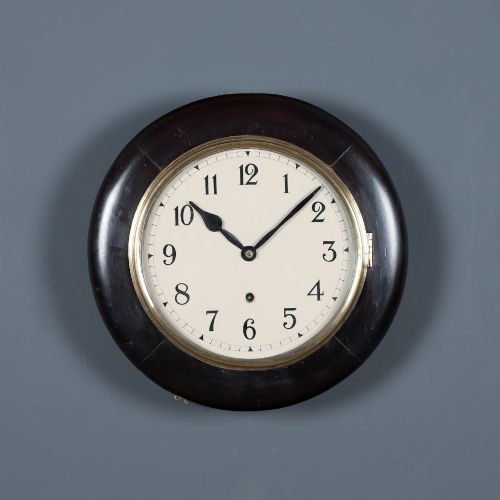
School and office clocks tend to feature plainer dials without transport lettering, though the underlying fusee movements and oak or mahogany cases share identical construction standards.