


Edwardian Standard Light
Edwardian standard light pieces bring practical height and period charm to a room, offering adjustable illumination through traditional floor-standing designs.
Edwardian Standard Light
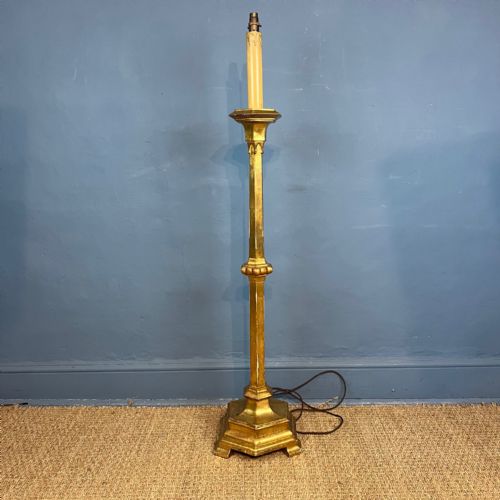
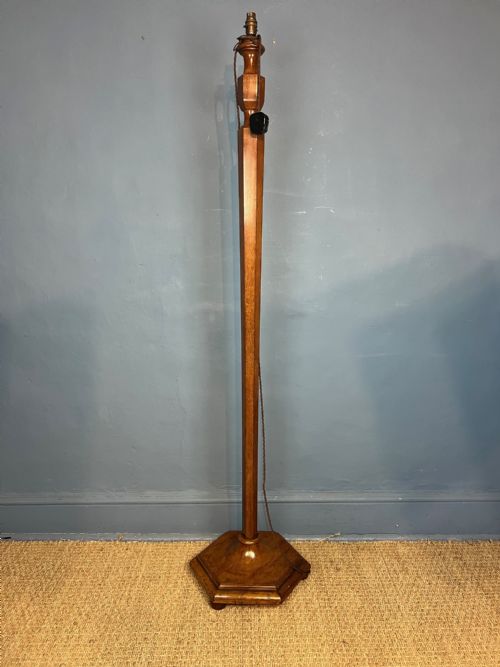
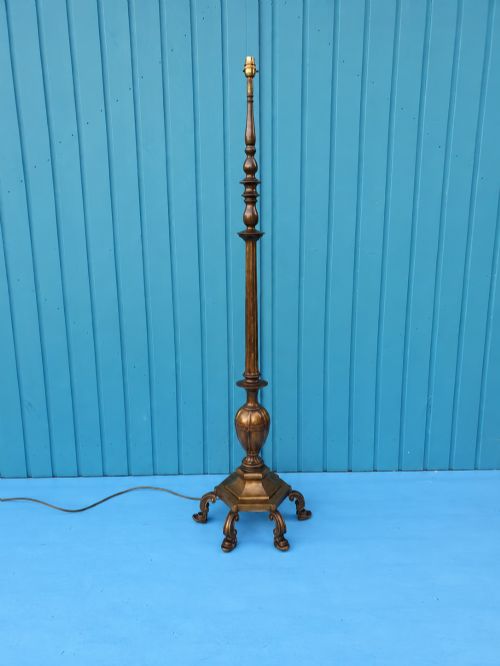
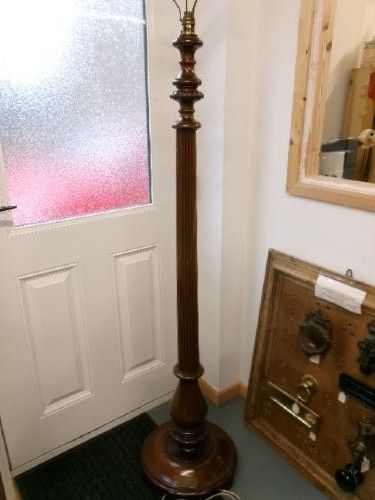
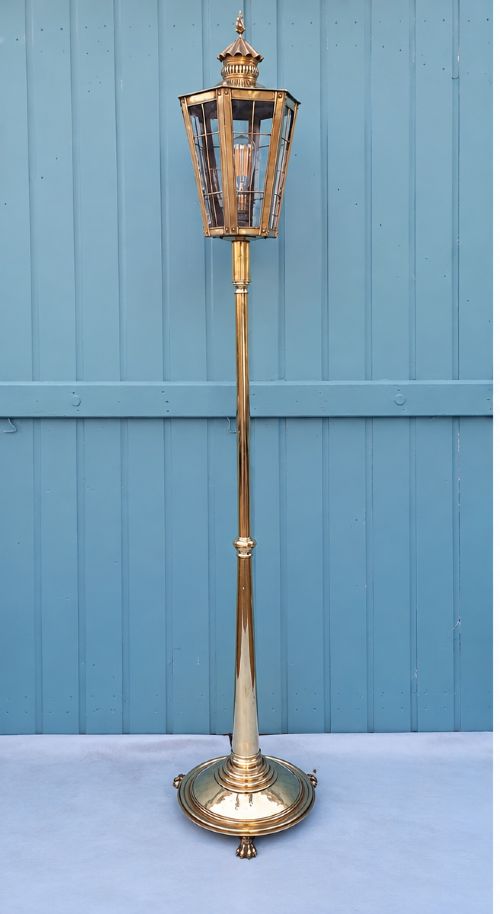
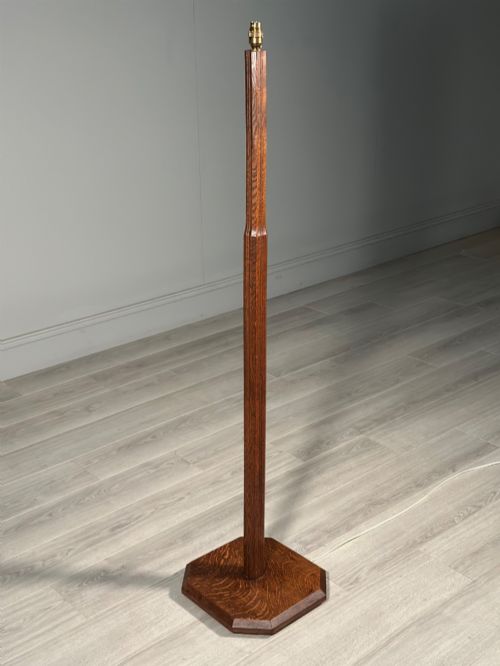
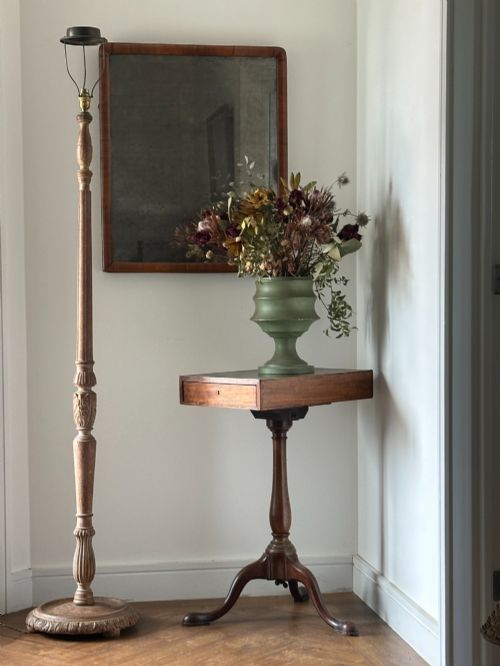
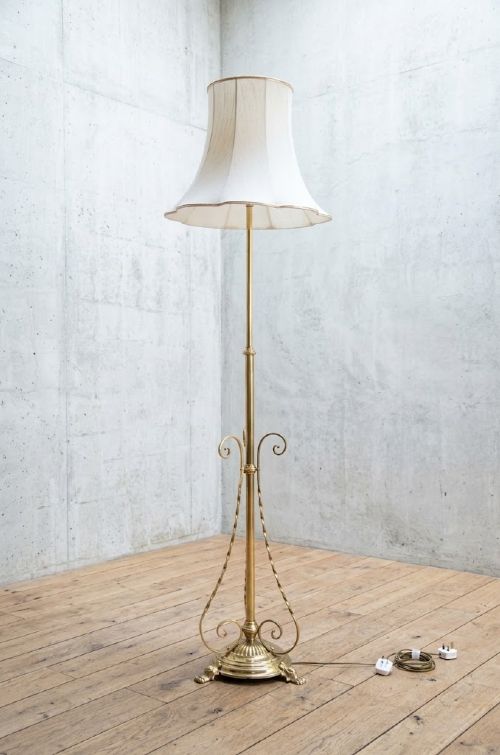
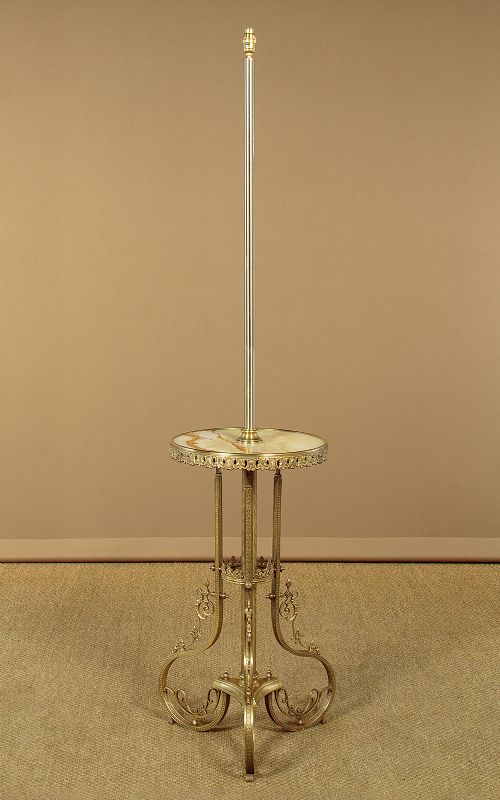
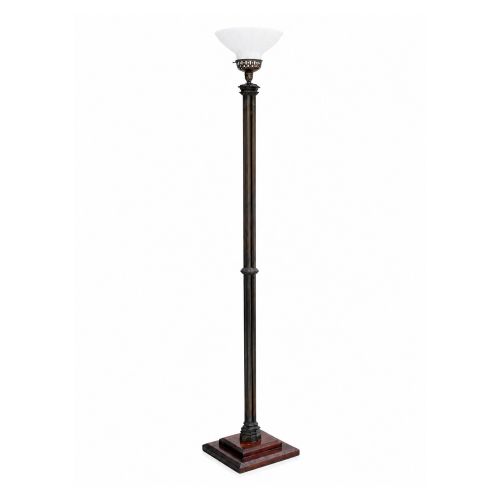
An edwardian standard light provides tall floor illumination, frequently taking the form of a brass or wooden shaft standing on a weighted base. These pieces draw from the Edwardian period as well as surrounding eras like the Victorian epoch and the nineteen-twenties.
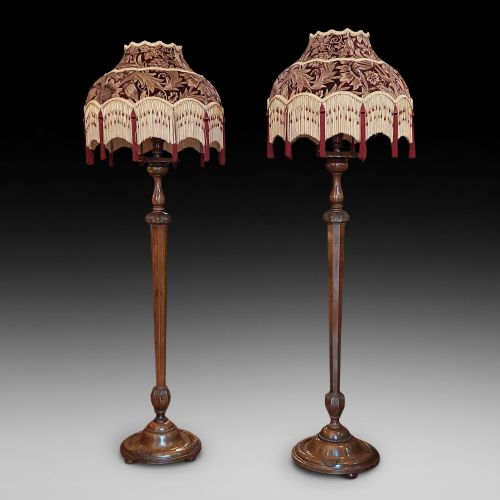
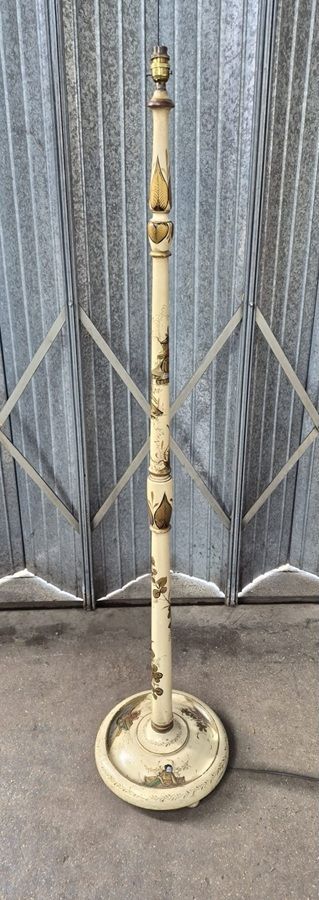
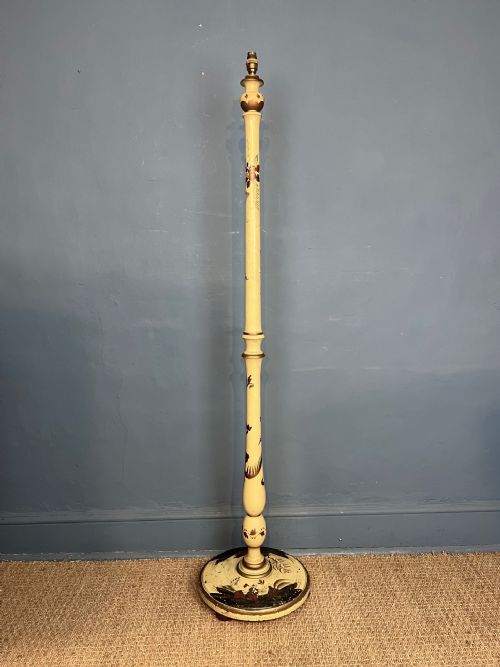
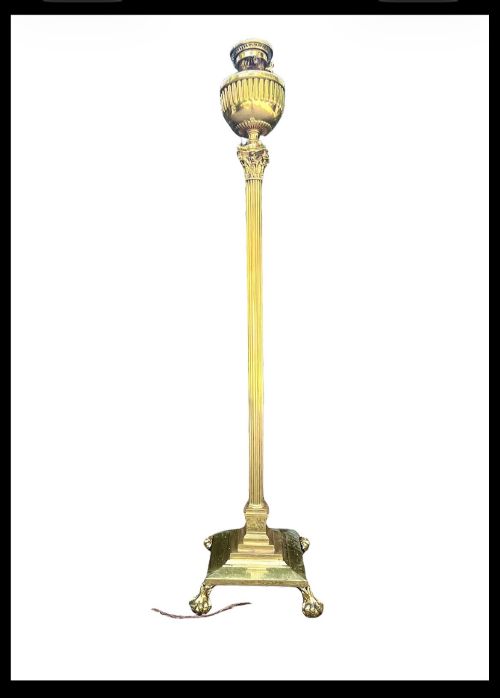
The selection ranges from simple brass columns and wooden tripod stems to elaborate Chinoiserie decorated lacquer stands. Buyers encounter standard lamps paired with fabric shades or configured as adjustable reading lights.
How they were made
Makers constructed these floor lamps using turned timber such as mahogany, oak, and walnut, alongside cast and spun brass, copper, and silver plating. Metal standards frequently incorporated adjustable mechanisms for altering the height of the light source.
Wooden examples relied on traditional joinery and detailed carving, while decorative variants utilised black lacquer and hand-painted Chinoiserie motifs. Fabric elements provided the necessary shade to diffuse the upward-pointing illumination.
Edwardian Standard Light Retail Price Guide 2026
Typical asking prices for edwardian standard light among the pieces listed under this phrase on Sellingantiques today, from the lower quarter to the upper quarter. They describe what is for sale here now, not the wider market.
Some Edwardian brass models were designated as steamer lamps, built with extra-heavy bases to stay upright on rolling ocean liners.
What varies in quality
Quality rests upon the weight and stability of the base, the robustness of any height-adjustment mechanism, and the crispness of the turning or casting. Solid brass and dense hardwoods provide the stability required for tall floor-standing stems.
Surface finish marks the distinction between standard production and finer work, visible in the depth of the lacquer on Chinoiserie pieces and the precision of carved details on oak and mahogany columns.
The Edwardian Standard Light Glossary
- Standard lamp
- A tall floor-standing lamp designed to illuminate a room from a standing position rather than a table top.
- Chinoiserie
- European decorative art reflecting Chinese artistic styles, often featuring hand-painted black lacquer finishes.
- Arts and Crafts
- A design movement emphasising handcraftsmanship, simple forms, and honest use of materials like oak and brass.
- Adjustable stem
- A mechanical feature allowing the height of the lamp to be raised or lowered to suit different seating arrangements.
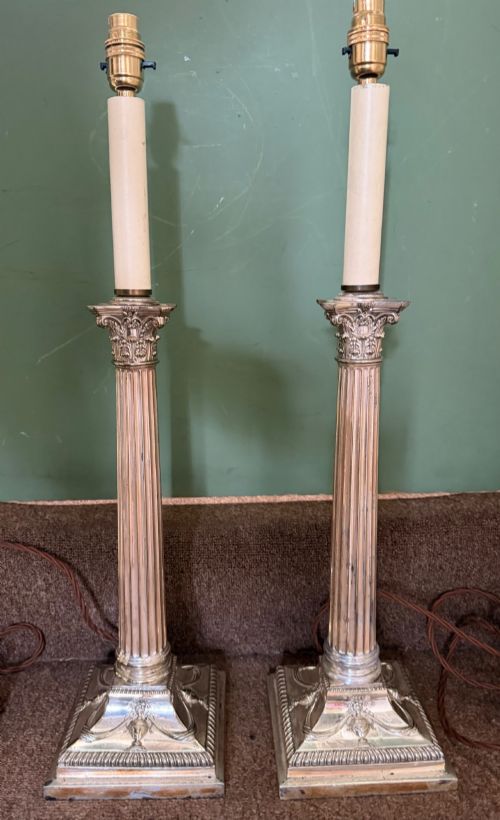
- Corinthian column
- A classical architectural column style featuring ornate acanthus leaves used as a decorative motif on lamp standards.
Edwardian Standard Light: Frequently Asked Questions
How tall is a standard lamp?
These tall floor lamps typically measure between five and six feet in height to project light across a room. The exact stature depends on whether the stem includes an adjustable mechanism.
Adjustable variants permit the height to be altered by several inches to suit specific seating arrangements or reading tasks.
Were these lamps originally electric?
Many surviving examples began life as oil lamps or gas standards before being converted to electricity during the twentieth century. Conversion work allows these antique frames to function safely in modern homes.
Fittings and internal wiring are routinely updated while preserving the original brass or wooden exterior structure.
Where should I place a floor lamp?
Standard lamps suit corners of living rooms, beside armchairs, or near reading desks where ambient or task lighting is required. Their slender footprint allows them to fit neatly into spaces where table lamps will not reach.
Tall brass and wooden columns balance the vertical proportions of rooms with high ceilings.
How do I identify an Edwardian standard light?
Edwardian examples often combine slender brass columns, tripod bases, or simple turned mahogany stems influenced by Neoclassical and Arts and Crafts styles. Dating relies on construction methods, patination on the metal, and catalogue stylistic traits.
Pieces frequently overlap with late Victorian and 1920s manufacturing traditions.