

Edwardian Small Cupboard
An edwardian small cupboard brings compact timber storage to a room, offering fitted interiors, glass doors and polished wood surfaces within a modest footprint.
Edwardian Small Cupboard
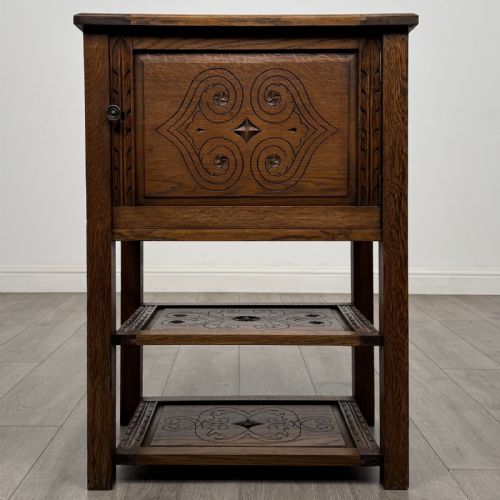
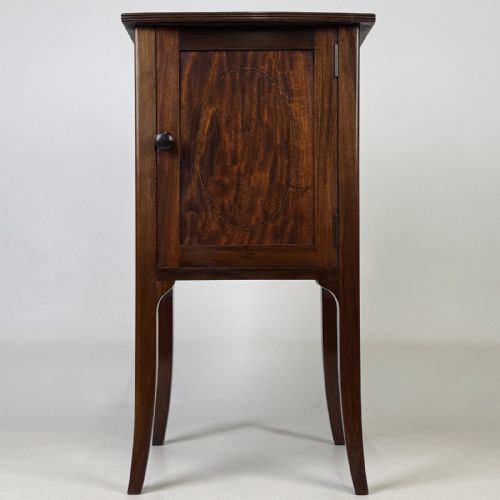
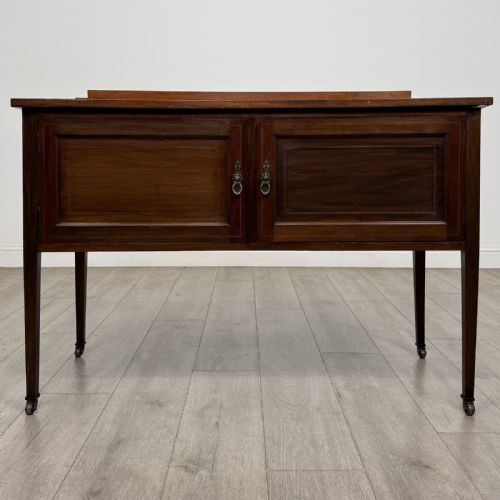
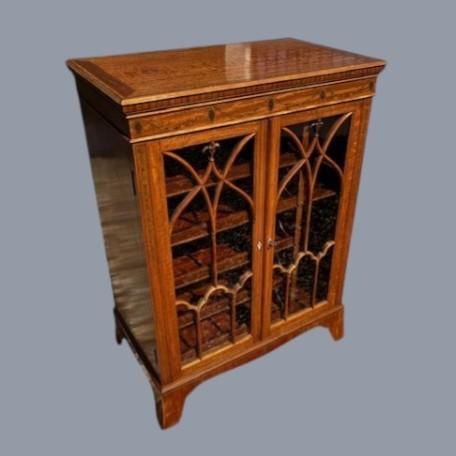
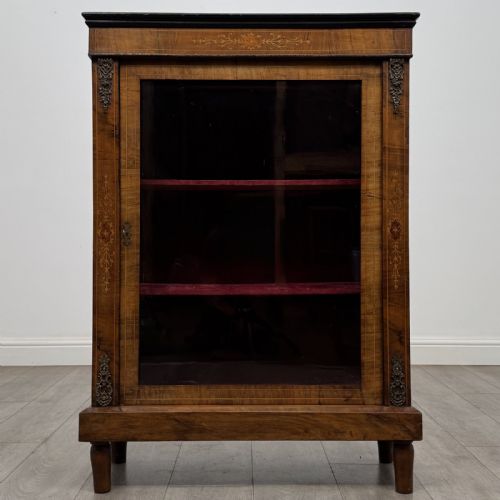
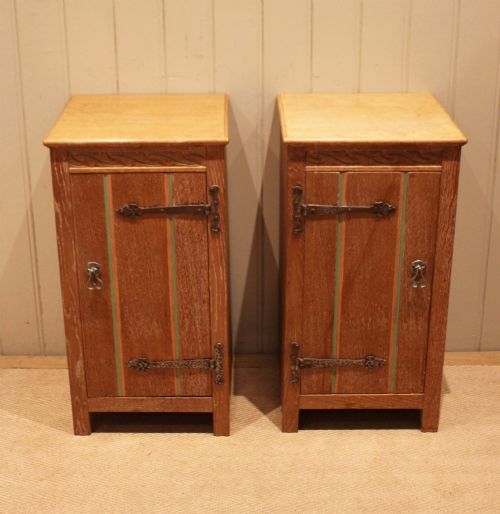
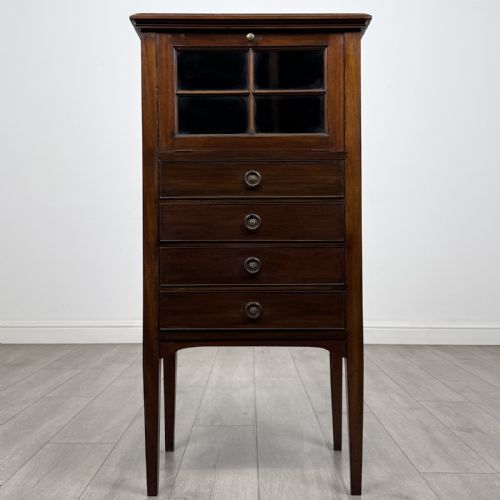
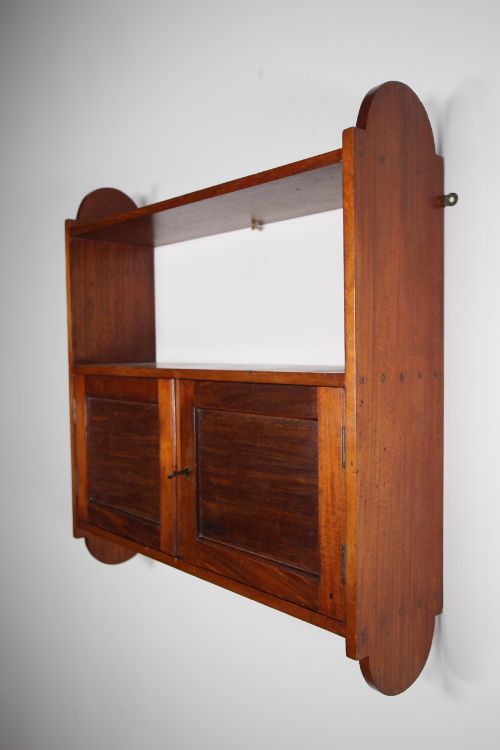
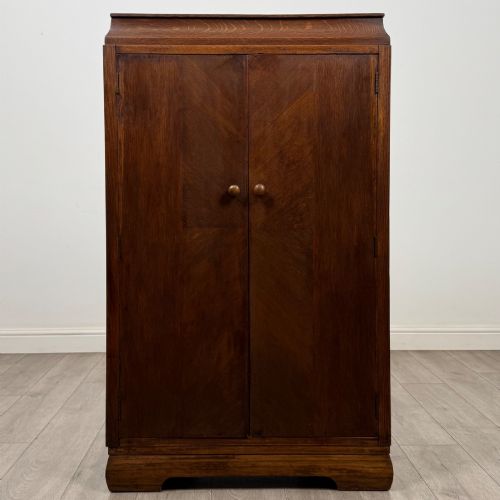
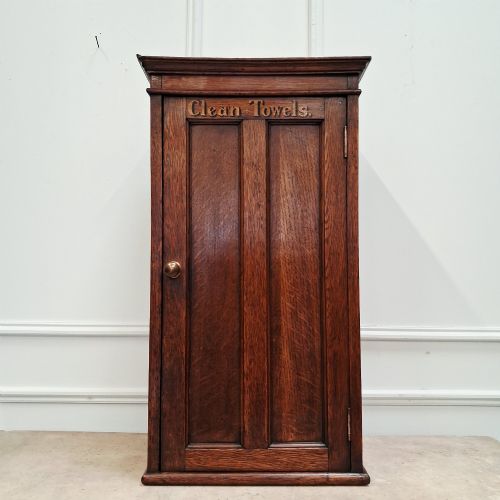
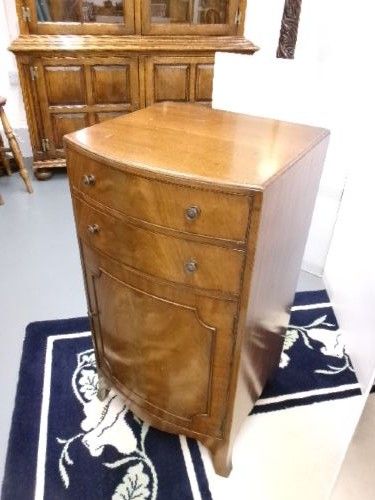
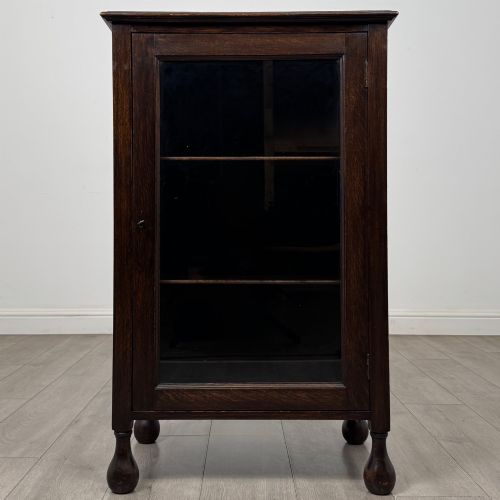
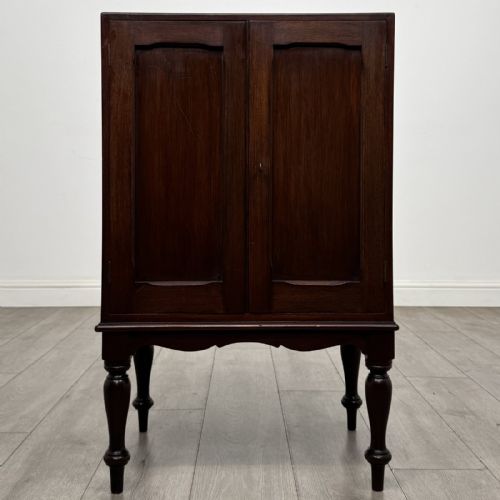
When you search for an edwardian small cupboard, you encounter a variety of compact timber forms designed for domestic storage and display. These pieces range from bedside cabinets and pot cupboards to wall-hanging units, display cabinets and small side cabinets.
The version you are most likely to meet on this page dates predominantly from the Edwardian period and the early twentieth century, though nineteenth-century and Victorian examples also appear. Oak and mahogany dominate the selection, often complemented by walnut, burr walnut and satinwood.
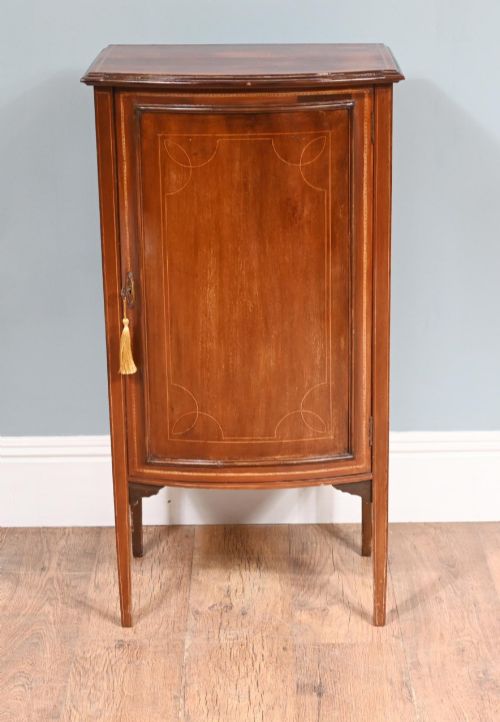
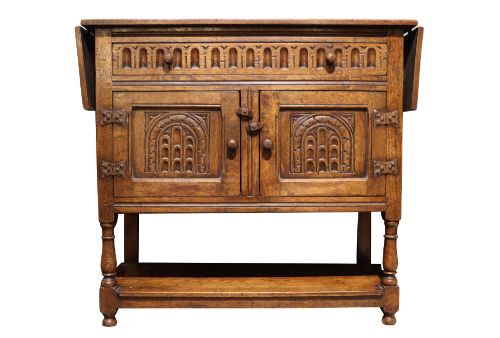
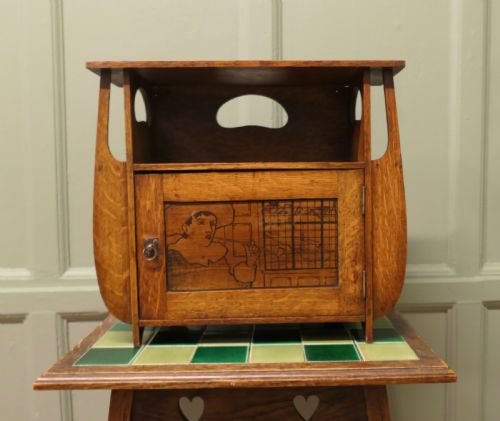
Makers and designers of these cabinets drew upon several aesthetic movements, producing pieces in Sheraton Revival, Jacobean Revival, Arts and Crafts and Art Nouveau styles. The resulting items combine utility with decorative details such as glazed doors, raised galleries and carved panels.
How they were made
Cabinet makers utilised solid timbers and veneers, building carcases in oak and mahogany while applying burr walnut and satinwood for decorative surfaces. Joinery relied on traditional methods to ensure stability in items with small footprints and doors.
Surface enrichment involved marquetry inlay, linenfold carving and carved details on doors and galleries. Turnings such as baluster and barley twist legs appear alongside cabriole legs and claw and ball feet.
Fitted interiors often included shelving, drawers and specialised compartments for linen, music or books. Glazing was incorporated into display cabinets to showcase china and collectibles safely behind glass.
Edwardian Small Cupboard Retail Price Guide 2026
Typical asking prices for edwardian small cupboard among the pieces listed under this phrase on Sellingantiques today, from the lower quarter to the upper quarter. They describe what is for sale here now, not the wider market.
Materials recorded across the inventory include oak, mahogany, walnut, burr walnut, satinwood, brass, glass and metal.
What varies in quality
The standard of timber selection and veneer matching defines the visual appeal of a cabinet. Grain patterns in burr walnut or figured mahogany distinguish superior examples from plain utility pieces.
The refinement of carved ornament and inlay work indicates the skill of the workshop that produced the item. Crisp execution in linenfold panels, marquetry and turned legs separates accomplished cabinet work from standard production.
Hardware and structural integrity, including the quality of brass mounts, working locks and well-fitted doors, reflect the original tier of manufacture. Well-proportioned architectural details, such as raised galleries and shaped feet, complete a more ambitious design.
Maple & Co
The Edwardian Small Cupboard Glossary
- Bow Front
- A convex curved front elevation that projects outward from the centre. This shape softens the corners of a cabinet and appears frequently in Sheraton Revival furniture.
- Pot Cupboard
- A small bedside cabinet originally designed to house a chamber pot. These pieces usually feature a single door enclosing a shelf and sometimes a small drawer.
- Raised Gallery
- A low decorative railing or tiered upstand fitted to the top surface of a cabinet. It prevents items placed on top from sliding off.
- Linenfold
- A style of wood carving that resembles folded parchment or linen fabric. It is commonly found on the panels of oak cupboards and cabinets.
- Marquetry
- Decorative veneer work formed by fitting together thin pieces of wood, shell or ivory to create pictorial or geometric patterns. It adorns the surfaces of fine satinwood and mahogany cabinets.
Edwardian Small Cupboard: Frequently Asked Questions
What is an edwardian small cupboard?
An edwardian small cupboard is a compact timber storage piece made around the start of the twentieth century. These items include bedside cabinets, side units and wall cupboards designed for smaller spaces.
They combine practical shelving or hanging room with decorative woodwork, utilising materials such as oak, mahogany and walnut.
Where were these cabinets used?
These cabinets served various purposes throughout the home, from bedrooms to living rooms and hallways. Bedside versions held night-time essentials, while display units showcased china and glassware in public rooms.
Wall-hanging versions provided storage without taking up valuable floor space in more confined domestic interiors.
How do I live with an edwardian small cupboard?
Living with one of these cabinets involves placing it where its compact scale provides useful surface area and concealed storage. They fit easily beside beds, in small hallways or beneath windows.
Regular polishing with appropriate wax maintains the timber finish, while avoiding direct sunlight preserves the colour of mahogany and walnut veneers.
How do I tell periods apart?
Distinguishing periods relies on observing timber choices, construction techniques and stylistic details. Victorian pieces often use solid walnut or heavy mahogany with robust, formal proportions.
Edwardian items frequently display lighter satinwood, inlaid marquetry or revival styles like Sheraton and Jacobean, reflecting the eclectic tastes of the early twentieth century.