
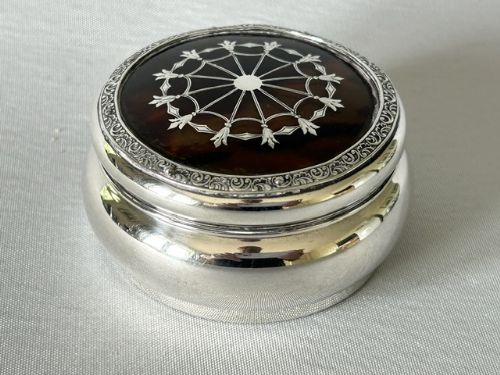


Edwardian Silver Vanity Pot
These edwardian silver vanity pot pieces combine cut glass and precious metal to sit upon a dressing table.
Edwardian Silver Vanity Pot
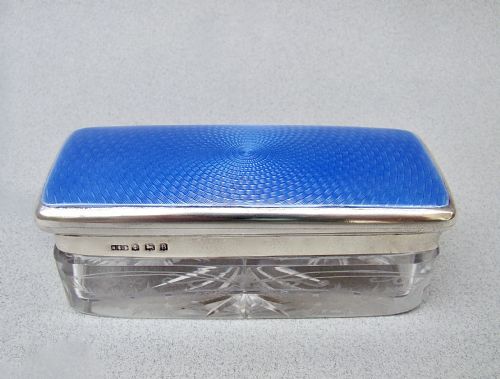
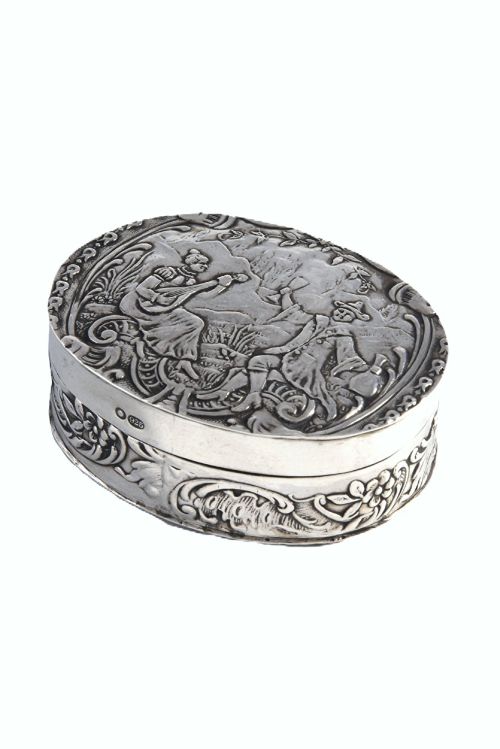
When you search for an edwardian silver vanity pot, you encounter small lidded containers designed to hold cosmetics, pins, or trinkets upon a dressing table. The pieces on this page span from the late Victorian era through the Edwardian period and into the Art Deco years.
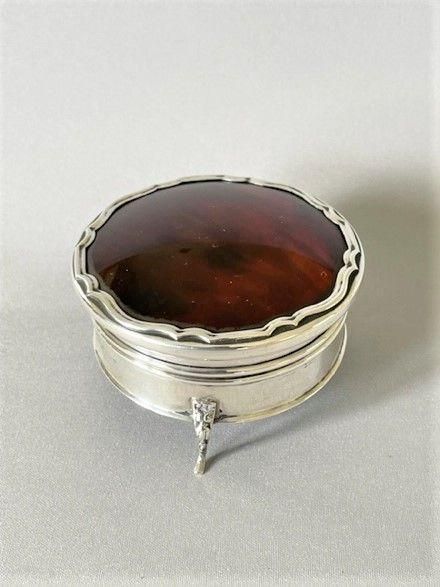
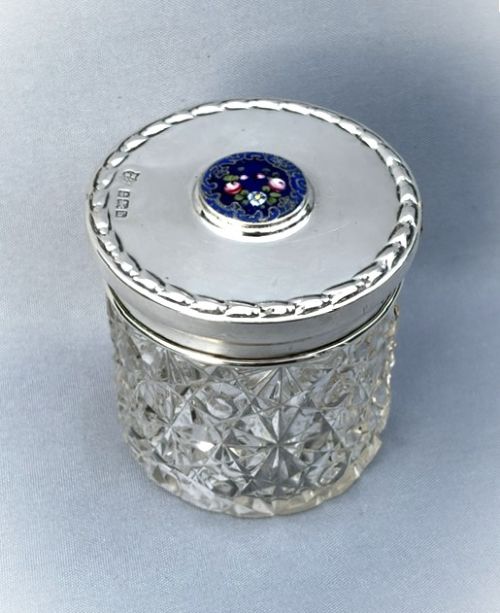
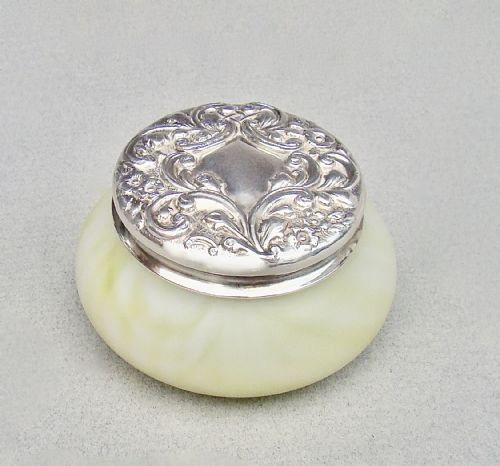
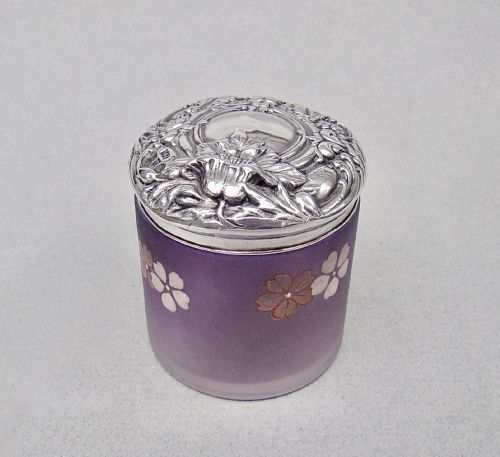
You meet various forms ranging from simple glass jars with sterling silver lids to elaborate boxes featuring enamel, tortoiseshell, and crystal bodies. The core purpose remains dressing table organisation, executed in materials popular during the early twentieth century.
The selection includes items described as trinket boxes, dressing table jars, snuff boxes, and lidded bowls. Most examples hail from Birmingham or Chester assay offices, reflecting the primary manufacturing hubs of the period.
Materials and construction
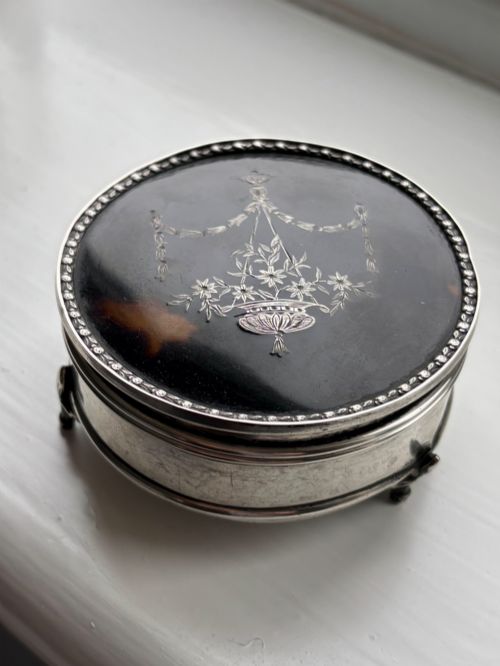
Worker craftsmen also utilised organic materials like tortoiseshell and pique work inlay to adorn the silver mounts. Glass bodies were heavy-moulded and hand-cut to catch the dressing table light.
A surprising number of these elegant vanity pots spent their early mornings hiding rouge and hairpins from unexpected callers.
Judgements of quality
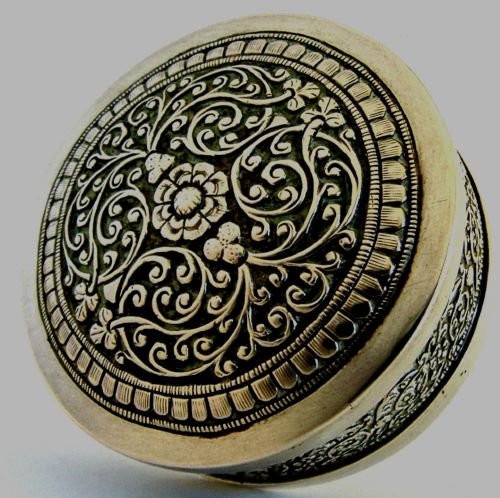
Quality rests upon the weight and clarity of the glass vessel and the thickness of the silver used for the lid. Substantial crystal bodies paired with crisp, deep repousse work or undamaged translucent enamel represent the finer end of the range.
Maker marks and assay office stamps provide a clear indication of provenance and workshop standards. Pieces bearing signatures from notable firms or featuring complex multi-coloured enamel display superior craftsmanship compared to unmarked commercial production.
Ollivant and Botsford·Henry Clifford Davis·Goldsmiths and Silversmiths Company·A. Bromet and Co·Asprey and Co
The Edwardian Silver Vanity Pot Glossary
- Guilloche enamel
- A decorative technique where an intricate geometric pattern is mechanically engraved beneath a translucent layer of coloured enamel.
- Repousse
- A metalworking method where the silver is hammered from the reverse side to form a raised design in relief on the front.
- Pique work
- The delicate inlay of tiny gold or silver pins into a tortoiseshell or horn surface to form floral or geometric motifs.
- Sterling silver
- An alloy consisting of silver and other metals, usually copper, conforming to a strict purity standard denoted by assay office hallmarks.
- Satin glass
- A type of glass treated with hydrofluoric acid to produce a characteristic velvety, matte texture across the surface.
Edwardian Silver Vanity Pot: Frequently Asked Questions
What were vanity pots used for?
These containers held powders, creams, rouge, pins, and small pieces of jewellery on a lady's dressing table.
They kept delicate cosmetics and personal items neatly covered and protected from dust when not in use.
How do I date a silver lid?
British silver bears a series of hallmarks that include a date letter corresponding to the specific year it was assayed.
Additional marks indicate the city of origin, such as the anchor for Birmingham or the three sheaves for Chester.
Are the glass bodies always cut crystal?
While heavy cut crystal appears frequently, the evidence also shows smooth satin glass, frosted glass, and coloured glass vessels.
Plain glass and moulded glass bodies were equally common alternatives to deep diamond-cut crystal.
How should I clean the silver and enamel?
Silver mounts require gentle cleaning with a specialist cloth to avoid abrasive contact with adjacent glass or enamel surfaces.
Enamel parts need mild soapy water and soft drying, as harsh chemical dips can permanently damage the glass-based coating.