





Edwardian Silver Trinket Pot
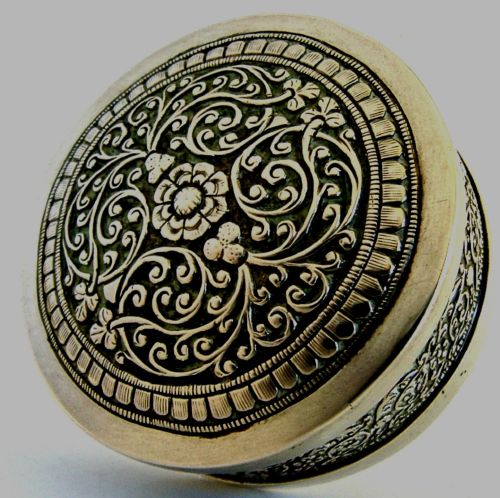
An edwardian silver trinket pot is a small receptacle designed for dressing tables, combining precious metal mounts with glass, crystal, or organic materials.
Edwardian Silver Trinket Pot
The edwardian silver trinket pot category encompasses small containers created to hold pins, rings, powder, or vanity items on dressing tables and desks. These pieces span the Edwardian period, the 1910s, 1920s, and early 1930s, reflecting styles from Art Nouveau and Arts & Crafts to early Art Deco and George V.
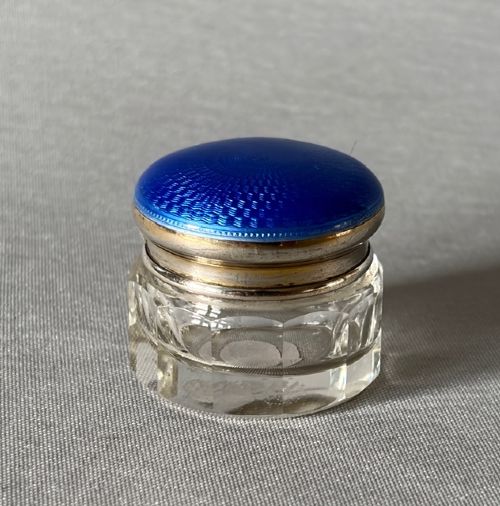
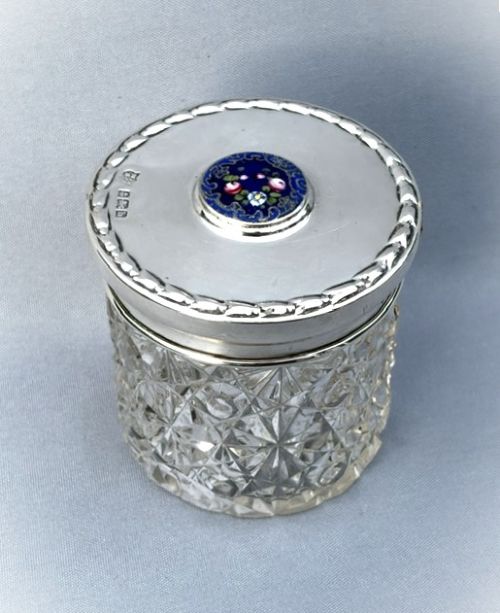
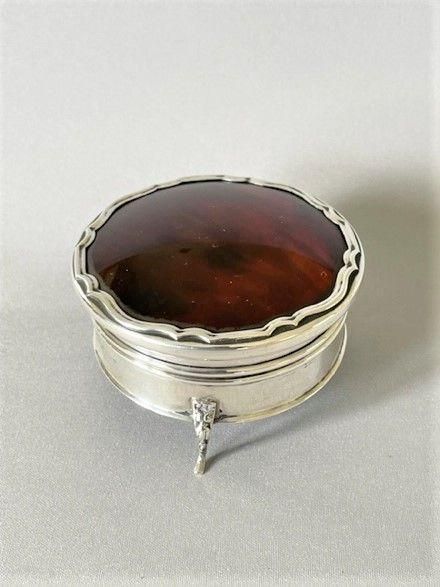
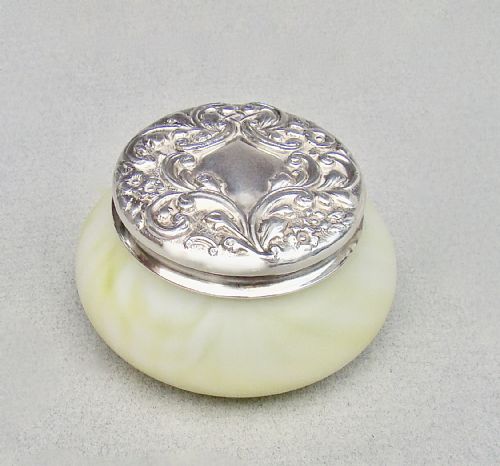
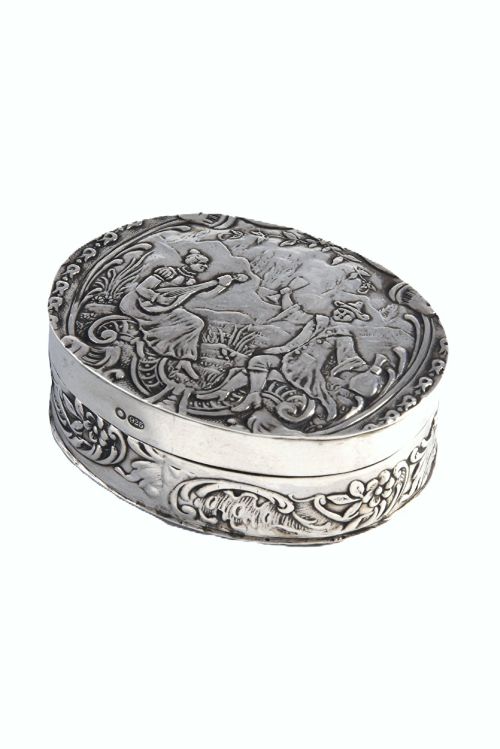
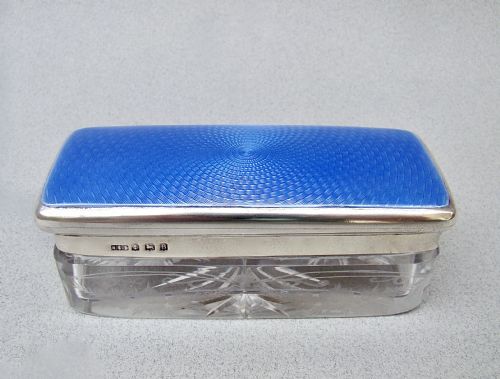
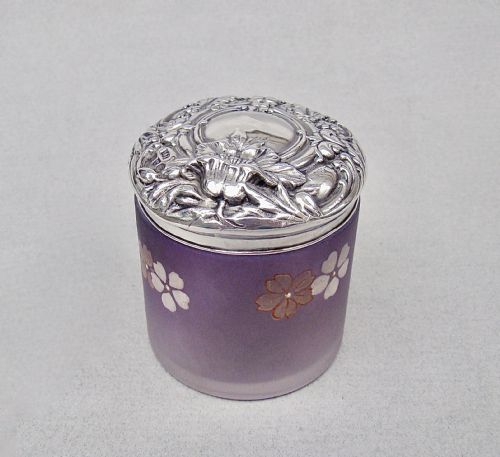
Buyers most commonly encounter lidded jars and boxes formed from cut glass or crystal bases fitted with hallmarked sterling silver mounts. Formats range from simple round pill boxes and heart-shaped containers to larger vanity jars and pot pourri baskets.
How They Were Made
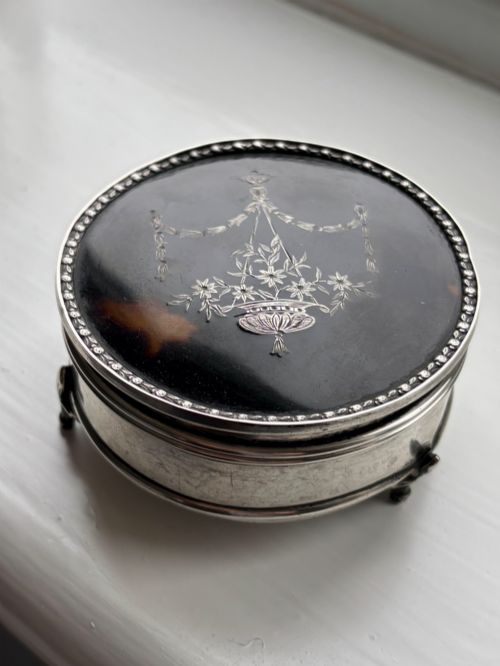
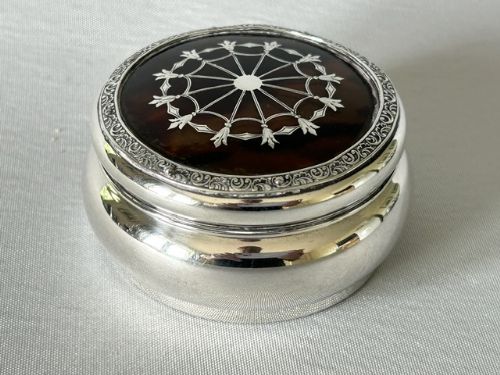
Makers combined sterling silver lids and rims with vessels blown and cut from glass, crystal, satin glass, or cranberry glass. Some pieces integrate natural materials such as tortoiseshell or feature hand-painted porcelain plaques set directly into the metal.
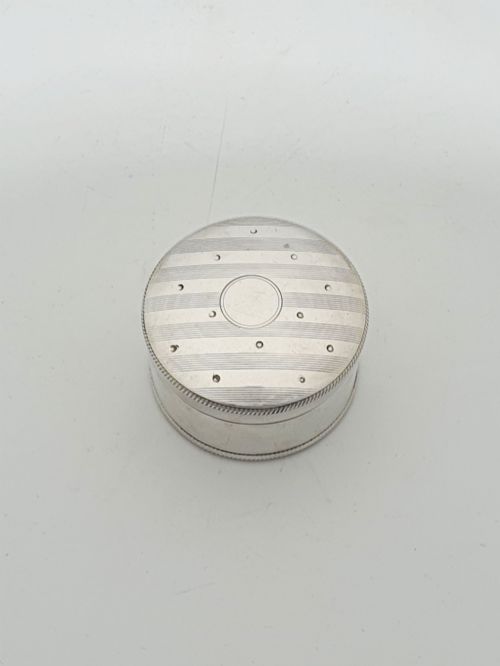
Surface decoration relies on techniques including engine-turning, spot-hammering, and coloured guilloche enamel. Pique work and silver overlays further embellish tortoiseshell and glass bodies.
Edwardian Silver Trinket Pot Retail Price Guide 2026
Typical asking prices for edwardian silver trinket pot among the pieces listed under this phrase on Sellingantiques today, from the lower quarter to the upper quarter. They describe what is for sale here now, not the wider market.
Materials span sterling silver, tortoiseshell, cut crystal, and coloured glass, reflecting early 20th century vanity table trends.
What Varies in Quality
Quality rests in the weight of the silver mount, the crispness of the hallmark stamps, and the depth of hand-applied decoration like engine-turning or guilloche enamel. Heavier gauge metal and intricate applied details distinguish superior examples from lighter production.
The clarity and hand-cut precision of the glass or crystal body contribute significantly to the overall merit of the piece. Intact organic elements like genuine tortoiseshell without splitting also elevate the standard of a container.
Ollivant & Botsford·Henry Clifford Davis·A. Bromet & Co·Asprey & Co·Walker & Hall·William Comyns·Hasset & Harper·Nathan & Hayes·Henry Williamson Ltd
The Edwardian Silver Trinket Pot Glossary
- Sterling silver
- A silver alloy containing 92.5 percent pure silver and 7.5 percent other metals, usually copper, used for the lids and mounts.
- Guilloche enamel
- A decorative technique where translucent enamel is layered over mechanically engraved metal to produce a geometric pattern.
- Pot pourri box
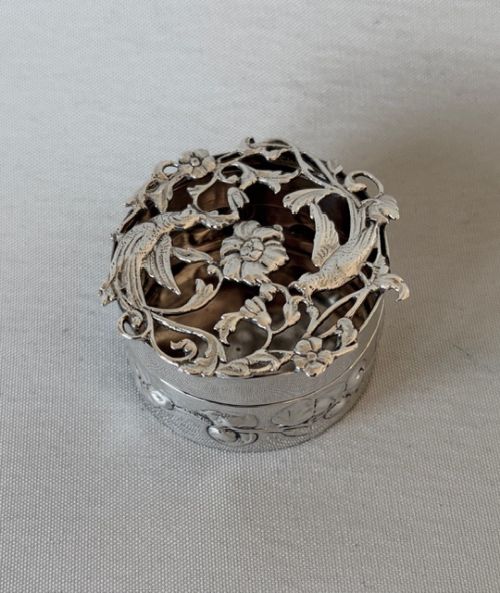
- A specialised container with a pierced or perforated silver lid designed to release the fragrance of dried flower petals held inside.
- Pique work
- The delicate insertion of tiny gold or silver pins into tortoiseshell to form intricate decorative motifs.
- Engine-turned
- A mechanical method of engraving precise geometric patterns onto a metal surface.
Edwardian Silver Trinket Pot: Frequently Asked Questions
What was an edwardian silver trinket pot used for?
These containers sat upon dressing tables to store small personal items such as hairpins, rings, brooches, and cosmetics. They kept delicate accessories organised and protected from dust in domestic bedrooms.
Some variations functioned specifically as pill boxes or held scented pot pourri mixtures to freshen the air in sitting rooms and boudoirs.
How do I clean the silver and glass?
Use a soft microfibre cloth on the silver mount, taking care to avoid abrasive polishes that might scratch surrounding enamel, tortoiseshell, or glass. Keep moisture away from organic inserts when wiping the metal.
Wash glass and crystal bodies separately with mild soapy water if detachable, ensuring the metal rims remain completely dry during the process.
Are hallmarks always present on these pots?
British sterling silver mounts typically bear clear hallmarks indicating the assay office, city, and date letter. These stamps help verify the production era and maker of the metalwork.
Imported pieces or smaller components might occasionally lack full sets of marks, though standard domestic items carry clear town and standard stamps.
How do I tell Edwardian pieces from later styles?
Edwardian and early 1910 pieces often lean toward flowing Art Nouveau motifs, organic curves, and floral repoussé work. Date letters on the silver hallmarks confirm the precise year of manufacture.
Pieces from the 1920s frequently transition into geometric Art Deco lines, sharper engine-turning, and brighter coloured enamel panels.