

Edwardian Silver Plated
Edwardian silver plated pieces bring domestic elegance into daily use, offering the bright look of silver without the heavier cost.
Edwardian Silver Plated
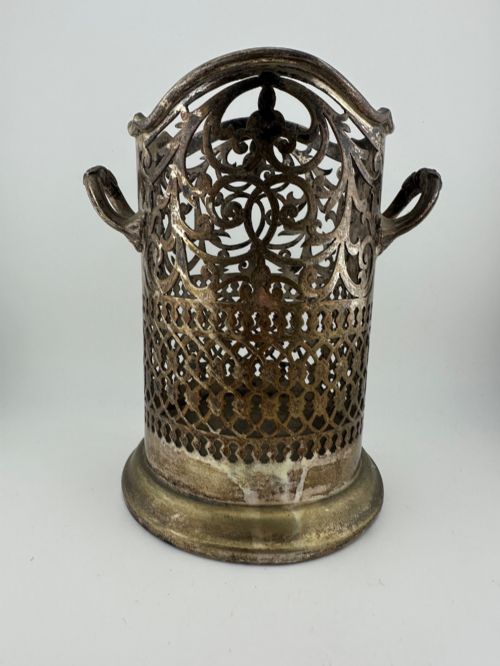
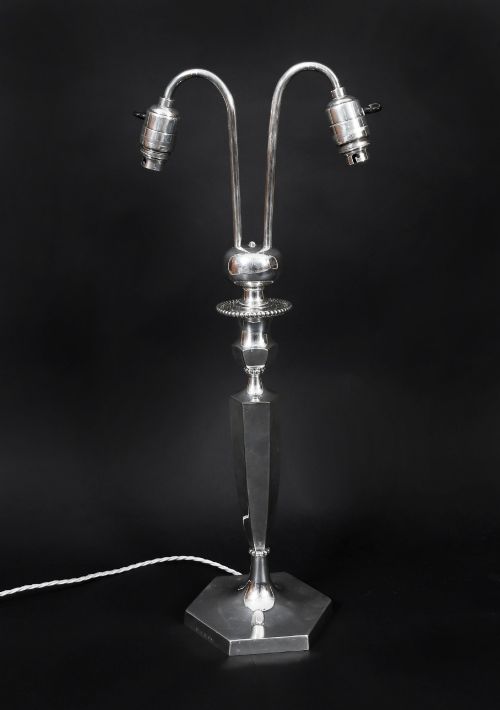
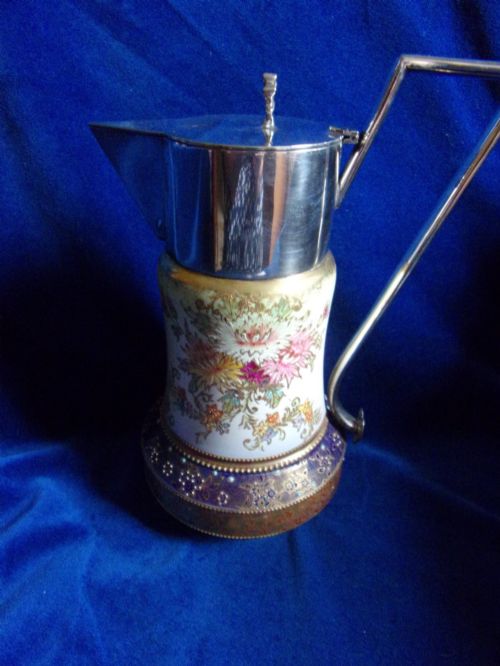
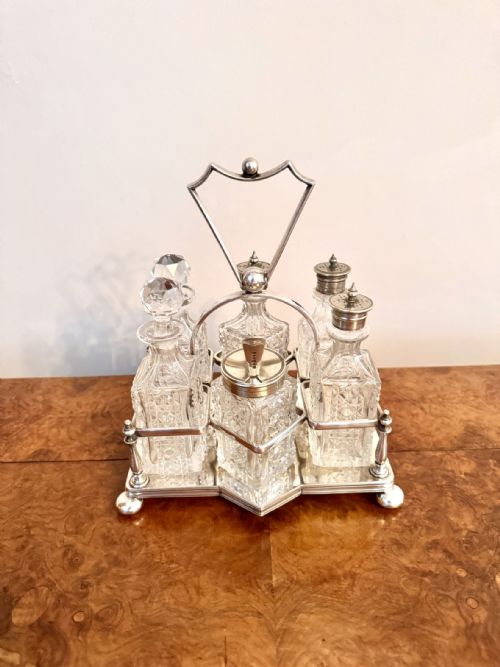
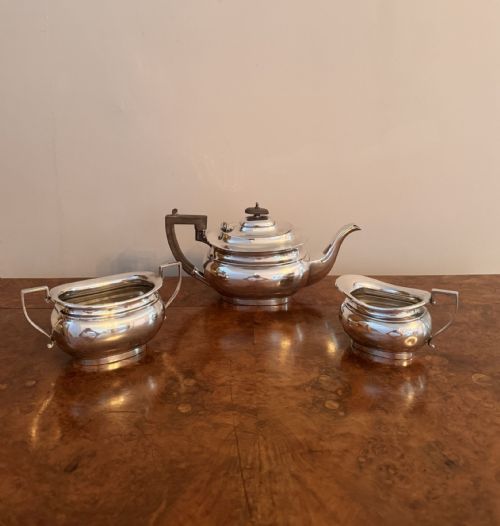
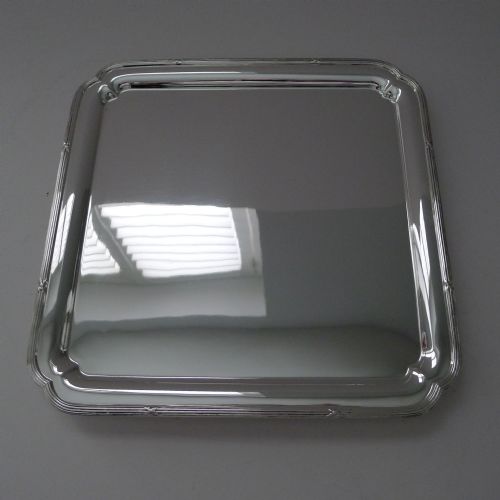
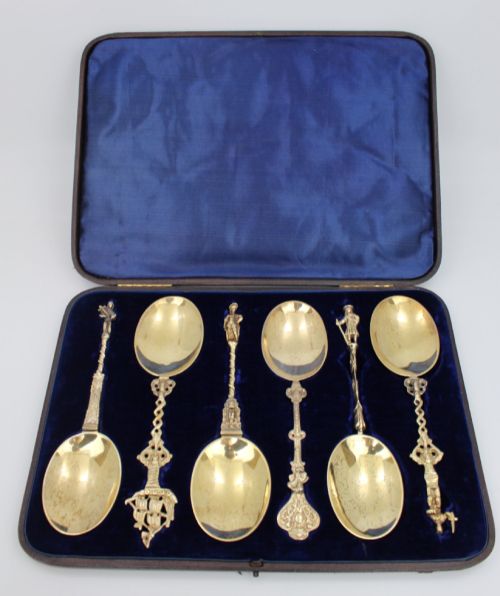
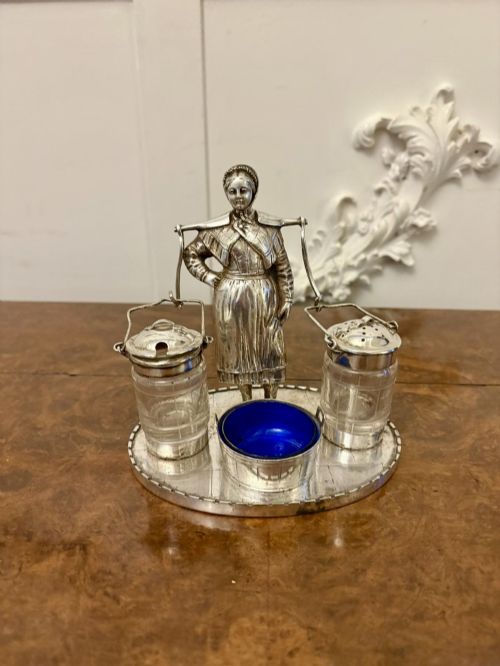
When you search for edwardian silver plated items, you encounter functional household objects intended for dining, hospitality and interior lighting. These domestic accessories range from tea sets and serving trays to cruet sets, table lamps and wine coolers.
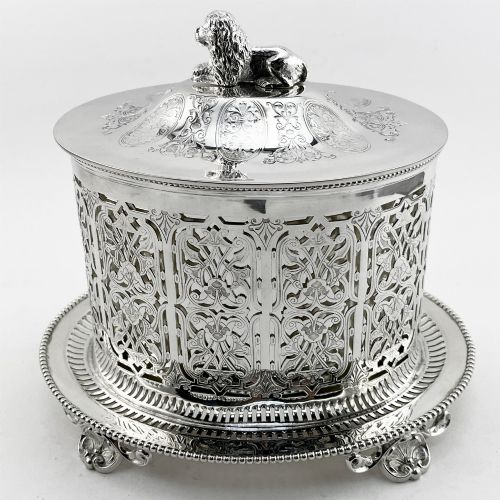
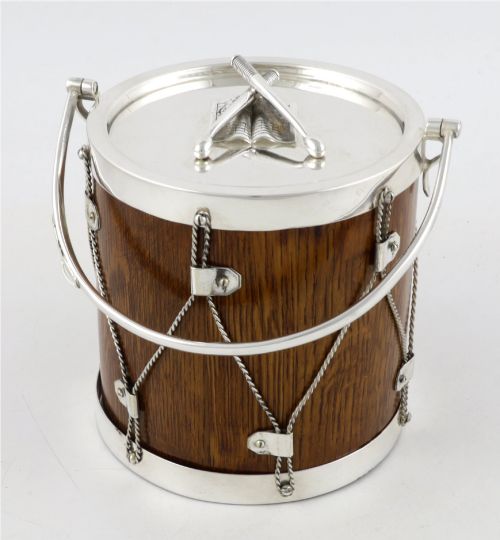
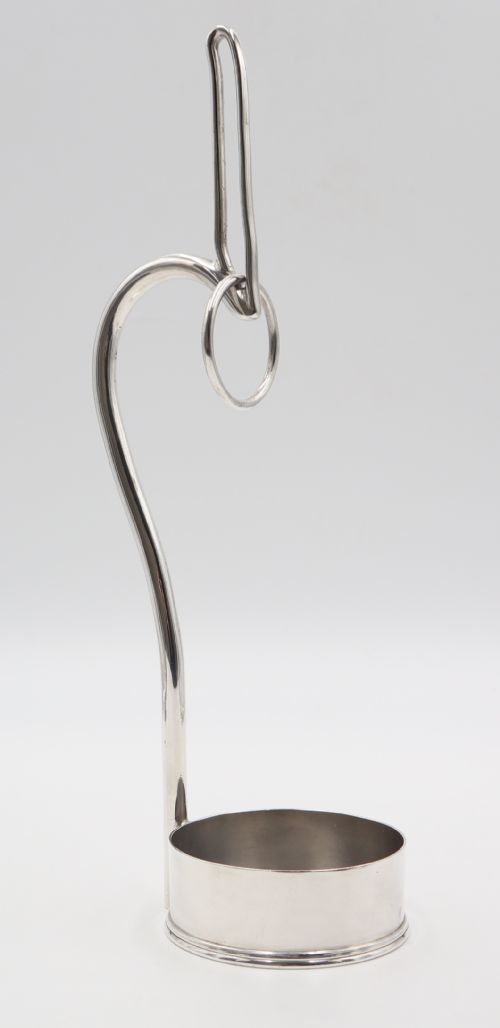
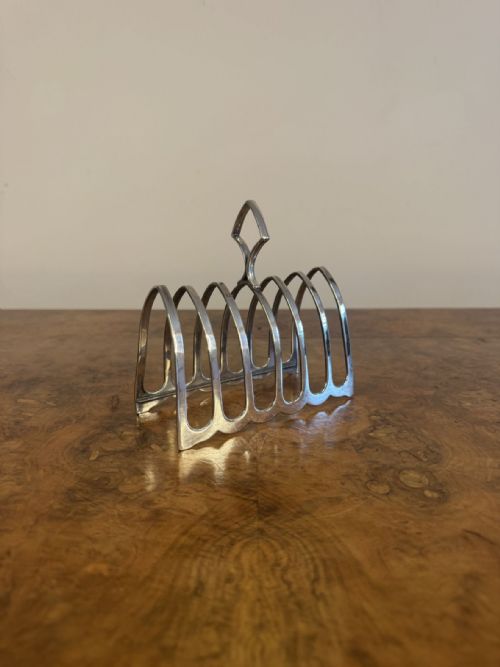
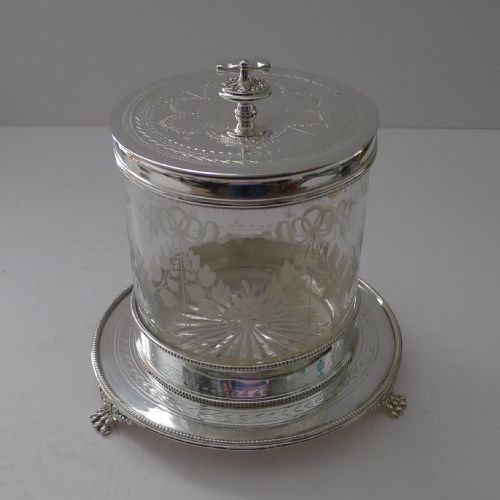
The most common versions on this page originate from the early twentieth century, spanning tea services, gallery trays, and table lamps. Makers combined silver plate with materials like English oak, glass and velvet to create sturdy items for the dining table and drawing room.
How they were made
Silversmiths applied a thin layer of silver over a base metal, frequently utilising electroplated nickel silver to provide strength and durability. This technique allowed workshops to produce substantial domestic items that maintained a bright, reflective finish.
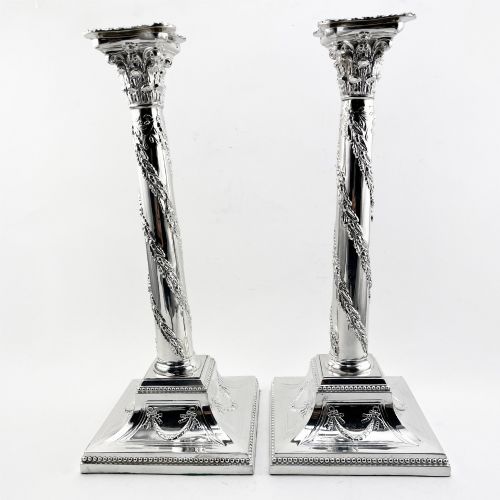
Many serving items and containers integrated non-metallic elements into their construction, pairing silver plate with figured oak, cut glass or velvet linings. Frames and mounts were cast or chased with decorative motifs drawn from neoclassical and arts and crafts styles.
Edwardian Silver Plated Retail Price Guide 2026
Typical asking prices for edwardian silver plated among the pieces listed under this phrase on Sellingantiques today, from the lower quarter to the upper quarter. They describe what is for sale here now, not the wider market.
Listings feature items spanning the late nineteenth century through to the nineteen thirties, encompassing the Edwardian period and George V eras.
What varies in quality
The standard of an edwardian silver plated piece depends largely on the crispness of its chased ornamentation and the thickness of the original plating over the base metal. Heavier gauge metalwork and substantial mounts distinguish finer domestic wares from simpler production.
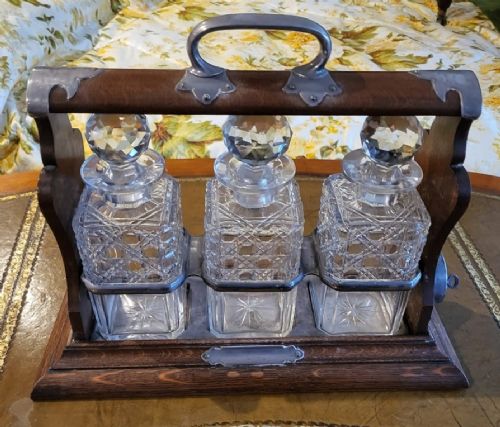
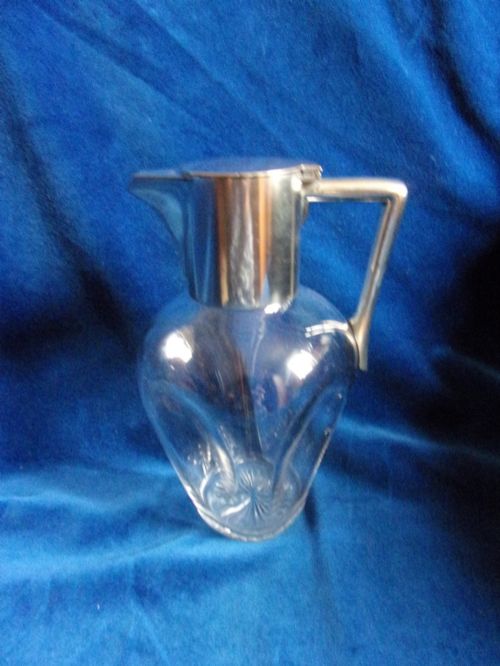
Attention to detail in subsidiary materials also divides the range, such as the clarity of cut glass in biscuit barrels and claret jugs, or the precise joinery of oak trays and tantalus frames.
Elkington & Co.·Joseph Rodgers & Sons·Deakin & Francis·Mappin & Webb·William Hutton & Sons
The Edwardian Silver Plated Glossary
- Electroplated Nickel Silver
- A base metal alloy of copper, nickel, and zinc coated with a layer of pure silver through an electrolytic process. This method became standard for durable domestic tableware.
- Gallery Tray
- A serving tray fitted with a pierced metal gallery or rim around its edge to prevent items from sliding off. These often combine silver plate with wooden bases made from oak.
- Claret Jug
- A table pitcher designed for serving red wine, typically featuring a glass body fitted with a hinged silver plated handle, collar, and spout. Edwardian examples often display cut glass bodies.
- Tantalus
- A locking beverage cabinet holding decanters visible behind a metal framework, preventing unauthorized access to the contents. They commonly appear in figured oak with silver plated lock mechanisms.
Edwardian Silver Plated: Frequently Asked Questions
How do I clean silver plate?
Clean silver plated items with a soft cloth and a specialised silver polish formulated not to strip the thin metal layer. Avoid abrasive cleaners that wear down the plating over time.
Wash items in warm soapy water and dry them thoroughly immediately after cleaning to prevent water spots and tarnishing.
Can I use these items daily?
Most edwardian silver plated serving items and trays suit regular use provided they receive gentle handling and careful hand washing. Avoid putting them in dishwashers, which can damage both the plating and fitted wooden elements.
For pieces with velvet linings or delicate glass components, limit use to display or special occasions to preserve their condition.
How do I identify silver plate?
Look for specific stamps or maker marks on the underside or rim that indicate electroplate, such as EPNS or manufacturer initials. Sterling silver items carry hallmarks that include a lion passant, whereas plated pieces generally do not.
Over time, areas subject to heavy friction may reveal a yellowish or grey base metal underneath the silver surface, confirming the plating technique.
What periods do these pieces span?
The listings on this page primarily encompass the Edwardian era alongside late Victorian and early twentieth century production. Makers continued to draw upon neoclassical and arts and crafts design vocabularies across these decades.
While the core output dates from around nineteen hundred, manufacturing styles overlap with late nineteenth century and interwar aesthetics.