




Edwardian Silver Plate Rack
An edwardian silver plate rack brings practical elegance to the breakfast table, combining sturdy metalwork with the crisp division of daily toast.
Edwardian Silver Plate Rack
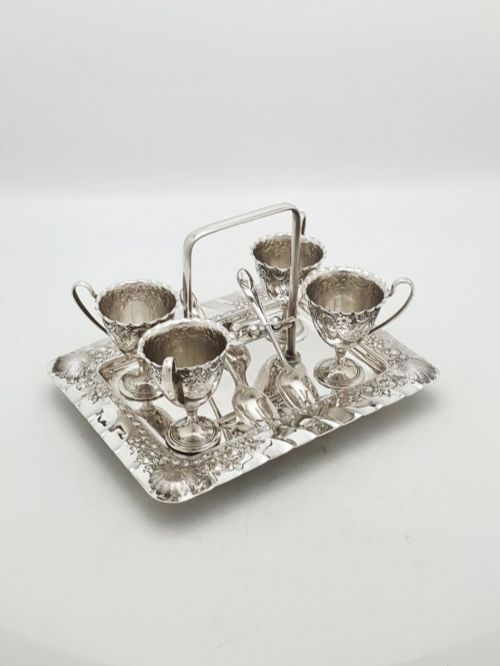
When searching for an edwardian silver plate rack, buyers encounter distinct metal frameworks designed specifically to hold slices of toast upright at the table. The most frequent iteration on this page is the toast rack itself, appearing across multiple periods alongside related serveware such as egg cruet sets and asparagus dishes.
These pieces primarily emerge from the Edwardian era, though the selection spans surrounding decades including Victorian, 1920, and 1930 variations. Makers utilised silver plate, electroplated nickel silver, and base metal to create durable tableware for daily dining.
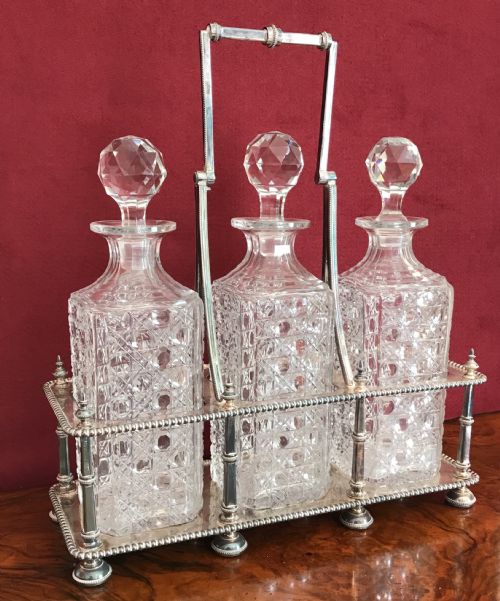
Beyond standard toast holders, the category encompasses specialised serving items like golf club toast racks, letter racks, and multi-bottle decanter frames. Each form reflects the functional demands of formal and domestic dining routines during the early twentieth century.
How they were made
Craftsmen built these items using base metals or nickel silver coated with a layer of silver plating, often designated as EPNS in the evidence. This technique provided the lustrous appearance of solid silver while maintaining greater structural resilience for everyday use.
Designers incorporated secondary materials such as cut glass for decanters, oak for barrels and toast rack bases, and metal wire for individual division arches. Soldering and embossing techniques shaped the frames and decorative shields seen on bottle holders and cruet sets.
Object forms range from standard toast racks and egg cruet sets to whisky barrels and golf club designs.
What varies in quality
The distinction between standard domestic items and superior examples lies in the weight of the metal and the crispness of the wirework divisions. Heavier gauge silver plate and substantial bases provide better stability on the dining table.
Design complexity also defines the range, moving from simple wire divisions to specialised forms such as golf club motifs or pieces attributed to notable makers. The integration of complementary materials like oak bases and cut glass inserts elevates the execution of the piece.
Christopher Dresser·Hukin and Heath·Mappin and Webb·Walker and Hall
The Edwardian Silver Plate Rack Glossary
- Silver Plate
- A thin layer of silver bonded to a base metal core such as copper or nickel silver. This process offered an accessible alternative to solid silver tableware.
- EPNS
- Electroplated Nickel Silver. A common industrial method for applying a silver coating over a nickel and copper alloy base.
- Cruet Set
- A matched collection of bottles, jars, or racks designed to hold condiments, eggs, or seasonings for the dining table.
- Tantalus
- A wooden or metal frame securing decanters with a locking mechanism to prevent unauthorized access to the spirits inside.
- Aesthetic Movement
- A late nineteenth-century design style emphasising visual beauty and craftsmanship over strict historical revival.
Edwardian Silver Plate Rack: Frequently Asked Questions
What is an edwardian silver plate rack used for?
These racks held slices of crisp toast upright on the breakfast table, allowing air circulation to prevent the bread from becoming soggy.
Beyond simple toast dividers, similar metal frameworks served as letter holders, asparagus dishes, and multi-bottle cruet sets for dining rooms.
How do I identify an Edwardian piece?
Edwardian items often exhibit lighter, more refined proportions compared to heavily ornamented Victorian predecessors, drawing on classical and Arts and Crafts influences.
Dates around the early 1900s dominate these designs, utilising silver plate and electroplated nickel silver alongside oak accents.
What materials are used in these racks?
Manufacturers relied primarily on silver plate and electroplated nickel silver over a base metal foundation to create durable tableware.
Some designs incorporate wooden bases made of oak, alongside glass bottles and ceramic elements within larger cruet and decanter sets.
How should I clean silver plate?
Gentle washing with mild soap and warm water removes everyday dust and oils from the metal surface without damaging the plated layer.
Harsh abrasive cleaners wear away the thin silver coating over time, so specialised silver polishing cloths are preferred for maintenance.