
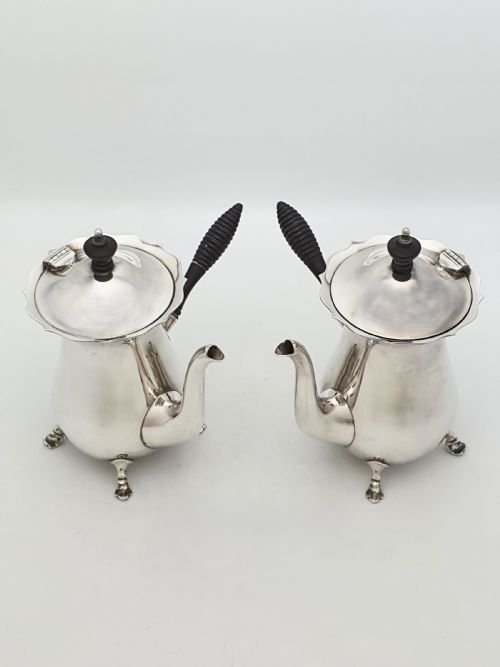


Edwardian Silver Plate Jug
When you choose an edwardian silver plate jug, you select a functional vessel defined by period craftsmanship and refined metalwork.
Edwardian Silver Plate Jug
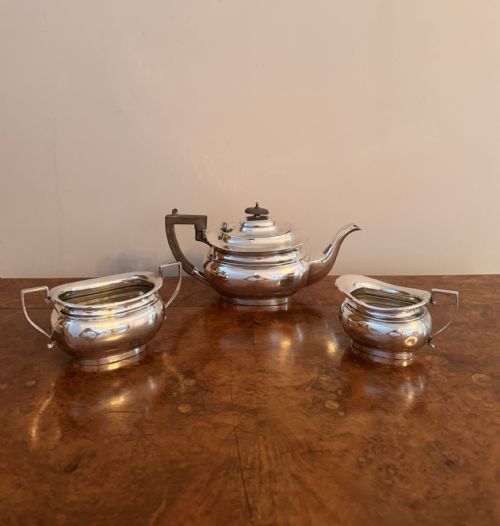
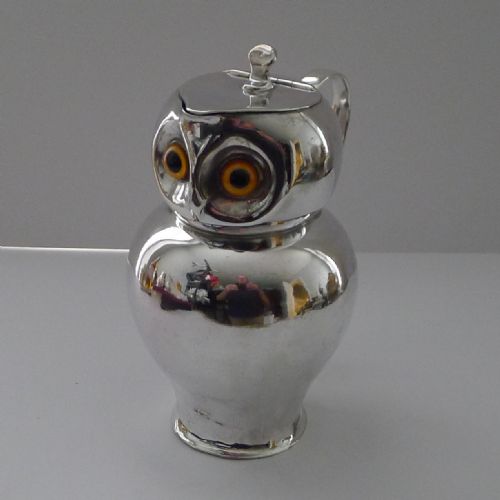
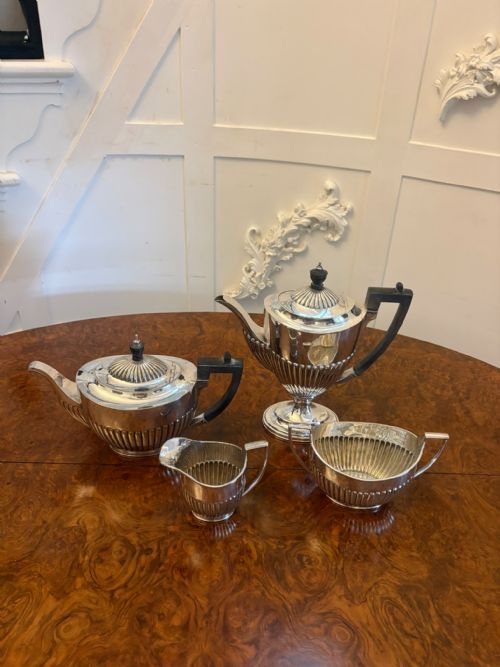
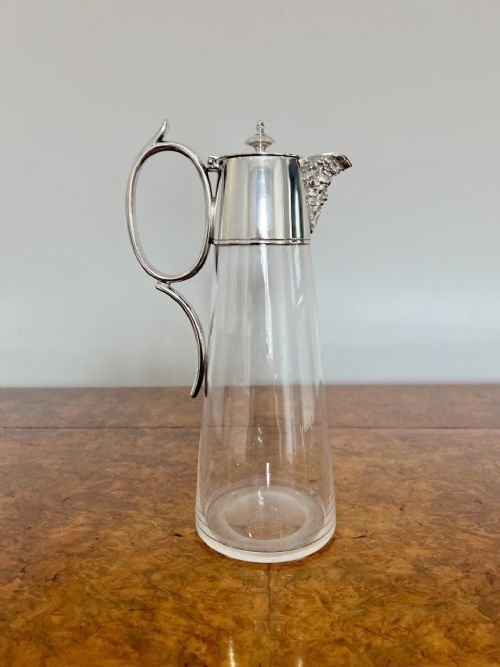
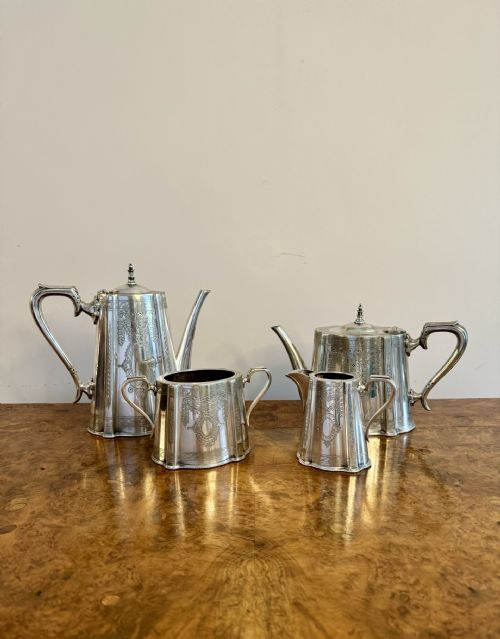
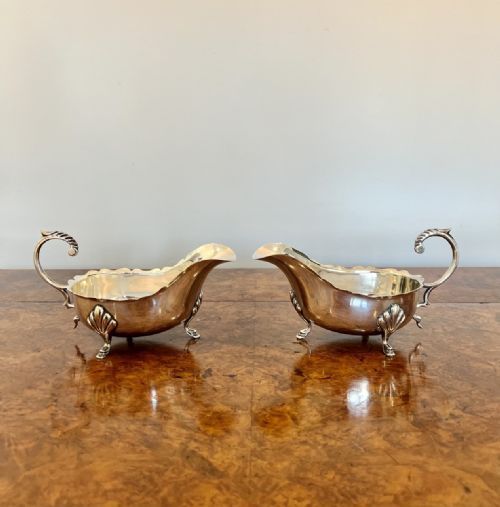
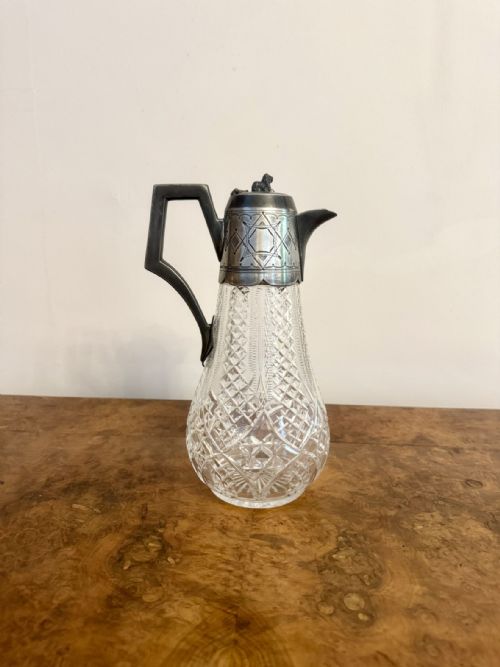
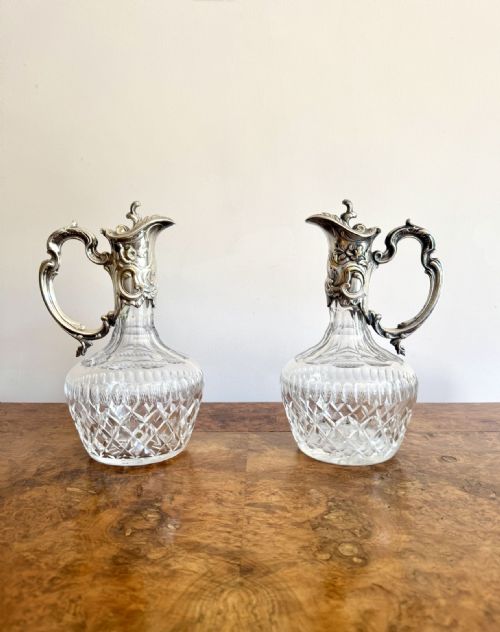
The edwardian silver plate jug encompasses a range of domestic serving vessels designed for formal dining and tea service. Buyers typically encounter claret jugs, water pitchers, and components of larger tea and coffee sets originating from the late nineteenth and early twentieth centuries.
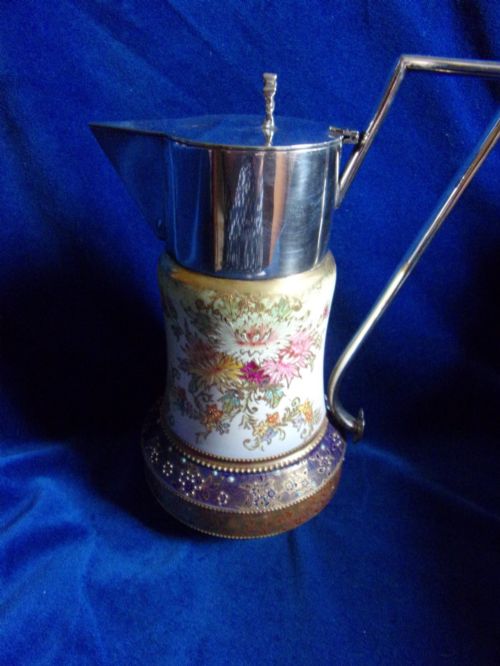
Forms span from slender wine ewers with hinged metal mounts to robust café au lait pots and sauce boats. While the majority belong to the Edwardian period, related Victorian examples also appear across the selection.
Design influences in this category stretch beyond standard domestic ware into specific stylistic revivals. Pieces range from plain geometric bodies to ornate Edwardian Rococo Revival, Art Nouveau, and Arts and Crafts designs.
Materials and construction techniques
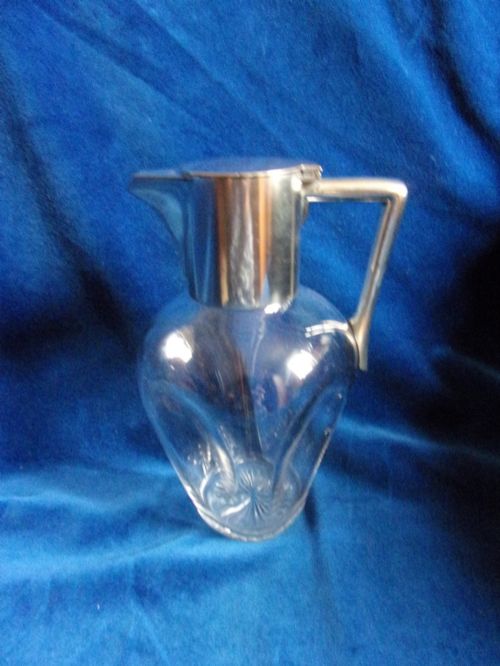
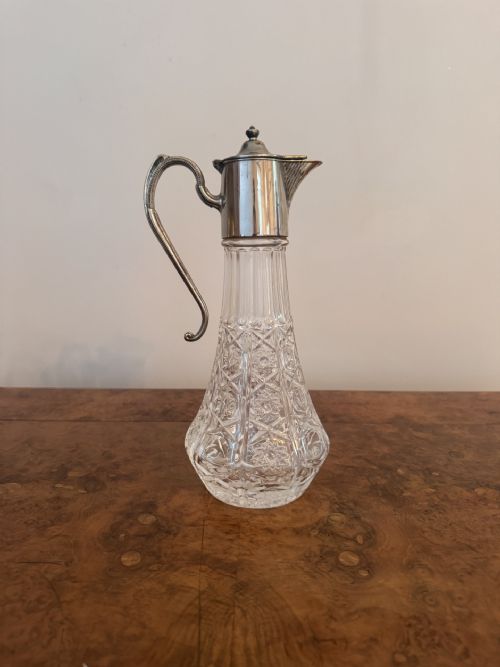
Makers built these vessels using a base of electroplated nickel silver or standard metal, coated in a layer of silver plate. Many forms incorporate blown or moulded glass bodies, including cut glass, etched glass, and coloured cranberry glass.
Metal mounts, hinged lids, and handles were cast or stamped separately before being soldered or fitted to the glass bodies. Details such as applied ribs, grapevine embossing, and ebonised wood or ebony handle fittings complete the construction.
Listings feature items from the Victorian, Edwardian, and Art Nouveau periods, combining silver plate with cut glass, cranberry glass, and ebonised wood.
Factors of distinction
Quality in these pieces rests upon the crispness of the casting and the integrity of the plating over the base metal. Superior examples display substantial weight, secure hinge mechanisms, and well-balanced handles.
The integration between the silver plated mounts and the glass body differentiates standard utility wares from finer decorative pieces. Depth of cut glass patterning and precision in applied ornamentation further elevate specific items.
Walker and Hall·Elkington and Co·Hukin and Heath·Mappin and Webb
The Edwardian Silver Plate Jug Glossary
- Electroplated nickel silver
- A base alloy of copper, nickel, and zinc coated with a thin layer of pure silver through an electrolytic process. This technique became the primary method for producing durable domestic tableware.
- Claret jug
- A specialised vessel designed for serving red wine at the dining table, typically featuring a glass body fitted with a hinged silver plated lid, spout, and handle.
- Cranberry glass
- A transparent red glass created by adding gold chloride to the molten batch. It appears frequently in decorative wine decanters and water pitchers from the period.
- Sauce boat
- An open container with a lip and handle used for serving gravies or sauces, often resting on an integrated base or paired with a matching tray.
- Spirit kettle
- A water heating vessel suspended above a small burner on a metal stand. These sets provided hot water for tea and coffee service in a drawing room setting.
Edwardian Silver Plate Jug: Frequently Asked Questions
How do I clean an edwardian silver plate jug?
Clean silver plate gently using a specialised non-abrasive silver polish and a soft cloth to remove tarnish without wearing through the plated layer. Avoid immersing pieces with hollow handles or fitted wooden components in hot water.
For glass bodies, warm soapy water and a bottle brush will clear residue safely. Ensure the metal mounts remain dry after washing to prevent spotting.
Were these jugs used daily or for display?
Most of these vessels served an active role in middle and upper-class dining rooms for serving wine, water, tea, or coffee during formal meals. Their robust construction in electroplated metal was intended for regular household employment rather than static display.
Over time, many transitioned into decorative items or collectible table accessories. Their enduring structural stability allows them to continue functioning in contemporary settings.
Can I use a claret jug for modern wine?
These vessels function effectively for decanting and serving contemporary red wines at the dinner table. The pour is controlled by the hinged lid and balanced handle design.
Check that the interior glass and silver spout are thoroughly cleaned before use. Acidic wines should not be left stored in plated containers for extended periods.
How can I tell an Edwardian piece from a Victorian one?
Edwardian items, produced roughly between 1901 and 1910, often favour lighter decorative schemes influenced by Art Nouveau and neoclassical revivals. Victorian pieces from earlier decades tend towards heavier, more densely ornamented forms with deep embossing.
Maker marks and registration numbers stamped into the base can also help narrow down the exact production era. Stylistic motifs provide the clearest visual guide when hallmarks are worn.