



Antique Beverage Pitcher
These antique beverage pitcher pieces bring historic form and utility to the table, offering classic vessels that collectors and hosts prize for period dining.
Antique Beverage Pitcher
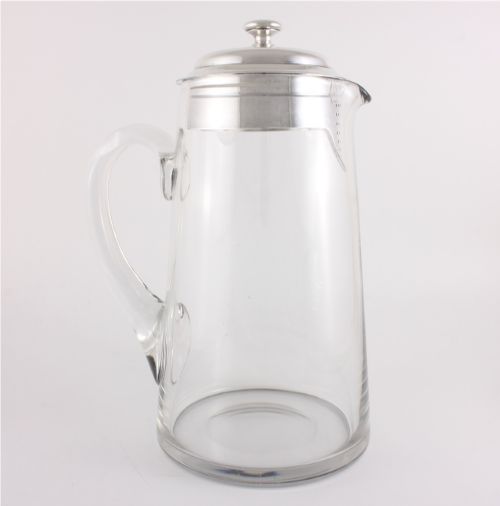
An antique beverage pitcher spans functional forms including water jugs, coffee pots, claret jugs, and hot water pots. These vessels emerge from periods such as the Georgian era, Victorian era, and the early twentieth century.
The assortment on this page draws together diverse stylistic traditions, ranging from Greek Revival and Arts and Crafts to Art Nouveau and Art Deco designs. Buyers frequently encounter silver plated and glass combinations alongside solid metals and ceramics.
Makers and manufacturers utilised specific forms to suit particular drinks, whether serving wine, lemonade, cocktails, or hot coffee. Each piece reflects the social habits of its original dining room context.
How They Were Made
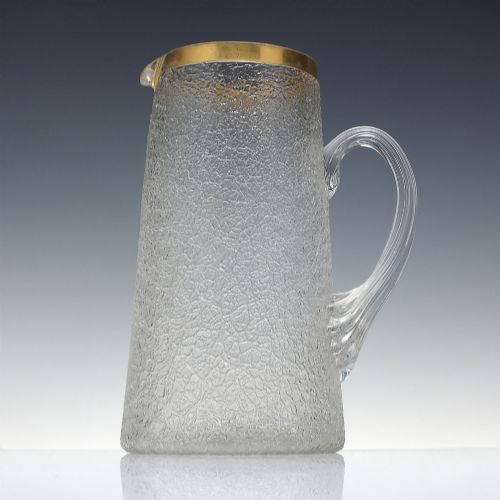
Craftsmen shaped these vessels from materials such as silver plate, pewter, brass, and blown glass, often incorporating cranberry glass or overshot glass techniques. Metal components were cast or hammered, while glass bodies featured etched decoration and applied gilded rims.
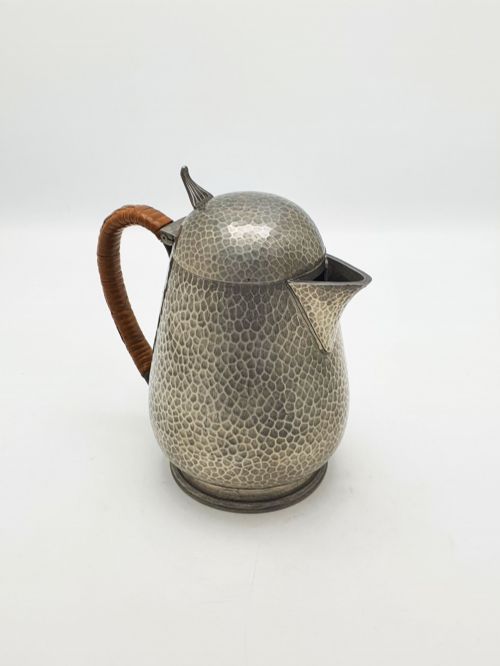
Handles required distinct insulating or gripping materials, leading to the use of woven cane and wicker wrapped around metal mounts. Precious metals like gold leaf were applied to accent rims and handle terminals on fine glass bodies.
Listings feature items spanning the Georgian period, Victorian era, Arts and Crafts movement, and 1930s.
What Varies in Quality
Quality depends upon the crispness of the etching on glass surfaces and the precise weight of the metal mountings. Thicker glass blanks and heavy silver plate denote superior production standards.
The integrity of applied handles, particularly cane and wicker bindings, distinguishes fine examples from utilitarian wares. Balance and proportion in the handle-to-spout relationship determine the success of the design.
Elkington & Co
The Antique Beverage Pitcher Glossary
- Claret jug
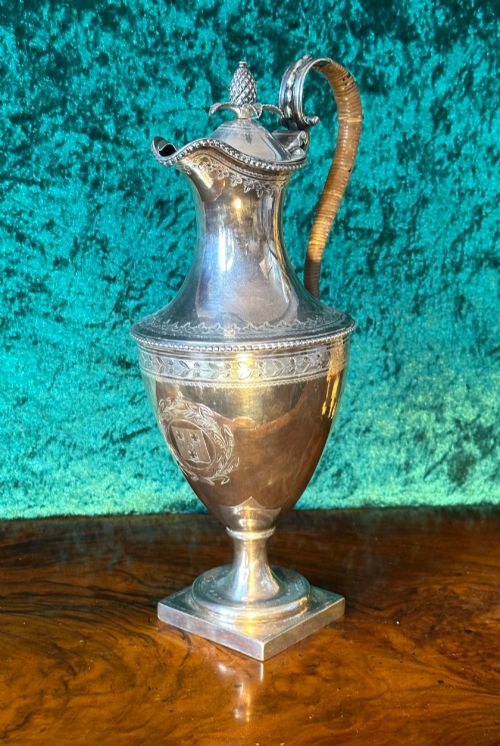
- A specialised vessel designed specifically for serving claret or red wine, typically featuring a glass body with a hinged metal mount and handle. These pieces date frequently to the late nineteenth century.
- Overshot glass
- A glass-making technique where fine threads of glass are trailed across the hot surface to create a textured, frosty appearance. This finish appears on nineteenth-century water jugs.
- Cranberry glass
- A rich red transparent glass coloured by the addition of gold chloride into the molten batch. It was highly popular during the Victorian period for decorative tableware.
- Trefoil
- A three-lobed decorative shape often seen in the rim configuration of ancient-inspired wine jugs. The curved form creates a practical pouring spout.
- Tudric
- A trade name used by Liberty & Co. for a range of pewter wares produced during the Arts and Crafts movement. These items often showcase stylized organic motifs and hand-finished surfaces.
Antique Beverage Pitcher: Frequently Asked Questions
What drinks were these pitchers used for?
These vessels served water, claret, lemonade, cocktails, and hot coffee depending on their specific form and thermal properties. Tall glass jugs handled cold refreshments, while metal pots kept liquids warm.
Form followed function closely in historic dining rooms, guiding the choice between an open-topped lemonade vessel and a lid-fitted coffee pot.
How do I clean silver plated pitchers?
Silver plate requires gentle washing in warm soapy water using a soft cloth to protect the underlying metal layers. Avoid harsh abrasive dips that strip the historic patina.
Dry the metal thoroughly immediately after washing to prevent water spotting and maintain the reflective shine of the plating.
Are cane and wicker handles durable?
Woven cane and wicker provide natural insulation against hot liquids while offering a secure grip. These organic materials remain surprisingly resilient if kept dry and clean.
Handle them with care, supporting the base of the pitcher during heavy pours rather than straining the handle joints.
How do I date a glass pitcher?
Dating relies on observing manufacturing traits such as pontil marks, glass coloration techniques like cranberry shading, and the style of etched motifs. Etched birds and branches frequently point to late nineteenth-century English aesthetics.
Metal mounts stamped with registry marks or maker details also provide secure chronological markers for the piece.