



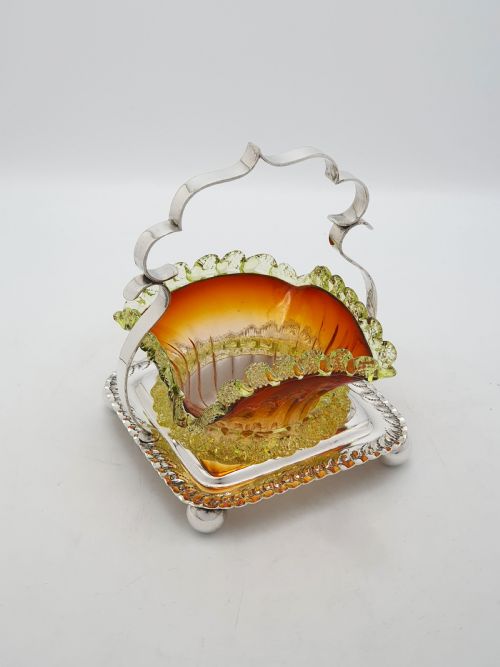

Edwardian Silver Plate Dishes
Edwardian silver plate dishes bring practical elegance to the table, combining heavy metal mounts with vibrant coloured glass and ceramic liners.
Edwardian Silver Plate Dishes
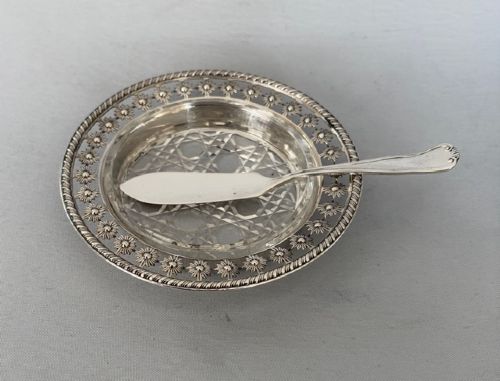
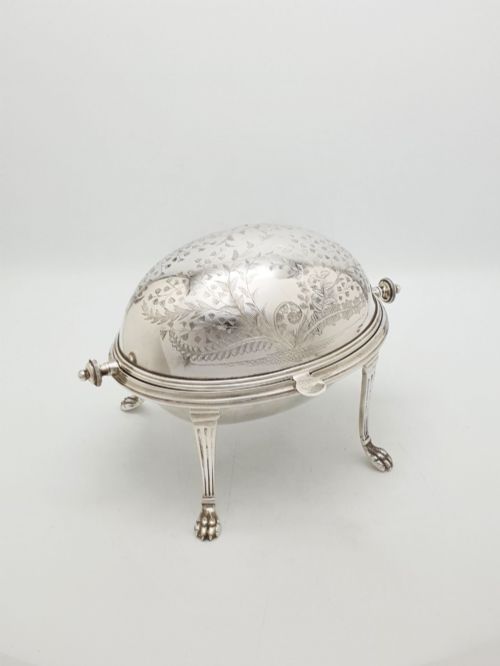
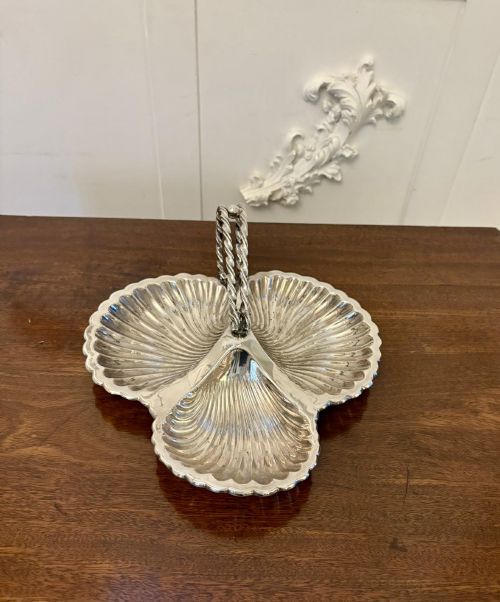
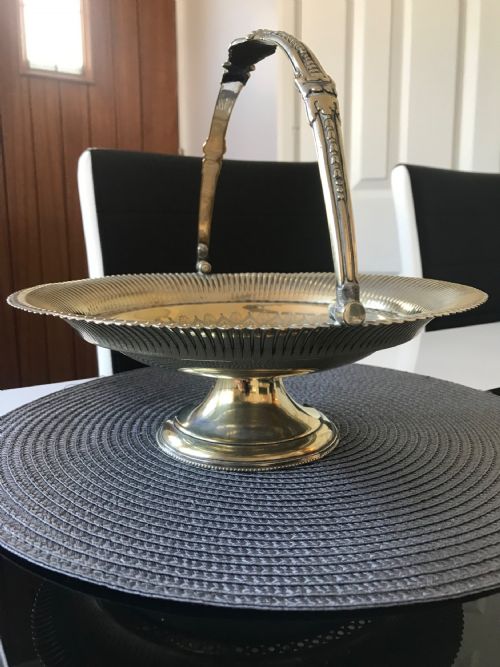
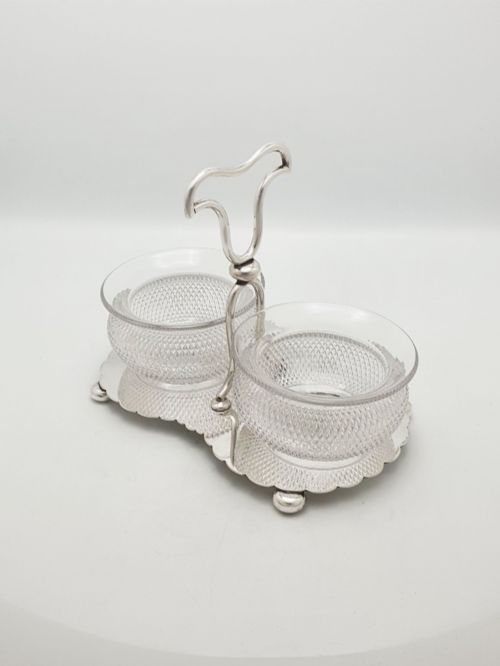
Edwardian silver plate dishes encompass a wide variety of domestic serveware, including fruit baskets, entree dishes, condiment stands, and biscuit barrels. These pieces reflect the formal dining customs of the early twentieth century, where presentation on the sideboard or dining table mattered deeply to hosts.
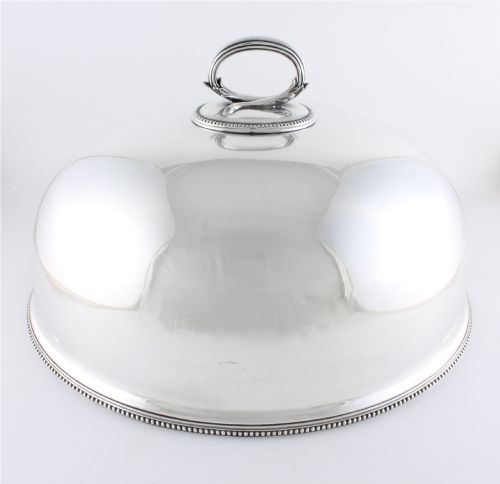
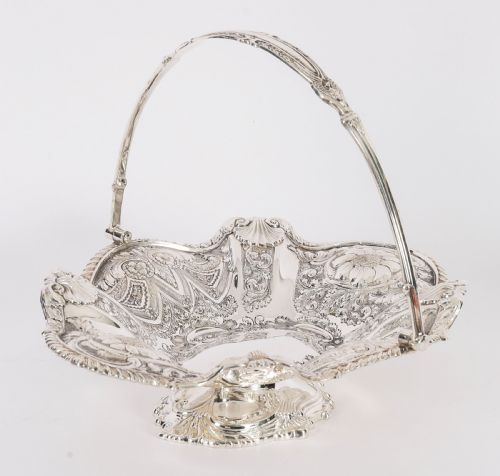
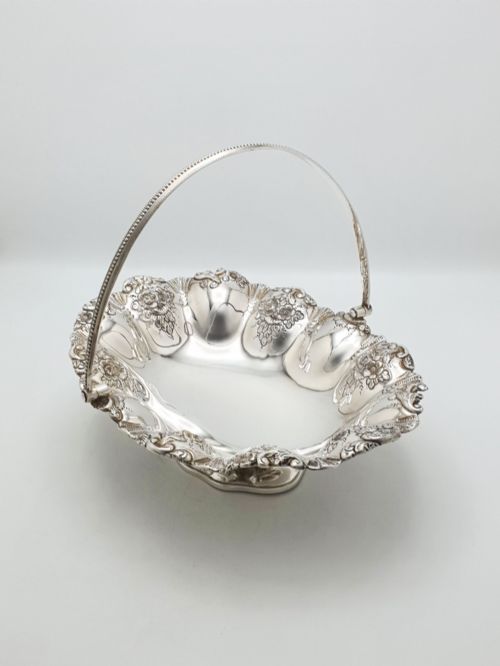
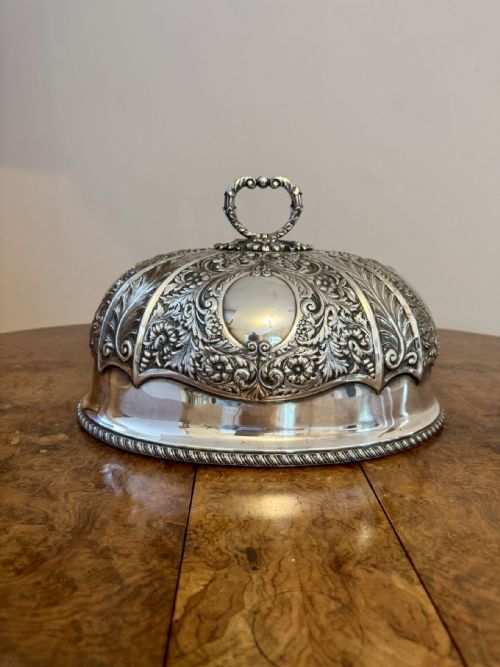
The most common examples on this page date from the Edwardian period and the surrounding decades, frequently taking the form of rectangular or oval entree dishes with fitted covers. Alongside these utilitarian servers, one encounters decorative bowls, sweetmeat dishes, and baskets featuring swing handles for cakes, fruit, or bonbons.
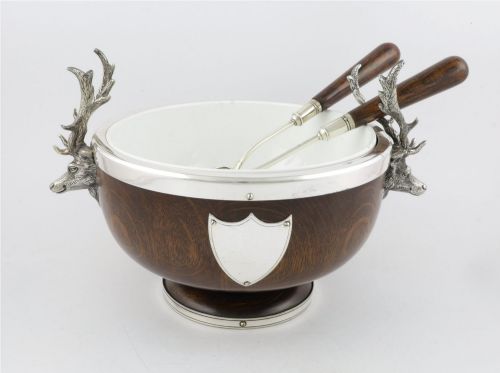
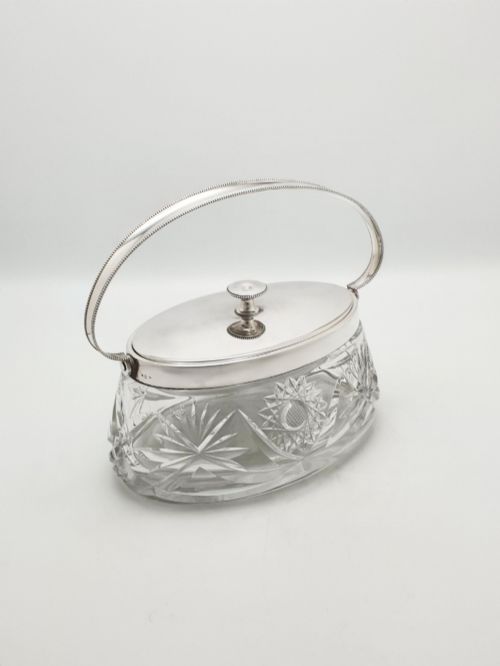
Makers utilised diverse materials to enrich these objects, pairing electroplated metal with ruby, cranberry, amber, or vaseline glass inserts, as well as ceramic bodies and occasionally oak or cut glass. While the majority of forms adhere to Edwardian tastes, items span from the nineteenth century into the mid-twentieth century, incorporating styles such as Art Nouveau, Neoclassical, and Rococo Revival.
Materials and Technique
The foundation of these pieces typically rests upon a base metal such as nickel silver or electroplated nickel silver, commonly abbreviated as EPNS, which provided a durable and uniform substrate for silver plating. Manufacturers applied a thin layer of pure silver over this base using electroplating techniques that gained prominence during the nineteenth century, allowing for mass production of luxurious dining accessories without solid silver costs.
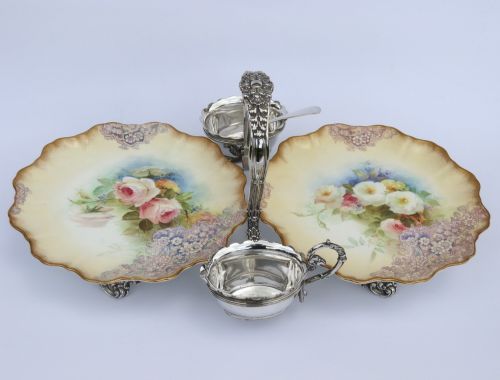
Many serving vessels incorporate delicate decorative elements created through floral repoussé work, pierced rims, or cast handles with reeded and neoclassical motifs. Glass liners, including cut glass and coloured glass bowls, were blown or moulded to fit snugly inside metal frames, while ceramic components such as Doulton Burslem plates added contrasting textures and hand-painted details to dessert sets.
Edwardian Silver Plate Dishes Retail Price Guide 2026
Typical asking prices for edwardian silver plate dishes among the pieces listed under this phrase on Sellingantiques today, from the lower quarter to the upper quarter. They describe what is for sale here now, not the wider market.
Materials recorded across the inventory include silver plate, nickel silver, cranberry glass, vaseline glass, oak, and ceramic.
Assessing Quality
Quality in these items is determined by the crispness of decorative details, such as the depth of floral repoussé work on baskets or the weight and balance of entree dishes and their covers. Heavier gauges of metal and substantial base metals indicate superior manufacturing standards that endure frequent use and polishing.
The integrity of the plating and the harmonious integration of auxiliary materials, such as undamaged coloured glass inserts or fitted ceramic plates, distinguish finer examples. Maker attribution also plays a role, with established firms demonstrating superior craftsmanship in hinges, handles, and structural joints.
George W. Scott And Sons Ltd·Mappin And Webb·Walker And Hall·Elkington·Thomas Bradbury·Asprey And Co·Hamilton And Inches
The Edwardian Silver Plate Dishes Glossary
- Electroplated Nickel Silver
- A copper, nickel, and zinc alloy coated with a layer of pure silver through an electrolytic process. It served as the standard durable base for quality Edwardian serveware.
- Entree Dish
- A covered serving vessel used for presenting main courses or side dishes at the dining table. They often feature removable handles to allow the cover to double as an extra shallow dish.
- Repoussé
- A metalworking technique where the artisan hammers the design from the reverse side to form raised ornamentation on the front. It is frequently seen on the rims of Edwardian baskets and bowls.
- Bonbon Dish
- A small, decorative open vessel intended for holding sweets, nuts, or small confections. They often incorporate coloured glass liners or pierced metalwork.
Edwardian Silver Plate Dishes: Frequently Asked Questions
What were Edwardian silver plate dishes used for?
These dishes served specialised functions in Edwardian households, ranging from keeping roasted meats warm at the table to presenting biscuits, bonbons, and fruit.
Hosts utilised them during formal meals and afternoon teas to display food attractively while protecting dining surfaces.
How do I clean silver plate dishes?
Maintenance requires gentle washing in warm soapy water using a soft cloth to protect the thin layer of silver from abrasive wear.
Harsh chemical dips should be avoided, especially on pieces with glass liners, ceramic elements, or painted details.
Can I use these for daily dining?
Most of these pieces function well for modern serving, provided they are hand-washed promptly after use.
Avoid putting silver plate into dishwashers, as harsh detergents and high heat will ruin the plated finish and damage glass inserts.
How can I tell the period?
Dating relies on stylistic clues like the organic whiplash lines of Art Nouveau or the symmetrical restraint of Neoclassical revival designs.
Maker marks, registration numbers, and the presence of specific glass colours like cranberry or vaseline also help narrow down the decade of production.