

Edwardian Silver Place Holders
Edwardian silver place holders are charming table accessories that bring figurative detail and refined metalsmithing to formal dining.
Edwardian Silver Place Holders
Edwardian silver place holders and menu card holders serve to designate seating or display dining options on the table. The examples seen here span the Edwardian period alongside George V, Victorian, and later decades into the 1920s and 1930s.
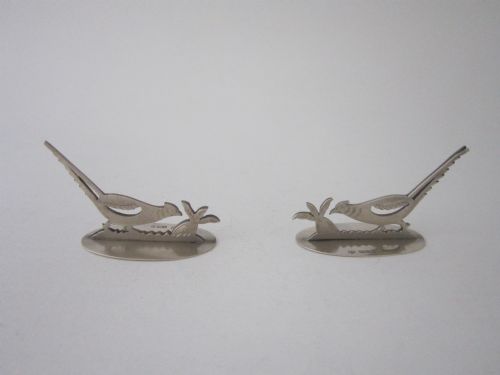
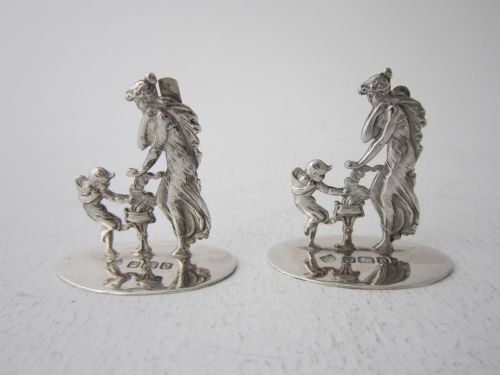
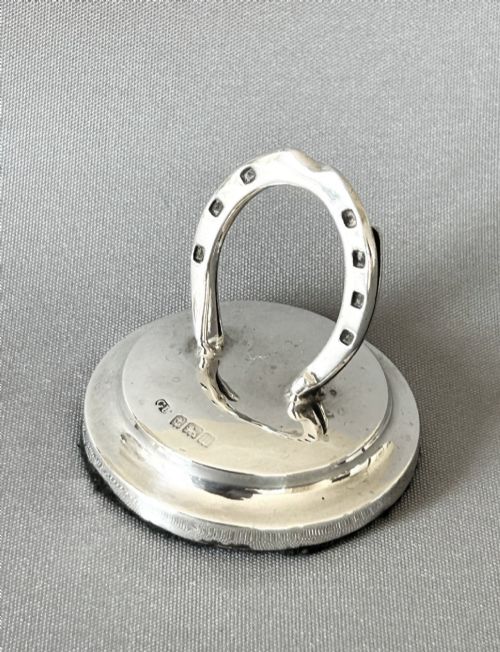
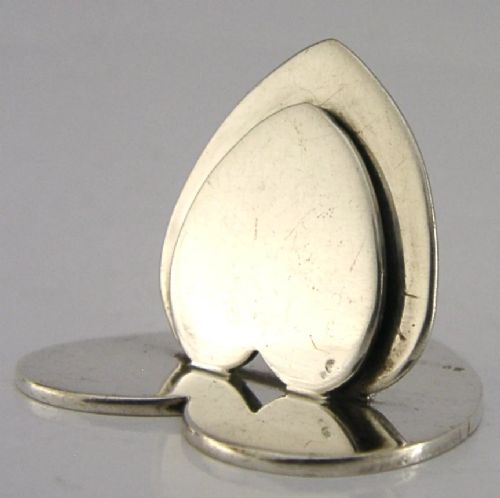
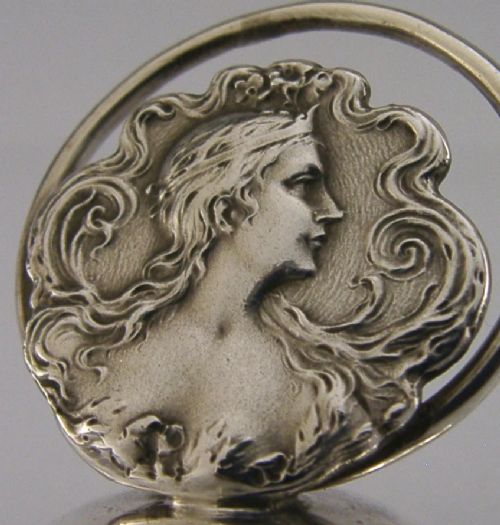
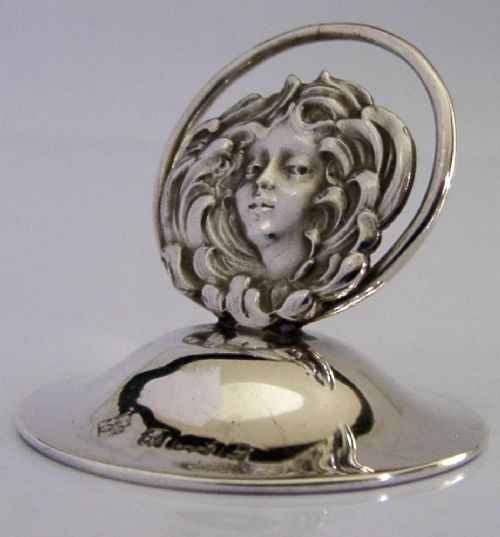
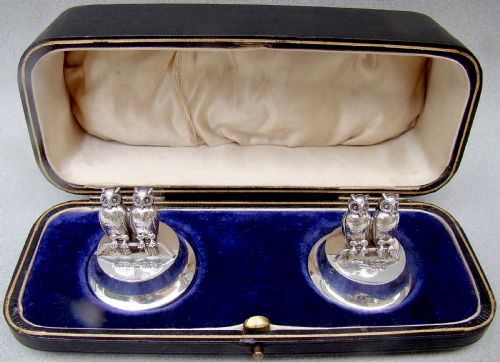
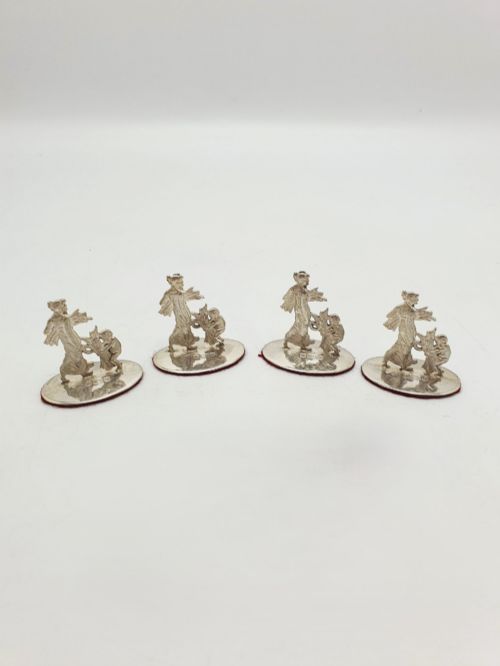
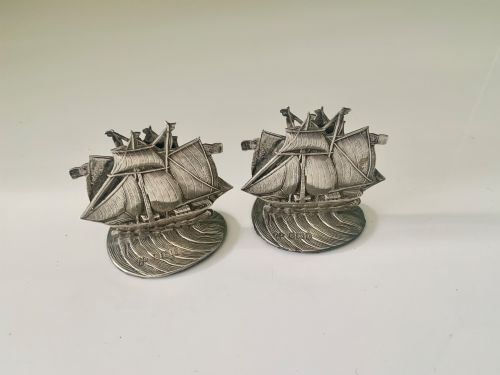
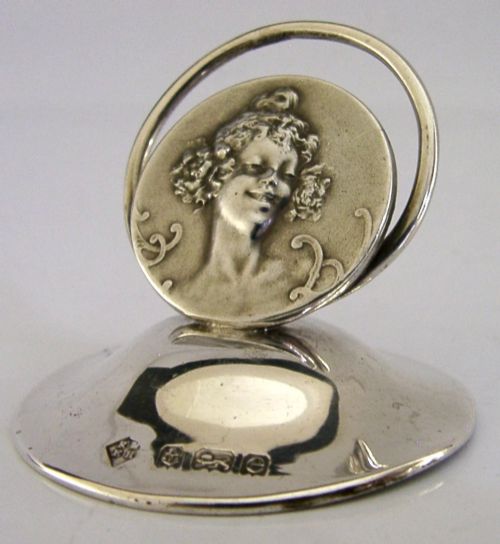
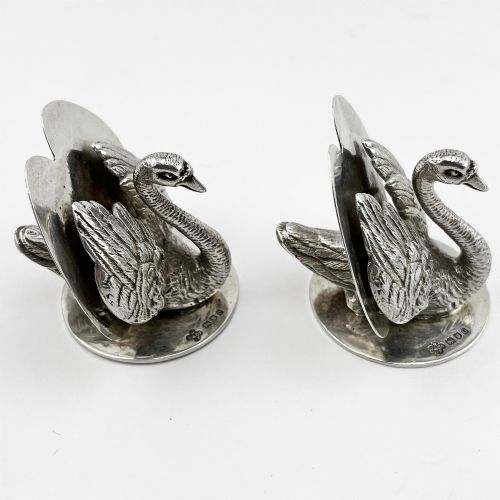
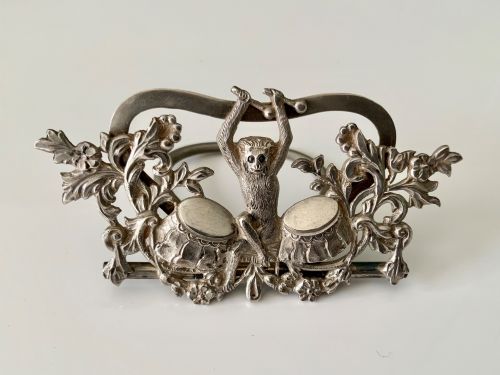
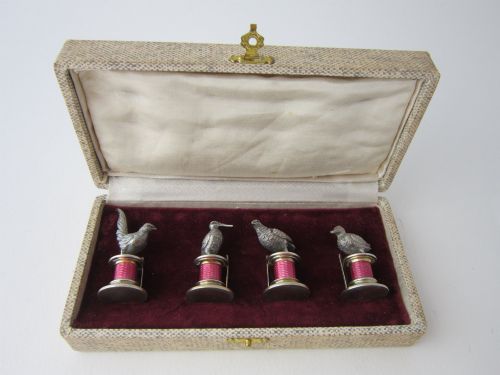
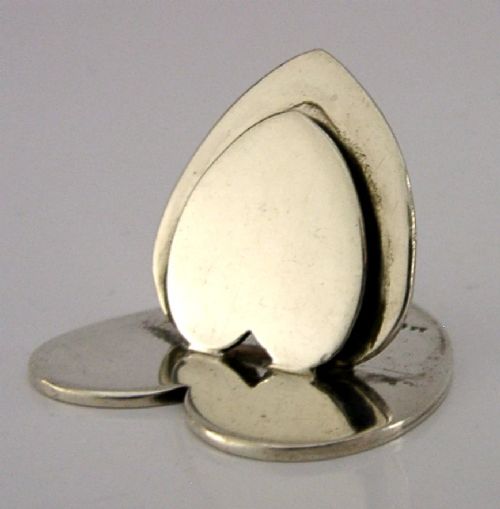
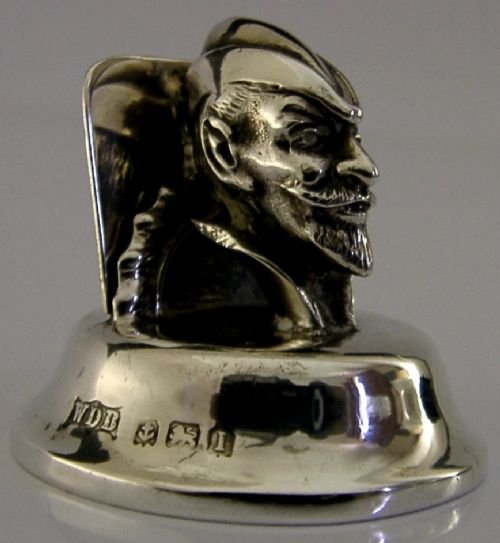
The forms vary widely from simple geometric shapes to elaborate figural subjects. Buyers frequently encounter whimsical designs such as owls, swans, grouse, pheasants, monkeys playing drums, galleons, sentry boxes, horseshoes, love hearts, maidens, and Alice in Wonderland motifs.
These accessories often arrive as pairs, sets of three or four, or larger assemblages of twelve. Stylistic influences include Art Nouveau, Arts and Crafts, Celtic Revival, and Scottish Revival alongside classic Edwardian designs.
How they were made
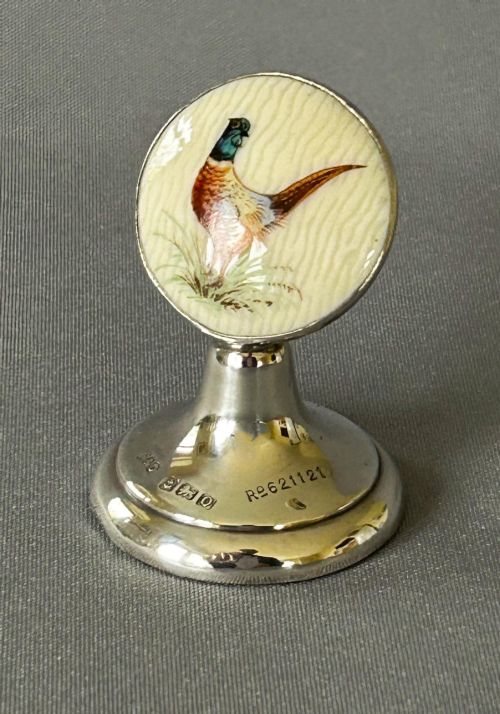
Makers utilised sterling silver and solid silver as the primary foundation for these table ornaments. Many pieces incorporate secondary materials such as enamel, guilloche enamel, velvet, silk, leather, and gemstones to add colour and texture.
Figural subjects and decorative motifs were cast, chased, and mounted onto weighted bases or hinged supports designed to hold paper menus and place cards securely upright during dining.
Edwardian Silver Place Holders Retail Price Guide 2026
Typical asking prices for edwardian silver place holders among the pieces listed under this phrase on Sellingantiques today, from the lower quarter to the upper quarter. They describe what is for sale here now, not the wider market.
Listings feature sterling silver, enamel, and leather across Edwardian, George V, and Art Deco styles.
What varies in quality
The application of coloured enamel or guilloche work introduces another tier of distinction, where intact, smooth surfaces elevate the visual interest of the piece.
Completeness within cased sets or matching pairs affects the overall integrity of the grouping on the dining table.
Sampson Mordan·Levi and Salaman·Liberty
The Edwardian Silver Place Holders Glossary
- Sterling silver
- A standard alloy consisting of silver and other metals, typically copper, providing durability for intricate table items. This grade is marked on most British items of the period.
- Guilloche enamel
- A decorative technique where translucent enamel is layered over precise machine-turned metal engravings. It creates geometric patterns beneath a glossy coloured surface.
- Menu holder
- A small desk-like or clip accessory designed to stand upright on a dining table to display the meal selection. They often match the accompanying place card markers.
- Place card holder
- A miniature stand utilised to display the guest's name at a formal dining setting. These share stylistic designs with menu holders.
- Chasing
- A metalsmithing technique of hammering metal from the front to sink the surface and create raised ornamental designs without removing material.
Edwardian Silver Place Holders: Frequently Asked Questions
How were place holders used?
Hosts placed them on dining tables to guide guests to their designated seats and to display the courses of the meal. The weighted bases kept the cards upright amidst table activity.
They functioned as both practical stationery supports and decorative conversation pieces during large dinner parties.
How do you display them at home?
Collectors often arrange them on dining tables, in cabinets, or on mantelpieces to showcase their sculptural detail. Keeping them grouped in pairs or sets preserves their visual impact.
Proper storage away from high humidity protects the silver finish and any delicate enamel or silk components.
How to tell periods apart?
Pieces from the Edwardian period often feature graceful curves, Art Nouveau styling, and light floral or figurative motifs. Later George V or 1920s examples may incorporate stricter geometric lines or different assay marks.
Examining the hallmarks and registration numbers provides precise dates for the manufacturing period.