




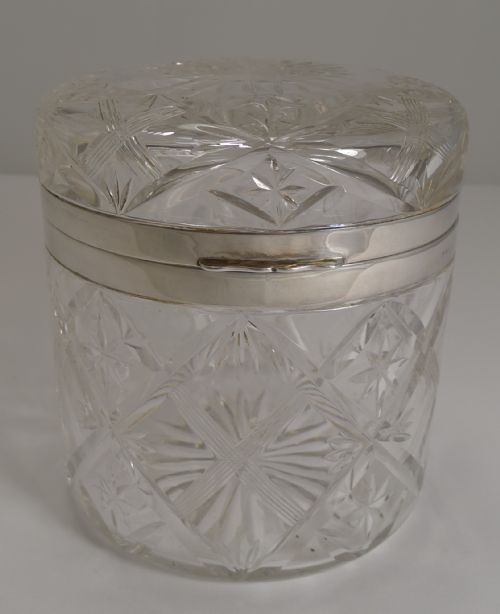


Edwardian Silver Mounted Bowl
An edwardian silver mounted bowl brings together sparkling glass or polished wood with gleaming metalwork, offering a functional centrepiece for the modern table.
Edwardian Silver Mounted Bowl
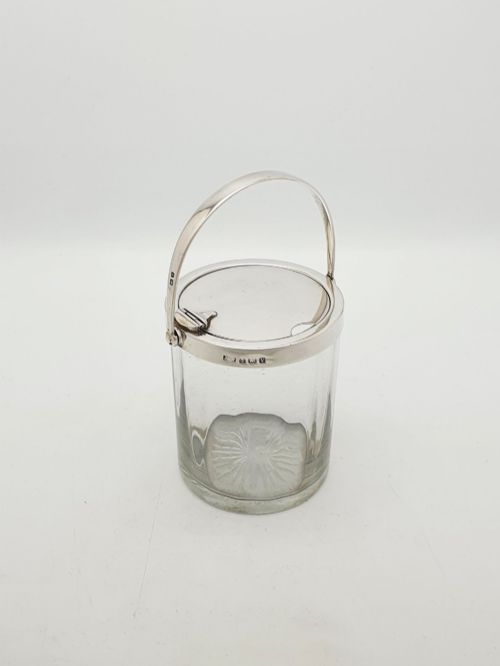
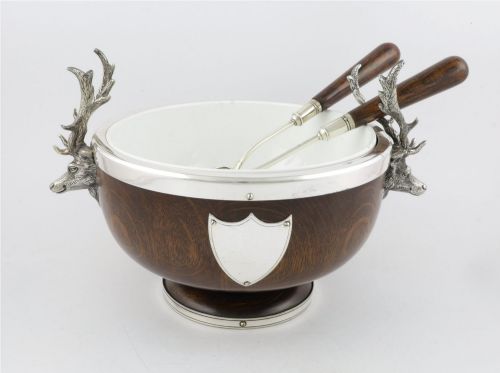
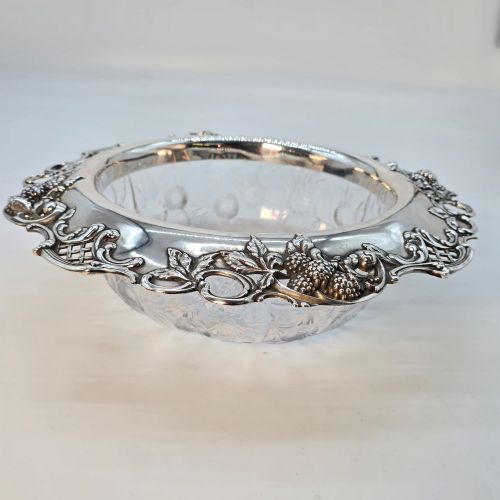
When searching for an edwardian silver mounted bowl, buyers encounter a diverse selection of vessels combining glass, crystal, oak, or ceramic with sterling silver and silver plate. These pieces serve various functions across the home, appearing as salad bowls, bonbon dishes, trinket boxes, and pot pourri baskets.
The objects on this page originate from multiple decades spanning the late nineteenth century through to the early twentieth century, alongside Victorian, Art Nouveau, Art Deco, and Celtic Revival styles. The most frequently met variations combine cut crystal or cut glass bodies with fitted silver rims, collars, or handles.
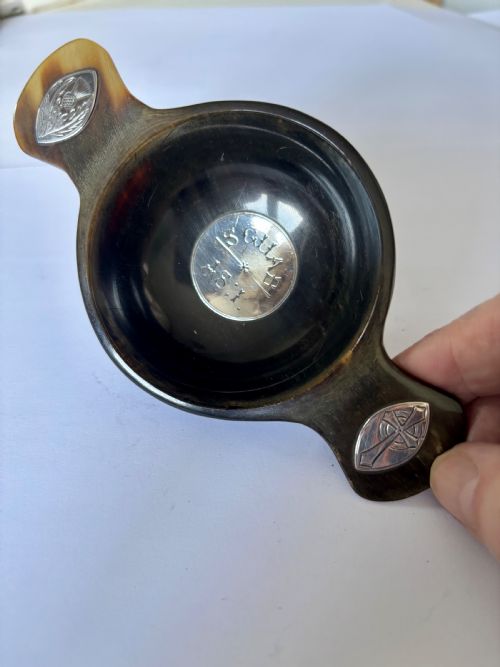
Beyond standard table serveware, the category encompasses specialised forms like Scottish horn quaichs, vanity jars, and lidded boxes featuring tortoiseshell or ceramic inserts. Each item demonstrates how period makers integrated metallic mounts into domestic glassware and woodenware to elevate everyday objects.
Materials and construction
Makers utilised heavy cut crystal, pressed glass, and polished oak as the primary body materials for these vessels, shaping them into deep bowls, baskets, and dishes. These structural elements provide weight and clarity, contrasting sharply against the metallic components applied to rims and bases.
Sterling silver and silver plate form the mounts, collars, and hinged lids, often secured directly onto the glass or wooden bodies through custom engineering. Artisans also incorporated organic elements like animal horn and tortoiseshell, mounting them with metal bands to create distinctive display pieces.
Edwardian Silver Mounted Bowl Retail Price Guide 2026
Typical asking prices for edwardian silver mounted bowl among the pieces listed under this phrase on Sellingantiques today, from the lower quarter to the upper quarter. They describe what is for sale here now, not the wider market.
Assessing quality and craftsmanship
The distinction between standard examples and superior pieces rests upon the depth and crispness of the glass cutting, the thickness of the silver mounts, and the integration of materials. High-quality items display heavy crystal with sharp facets that catch the light, paired with substantial silver rims bearing clear hallmarks.
Attention to detail in subsidiary materials also elevates a piece, such as the natural grain of polished oak, the rich hue of cobalt glass, or the seamless fit of tortoiseshell lids. Superior craftsmanship ensures that metal mounts remain firmly fixed to their glass or wooden foundations without structural looseness.
Tiffany and Co·Royal Doulton·Gorham
The Edwardian Silver Mounted Bowl Glossary
- Sterling silver
- A silver alloy containing 92.5 percent pure silver by mass and 7.5 percent other metals, usually copper. This standard composition guarantees durability while maintaining a bright, reflective finish on mounts and rims.
- Silver plate
- A layer of silver applied to a base metal core, such as copper or nickel brass. It offers the visual appeal of solid silver at a different cost point.
- Cut crystal
- Glass containing lead oxide that increases its density, refractive index, and brilliance. Artisans cut geometric patterns into the surface to enhance light dispersion.
- Quaich
- A traditional two-handled drinking vessel of Scottish origin. Antique examples often feature shallow wooden or horn bowls with decorative metal mounts.
- Pot pourri basket
- An openwork or pierced vessel designed to hold dried scented plant material. The pierced metal mounts allow fragrance to diffuse into a room.
Edwardian Silver Mounted Bowl: Frequently Asked Questions
How do I clean the silver mounts safely?
Use a soft microfiber cloth and a dedicated silver polish, taking care to avoid getting liquid cleaner into any crevices between the metal and the glass or wood.
Prevent polish from contacting porous materials like oak or tortoiseshell by applying it carefully with a cotton bud.
Can I use these bowls for serving food?
Many of these vessels, particularly the cut crystal and glass salad bowls or bonbon dishes, remain entirely suitable for serving dry foods and salads today.
Exercise caution with items featuring tortoiseshell, horn, or delicate wooden elements by keeping them restricted to dry use or display.
How can I identify the date of my bowl?
Examine the silver mounts for hallmarks, which often include date letters, city marks for assay offices like Birmingham, and maker's marks.
Stylistic indicators such as heavy Edwardian cutting or Art Deco geometric lines also help determine the era of manufacture.
What is the difference between crystal and glass?
Crystal contains lead oxide, which makes the material heavier, softer for cutting, and capable of refracting light into prismatic colours.
Standard glass lacks this lead content, resulting in a lighter weight and less optical dispersion when faceted.
How were these pieces used originally?
Homeowners utilised these bowls for serving desserts, salads, and sweets, or placed them on dressing tables to hold trinkets and vanity accessories.
Covered boxes and jars served to store small personal items safely while adding decorative elegance to a room.