


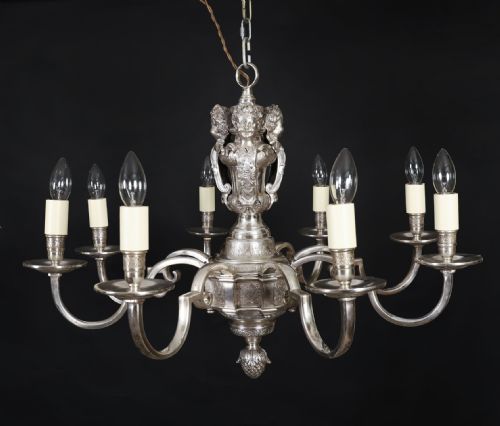
Edwardian Silver Lamp
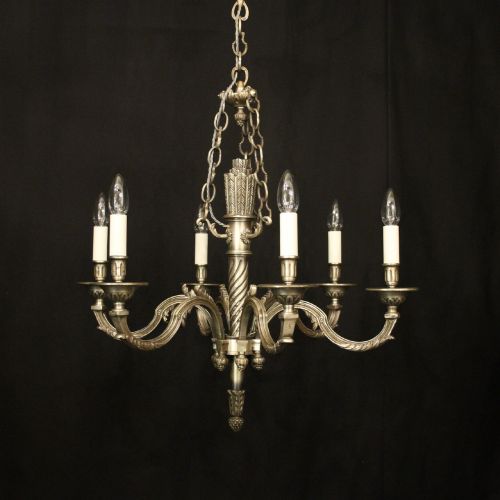
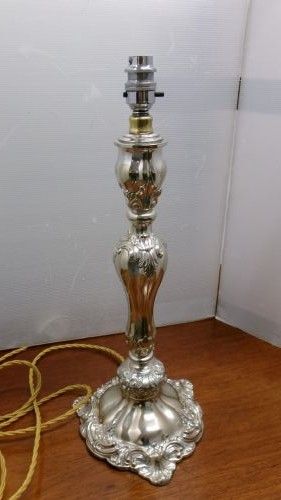
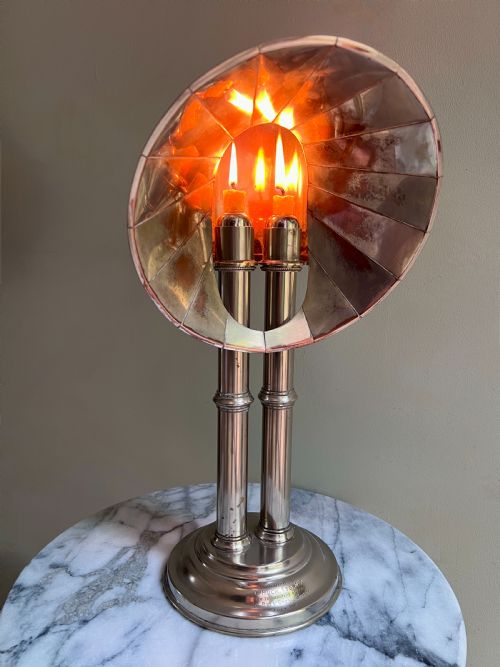
An edwardian silver lamp brings classical proportion and silvered warmth to a room, offering the focused task light or ambient glow collectors seek.
Edwardian Silver Lamp
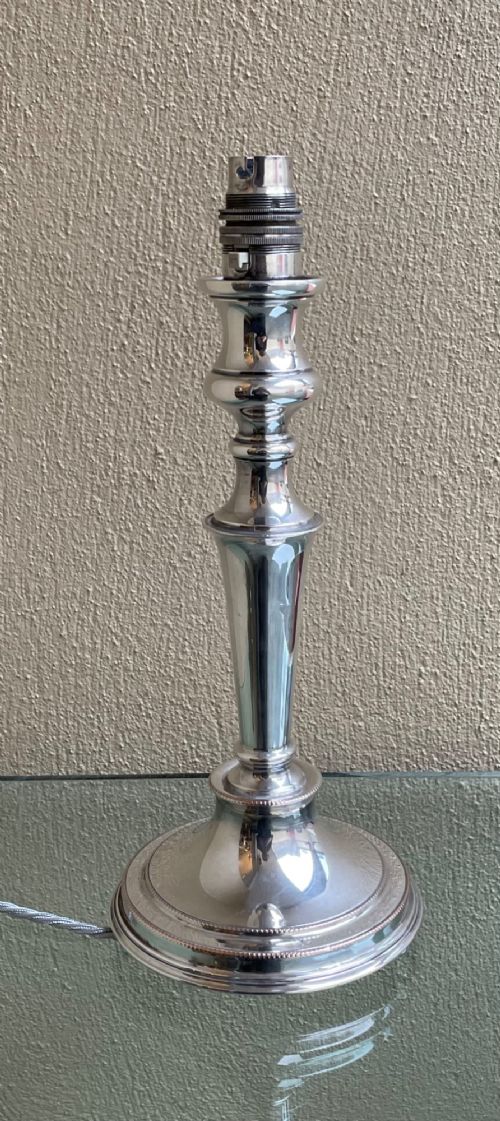
When you search for an edwardian silver lamp, you enter a field dominated by substantial Corinthian and Doric column table lamps alongside slender adjustable reading lights. These pieces frequently date from the early decades of the twentieth century, bridging late Victorian mass production and the clean lines of the interwar years.
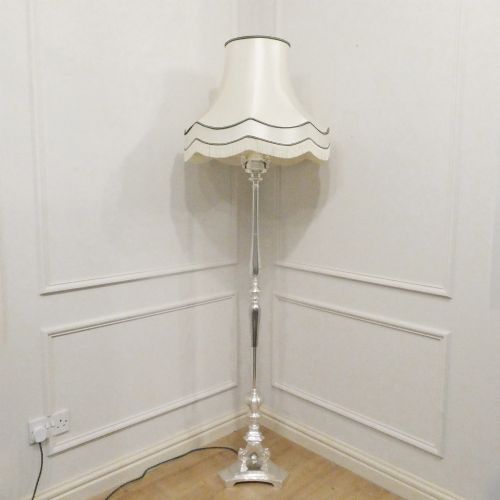
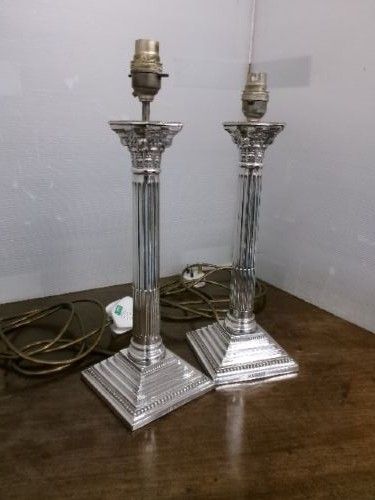
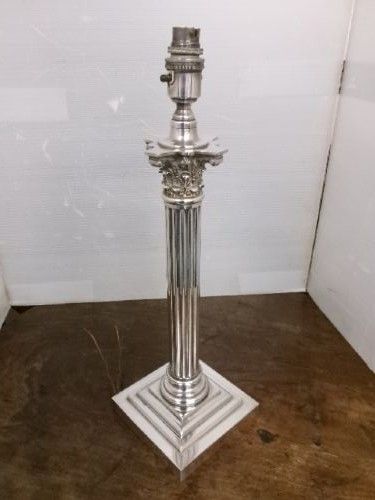
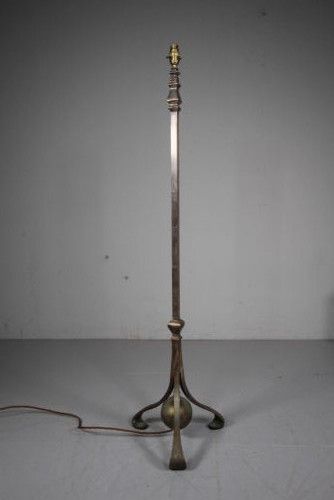
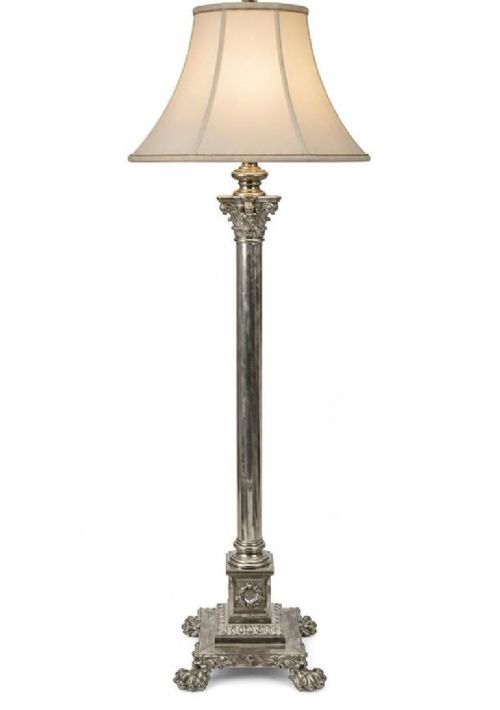
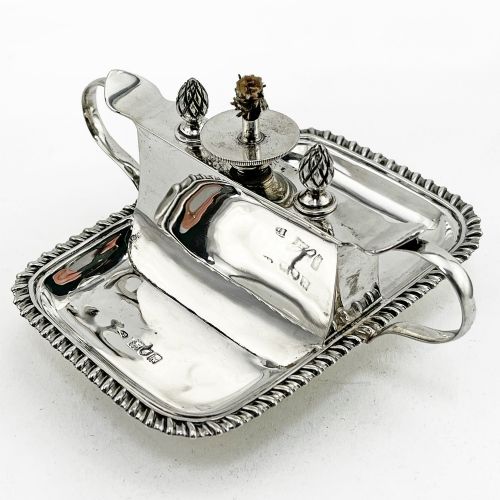
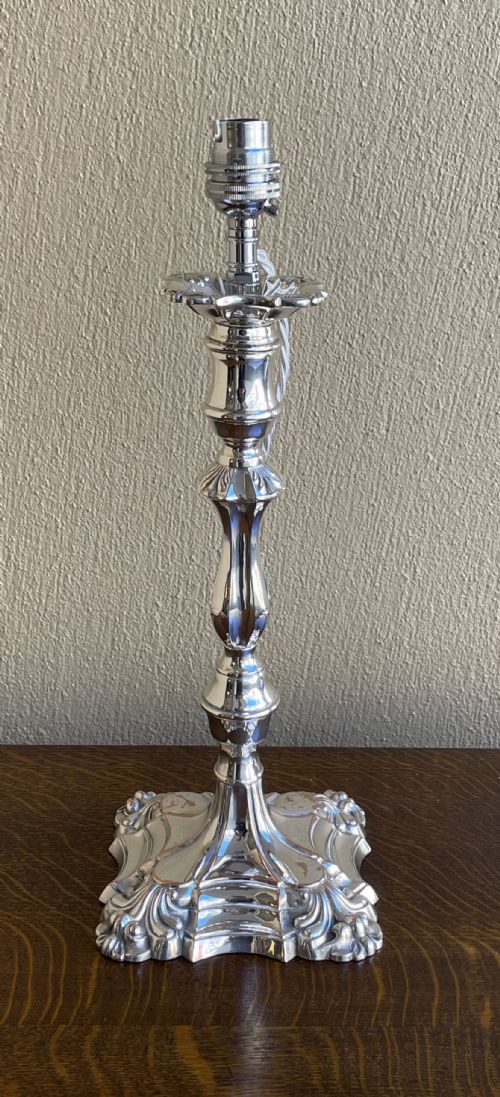
The version you meet most often on this page is the silver plated Corinthian column, standing firmly on stepped square bases with detailed acanthus leaf capitals. Alongside these domestic table models, the inventory includes smaller sterling silver table lighters fashioned as classical oil lamps and occasional towering floor standards.
Makers from the period embraced neoclassical revivalism, translating ancient architectural motifs into domestic lighting solutions designed for gas or the newly emerging electric grid. Whether executed in heavy sterling or resilient silver plate over copper, these lamps bring structural symmetry and reflective brilliance to interior spaces.
Materials and Construction
Makers constructed these lamps primarily from solid sterling silver or base metals coated in a heavy layer of silver plate, frequently designated as EPNS. Columns were often weighted internally with lead or resin to provide stability on side tables and desks.
Decorative elements such as Corinthian capitals and stepped bases relied on meticulous stamping, casting, and hand-chasing techniques. Surfaces were then polished to a bright finish, sometimes incorporating patinated contrasts to accentuate the crisp architectural detailing.
One remarkably specific piece combines taxidermy with lighting, presenting a polished deer hoof as a sturdy nineteenth-century table lamp base.
Design and Proportion
The distinction between standard domestic lighting and high-end examples lies in the crispness of the casting and the thickness of the metal. Superior columns display sharp, deep relief in the acanthus leaves and precise fluting along the shaft, whereas lesser versions soften these architectural details.
Proportion and scale also separate the range. The finest pieces maintain balanced heights without appearing overly slender, and retain their original weighted bases and matching hallmarked components rather than assembled replacement parts.
Mappin And Webb·Hamilton And Inches·Clark And Sewell·F And C Osler·Veritas Lamp Works
The Edwardian Silver Lamp Glossary
- Corinthian column
- A classical architectural order featuring an ornate capital decorated with acanthus leaves, frequently utilised for tall table lamps. This design remained exceptionally popular among Edwardian silversmiths.
- EPNS
- Electroplated Nickel Silver, a common base metal method where a thin layer of silver is deposited onto a nickel brass substrate. It provided the visual weight of silver at a more accessible cost.
- Hallmark
- An official stamp indicating the metal purity, assay office, and year of manufacture on solid silver items. These marks allow collectors to trace the exact origin of a piece.
- Table lighter
- A small decorative reservoir, often shaped like an ancient oil lamp, designed to hold fuel and a wick for lighting cigars and cigarettes. They served as functional ornaments on Edwardian smoking tables.
- Gimbal
- A pivoted ring mounting that allows a lamp to remain level regardless of movement. This mechanism was essential for nautical lighting on ships.
Edwardian Silver Lamp: Frequently Asked Questions
Are these lamps wired for modern electricity?
Many surviving examples have been rewired during their lifetime to comply with modern safety standards. You should check the internal cord and plug status upon arrival.
If rewiring is necessary, a qualified electrician can easily update the internal flex without altering the historic exterior structure of the lamp.
How can I tell solid silver from plate?
Examine the piece closely for official hallmarks stamped into the metal, which indicate solid sterling silver standard. Silver plate will typically show no such stamps or may feature maker marks denoting electroplating.
Wear points on the edges of plated items often reveal the yellowish base metal underneath, a characteristic entirely absent on solid sterling pieces.
What shades suit an Edwardian lamp?
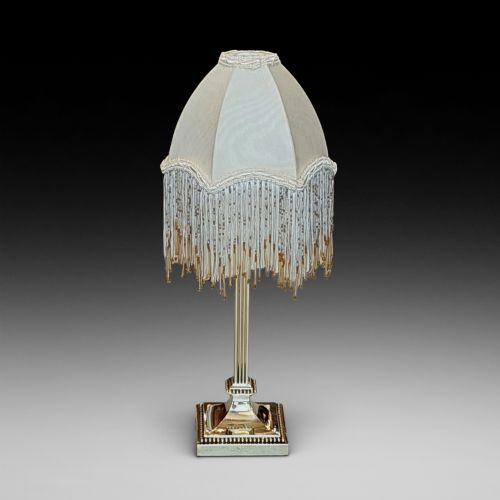
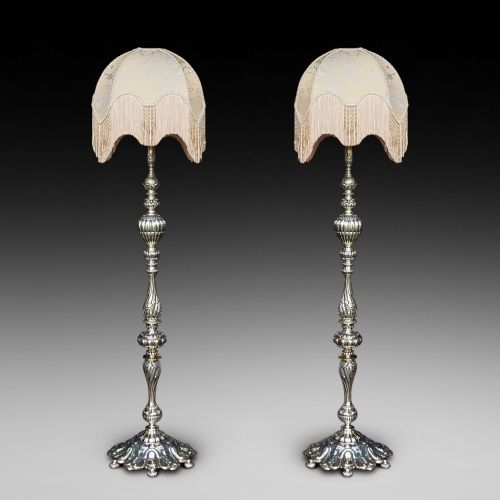
Traditional silk or pleated fabric shades in neutral tones or deep jewel colours complement the neoclassical aesthetic. The scale of the shade should balance the height and width of the column.
Fringed or tasselled designs add period authenticity, mirroring how these lighting fixtures were dressed in Edwardian drawing rooms.