




Edwardian Silver Haberdashery
Edwardian silver haberdashery brings together miniature sculptural forms and practical sewing tools from the early twentieth century.
Edwardian Silver Haberdashery
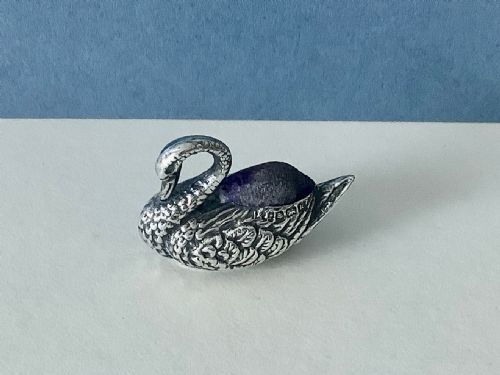
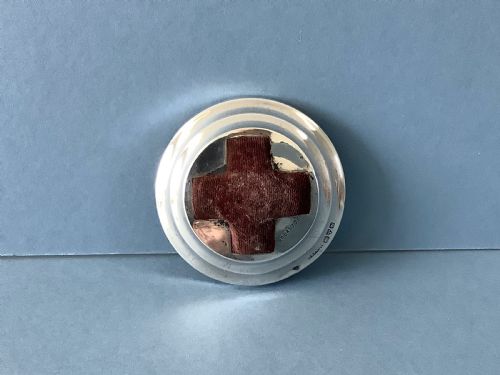
When you search for edwardian silver haberdashery, you encounter small desk items and sewing equipment made from sterling silver, alongside fabric and velvet elements. These pieces range from pin cushions shaped like stags, railway lamps, policemen, foxes, swans and jockey caps to cotton holders and boxed button sets.
The selections on this page span the Edwardian period, George V years and Arts and Crafts style, including specific dates such as nineteen hundred, nineteen ten, nineteen twenty and eighteen ninety. You will find both novelty miniatures and functional sewing accessories like pierced floral scrollwork cotton holders and hat pin cushion stands.
How they were made
Silversmiths shaped these objects using sterling silver, often incorporating materials like velvet, fabric, glass, wood, cotton and silk into the designs. Techniques such as casting and piercing allowed makers to create detailed floral scrollwork and miniature animal figures.
Materials paired with sterling silver across these items include velvet, fabric, glass, wood, cotton, and silk.
What varies in quality
Quality in these items rests on the crispness of the silver casting and the detail present in novelty animal and object forms. Pieces exhibiting fine chasing, clear hallmarks and intricate pierced scrollwork stand apart from simpler utilitarian examples.
The preservation of original internal materials, such as velvet, silk, or cotton inserts within pin cushions and thread holders, influences the character of each piece. Maker attribution, such as work associated with the Artificer's Guild, also distinguishes specific items within the range.
Artificer's Guild
The Edwardian Silver Haberdashery Glossary
- Haberdashery
- Small articles used in sewing and dressmaking, including pins, buttons, thread and cotton holders. These items form the core category of sewing accessories.
- Sterling silver
- A silver alloy containing ninety-two point five percent silver by mass, standard for quality British tableware and small decorative objects. It provides the durable metal body for these holders and stands.
- Pin cushion
- A small pad or fitted container used to hold pins safely during sewing work. In this selection, they appear combined with silver bases or shaped as novelties.
- Pierced work
- Metal perforated with patterns by hand or tool to create openwork decorative designs. This technique appears on cotton holders with floral scrollwork.
- Novelty silver
- Silver items shaped humorously or naturalistically into animals, figures or everyday objects. Collectors prize these miniature forms for their sculptural detail.
Edwardian Silver Haberdashery: Frequently Asked Questions
What is edwardian silver haberdashery?
These items are small silver sewing tools and decorative pin cushions produced around the early twentieth century. They combine precious metalwork with practical items used in dressmaking.
The category includes novelty animal figures, cotton reel holders, hat pin stands and matching button sets. Each piece reflects the detailed craftsmanship typical of the period.
How were silver pin cushions used?
Victorian and Edwardian needleworkers placed pins into the fabric or velvet inserts of these small silver items during sewing tasks. They sat on dressing tables or sewing desks for quick access.
Many novelty designs also served a purely decorative purpose or functioned as miniature desk ornaments alongside their practical use.
How do I identify an Edwardian piece?
Edwardian items often feature hallmarks indicating the London or provincial assay offices alongside date letters spanning the reign of King Edward VII. Stylistic traits include delicate floral scrollwork and Art Nouveau influences.
Makers working in this era combined traditional utility with whimsical miniature casting, producing items like railway lamps and animal figures.
How do I care for silver sewing items?
Silver components require gentle cleaning with a soft cloth to preserve the metal finish without damaging integrated fabric or velvet inserts. Avoid liquid polishes that might seep into textile pads.
Store these objects in stable humidity conditions to protect both the sterling silver exterior and the original cotton, silk, or wooden elements inside.