


Antique Silver Fasteners
These antique silver fasteners offer functional elegance, spanning Georgian shoe buckles to Edwardian enamel buttons.
Antique Silver Fasteners
When you search for antique silver fasteners, you encounter items designed to secure garments, fasten shoes, or adorn clothing from past centuries. The selection encompasses small dress accessories like buttons, toggle sets, and shoe buckles alongside larger pieces such as belt buckles and pocket watch chains.
The versions most frequently met on this page date from the Georgian, Victorian, and Edwardian periods, reflecting the shifting fashions of personal adornment. Many pieces serve a dual purpose, functioning as practical closures while displaying decorative motifs in silver, enamel, and gold.
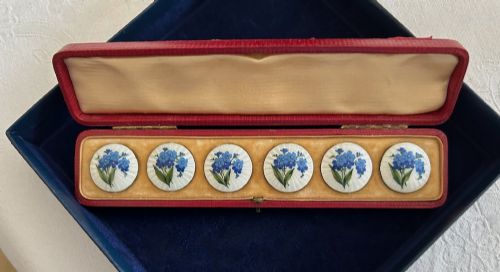
Makers utilised various object types, from boxed sets of six Shamrock buttons to individual brooches and cape clips originating in regions including Britain, Malta, and Denmark.
How they were made
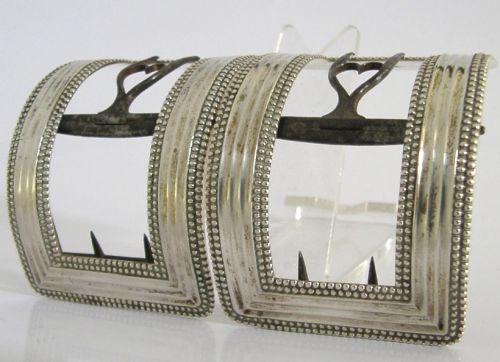
The construction of these fasteners relies heavily on sterling silver and standard silver, often combined with steel components for durability in items like shoe buckles. Cast silver techniques allowed artisans to shape intricate patterns for buttons and belt buckles.
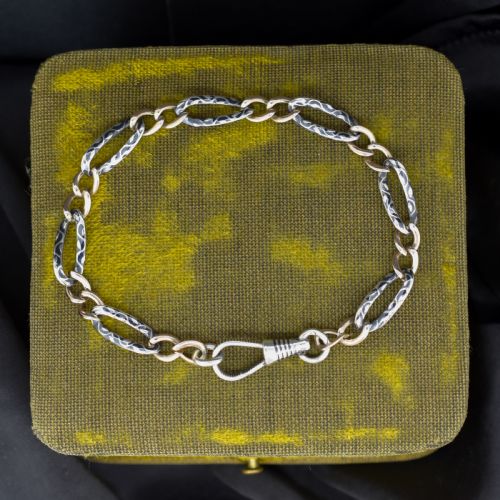
Surface ornamentation involved vitreous enamel, colourful enamel, and niello work, adding depth and contrast to the metallic base. Some items incorporate gold accents or velvet backings, alongside paste settings set into pewter frames.
Individual silversmiths shaped these accessories by hand or utilised stamping and casting methods, incorporating mechanisms such as dog clips and toggle bars to ensure functionality.
Listings feature items spanning the Georgian, Victorian, and Edwardian eras, utilising sterling silver, enamel, niello, and steel.
What varies in quality
Quality in antique silver fasteners depends on the crispness of the casting and the preservation of applied surface details like enamel and niello. Pieces that retain their original matched sets, such as boxed buttons, demonstrate greater cohesion than assembled groups.
The complexity of the design and the integration of mixed metals, including gold highlights or steel springs, distinguish standard production items from finer workshop output. Maker attribution and clear hallmarks further separate ordinary pieces from those with documented provenance.
Henry Matthews·Peter Behrens
The Antique Silver Fasteners Glossary
- Niello
- A black metallic alloy of sulphur with silver, lead, or copper, used as an inlay on engraved metal. It creates striking dark contrasts against the bright silver surface.
- Vitreous enamel
- Glass powder fused to a metallic base through high-temperature firing. This technique provides durable colour and glossy decoration on buttons and buckles.
- Toggle
- A short pin or bar attached to a chain or strap, designed to pass through a loop or hole to act as a fastener. It remains common in watch chains and bracelets.
- Sterling silver
- An alloy consisting of pure silver and other metals, usually copper, to increase durability. It provides the primary metal standard for many listed items.
- Dog clip
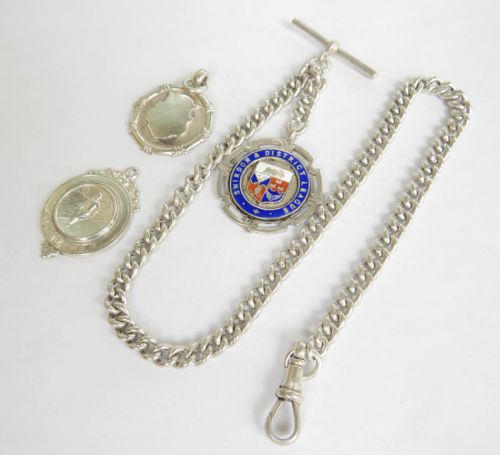
- A spring-loaded clasp used on watch chains and bracelets for secure attachment. It allows the wearer to fasten and release the accessory quickly.
Antique Silver Fasteners: Frequently Asked Questions
What are antique silver fasteners?
These items comprise functional and decorative hardware used to secure clothing, shoes, and accessories in past centuries. They include buttons, buckles, and chains made from silver.
They reflect the changing aesthetic tastes of periods ranging from the eighteenth century to the early twentieth century.
How were shoe buckles used?
Georgian and eighteenth-century shoe buckles fastened across the instep of footwear using steel prongs or leather straps. They served as detachable ornaments that could be moved between different pairs of shoes.
Wealthier individuals wore these large buckles to display status and keep pace with contemporary court fashions.
How do I date an Edwardian button?
Edwardian buttons often feature hallmarks, specific maker marks, or stylistic traits associated with the early twentieth century. Common motifs from this era include enamelling, delicate casting, and themed designs like shamrocks.
Comparing the box, if original, and the fastening mechanism helps confirm the period of manufacture.
Can I wear antique watch chains?
Antique watch chains and fob attachments remain suitable for everyday wear provided the clasps and links are secure. Items like silver chains with dog clips function well as bracelets or neckwear.
Handling them with care ensures the historical links and toggle mechanisms stay intact during use.