





Edwardian Silver Gilt Holder
These edwardian silver gilt holder items are precious portable containers and display pieces built to hold cards, matches, and menus in style.
Edwardian Silver Gilt Holder
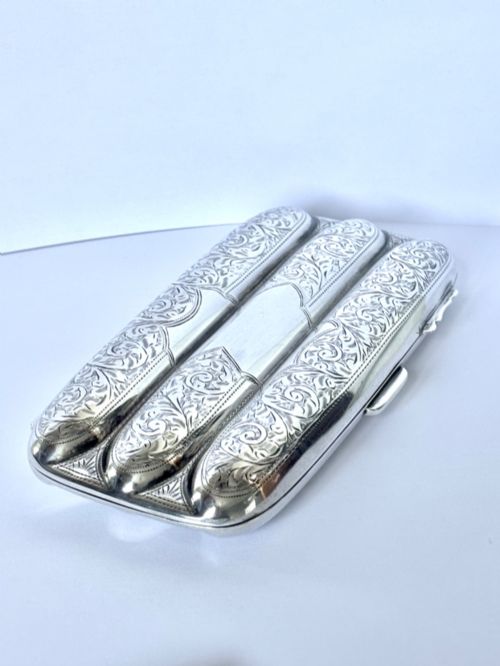
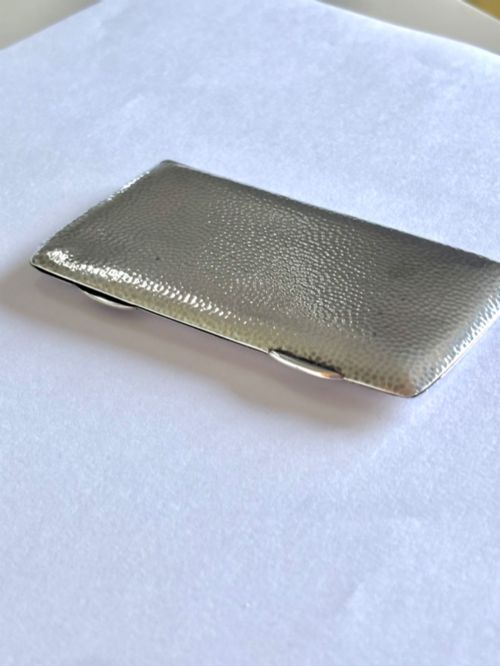
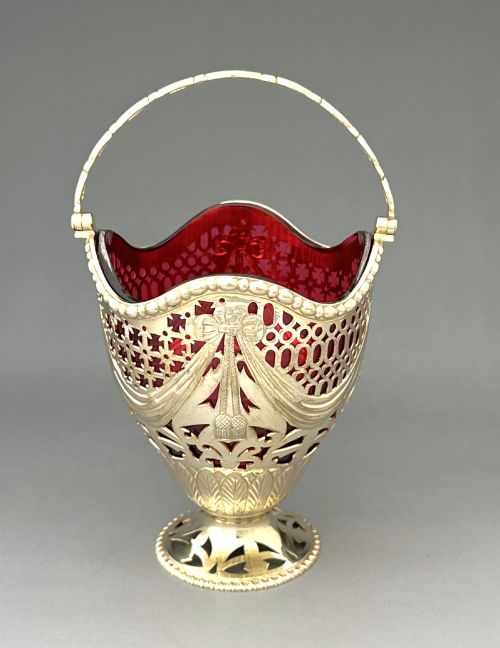
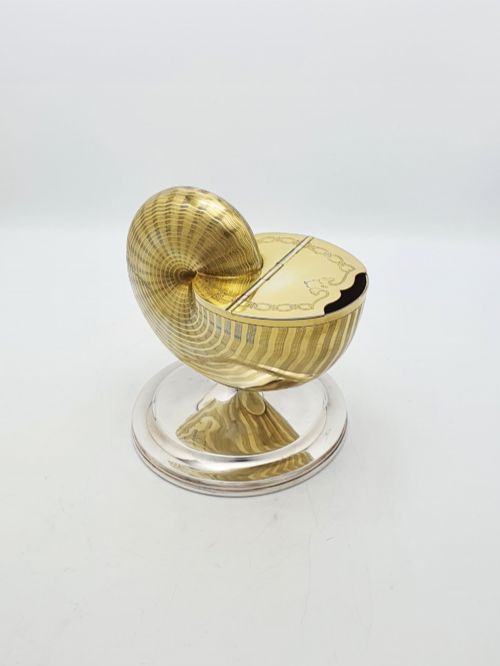
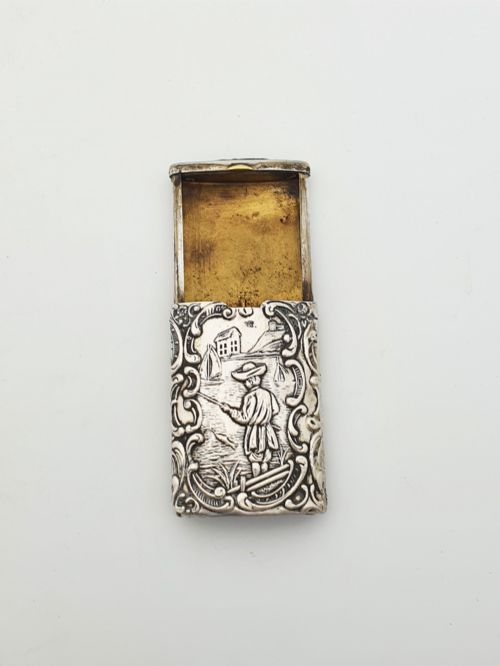
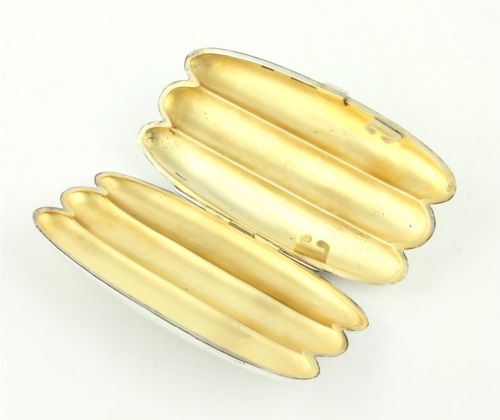
When you search for an edwardian silver gilt holder, you examine small decorative objects designed for personal use or elegant table service. The evidence reveals pieces spanning from the Victorian era into the 1920s, with a strong representation of Edwardian and earlier nineteenth century manufacturing. Common forms on this page include card cases, vesta cases, sugar baskets with glass liners, cigar and cigarette tubes, spoon warmers, and menu holders.
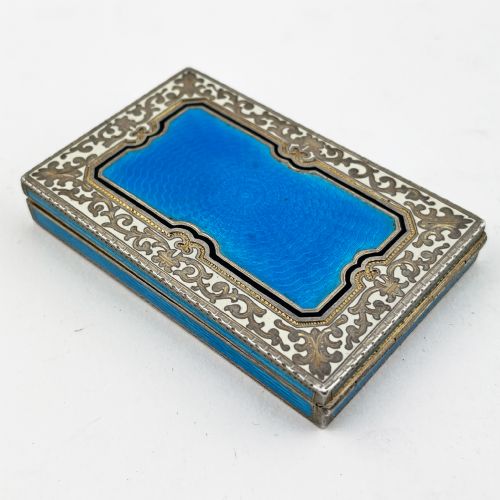
Many items incorporate precious metals combined with contrasting materials such as cranberry glass, onyx, lapis lazuli, and enamel. While some listings date specifically to the early twentieth century, others originate from Victorian workshops or the late nineteenth century. You also encounter continental silver items alongside English pieces, showing how diverse the portable container market remains.
Materials and Construction
Makers utilise sterling silver, 800 silver, and silver plate as the foundational structure for these containers, often applying a gilt finish to create a rich gold-toned surface. Silver gilt, vermeil, and gilt metal give the pieces their warm interior or exterior glow, while specific items feature heavy silver plating over base metal.
Surface decoration relies on traditional silversmithing techniques including scenic relief work, enamel inlay, and precise casing. Glass liners provide functional contrast in sugar baskets, and stone elements like onyx and lapis lazuli appear in specialised table vestas.
Edwardian Silver Gilt Holder Retail Price Guide 2026
Typical asking prices for edwardian silver gilt holder among the pieces listed under this phrase on Sellingantiques today, from the lower quarter to the upper quarter. They describe what is for sale here now, not the wider market.
Listings feature items spanning the Victorian era, 1900, 1910, and 1920, executed in sterling silver, silver gilt, vermeil, and cranberry glass.
Assessing Quality and Execution
Quality separates simple production items from exceptional workshop creations through the crispness of the chasing, the weight of the metal, and the integration of decorative stones. Superior pieces display intricate scenic relief or enamel work that remains sharp and secure within its mount.
The choice of materials also dictates the tier of the piece, with solid sterling silver and vermeil sitting above standard silver plate. Maker attribution heavily influences desirability, particularly when original fitted cases or specialised stones are present.
Zimmerman·Sampson Mordan·Charles Horner·George Betjemann·Elkington
The Edwardian Silver Gilt Holder Glossary
- Silver Gilt
- Silver that has been plated with a thin layer of gold on its surface. This technique provides the rich appearance of solid gold while utilising a silver base.
- Vesta Case
- A small pocket container designed to hold matches and keep them dry. These cases usually feature a striking surface on the base.
- Spoon Warmer
- A decorative table vessel used in the nineteenth century to hold hot water and warm spoons before serving. They often take imaginative forms such as shells or baskets.
- Vermeil
- Sterling silver coated with a layer of gold. It represents a high standard of gilding frequently found on luxury domestic items.
Edwardian Silver Gilt Holder: Frequently Asked Questions
What is an edwardian silver gilt holder used for?
These items serve various functional and decorative purposes, primarily holding personal items like calling cards, matches, cigars, or table menus. Wealthy households utilised them to maintain order and elegance during social gatherings.
They reflect the refined material culture of the late nineteenth and early twentieth centuries. Each specific form addresses a distinct domestic need, from desk organisation to dining table presentation.
How do I care for silver gilt items?
Silver gilt requires gentle handling because aggressive cleaning can wear away the thin gold layer over the silver base. Avoid standard abrasive silver dips and use a soft, dry microfiber cloth to remove dust.
Store the pieces in a dry environment away from direct sunlight and humidity to protect delicate elements like enamel, glass inserts, or stone panels.
How do I distinguish Edwardian pieces from Victorian ones?
Edwardian items typically display lighter, airier designs influenced by neoclassical revival styles and garland motifs. Victorian pieces often feature heavier, more ornate ornamentation with deeper relief and darker patination.
Examining hallmarks, date letters, and maker marks provides the most accurate method for determining the exact period of manufacture.
Are these items made of solid gold?
No, silver gilt and vermeil items consist of a silver base covered with a thin layer of gold. This process creates the visual warmth of gold while maintaining the structural integrity of silver.
Examining the hallmarks will reveal standard silver marks rather than gold purity stamps, confirming the true metallic composition.