



Edwardian Silver Flatware Set
An edwardian silver flatware set brings matched elegance to the dining table through enduring sterling craftsmanship.
Edwardian Silver Flatware Set
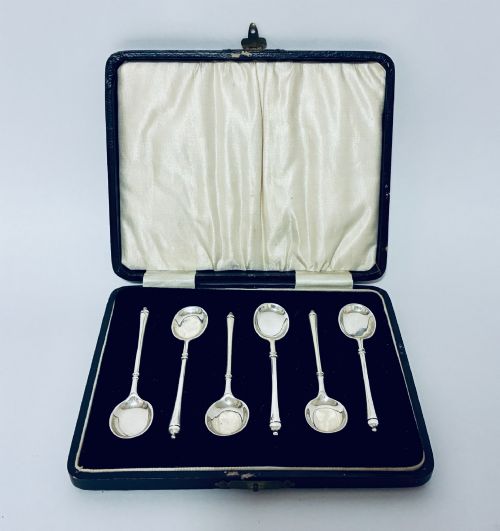
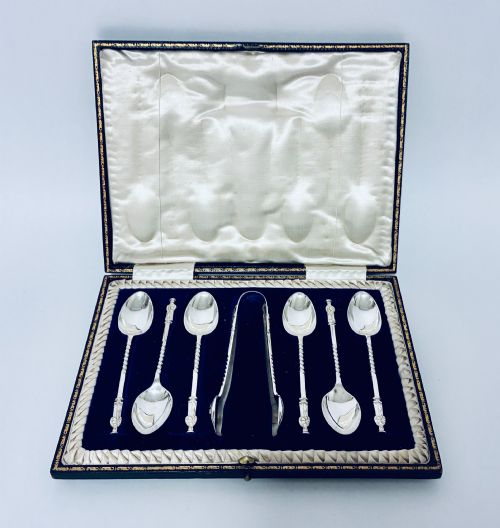
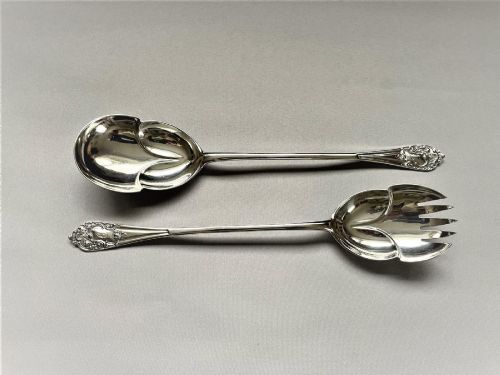
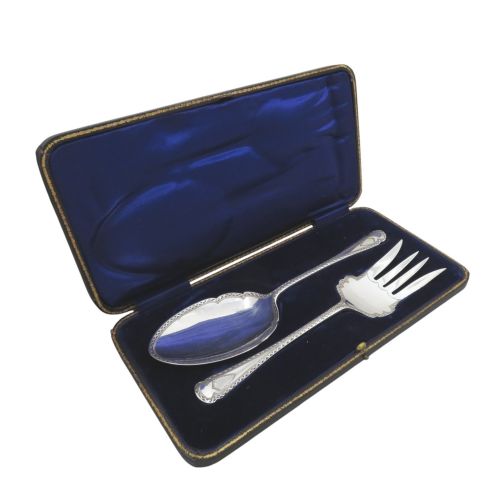
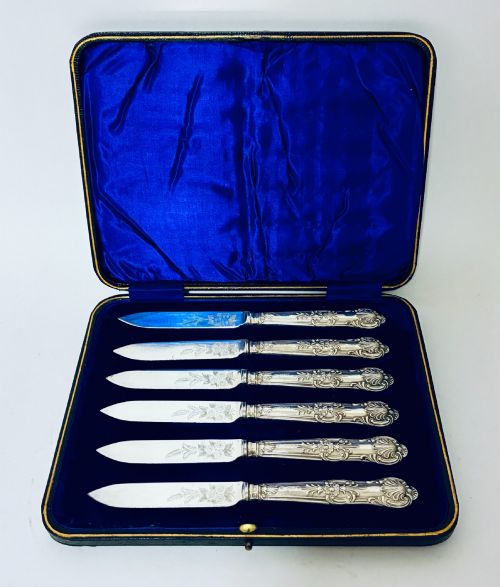
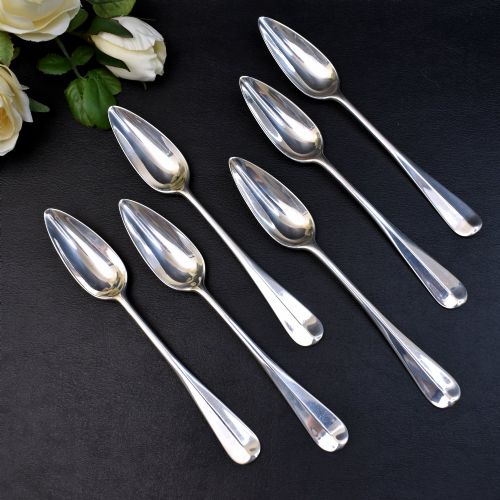
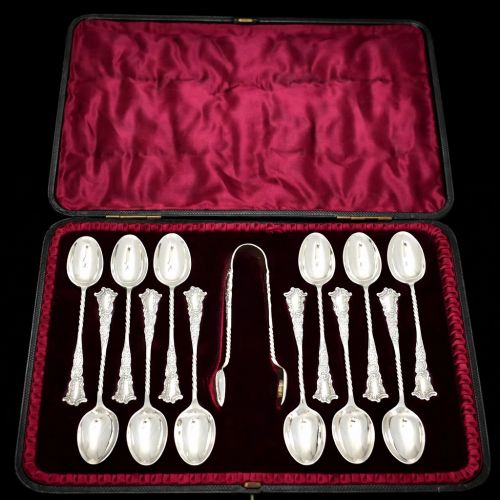
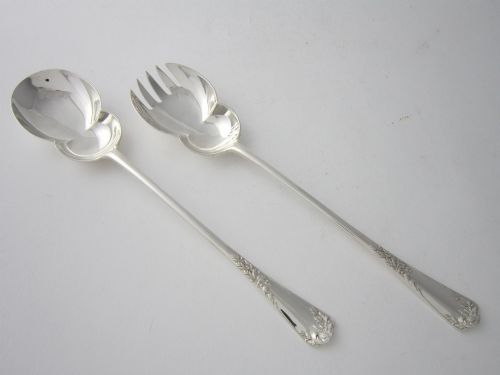
An edwardian silver flatware set comprises coordinated dining implements assembled from periods such as the Edwardian era, Victorian times, and the 1920s or 1930s. Buyers encountering these listings will discover matched assortments including teaspoons, fish servers, fruit knives, and salad forks housed within fitted presentation cases.
The material composition spans sterling silver, silver-plate, and silvergilt, frequently paired with handles formed from mother-of-pearl, antler, steel, or polished wood. Protective presentation boxes lined in velvet, silk, satin, or leatherette accompany many of these grouped utensils.
The stylistic influences visible across these groupings extend from traditional Edwardian and Late Victorian aesthetics into Art Nouveau and Art Deco designs. Individual sets range from compact coffee spoon collections to extensive thirty-six-piece fish cutlery arrangements.
Materials and construction
Silversmiths utilised sterling silver and silver-plate as the primary metallic foundations, often applying silvergilt finishes to achieve rich surface tones. Blades and working edges frequently incorporate steel for necessary durability during daily use.
Handles derived their tactile qualities from organic materials including mother-of-pearl and antler, alongside polished metals. Fitted storage vessels utilise timber such as oak, lined internally with protective textiles like velvet, silk, satin, and leatherette.
Material choices documented across available inventory include mother-of-pearl, antler, steel, oak, and protective linings of velvet, satin, silk, and leatherette.
Assessing quality and craftsmanship
The distinction between standard dining implements and finer examples rests upon the crispness of chased ornamentation and the structural integrity of the metalwork. Sets produced by notable makers display superior balance and more meticulous attention to finishing details.
The preservation of original fitted presentation cases and their internal linings influences the overall character of a collection. Complete groupings that retain their matching components and authentic storage housings demonstrate higher levels of preservation.
Hamilton & Inches·Robert Stebbings
The Edwardian Silver Flatware Set Glossary
- Sterling silver
- A silver alloy containing 92.5 percent pure silver by mass, with the remainder consisting of other metals like copper. This standard provides the durability required for functional cutlery while maintaining a bright metallic appearance.
- Silvergilt
- Silver that has been coated with a thin layer of gold on its surface. This technique produces a warm, dual-toned metallic finish seen on specific decorative spoon collections.
- Server
- A larger utensil designed for portioning specific dishes such as fish, salad, or pastries. These pieces usually feature broader blades or tines compared to standard dining implements.
- Canteen
- A fitted box or chest engineered specifically to store a complete set of cutlery. These wooden enclosures keep individual pieces organised and protected from tarnishing agents.
- Apostle spoon
- A spoon featuring a small figure of an apostle cast or engraved on the terminal of the handle. These decorative items frequently appear in matched sets alongside coordinating sugar tongs.
Edwardian Silver Flatware Set: Frequently Asked Questions
What pieces belong in an edwardian silver flatware set?
An edwardian silver flatware set typically includes grouped dining implements such as teaspoons, coffee spoons, fruit knives, butter knives, and serving forks. Many configurations also incorporate specialised utensils like fish servers, grapefruit spoons, or pickle forks.
These collections often arrive with coordinating sugar tongs or serving spoons, all housed within a designated presentation box or oak canteen.
How should cased cutlery sets be stored?
Cased cutlery sets require storage in stable environments away from excessive moisture and direct sunlight to protect both the metal and the internal fabric linings. Maintaining consistent room temperatures prevents the warping of wooden presentation boxes and preserves textiles like velvet and silk.
Keeping the utensils inside their original fitted cases also reduces physical friction between individual pieces during periods of non-use.
How do you identify Edwardian silver?
Identifying Edwardian silver involves examining the hallmarks stamped directly onto the metal surface, which indicate the assay office, standard of purity, and year of manufacture. The style of the objects often reflects the decorative preferences popular during the reign of King Edward VII.
Design characteristics from this period frequently balance ornate floral motifs with lighter, refined proportions inherited from late Victorian aesthetics.
Were these sets used daily?
Many silver flatware collections served both formal dining occasions and everyday domestic routines within period households. Christening sets and specialised fruit knife collections were often reserved for specific ceremonial events or afternoon hospitality.
Sturdy construction in materials like sterling silver and steel allowed these implements to withstand regular handling over generations of dining.