


Edwardian Silver Chest
When you search for an edwardian silver chest, you encounter heavy oak storage trunks and travel chests outfitted with iron or steel bindings.
Edwardian Silver Chest
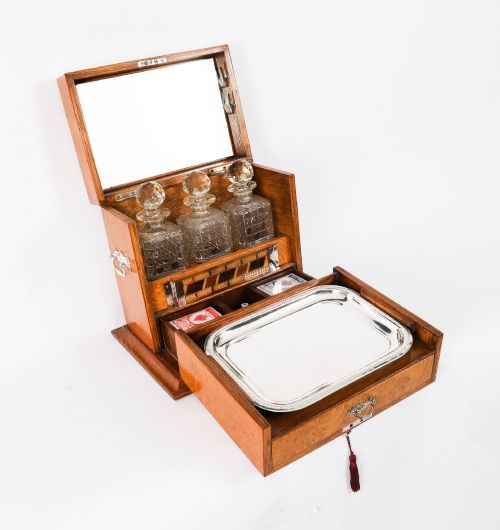
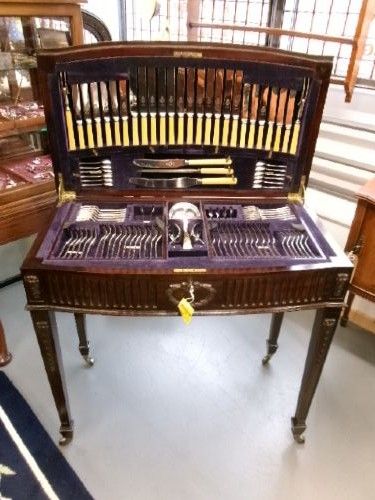
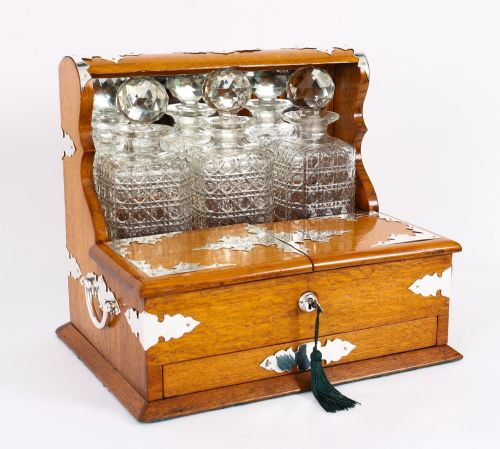
An edwardian silver chest typically takes the form of a substantial oak trunk or shipping chest reinforced with iron or steel bands, designed for secure transport and storage of household valuables. These utility pieces sit alongside related timber boxes from the period, including cutlery canteens and tantalus games compendiums, though the heavy iron-bound trunk remains the defining storage form.
While many examples date to the Edwardian era and the surrounding late Victorian and 1920s decades, the form prioritises robust construction over stylistic flourish. Buyers select these heavy chests for practical domestic storage or display, appreciating the visible evidence of travel, trade, and domestic service recorded in their timber surfaces and metal mounts.
How They Were Made
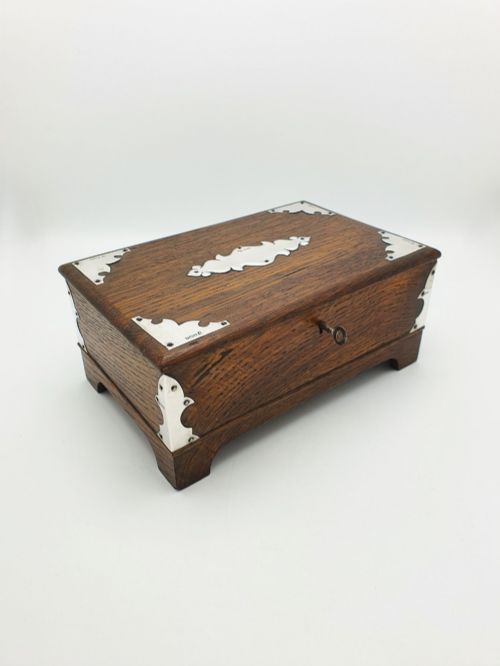
The primary construction relies on solid oak timbers, chosen for strength and durability, assembled into deep rectangular boxes with hinged lids. These wooden carcasses are then reinforced with structural iron or steel straps, secured by flush rivets to withstand the rigours of shipping and travel.
Interior fittings vary according to intended contents, incorporating baize-lined compartments, lift-out trays, or customized wooden dividers designed to hold specific household items securely in transit.
Silver chests occasionally retain the faint scent of old pipe tobacco and decades of sea air.
What Varies in Quality
The distinction between a standard utility trunk and a finer example rests on the precision of the joinery and the substantial nature of the hardware. Superior chests feature heavier gauge iron or steel bindings, robust locking mechanisms complete with working keys, and sound timber carcasses free from excessive warping.
Provenance and maker attribution elevate certain pieces, particularly those bearing the marks of established retailers or silversmiths associated with high-end travel gear and domestic storage.
Walker & Hall·Mappin & Webb·Sampson Mordan·Henry Matthews·James Deakin & Sons·Nathan & Hayes·The Barker Brothers
The Edwardian Silver Chest Glossary
- Silver Chest
- A heavy wooden storage trunk, usually bound in iron or steel, designed for securing and transporting valuable silverware.
- Campaign Trunk
- A portable storage chest constructed for travel, typically featuring recessed drop handles and reinforced corners.
- Cutlery Canteen
- A fitted wooden box or chest designed to store a complete service of flatware and cutlery in designated slots.
- Tantalus
- A locking wooden frame holding decanters visible but inaccessible without a key, often combined with a games compendium.
- Sterling Silver
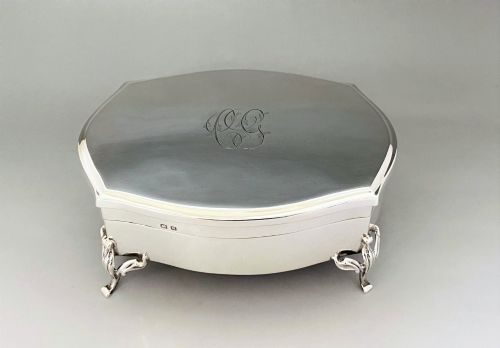
- An alloy containing 92.5 percent silver by weight, used for mounts, shields, and smaller fitted boxes of the period.
Edwardian Silver Chest: Frequently Asked Questions
What is an edwardian silver chest used for today?
These robust oak chests serve well as heavy-duty coffee tables, end-of-bed blanket boxes, or statement storage furniture in a hallway.
Their deep interiors accommodate bulky items like spare bedding, winter wear, or collections of books while adding industrial character to a room.
How do I clean the iron bindings?
Wipe the iron or steel straps gently with a dry or lightly oiled cloth to remove surface dust and prevent active corrosion.
Avoid harsh chemical rust removers that might strip the historic patination or stain the surrounding oak timber.
Can I use these chests for travel?
While originally built as shipping and steamer trunks for transit, modern travel places different demands on luggage.
It is better to treat them as stationary furniture pieces rather than contemporary baggage due to their considerable empty weight.
How do I tell an Edwardian chest from a Victorian one?
Dating relies on construction details, hardware styles, and any accompanying retail stamps or hallmarks found inside the piece.
Victorian examples often lean toward heavier ironwork and campaign-style recessed brass handles, while Edwardian versions can incorporate aluminium or slightly lighter framing.