
Vintage Silver Table
A vintage silver table collection gathers dining, desk, and display objects formed from sterling and silver plate across the Victorian, Edwardian, and Art Deco eras.
Vintage Silver Table
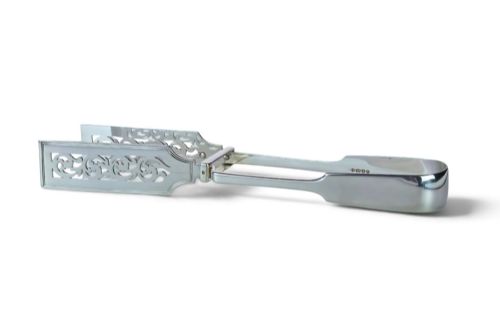
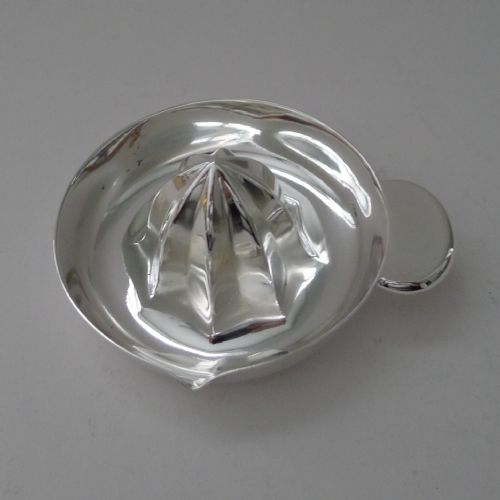
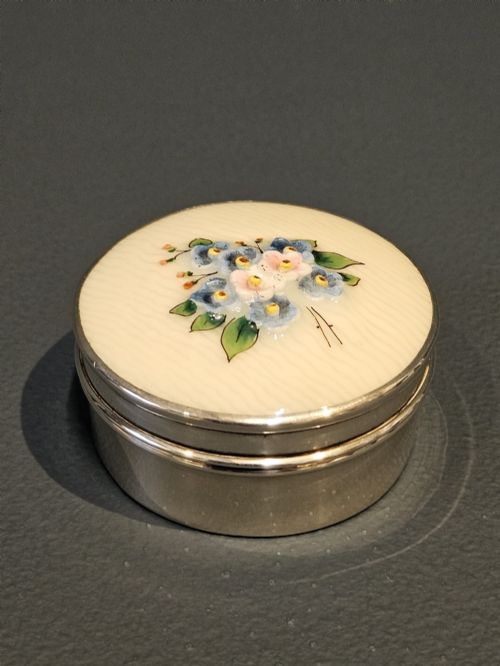
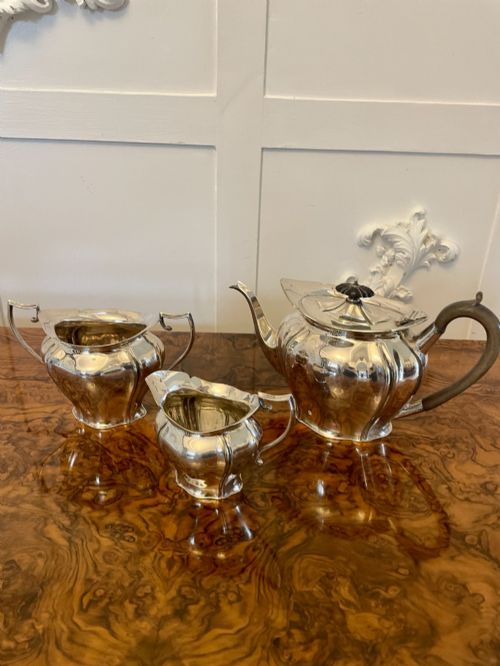
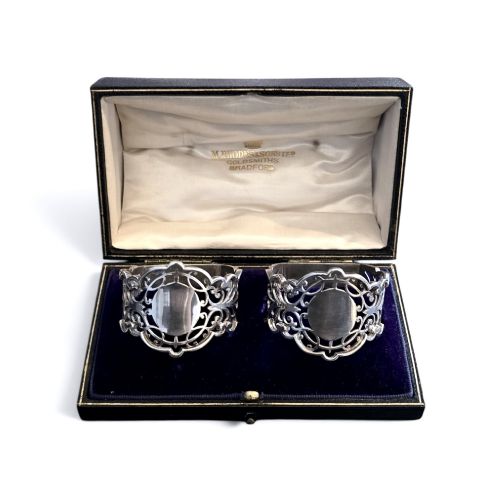
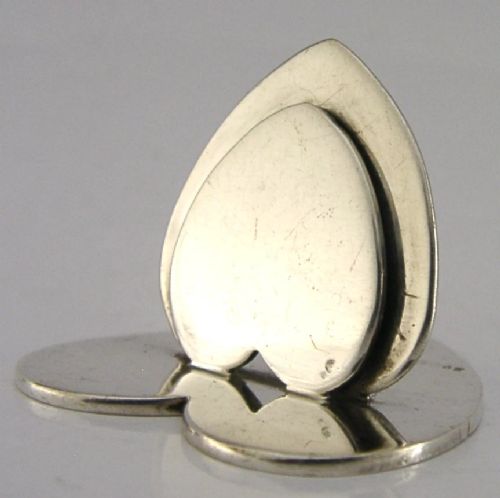
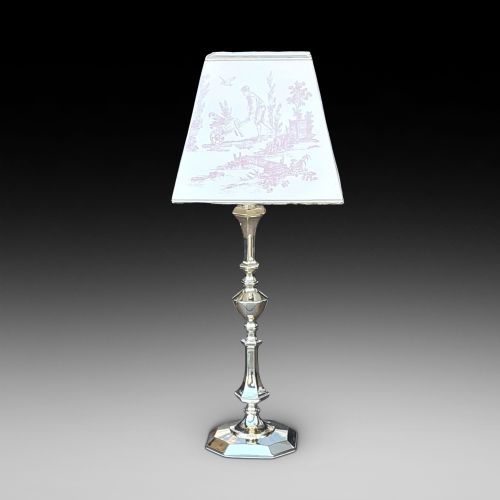
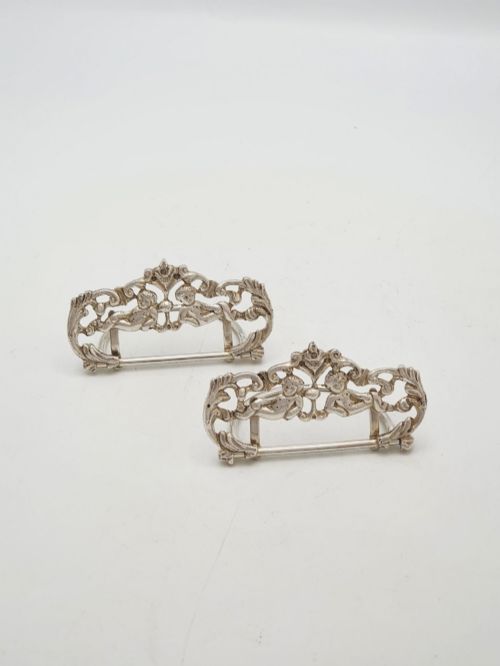
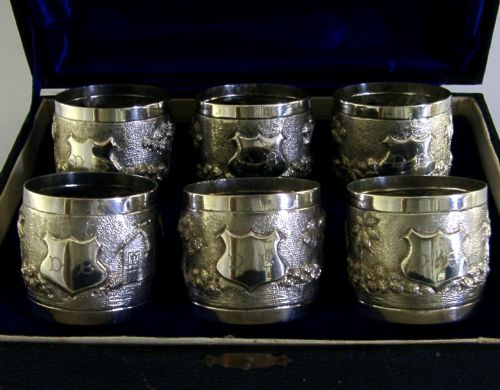
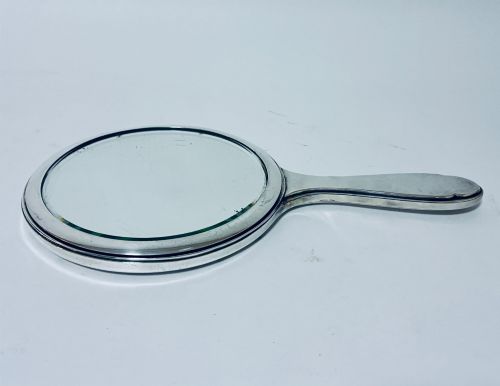
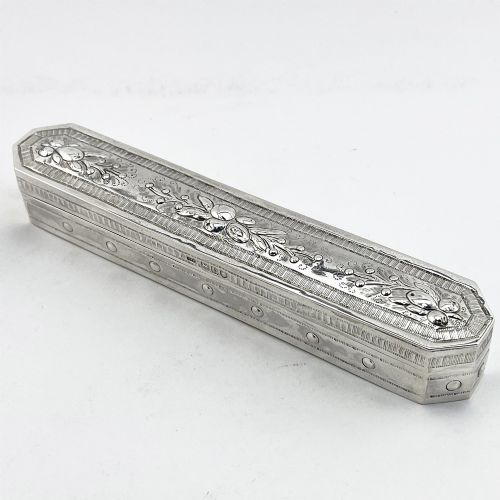
A vintage silver table search covers an assortment of tabletop accessories, including candlesticks, napkin rings, cruet sets, trinket boxes, and table lighters. These items span periods from the Georgian era through the Edwardian years and into the 1920s and 1930s.
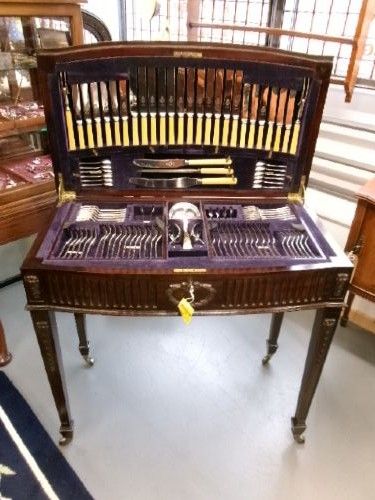
The objects frequently combine precious metal with glass, cut glass, velvet, steel, and wood. You will encounter both solid sterling silver pieces and silver plated items on mahogany or ebonised bases.
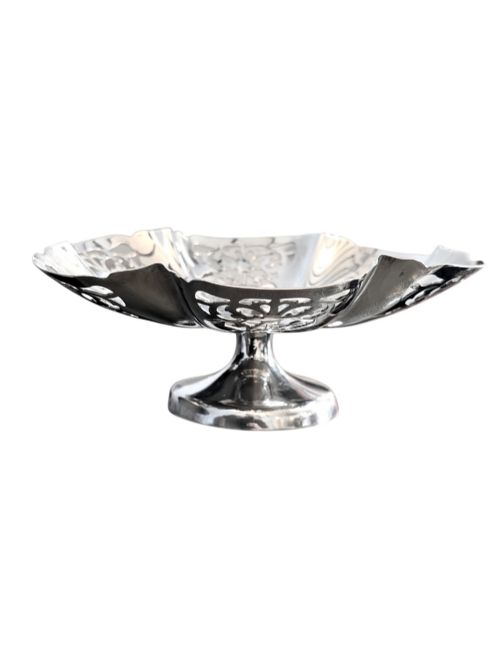
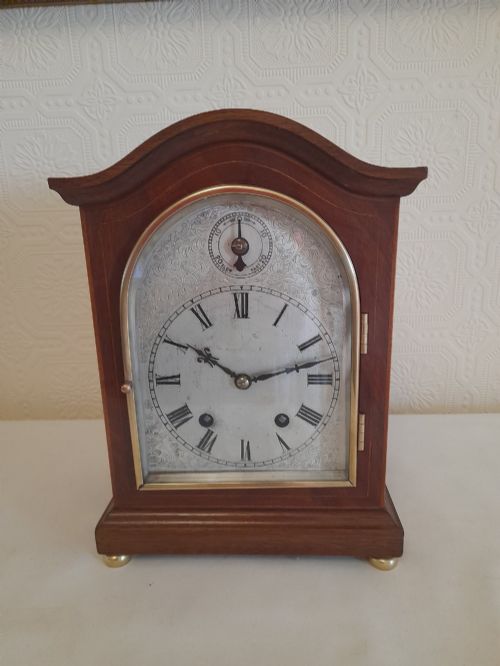
Designs on this page range from plain domestic utility items to elaborate Neoclassical, Art Nouveau, and Art Deco styles. Animal novelties, carriage clocks, and fruit bowls also populate the selection.
Materials and Construction Methods
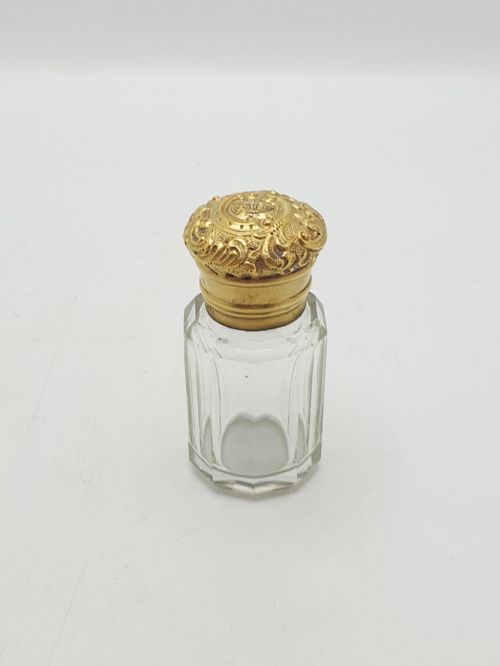
Silversmiths utilised sterling silver and silver plate over base metals, shaping them by hand or machine. Many vessels integrate cut glass bodies, glass liners, or enamel decoration.
Enamelling, casting, and repoussé work created the textured surfaces seen on baskets, pepper pots, and cigarette boxes. Bases often incorporated wood, such as mahogany, or velvet lining.
Several silver animals guard the tables here, including a silver cockerel and a pair of observant silver owls.
Assessing Craftsmanship and Condition
The distinction between average and superior items lies in the crispness of chased and cast details, such as feathers on animal novelties or floral motifs on bowls. Heavier gauge metal indicates substantial material use rather than thin plating over base metals.
Makers' marks and hallmarks provide provenance and confirm metal purity. Preserved gilding inside bowls and intact glass inserts elevate the integrity of a piece.
A. J. Pepper & Co·William Neale·Levi & Salaman·Mappin & Webb·Dunhill
The Vintage Silver Table Glossary
- Sterling Silver
- An alloy containing 92.5 percent silver by weight, stamped with assay office hallmarks to guarantee standard purity. This alloy formed the backbone of British domestic metalwork.
- Silver Plate
- A layer of silver fused or electroplated onto a base metal core such as copper or nickel silver. It offered a bright appearance at a lower cost than solid metal.
- Cruet Set
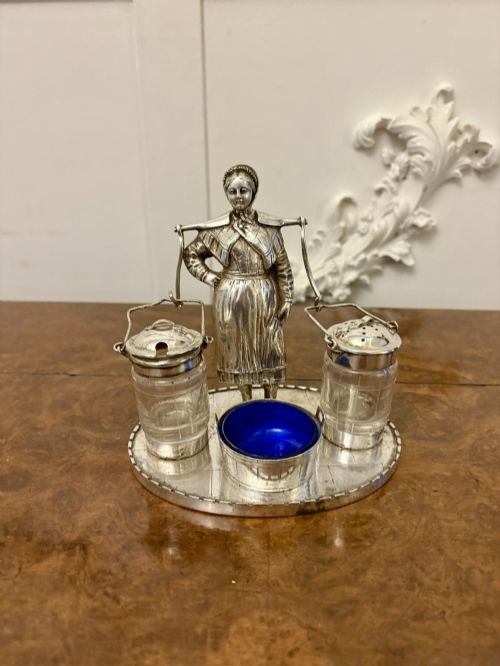
- A matched collection of bottles, castors, or jars for holding condiments like mustard, pepper, and vinegar. These sets sat on frames at dining tables.
- Repoussé
- A metalworking technique where the artisan hammers the design from the reverse side to form a raised relief on the front. This method produced ornate decoration on bowls and boxes.
Vintage Silver Table: Frequently Asked Questions
What periods do these silver items cover?
The pieces span from the Georgian era through the Victorian and Edwardian periods, extending into Art Deco designs of the 1920s and 1930s.
Items incorporate stylistic markers from Neoclassical, Art Nouveau, and mid-century aesthetics.
How can I distinguish solid silver from plated items?
Solid sterling pieces typically display hallmarks indicating purity, maker, and assay office. Plated items rely on different stamps or show base metal where wear has occurred.
Heavier weight often points to solid construction, though examination of hallmarks remains definitive.
What were novelty silver items used for?
Novelty objects shaped as animals, birds, or ships served practical domestic functions such as holding pepper, toothpicks, or menu cards. Wealthy dining rooms utilised these conversation pieces during formal meals.
Collectors prize them today for their whimsical sculptural forms.
How do I care for vintage silver items?
Regular dusting with a soft cloth prevents dust accumulation on display pieces. When polishing becomes necessary, use appropriate silver creams without abrasive particles.
Avoid harsh dips that can strip patination or damage integrated glass and velvet components.