



Edwardian Silver Bucket
These pieces for edwardian silver bucket collect heavy metal, glass, and wood into sturdy domestic vessels that hold ice, wine, and biscuits.
Edwardian Silver Bucket
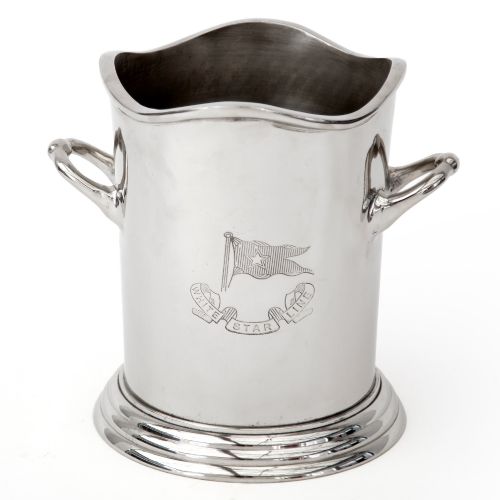
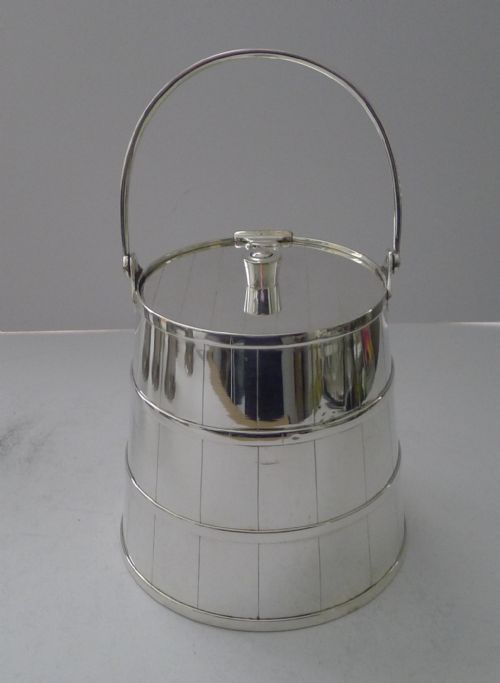
An edwardian silver bucket brings together formal barware, dining accessories, and hearth hardware from the late nineteenth and early twentieth centuries. These vessels serve various domestic roles, including wine coolers, champagne holders, biscuit barrels, and ice pails.
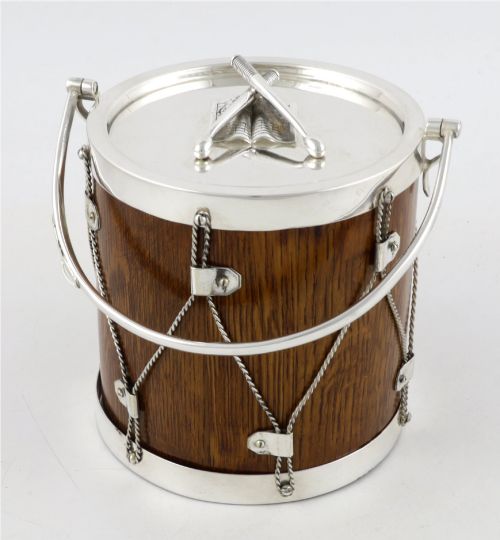
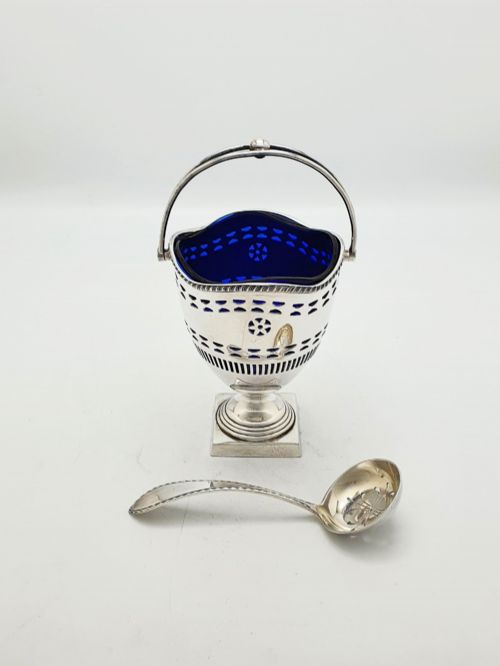
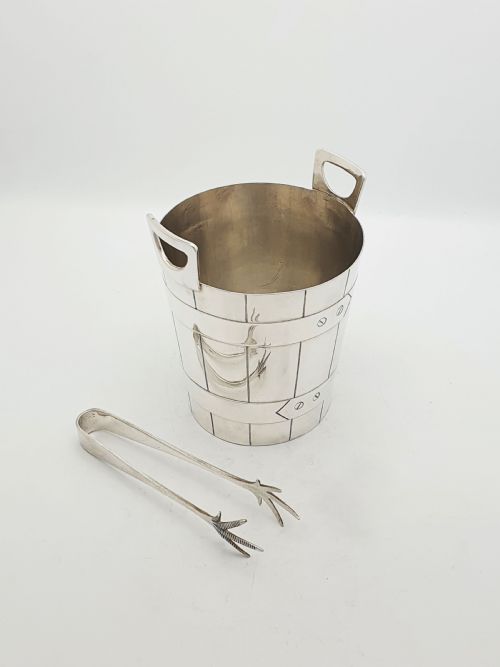
The selections on this page span several decades of production, incorporating styles from the Victorian era through the Edwardian period and into the Art Deco years. Common forms include drum-shaped barrels, handled presentation bowls, and footed ice buckets fitted with matching tongs.
Makers combine metal mounts with internal containers to keep provisions cool or dry. The resulting objects reflect the hospitality rituals of large households during the periods represented.
How They Were Made
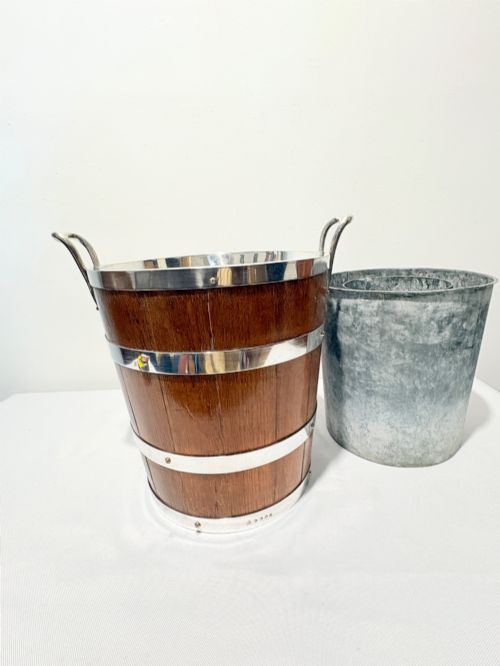
Silver plate and EPNS form the protective metallic exterior on most examples, covering base metals with a bright reflective layer. Artisans mount these plated collars onto solid timber bodies such as oak, or join them to blown vessels made from cut glass, cobalt glass, or creamware.
Manufacturing methods involve shaping sheet metal, turning wood on lathes, and piercing or casting decorative mounts. Handles, claws, and rims are securely attached using traditional pins, solder, or screws to withstand frequent lifting and handling.
Edwardian Silver Bucket Retail Price Guide 2026
Typical asking prices for edwardian silver bucket among the pieces listed under this phrase on Sellingantiques today, from the lower quarter to the upper quarter. They describe what is for sale here now, not the wider market.
Materials in these listings include solid oak, cut glass, cobalt glass, and silver plate across Victorian and Edwardian periods.
What Varies in Quality
The standard of an edwardian silver bucket depends on the weight of the metal and the integrity of the internal liner. Thick silver plating resists wear over decades of polishing, while original glass or ceramic liners maintain the utility and historical completeness of the piece.
Craftsmanship shows in the tightness of the wooden staves, the crispness of any engraved or pierced decoration, and the presence of makers' marks or retailer stamps. Pieces bearing clear attribution to known silversmiths demonstrate superior execution in every component.
Christofle·Dawson·James Dixon And Sons
The Edwardian Silver Bucket Glossary
- EPNS
- Electroplated Nickel Silver. This method deposits a thin layer of pure silver onto a nickel brass or copper alloy base.
- Cobalt glass
- Deep blue alkaline glass. It appears frequently as a vibrant internal liner inside pierced sugar bowls and open vessels.
- Biscuit barrel
- A covered container designed to store dry baked goods. These jars often take the form of wooden barrels banded in plated metal.
- Presentation bowl
- A large open vessel intended for display or ceremonial use. They frequently double as wine coolers or ice pails in domestic settings.
Edwardian Silver Bucket: Frequently Asked Questions
What did they use an edwardian silver bucket for?
These vessels served multiple functions at the dining table and in the drawing room. Households utilised them to chill wine and champagne, hold ice cubes for drinks, or store biscuits and sugar.
Larger versions accommodated heavy bottles during formal dinners, whilst smaller variants sat on sideboards for everyday hospitality.
How do I clean an edwardian silver bucket?
Careful maintenance preserves the thin silver plating on these pieces. Use a gentle cream specifically formulated for silver plate, applying it with a soft cloth to avoid wearing through the metallic surface.
Remove glass or ceramic liners before polishing the metal mounts. Wash the internal vessels separately in warm soapy water and dry them thoroughly.
Can I use an edwardian silver bucket daily?
These items handle regular use well if treated with basic care. Modern dining rooms accommodate them easily as wine coolers, ice buckets, or decorative storage containers.
Avoid leaving acidic liquids or moisture inside the metal bodies for extended periods. Ensure wooden components stay dry to prevent the staves from warping.
How do I identify an edwardian silver bucket?
Examine the piece for hallmarks, maker stamps, and construction traits typical of the late nineteenth and early twentieth centuries. Combinations of silver plate, oak, and cut glass frequently point to this timeframe.
Look at the overall style and mounting techniques. Pieces from this era often display Neoclassical Revival motifs, Arts and Crafts influences, or simple Edwardian proportions.