



Edwardian Silver and Wood
Edwardian silver and wood pieces combine sterling mounts with mahogany, oak, and exotic timbers, offering functional elegance for the home and person.
Edwardian Silver and Wood
When you search for edwardian silver and wood, you encounter a refined category of domestic accessories and personal items spanning the turn of the twentieth century. These objects bridge the gap between heavy Victorian ornamentation and later, cleaner designs.
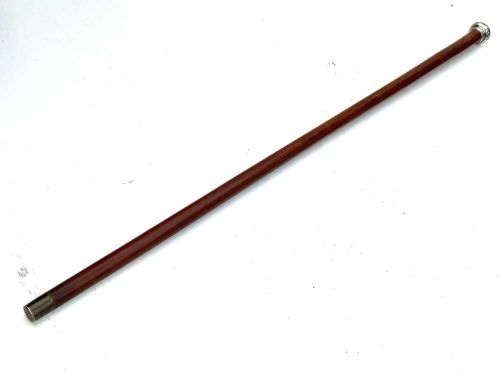
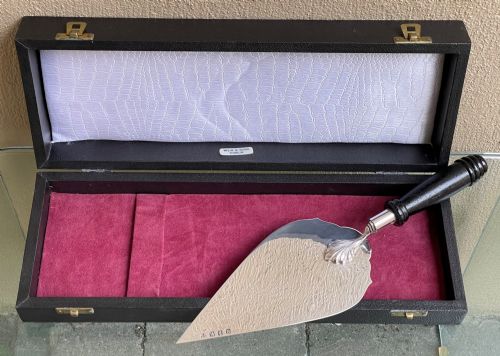
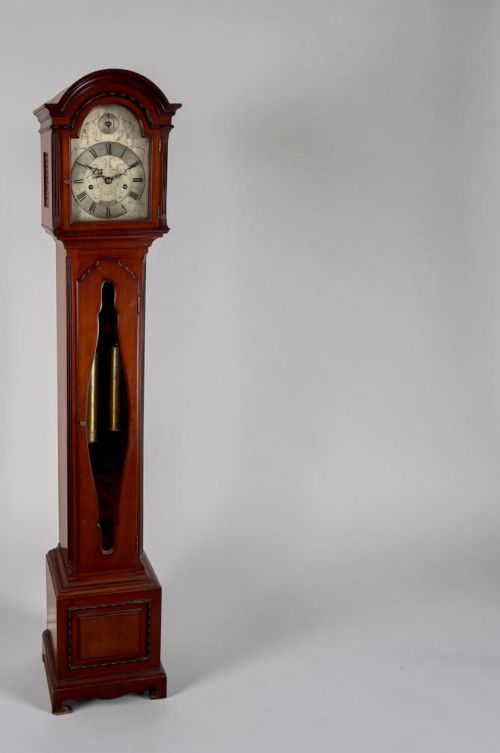
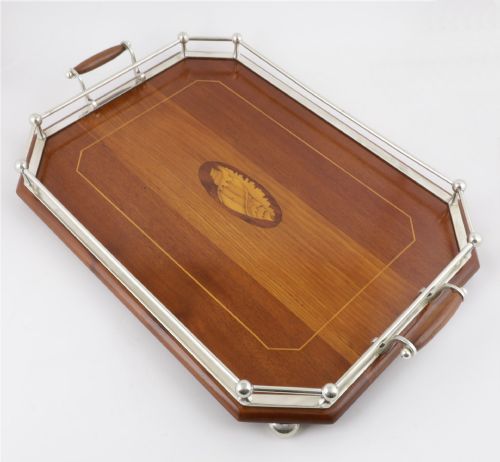
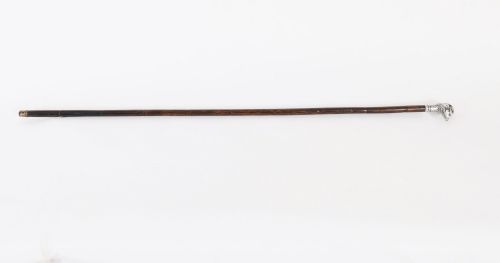
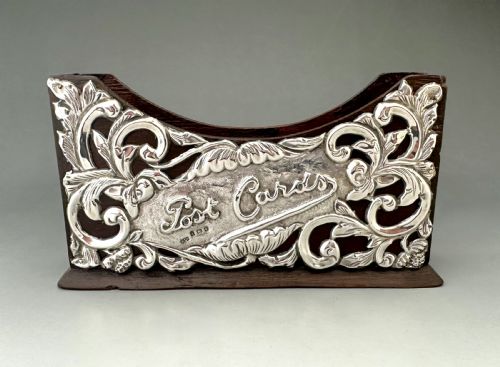
The most frequent forms met on this page include walking sticks with silver mounts, mantel clocks housed in mahogany or oak cases, and serving trays combining silver plate with wooden galleries. Smaller desk accessories such as letter holders also appear regularly.
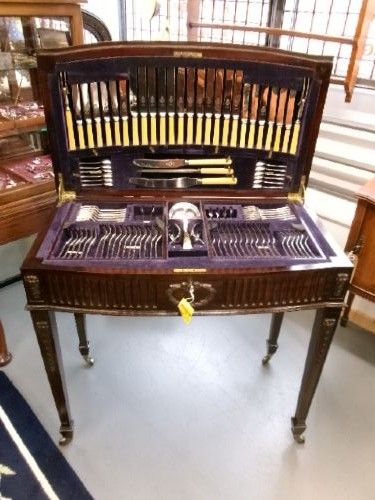
Makers from this era drew upon earlier aesthetic revivals, producing Sheraton and Georgian influences alongside contemporary Arts and Crafts and Art Nouveau motifs. The resulting items served practical uses in affluent households.
Materials and construction
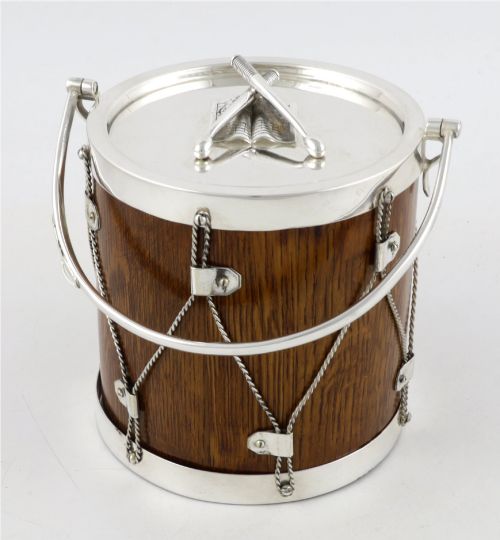
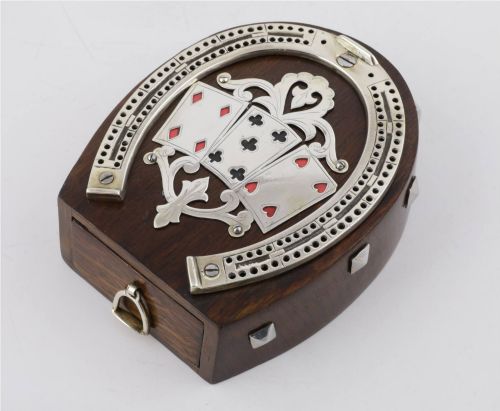
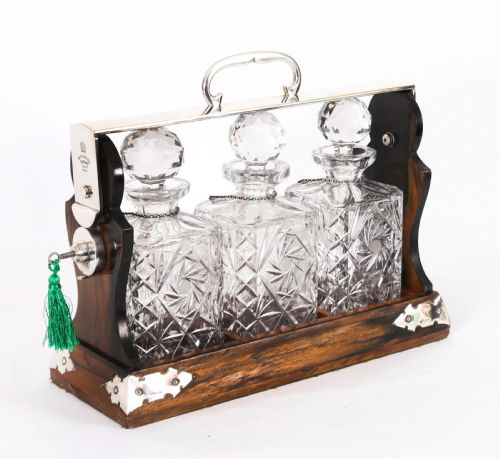
Craftsmen paired durable timbers such as mahogany, oak, and coromandel with cast or hammered sterling silver and silver plate. Wood elements were frequently turned, carved, or inlaid with shell details, whilst silver components received repoussé work, chasing, or simple hallmarks.
Structural integrity relied on traditional joinery methods for the wooden chassis, combined with secure pins, collars, and bezels to attach metal mounts to shafts or boxes. Canes and walking sticks utilised natural woods like palm and malacca paired with weighted metal handles.
Edwardian Silver and Wood Retail Price Guide 2026
Typical asking prices for edwardian silver and wood among the pieces listed under this phrase on Sellingantiques today, from the lower quarter to the upper quarter. They describe what is for sale here now, not the wider market.
Several gentleman's walking canes conceal steel blades within their wooden shafts, transforming a polite afternoon stroll into a prepared affair.
Distinctions in quality
Quality in edwardian silver and wood pieces rests on the weight and purity of the silver components alongside the selection and seasoning of the timber. Dense, figured hardwoods and thick-gauge sterling silver mounts denote superior workshops.
Finishing touches differentiate standard production from finer examples, such as crisp hand-carving on wooden frames, intact maker marks, and precise silver engraving. The integration of mechanical elements in clocks and games boxes further separates workshop tiers.
Gillett and Johnston·Winterhalder and Hofmeier·Asprey
The Edwardian Silver and Wood Glossary
- Hallmark
- Official stamps applied to precious metals indicating purity, origin, and assay office. These marks provide precise dating for silver components.
- Gallery tray
- A serving tray featuring an elevated pierced or solid metal border designed to prevent items from sliding off. They often combine wooden bases with silver-plated railings.
- Mantel clock
- A portable timepiece designed to sit on a fireplace mantel or shelf. Cases are frequently constructed from mahogany or oak with brass and silver accents.
- Coromandel
- A dense, heavily grained dark timber imported from Asia. It was utilised for luxury boxes and decorative items during the period.
- Repoussé
- A metalworking technique where the silver is hammered from the reverse side to form raised decorative reliefs. This process adds tactile depth to handles and mounts.
Edwardian Silver and Wood: Frequently Asked Questions
How do I care for edwardian silver and wood?
Keep wooden surfaces nourished with appropriate wax polishes while avoiding excessive moisture that can warp timber or loosen metal mounts. Silver components require periodic gentle cleaning with a soft cloth to maintain their lustre without abrading surrounding wood.
Store items away from direct sunlight and fluctuating radiator heat to prevent the wood from splitting or shrinking away from fitted silver collars and bezels.
Were these pieces used daily or displayed?
Many objects within this category served practical functions in daily Edwardian life, from walking canes and writing accessories to mantel clocks and serving trays. Owners utilised them routinely within the household or during outdoor excursions.
Over time, items that began as utilitarian accessories transitioned into decorative display pieces for collectors, prized for their craftsmanship and period aesthetic.
How do I identify Edwardian period pieces?
Look for hallmarks on silver mounts that correspond to the early twentieth century alongside stylistic clues such as restrained Edwardian elegance or lingering Victorian mass. The integration of lighter mahogany and oak woods often distinguishes them from darker mid-nineteenth-century items.
Construction details also provide guidance, as transitional pieces frequently blend late nineteenth-century forms with the lighter proportions favoured after nineteen hundred.