

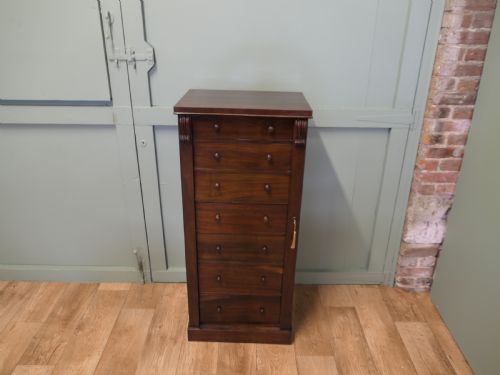
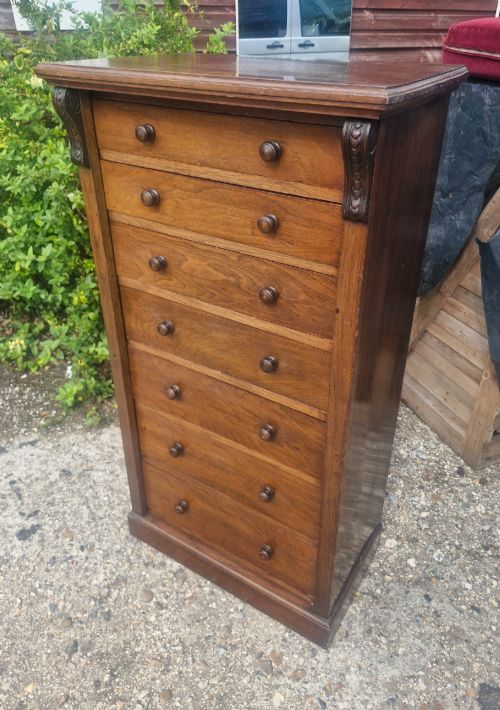
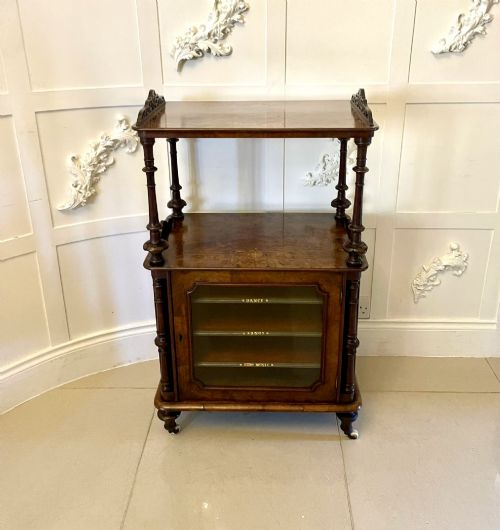
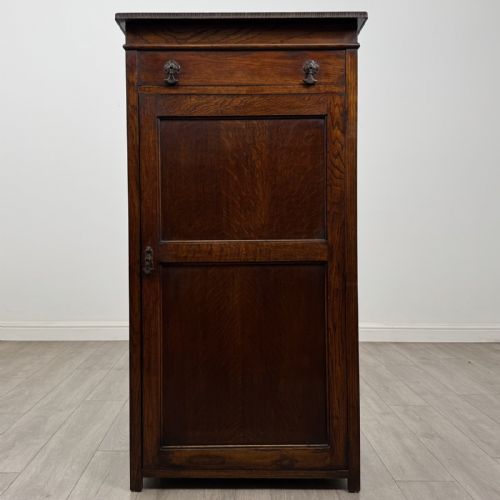
Edwardian Side Chest
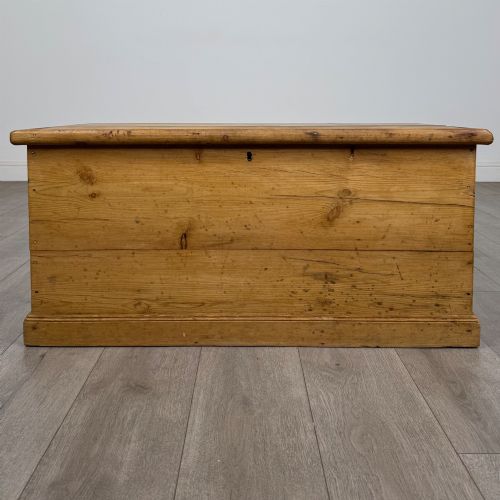
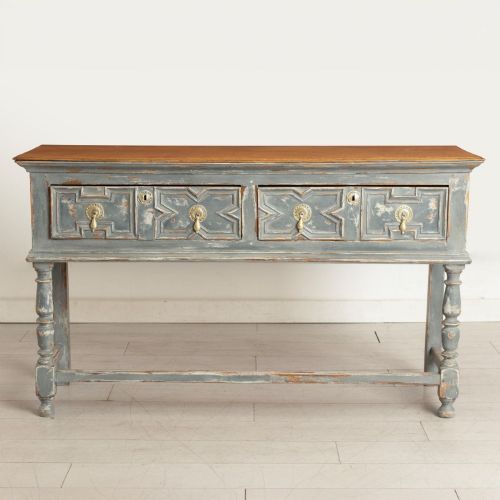
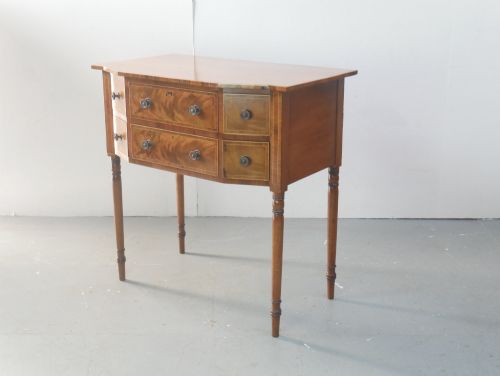
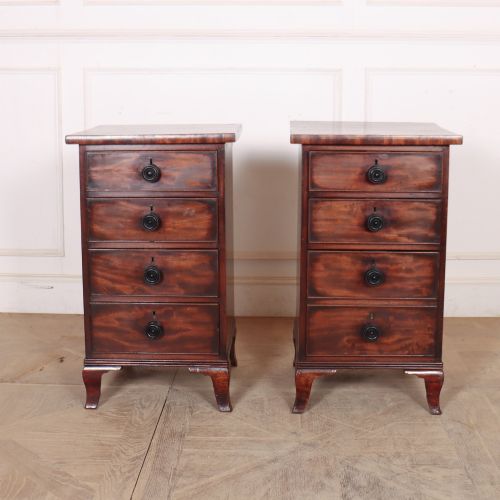
An edwardian side chest offers compact storage and traditional craftsmanship, bringing refined utility to compact rooms.
Edwardian Side Chest
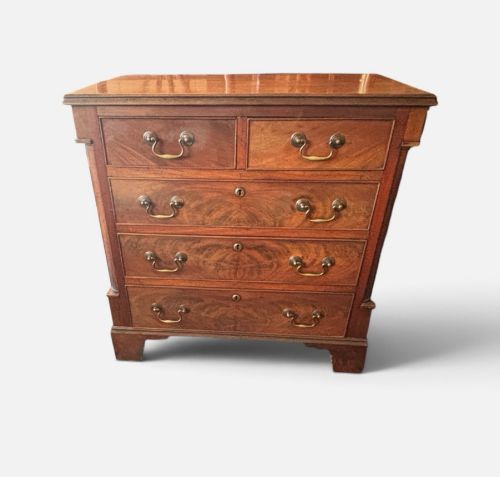
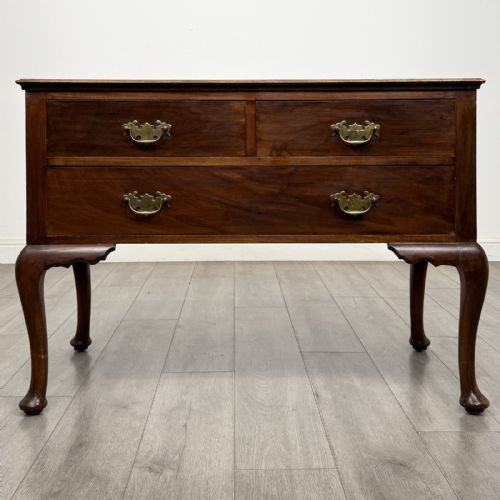
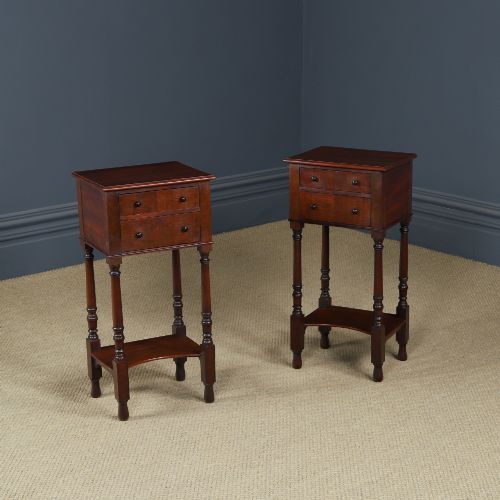
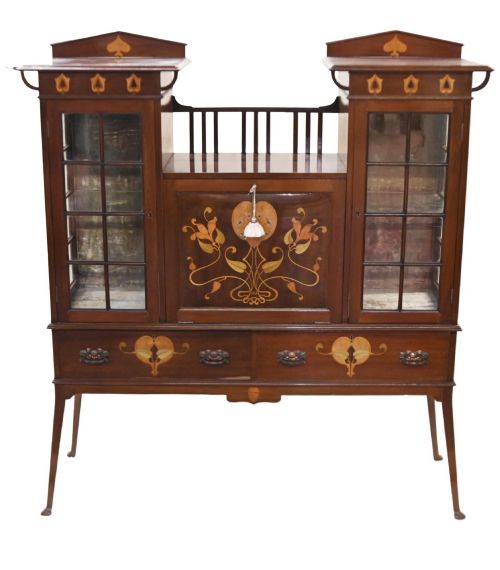
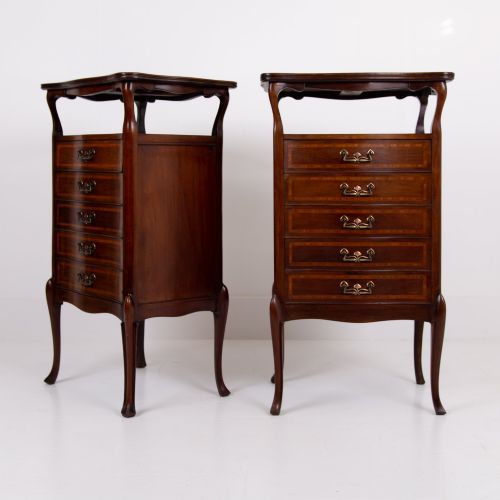
When searching for an edwardian side chest, buyers encounter compact storage items designed to fit smaller domestic spaces near beds or in hallways. These pieces bridge the gap between traditional Victorian heft and the lighter proportions favoured at the turn of the twentieth century.
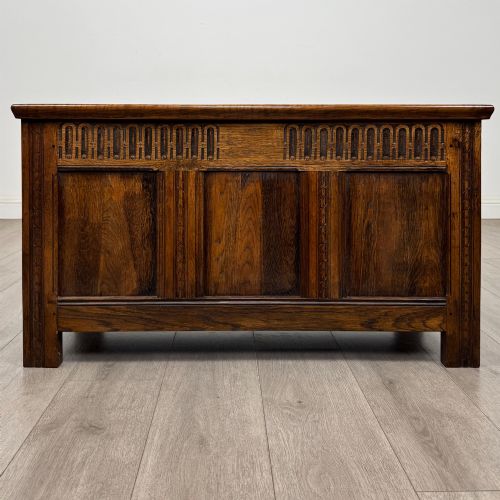
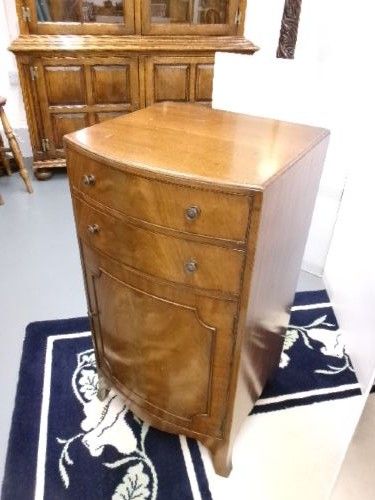
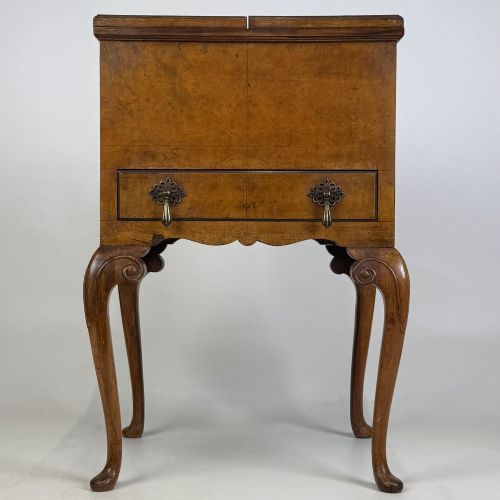
The selection ranges from dedicated bedside chests and music cabinets to small side tables with drawers and diminutive commodes. Mahogany and walnut dominate the offerings, frequently incorporating satinwood inlay or brass hardware.
Origins stretch across the Edwardian period itself alongside neighbouring Victorian and early twentieth-century dates, reflecting a fluid approach to domestic furniture manufacture.
Materials and Construction
Cabinet makers utilised dense timber foundations of mahogany, walnut, and oak, often applying burr walnut or satinwood veneers to visible exterior surfaces for decorative contrast. Secondary woods like pine frequently form internal drawer linings and structural framing.
Joinery relied on traditional dovetailed drawer construction and mortise and tenon frames, ensuring durability across daily domestic use. Surface finishes typically involved French polishing, which highlighted the natural grain patterns of the timber.
Edwardian Side Chest Retail Price Guide 2026
Typical asking prices for edwardian side chest among the pieces listed under this phrase on Sellingantiques today, from the lower quarter to the upper quarter. They describe what is for sale here now, not the wider market.
Listings feature items spanning the Victorian, Edwardian, and early twentieth-century periods in mahogany, walnut, oak, and brass.
Distinctions in Quality
Superior examples display carefully selected timber veneers matched across drawer fronts, whereas lower tiers rely on plain boards or heavily painted surfaces. The crispness of inlaid stringing and the retention of original brass handles or mounts separate standard production items from finer workshop pieces.
Whytock and Reid·Harris Lebus·Keeble London·Gill and Reigate
The Edwardian Side Chest Glossary
- Wellington chest
- A tall, slender chest of drawers secured by a hinged locking side flap that fastens with a key. This form originated in the nineteenth century to store documents or linen efficiently.
- Marquetry
- The art of forming decorative patterns on furniture by fitting together small pieces of coloured wood veneer. This technique frequently highlights Edwardian table tops and drawer fronts.
- Ormolu
- Gilt bronze mounts applied to cabinet furniture for decorative accent during the eighteenth and nineteenth centuries. These metal fixtures add formal weight to French and English revival pieces.
- Bow front
- A convex curved furniture front that projects outward in a smooth arc. This shape softens the geometry of smaller bedroom and hallway chests.
Edwardian Side Chest: Frequently Asked Questions
Where were these chests placed originally?
These pieces found places primarily beside beds for nighttime storage or within smaller reception rooms to hold sheet music and accessories. Their compact proportions suited the tighter room layouts typical of urban Edwardian homes.
They also served in hallways as compact surfaces for correspondence and keys, adapting easily to transitional domestic spaces.
How do I distinguish Edwardian from Victorian furniture?
Edwardian furniture generally exhibits lighter proportions, brighter wood tones, and restrained decorative inlay compared to the heavier, darker aesthetic of high Victorian design. Maker output around 1900 shifted toward revival styles that prioritised elegance over mass.
Looking at secondary timbers and hardware styles helps confirm the transition away from mid-nineteenth-century manufacturing methods.
What woods are most common?
Mahogany and walnut form the vast majority of surviving surfaces, often enhanced by burr walnut figuring or satinwood banding. Oak and pitch pine appear frequently in utility pieces and larger drawer chests.
Secondary woods like pine remain hidden inside drawer construction and internal framing.
Can I use a music cabinet as a bedside table?
Music cabinets share similar height and footprint dimensions with traditional bedside chests, making them practical for modern bedside storage. Their internal shelving or shallow drawers accommodate books and personal items easily.
Many period examples offer enclosed door storage that keeps bedside surfaces visually clear.