
Edwardian Sheraton Cabinet
These pieces unite classical Georgian geometry with the lighter timbers favoured around nineteen hundred, bringing refined proportions to an edwardian sheraton cabinet.
Edwardian Sheraton Cabinet
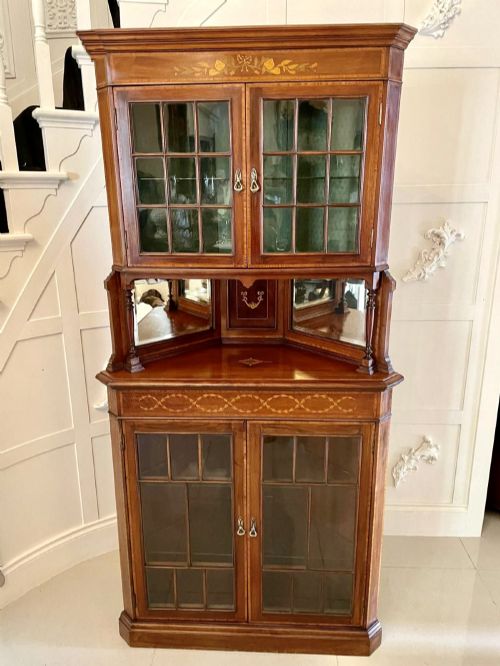
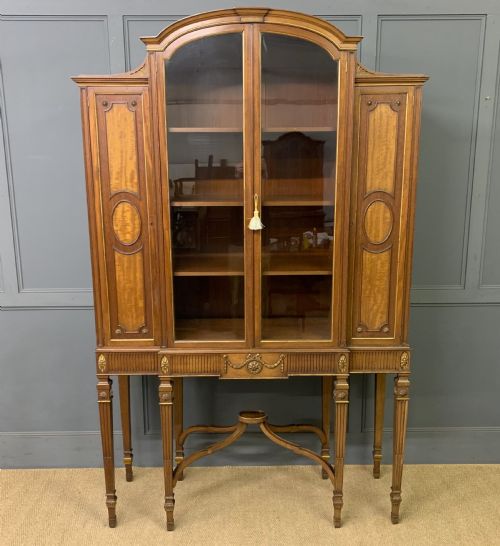
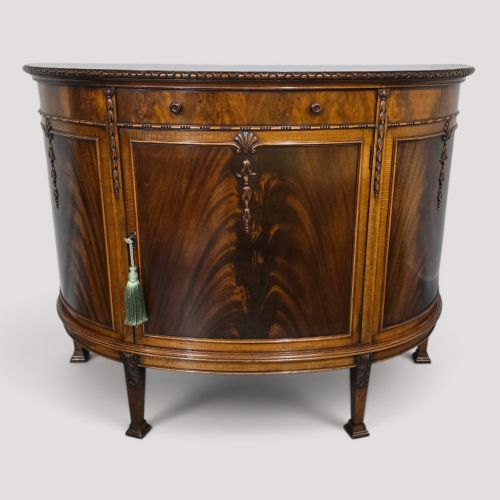
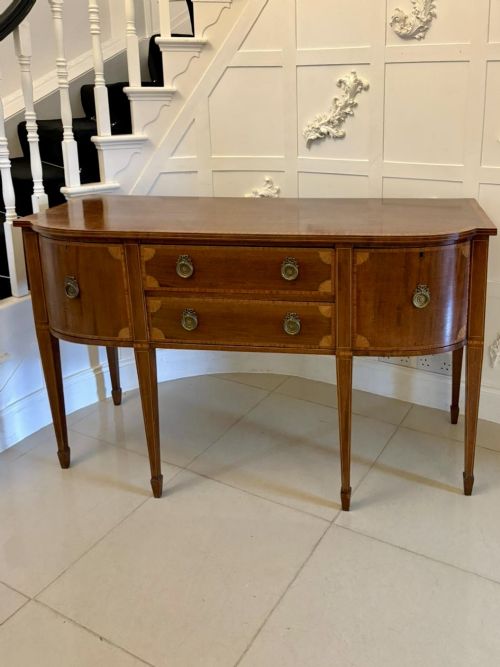
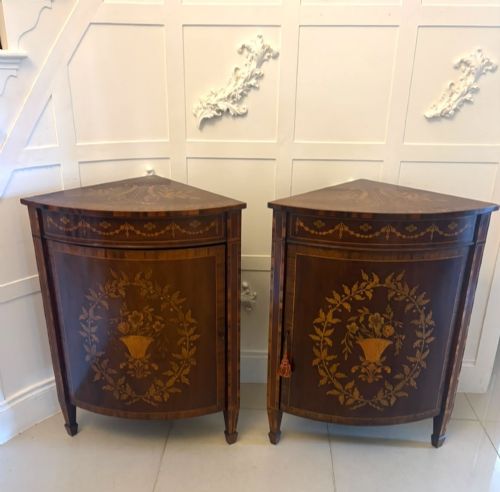
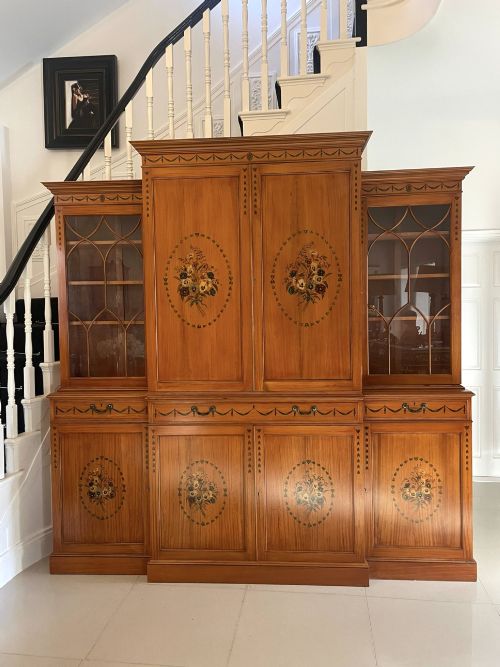
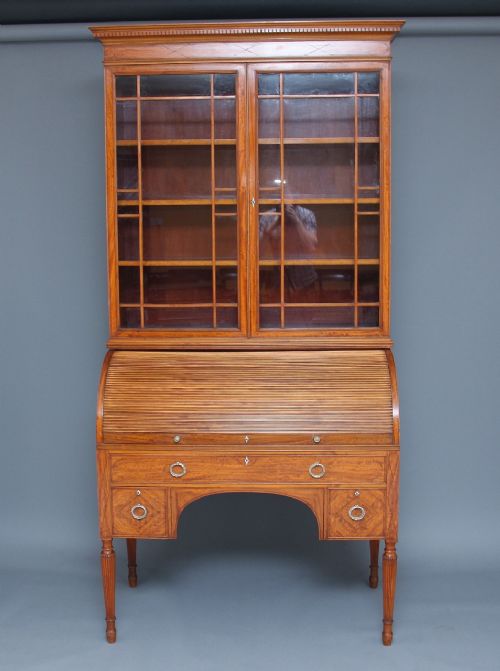
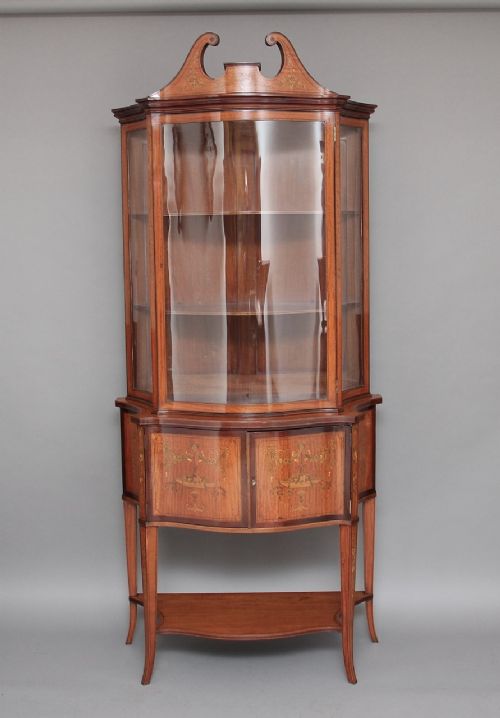
When you search for an edwardian sheraton cabinet, you encounter pieces designed in the revivalist spirit of the late nineteenth and early twentieth centuries. The selection spans display cabinets, sideboards, and corner units shaped by the aesthetic of the late victorian and edwardian eras.
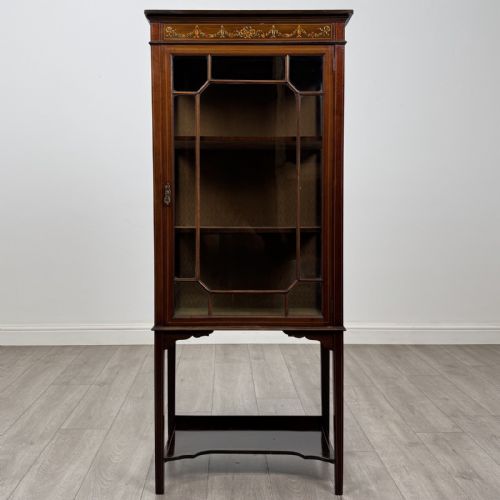
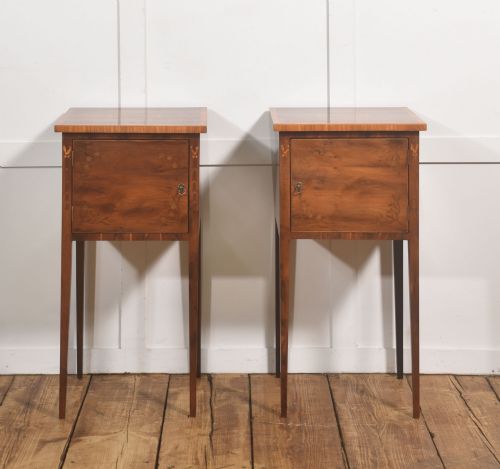
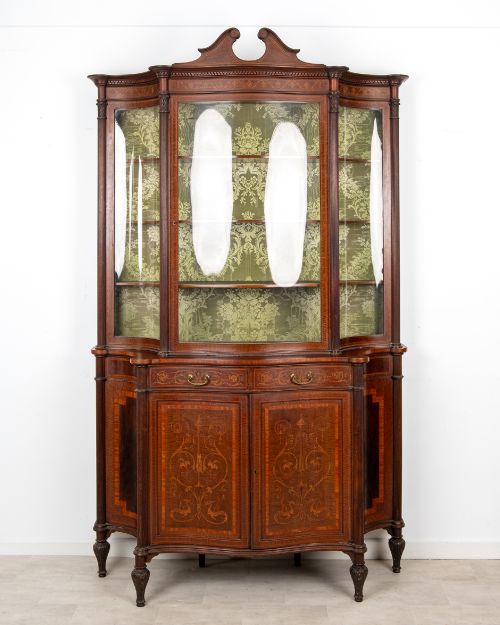
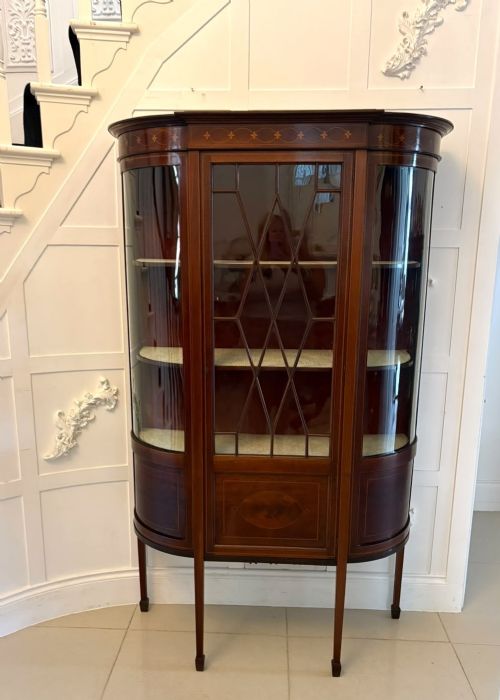
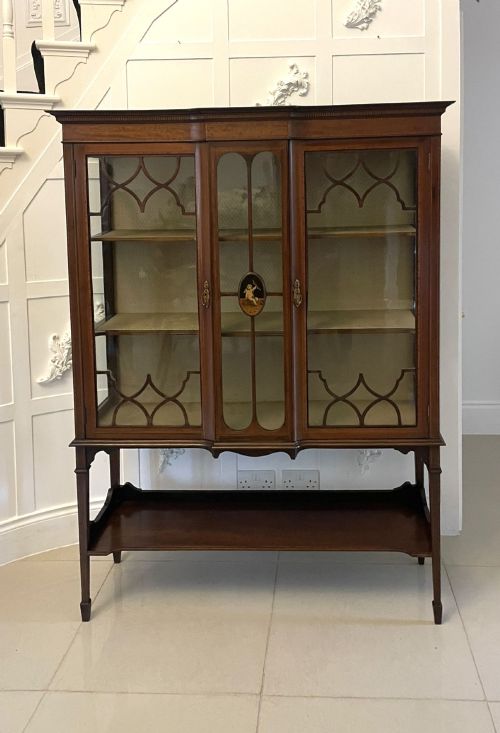
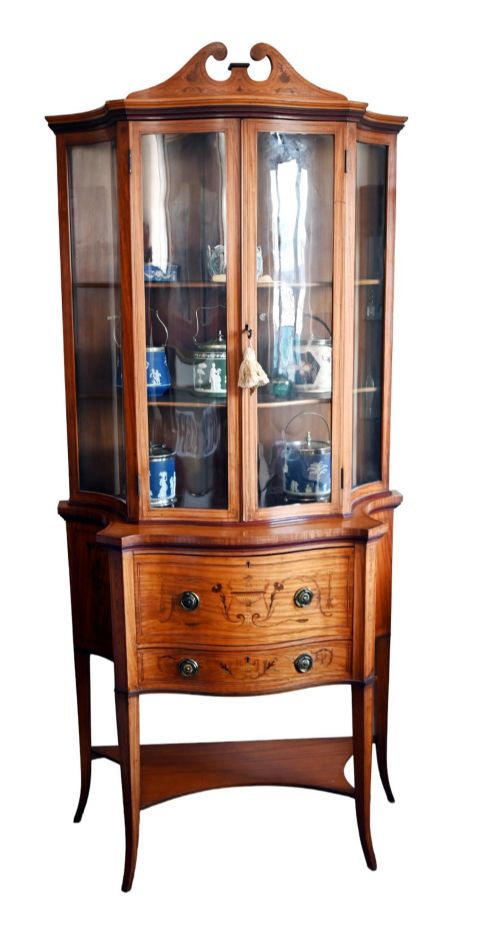
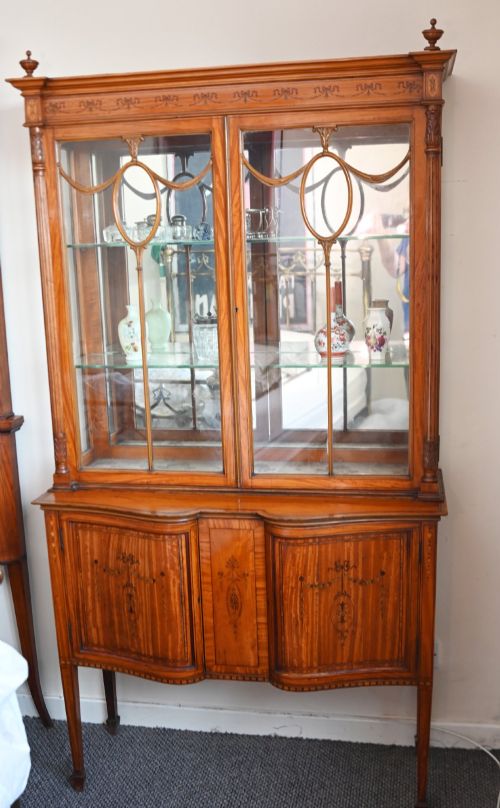
The version most commonly met on this page is the display cabinet or side cabinet framed in mahogany or satinwood. These forms draw directly on eighteenth-century precedents while reflecting the lighter decorative tastes of nineteen hundred and adjacent decades.
Materials and Technique
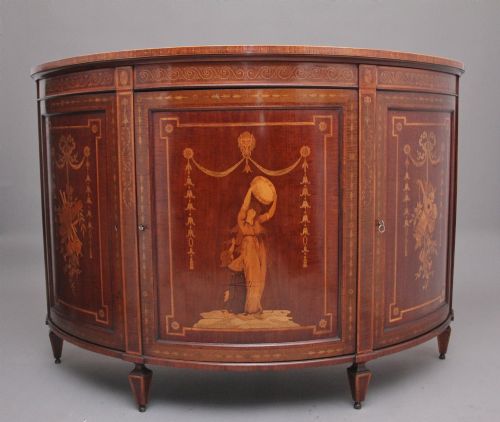
Cabinetmakers constructed these pieces primarily using solid and veneered mahogany or satinwood, often enhanced with boxwood stringing and delicate marquetry. The technique relies on precise cutting of contrasting timbers to create geometrical borders and classical swags.
Makers integrated glass panels for display purposes, sometimes combining them with hand-painted decoration directly upon the timber surface. Brass fittings secure the doors and drawers, completing an assembly grounded in traditional joinery methods.
Music cabinets share floor space with delicate writing desks, proving that edwardian households took their hobbies very seriously indeed.
Gradations in Standard
The distinction between ordinary and superior pieces rests on the crispness of the inlay and the selection of the timber grain. Finer examples display intricate marquetry with varied natural woods rather than simple stencilled decoration.
Structural heft and the presence of original painted details elevate certain pieces above standard utility furniture of the period. Superior cabinets exhibit balanced proportions and refined handling of brass hardware and glass glazing.
Hewetsons London·Hampton And Sons·Edwards And Roberts·Leonard Davis·Maple And Co
The Edwardian Sheraton Cabinet Glossary
- Satinwood
- A hard, yellow timber prized for its lustrous sheen and smooth grain. It forms the primary visible surface on many lighter display pieces.
- Marquetry
- Decorative patterns formed by fitting together small pieces of wood veneer. It creates pictorial or geometric designs across drawer fronts and cabinet doors.
- Demi-Lune
- A half-moon shape characteristic of certain sideboards and cabinets designed to fit flush against a wall. This profile softens room corners.
- Astral Glazing
- Cabinet doors divided into small glass panes by slender wooden bars. It provides an airy view of items stored within.
- Stringing
- Thin lines of contrasting wood inlaid into the surface of furniture. It frames panels and outlines structural edges.
Edwardian Sheraton Cabinet: Frequently Asked Questions
What defines a Sheraton revival piece?
These pieces imitate the light, classical furniture designs associated with the eighteenth-century designer. They feature symmetrical lines, tapering legs, and delicate inlay work.
Craftsmen working around nineteen hundred revived these motifs to satisfy a demand for refined, elegant domestic furniture.
How are satinwood and mahogany used?
Mahogany provides a sturdy structural carcase with a deep reddish-brown tone. Satinwood serves as a lighter decorative veneer for prominent panels and doors.
Together they create high contrast visual schemes favoured in formal entertaining spaces.
Where were these cabinets placed?
Display cabinets stood in drawing rooms to exhibit porcelain, glass, and curiosities behind glazed doors. Smaller corner units maximised space in dining rooms and parlours.
Sideboards and demi-lune cabinets served dining functions or lined entrance hallways.
How do I date an edwardian piece?
Evidence relies on timber choice, construction methods, and stylistic cues recorded in the inventory. Pieces from this era combine traditional joinery with the revival aesthetics popular around nineteen hundred.
Maker stamps and labels help confirm exact workshops.