




Edwardian Sewing Box
An edwardian sewing box is a practical and decorative receptacle designed to hold needlework supplies, ranging from small silver pin cushions to large inlaid mahogany work tables.
Edwardian Sewing Box
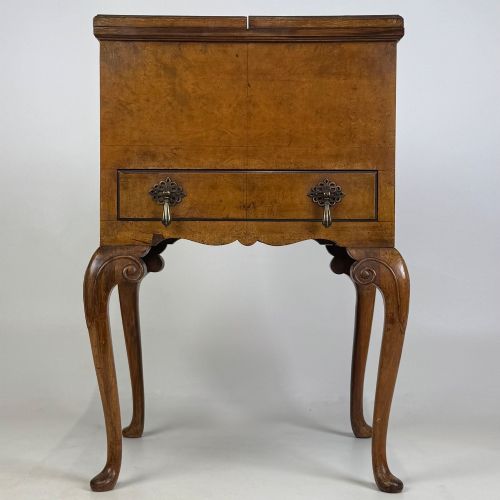
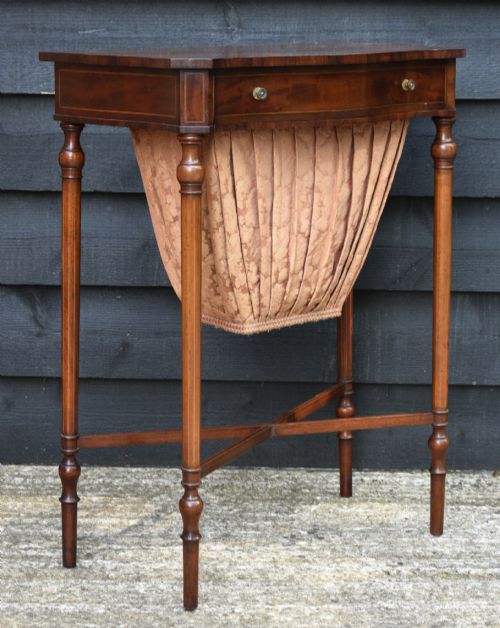
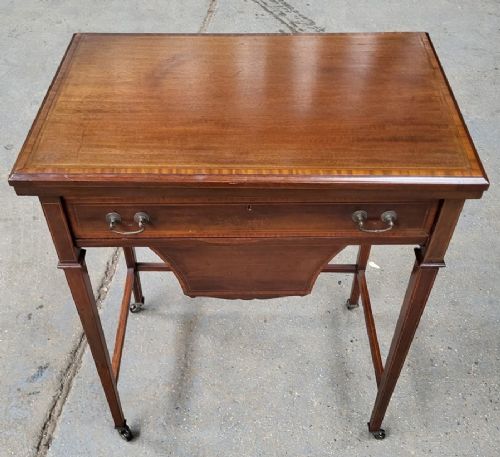
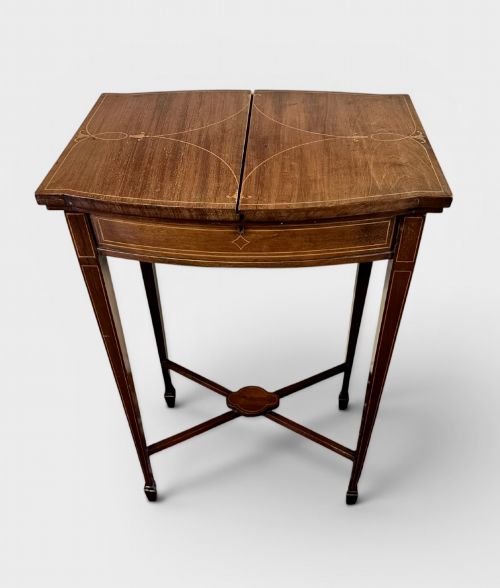
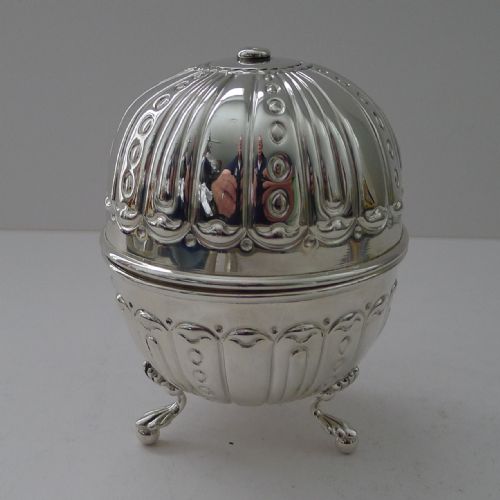
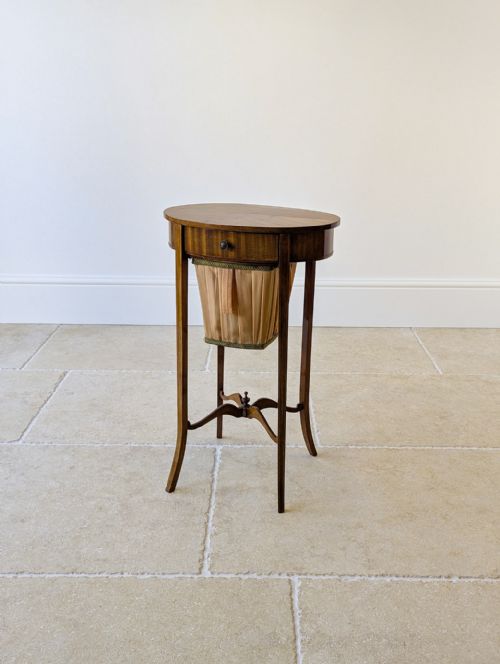
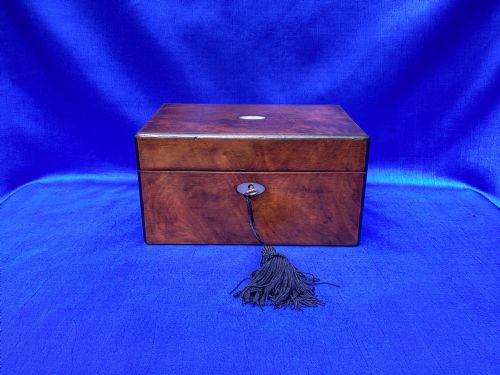
When searching for an edwardian sewing box, buyers encounter a diverse range of objects designed for needlework and small valuables, predominantly originating from the Edwardian period and the wider nineteenth century. The selection spans compact tabletop pieces, such as silver pin cushions and small boxes, alongside larger furniture forms including work tables, sewing tables, and occasional side tables.
How they were made
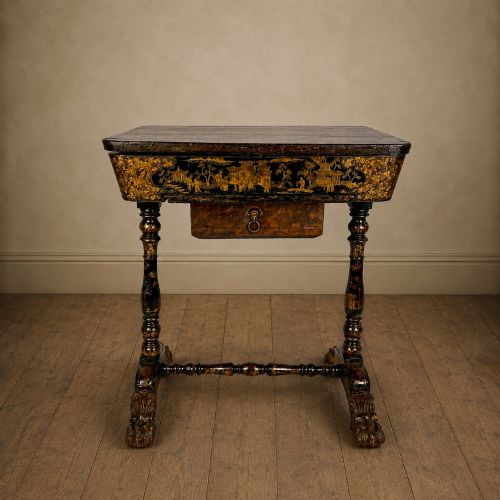
Cabinet makers utilised dense hardwoods such as mahogany, rosewood, walnut, and satinwood as the primary structural foundations for these tables and boxes, frequently applying decorative veneers like burr walnut or delicate marquetry inlay. Surface ornamentation incorporated brass fittings, hand-painted details, and black and gilt lacquer work.
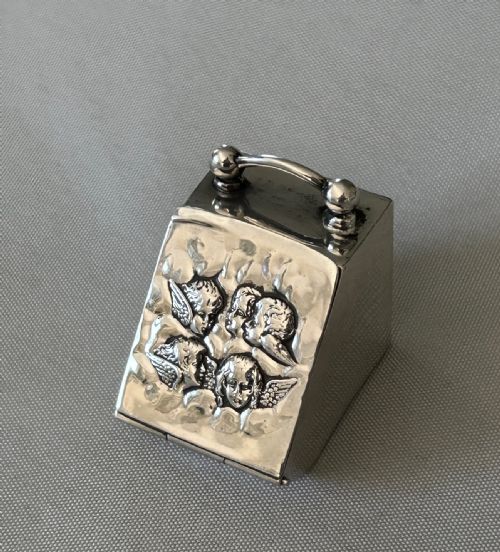
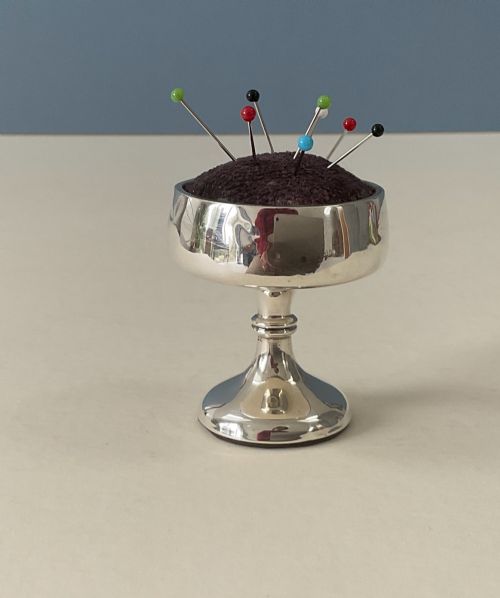
Smaller tabletop objects and containers relied on sterling silver mounts, pierced floral scrollwork, and novelty casting techniques, particularly for items such as pin cushions, thimble cases, and cotton holders. Silk and fabric linings completed the internal compartments of fitted work tables and boxes.
A tiny silver chick emerges from its egg as a functional pin cushion.
What varies in quality
The distinction between tiers of quality rests upon the sophistication of the timber selection and the precision of the decorative inlay. Superior examples display carefully matched burr veneers, intricate marquetry, and finely executed cross-banding rather than simple painted or printed ornamentation.
Internal complexity and the retention of original fittings dictate value within this category. Pieces that preserve complete fitted compartments, silk work bags, and associated small accessories demonstrate a higher standard of original domestic luxury.
Gillows·Artificer's Guild
The Edwardian Sewing Box Glossary
- Marquetry
- A decorative technique where pieces of veneer are fitted together to form pictorial or geometric patterns on a wooden surface. This method is frequently seen on the tops of Edwardian and Victorian work tables.
- Work Table
- A specialised piece of furniture containing drawers, compartments, or suspended fabric bags designed to hold sewing equipment and needlework supplies. These items double as occasional or lamp tables.
- Pin Cushion
- A small domestic accessory, often fashioned into novelty animal or figurative shapes from solid silver, used to store pins safely during tailoring and embroidery.
- Tunbridge Ware
- Small wooden boxes and decorative objects decorated with tiny mosaic tiles arranged to form pictorial designs. This technique relies on precision woodworking.
- Sheraton Revival
- A late nineteenth and early twentieth-century design style inspired by eighteenth-century neoclassical furniture makers. Pieces from this movement often feature satinwood, fine inlay, and tapered legs.
Edwardian Sewing Box: Frequently Asked Questions
What is an edwardian sewing box?
An edwardian sewing box is a specialised container or small piece of furniture created to organise threads, needles, and fabric scraps during the early twentieth century.
These pieces range from tabletop silver novelties and wooden workboxes to substantial mahogany sewing tables fitted with internal trays and silk collection baskets.
How were sewing tables used?
Needlework tables served as functional stations where women could keep their current embroidery, mending, and lace-making projects neatly contained in the drawing room or parlour.
The fitted interiors kept small tools separated, while the attached fabric bags allowed loose wools and fabrics to drop out of sight when not in use.
How do I date an edwardian sewing box?
Dating relies on examining timber choices, hardware styles, and manufacturing techniques characteristic of the period between nineteen hundred and nineteen ten. Edwardian items frequently display lighter satinwood finishes and delicate string inlay compared to heavier Victorian walnut and rosewood antecedents.
Assay marks on silver components or pin cushions also provide exact calendar years of manufacture.
How do I care for wooden work tables?
Wooden work tables require placement away from direct heat sources and strong sunlight to prevent the delicate mahogany or burr walnut veneers from drying and cracking. Regular dusting with a dry cloth maintains the polished surface without damaging the historic finish.
Silk bags and fabric interiors should be protected from excessive moisture and handled gently to preserve the original textiles.