

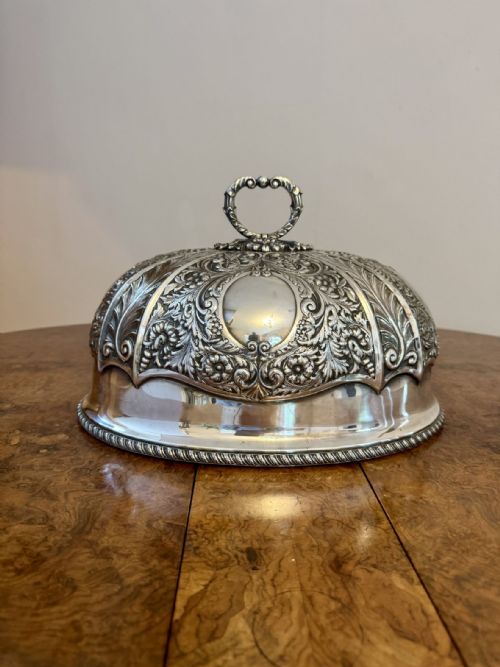


Edwardian Serving Dish
An edwardian serving dish brings period dining to the table, offering versatile vessels crafted in silver plate, porcelain and cut glass.
Edwardian Serving Dish
When you search for an edwardian serving dish, you encounter a practical range of dining table items designed for formal meals and home hospitality. The listings span periods from the nineteenth century through the 1930s, encompassing Victorian, Edwardian, George V and later years.
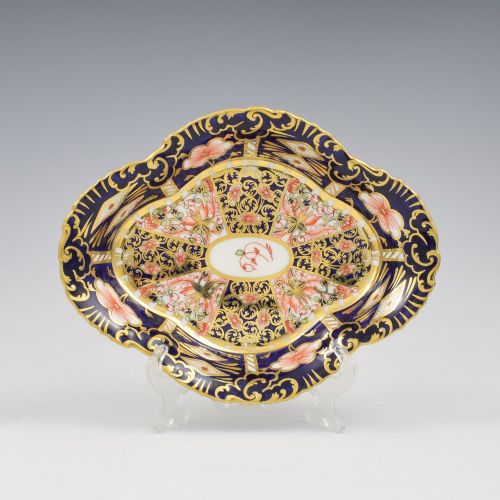
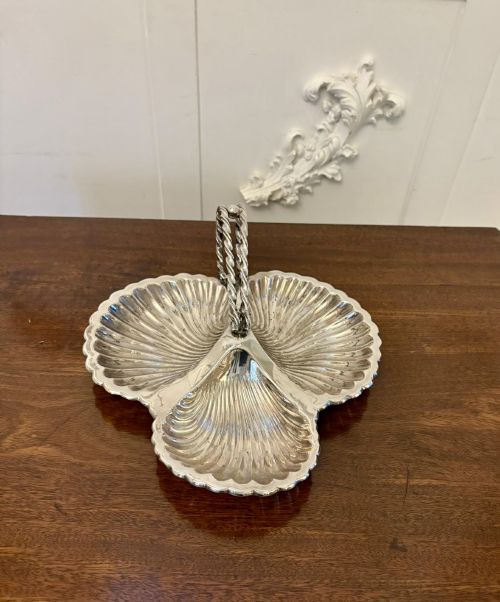
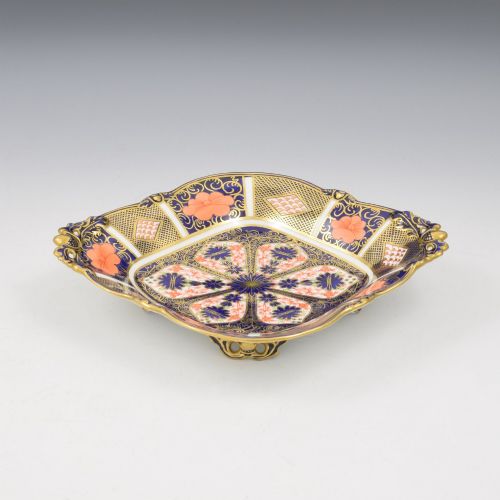
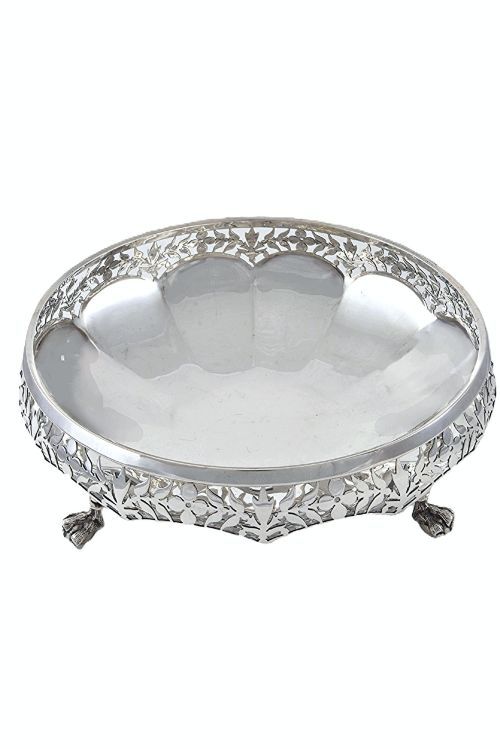
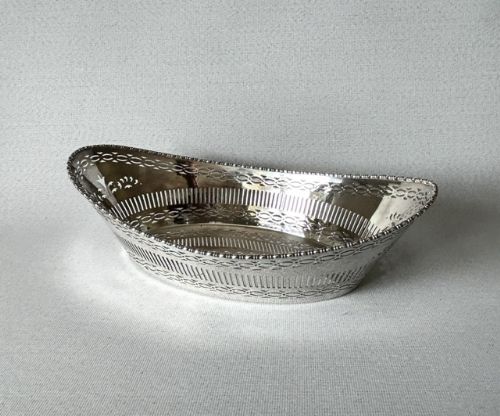
The most common version on this page is the silver plated entree dish or rectangular serving piece, frequently produced during the Edwardian era. Alongside these metal items appear porcelain dishes, cut glass bowls, baskets and decorative trays.
Makers and manufacturers represented include firms such as Mappin & Webb, Elkington, Royal Crown Derby and Royal Worcester. Objects range from enclosed tureens and meat covers to open fruit baskets and cabinet dishes.
Materials and Technique
Metals dominate the selection, primarily electroplated nickel silver and standard silver plate over a base metal, alongside solid sterling silver pieces. Makers also utilised copper for Arts and Crafts and Art Nouveau trays and centrepieces.
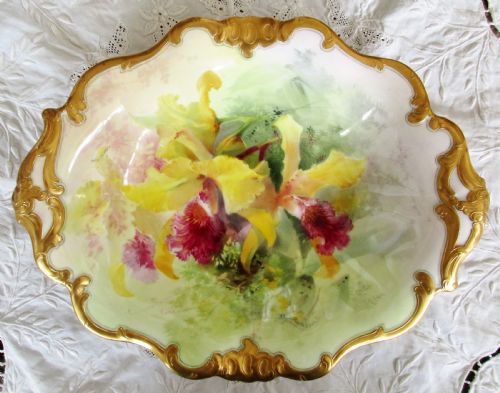
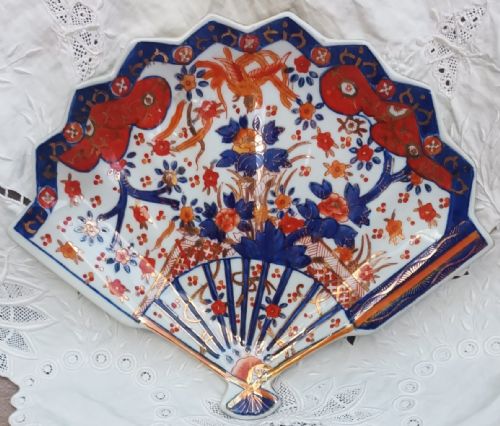
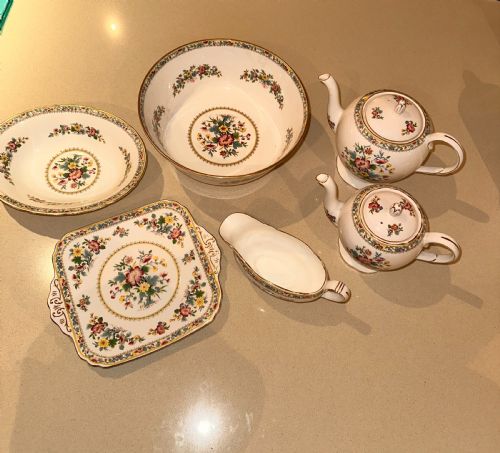
Ceramic examples employ bone china and porcelain, decorated with hand-painted floral or imari patterns by named artists. Cut glass and brass form the remaining material options recorded across the inventory.
Asparagus required its own specific ceramic dish, proving the Victorians and Edwardians invented a plate for every single vegetable.
Judgement of Quality
Quality rests upon the weight of the metal, the crispness of applied cast mounts, and the integrity of any silver plating over the underlying base metal. Maker attribution to established silversmiths or porcelain factories elevates the standing of an item.
In ceramic and glass pieces, the refinement of hand-painted decoration, such as detailed fruit or floral studies, separates standard production from superior examples. Completeness, including original stands or matching covers, governs the grade of the serving dish.
Mappin and Webb·Royal Crown Derby·Royal Doulton·Elkington and Co·Royal Worcester
The Edwardian Serving Dish Glossary
- Entree dish
- A covered serving vessel used at the dinner table for main courses or side dishes. They often feature removable handles to allow the lid to double as a secondary shallow dish.
- EPNS
- Electroplated nickel silver, a common base metal method where a thin layer of pure silver coats a nickel brass alloy. This technique dominated domestic silver production during the period.
- Imari pattern
- A decorative ceramic style employing iron red, cobalt blue and gilt, inspired by Japanese export wares. British potteries adapted this palette extensively.
- Tureen
- A deep, bowl-shaped vessel equipped with a lid, utilised for serving soups, vegetables or stews. Examples appear in both ceramics and silver plate.
- Cloche
- A bell-shaped cover designed to keep food warm on a serving platter or meat tray. They occur in silver plate matching the style of the dining service.
Edwardian Serving Dish: Frequently Asked Questions
What is an edwardian serving dish used for?
These dishes held food at the dining table, ranging from meats and vegetables to fruit, bread and pastry. Covered versions kept dishes warm between the kitchen and the dining room.
Open baskets and shallow bowls served items like strawberries, cakes or asparagus. Many pieces functioned as decorative centrepieces when not holding food.
How do I clean silver plated serving dishes?
Silver plate requires gentle cleaning with a specialist silver polish and a soft cloth to avoid wearing through the thin metal layer. Avoid harsh abrasives or soaking items for extended periods.
For pieces with applied handles or delicate joints, dry them thoroughly after washing to prevent tarnishing and moisture retention.
How can I tell an Edwardian piece from a Victorian one?
Edwardian items often display lighter, more restrained ornamentation influenced by neoclassical and Edwardian tastes, moving away from heavy Victorian revival styles. Maker marks, hallmarks and registration numbers provide specific dating evidence.
Stylistic cues also point to the era, such as Art Nouveau floral motifs appearing alongside traditional Georgian revival designs.
Are these dishes safe for modern food use?
Most silver plated and porcelain serving pieces remain suitable for serving dry foods, fruits and breads. Items with worn silver plate exposing the base metal require caution with acidic foods.
Hand washing is essential for all antique ceramics, glass and plated metalware to preserve the surface decoration and structural integrity.