

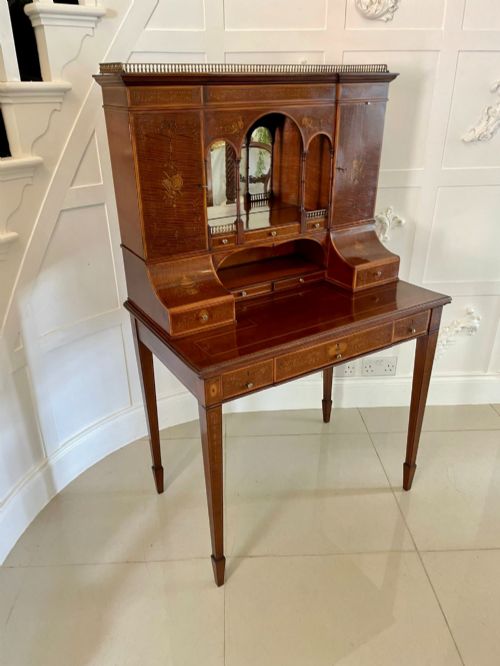

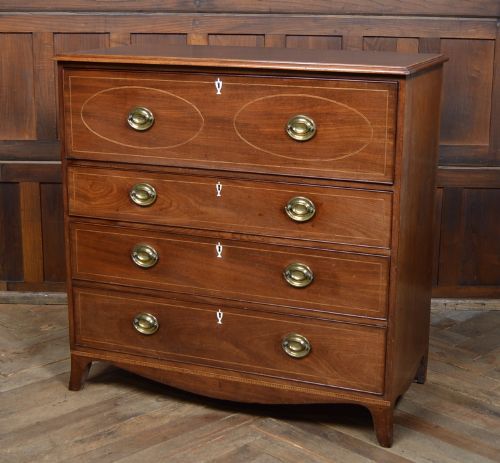


Edwardian Secretaire Desk
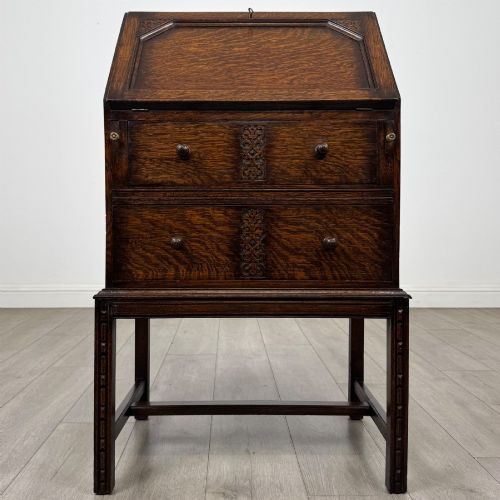
An edwardian secretaire desk is a versatile hybrid of cabinetwork and writing furniture that conceals a drop-front fall drawer for correspondence.
Edwardian Secretaire Desk
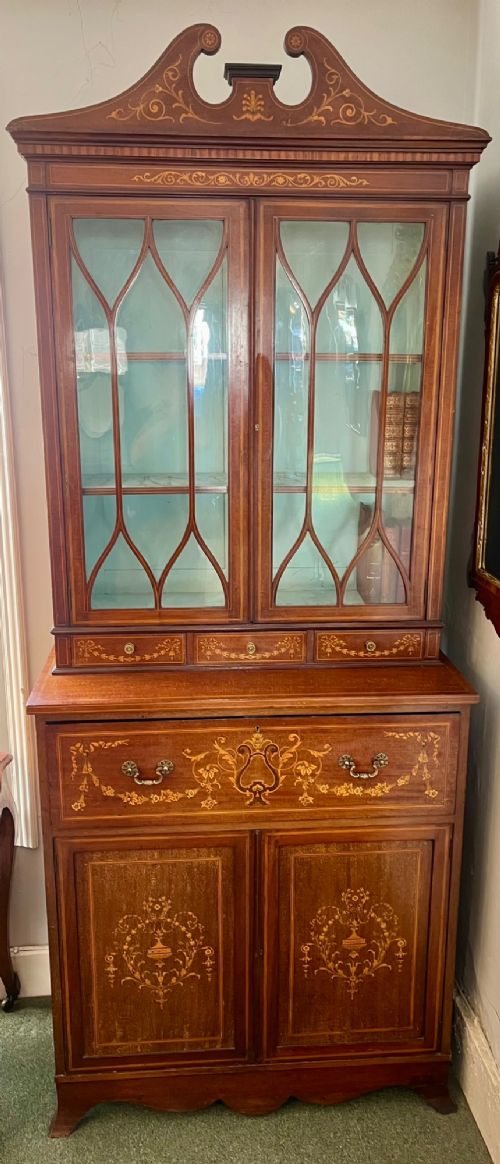
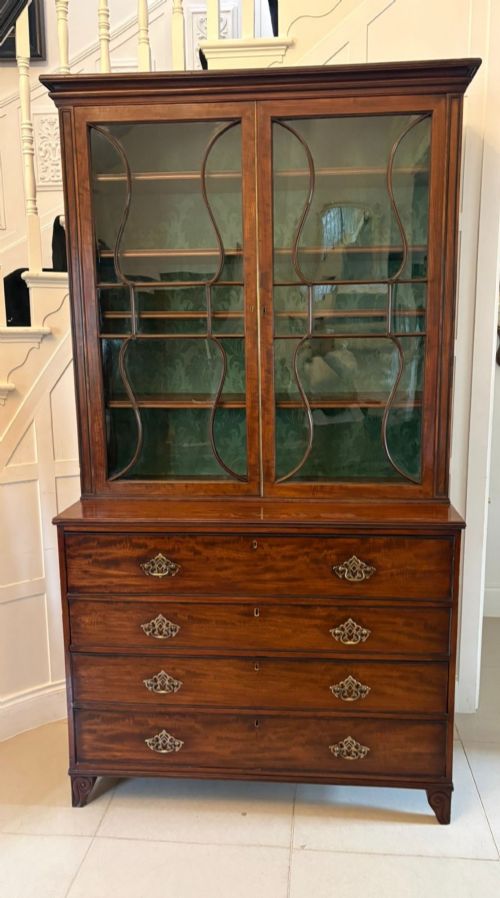
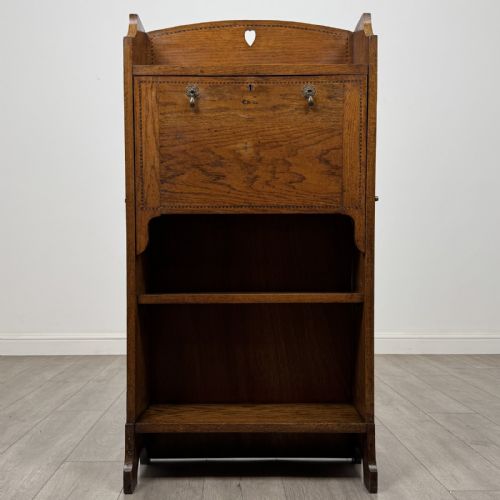
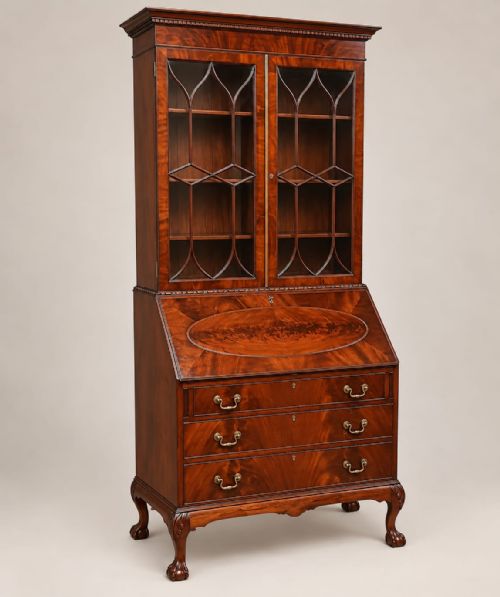
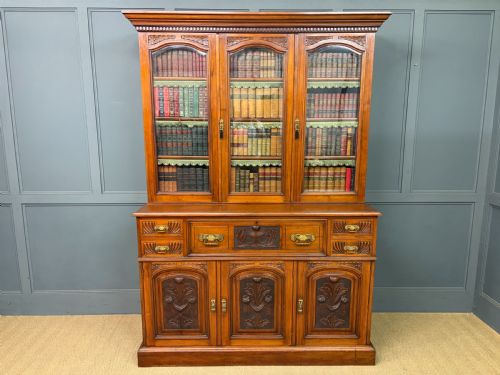
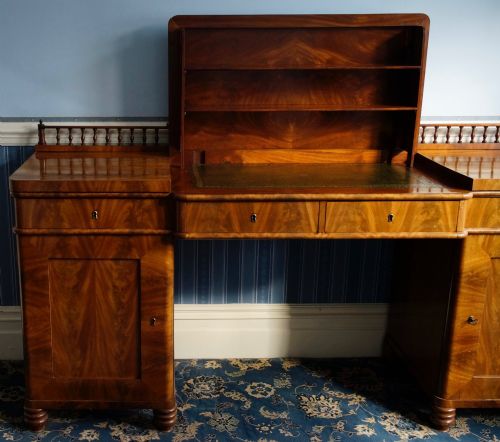
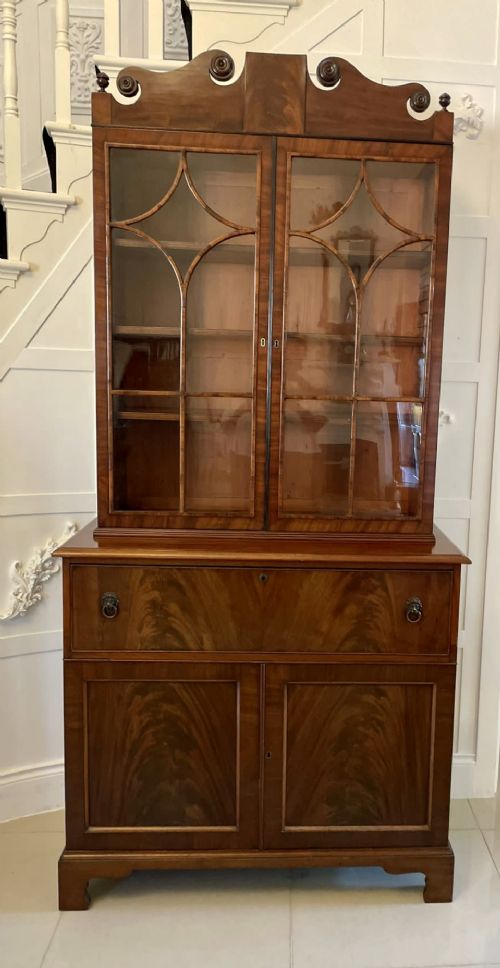
When searching for an edwardian secretaire desk, buyers encounter forms that merge a traditional bookcase or chest of drawers with a fitted writing compartment. The most common iteration on this page is the upright secretaire bookcase or bureau cabinet, often constructed in oak, mahogany, or walnut.
These pieces bridge the gap between display furniture and private study, featuring upper glazed or panelled doors above a fall-front writing surface. Inside, fitted pigeonholes and small drawers organise correspondence and writing materials behind the closed fall.
Origins stretch from the Edwardian period back through Victorian and Georgian eras, though the specific Edwardian examples lean towards lighter woods like satinwood and golden oak alongside classic mahogany.
Materials and Construction
Cabinetmakers relied heavily on mahogany, oak, and walnut as primary timbers, frequently pairing them with contrasting inlay veneers such as satinwood and maple. Structural integrity depended on solid secondary timbers for drawer linings and internal dividers, assembled with traditional dovetail joints.
Decorative detailing incorporates marquetry panels, brass hardware, and leaded or clear glass for upper cabinet doors. Tambour fronts and drop-front mechanisms required precise joinery to ensure smooth movement within the fitted writing compartments.
Edwardian Secretaire Desk Retail Price Guide 2026
Typical asking prices for edwardian secretaire desk among the pieces listed under this phrase on Sellingantiques today, from the lower quarter to the upper quarter. They describe what is for sale here now, not the wider market.
Many secretaire desks conceal secret miniature drawers behind hidden spring-loaded panels within the stationery compartment.
Judging Quality
Quality reveals itself in the choice of timber figure, such as burr walnut or figured mahogany, and the crispness of marquetry inlay. Superior cabinetwork shows meticulous attention to the internal stationery fittings, including secret drawers and leather-lined writing surfaces.
The integration of brass handles, locks, and hinges indicates the original tier of manufacture. Well-made pieces maintain structural rigidity across the drop-front hinges and heavy upper bookcase sections without sagging.
Maple and Co·Gillows·James Shoolbred and Co·Edwards and Roberts
The Edwardian Secretaire Desk Glossary
- Secretaire
- A desk or cabinet featuring a pull-down or drop-front writing flap that conceals a fitted interior of small drawers and pigeonholes.
- Marquetry
- Decorative veneer work forming pictorial or geometric patterns using various coloured woods.
- Tambour
- A flexible shutter made of narrow strips of wood glued to canvas, allowing curved fronts to slide open.
- Davenport
- A compact pedestal desk with a sloping writing surface, originating in the late eighteenth century.
- Bureau bookcase
- A dual-purpose piece combining a lower writing desk with an upper shelving unit enclosed by doors.
Edwardian Secretaire Desk: Frequently Asked Questions
What is an edwardian secretaire desk?
An edwardian secretaire desk is a dual-purpose piece of furniture that combines storage for books or household items with a concealed writing compartment.
The defining feature is a drop-front drawer that opens to reveal small drawers and pigeonholes for correspondence.
How do I use a secretaire?
To use the desk, you unlock and lower the fall-front flap, which is often supported by brass arms or sliding brackets to create a horizontal writing surface.
When writing is finished, papers are stored in the internal compartments before closing and locking the front panel.
Where were these desks placed?
These pieces usually stood in libraries, drawing rooms, or master bedrooms where correspondence and household accounts were managed.
Their upright proportions made them efficient for smaller spaces while offering significant vertical storage.
How do I clean the wood?
Maintenance requires dusting with a soft, dry cloth and occasionally applying a quality beeswax to nourish the polished timber surface.
Harsh chemical cleaners and excessive moisture should be avoided to protect antique veneer and leather inserts.