
Edwardian Seating
Edwardian seating brings together solid mahogany dining sets, inlaid elbow chairs, and button-backed armchairs that define early twentieth-century interior style.
Edwardian Seating
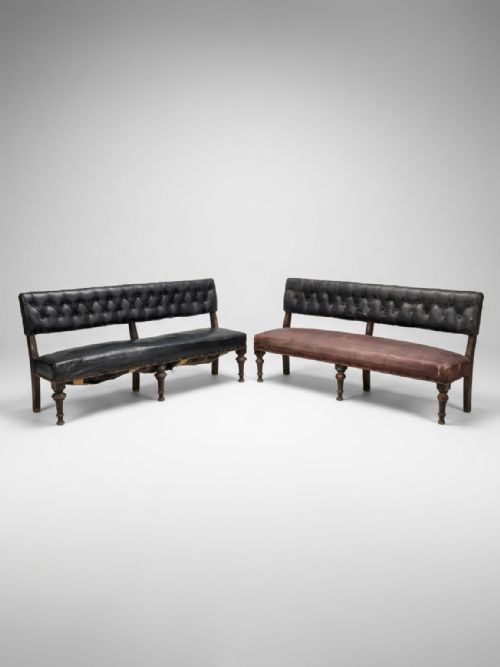
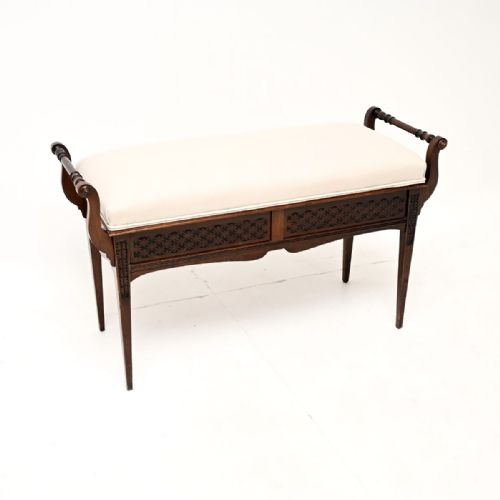
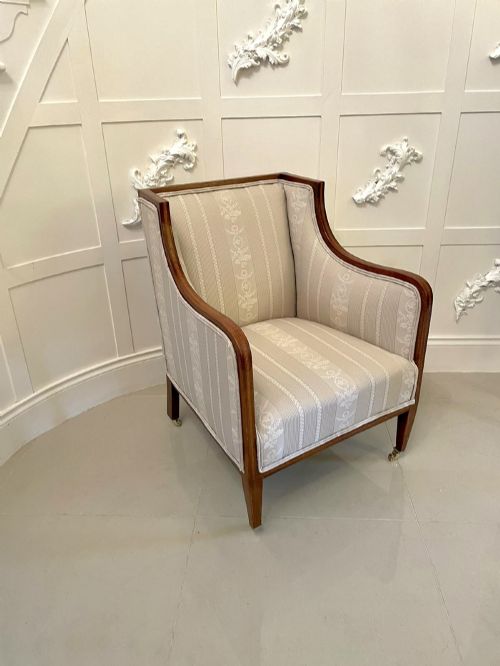
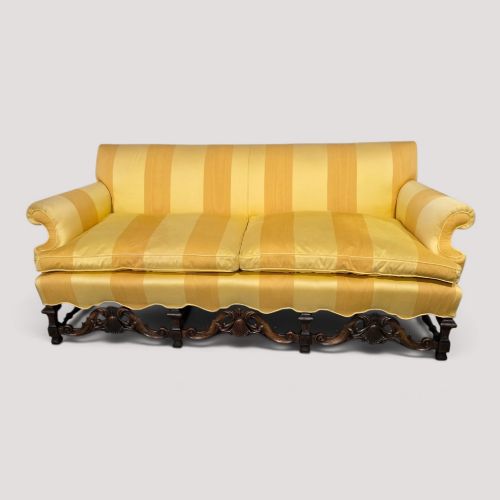
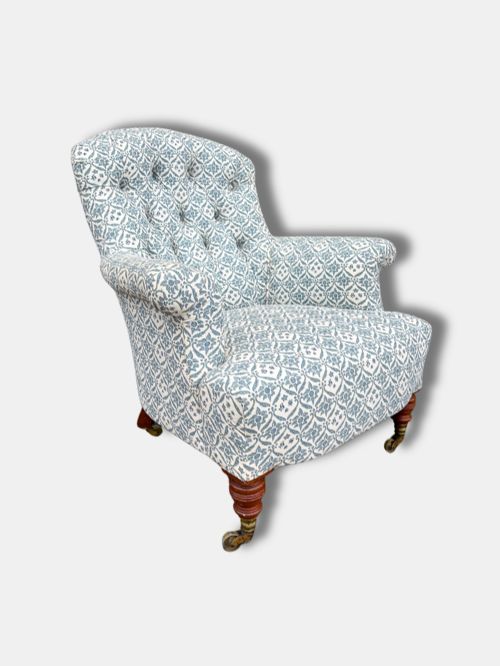
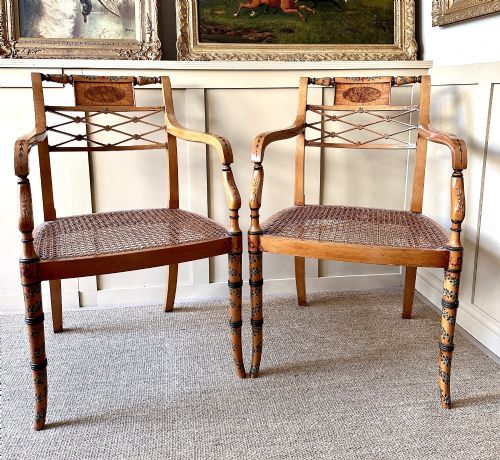
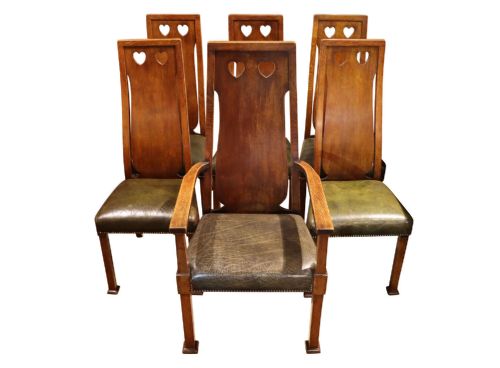
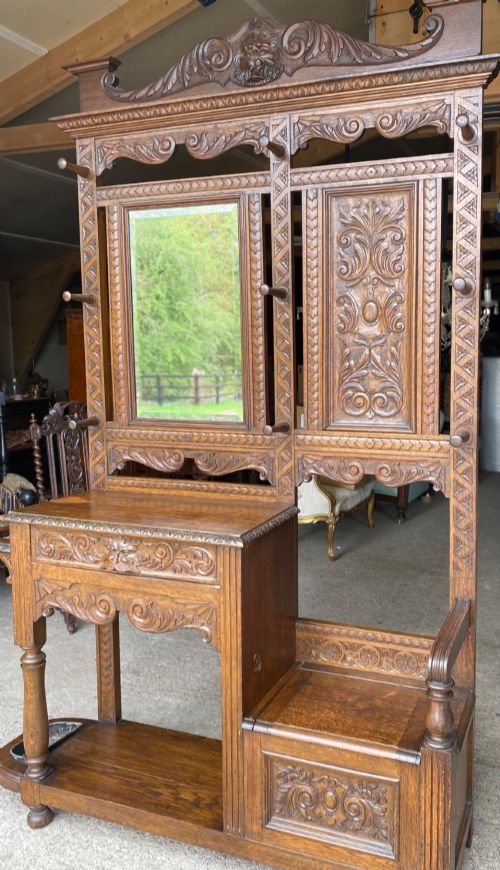
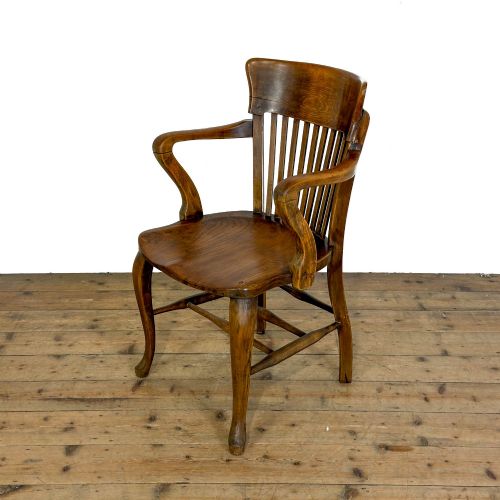
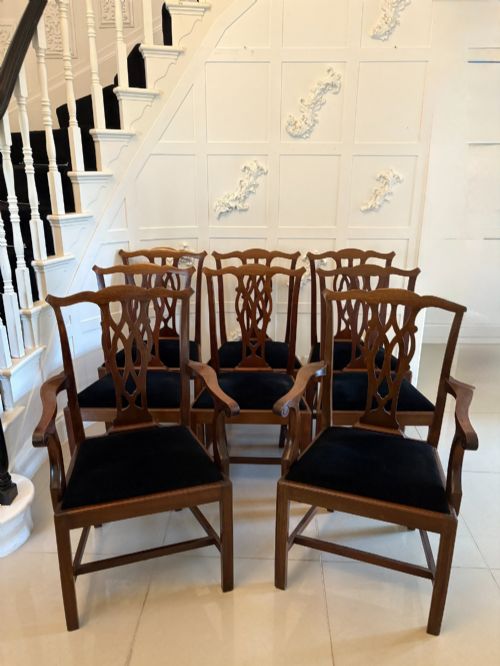
Edwardian seating encompasses a broad variety of domestic forms designed for comfort and reception, ranging from large dining sets in mahogany and oak to individual elbow chairs, stools, and office armchairs. When exploring edwardian seating, the most frequent encounters on this page are dining chairs, office chairs, and armchairs produced around the turn of the twentieth century.
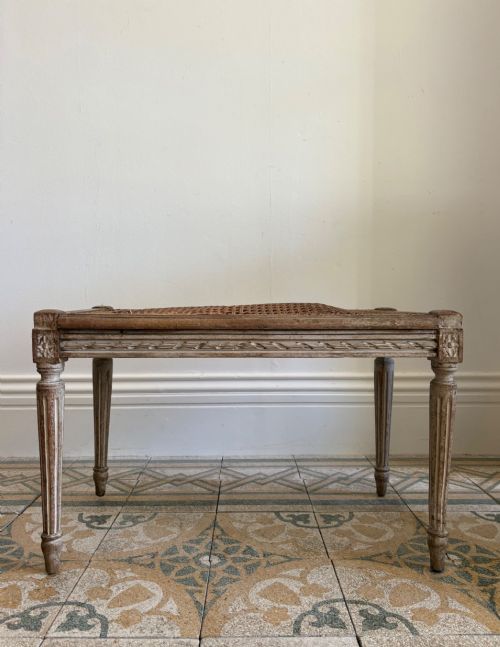
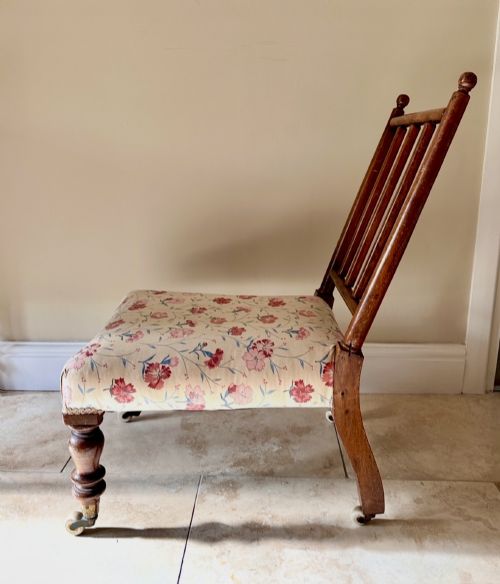
Makers and workshops drew heavily on earlier historical vocabularies, producing pieces in Sheraton Revival, Jacobean Revival, Arts and Crafts, and Art Nouveau styles alongside straightforward Edwardian designs. Surviving examples include large sets of dining chairs alongside occasional seating such as spindle-back slipper chairs, bamboo sporting seats, and low rush-seated armchairs.
The origin of these pieces extends across English workshops, Scottish schools, and continental centres, utilising woods like walnut, beech, oak, and mahogany. These items served formal dining rooms, libraries, hallways, and offices, reflecting the varied domestic requirements of the period.
Materials and construction methods
Carpenters and cabinetmakers utilised durable hardwoods including oak, mahogany, walnut, beech, and rosewood to construct sturdy frames for edwardian seating. These woods were frequently carved, ebonised, or painted, and sometimes embellished with decorative inlay or brass castors.
Upholstery techniques relied on traditional stuffing materials paired with coverings of leather, fabric, velvet, and woven cane. Structural integrity was achieved through pegged joints, turned spindles, and solid framing, ensuring everyday utility in domestic and commercial settings.
Listings for edwardian seating feature solid oak, mahogany, and walnut woods alongside cane, leather, and fabric upholstery across multiple revival styles.
Distinctions in craftsmanship and material
Quality in edwardian seating rests upon the selection of timber, the crispness of carved detail, and the integrity of the frame construction. Solid mahogany and walnut frames with hand-carved ornamentation or precise inlay sit at the upper end of the scale.
The choice of secondary materials and the retention of original upholstery components, such as buttoned leather or woven cane panels, further distinguish finer examples. Pieces bearing stamps or labels from established retailers and makers demonstrate documented provenance that elevates their standing.
Howard And Sons·Goodyers London·Whytock And Reid·Morris And Co·Charles Tozer
The Edwardian Seating Glossary
- Bergere
- An upholstered armchair with an enclosed cane back and sides, commonly framed in mahogany or walnut. This style gained significant popularity during the late nineteenth and early Edwardian periods.
- Elbow chair
- A wooden chair featuring low arms, often designed as a companion piece to a set of dining chairs. These items frequently display Sheraton or Jacobean revival influences.
- Settle
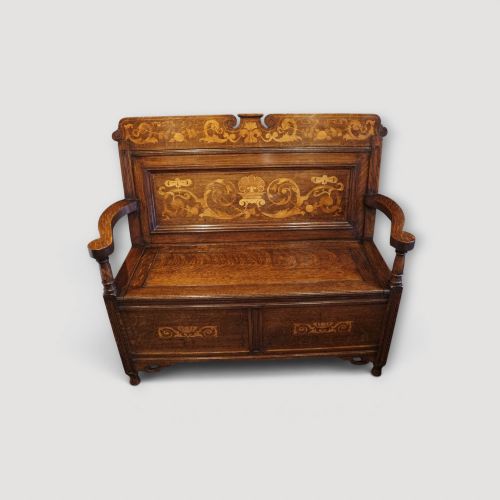
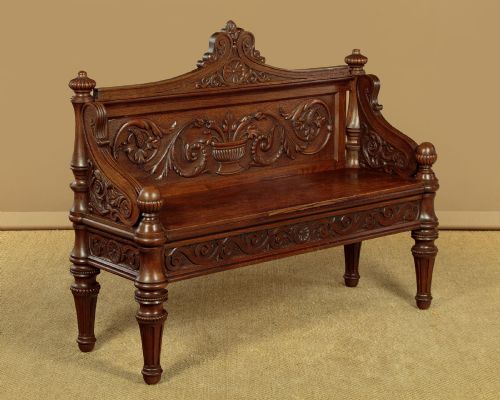
- A high-backed wooden bench with solid arms and often an integrated storage box beneath the seat. They appear frequently in carved oak within Arts and Crafts or revival contexts.
- Revolving desk chair
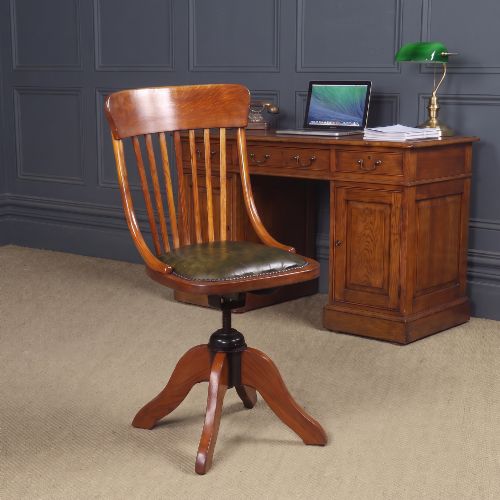
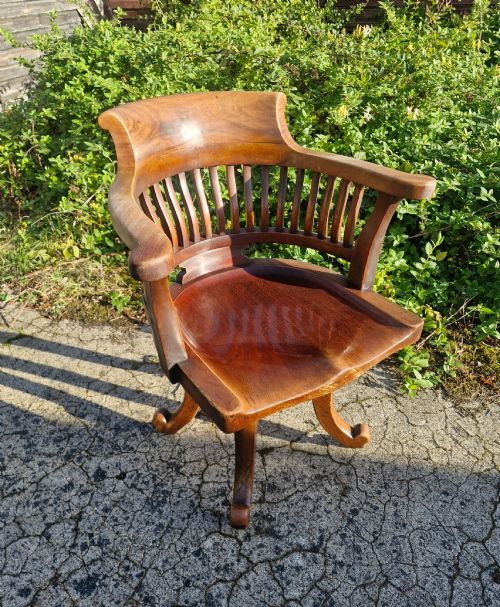
- An office chair mounted on a central swivel mechanism, often fitted with a leather-upholstered seat and brass castors. These items combine utilitarian function with domestic cabinetmaking.
- Rush seat
- A seating surface woven from dried marsh rushes, frequently found on Arts and Crafts chairs. This technique provides a resilient and textured alternative to solid wood or upholstered pads.
Edwardian Seating: Frequently Asked Questions
What defines edwardian seating?
Edwardian seating includes chairs, benches, sofas, and stools produced around the start of the twentieth century. These pieces combine practical domestic utility with revival styles ranging from Sheraton to Arts and Crafts.
Makers utilised sturdy hardwoods like mahogany, oak, and walnut, frequently incorporating leather, fabric, or cane upholstery. The designs reflect the comfortable and eclectic interior tastes of the era.
How do I identify a desk chair?
Desk chairs from this era are typically constructed from oak or mahogany and feature a revolving swivel mechanism. Many examples include leather-upholstered seats and brass castors for ease of movement.
These pieces were engineered for office and library use, offering adjustable comfort combined with traditional cabinetmaking techniques.
What materials were used?
Makers relied heavily on solid hardwoods such as mahogany, oak, walnut, and beech for the primary frames. Decorative elements often included brass castors, inlay work, and painted surfaces.
Upholstery materials varied from woven cane and rush to leather, velvet, and patterned fabric, depending on whether the piece was intended for a dining room, office, or parlor.
How do I live with these chairs?
These items integrate smoothly into contemporary rooms when paired with complementary antique or modern tables. Their durable hardwood construction ensures they remain suitable for daily dining or office use.
Routine maintenance involves gentle cleaning of the wood frames and careful upkeep of leather or fabric surfaces to preserve their original condition.