




Edwardian Ruby Band
An edwardian ruby band brings together rich red gems and gold, offering a classic finger adornment shaped by early twentieth-century hands.
Edwardian Ruby Band
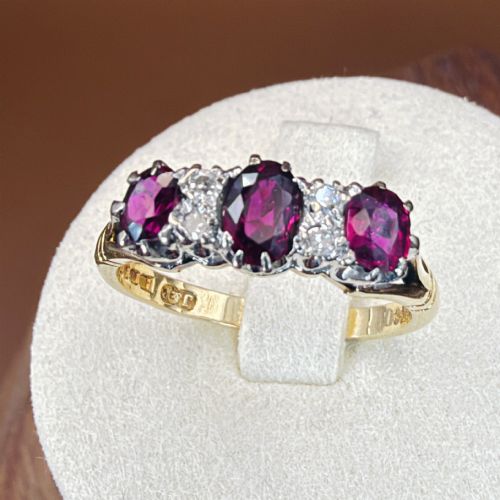
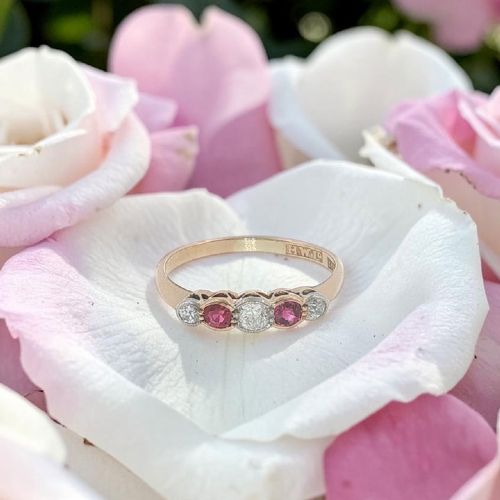
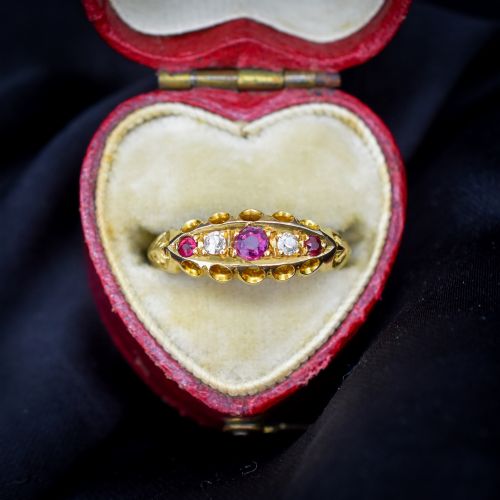
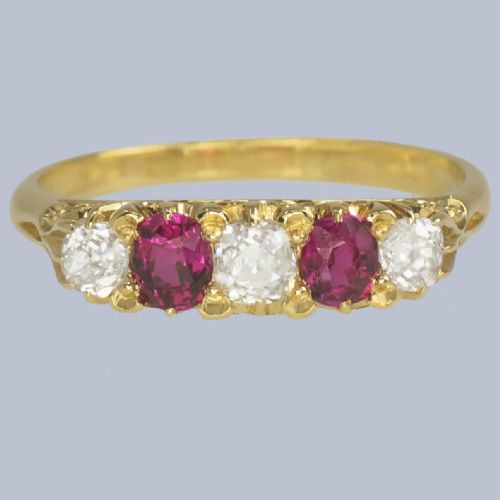
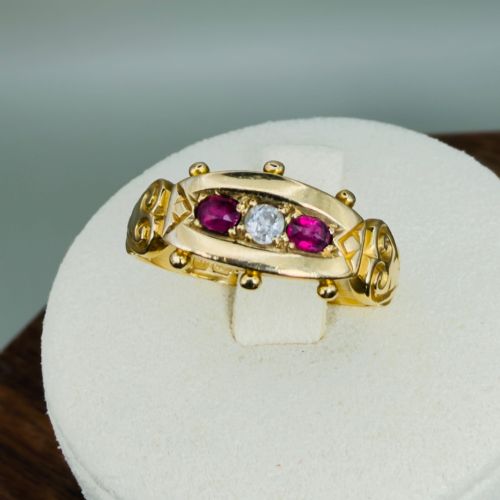
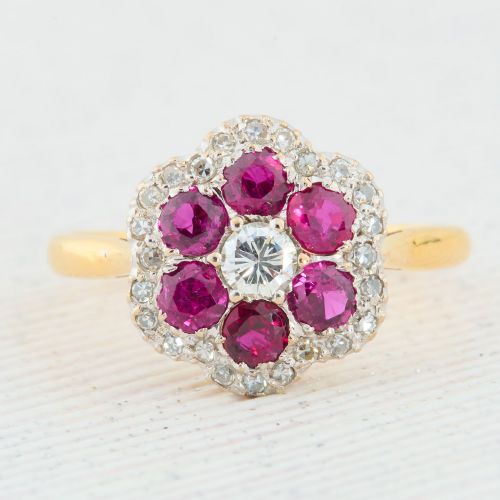
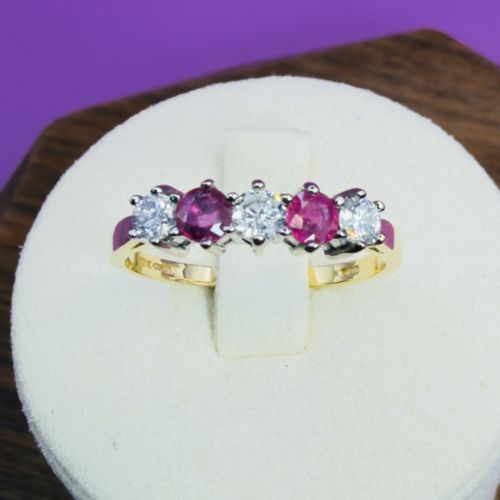
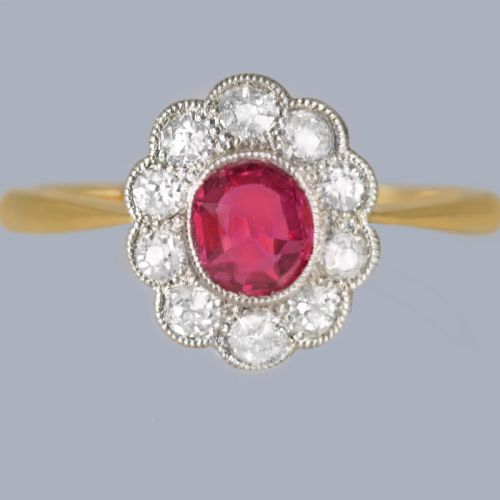
The evidence shows periods stretching from Victorian times through Edwardian years into mid-century decades, yet the core aesthetic remains tied to gold bands set with rubies. These pieces take forms such as trilogy rings, boat shapes, and cluster designs produced in British assay offices.
Materials and construction
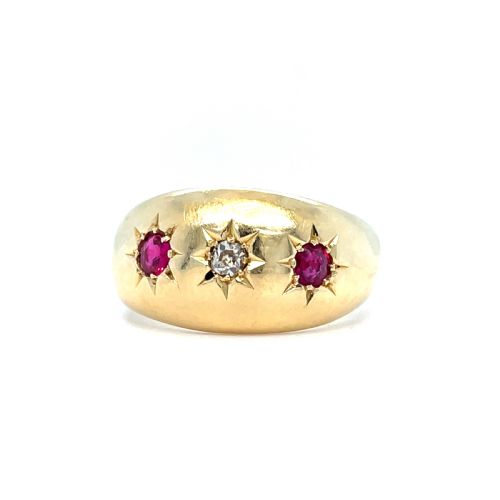
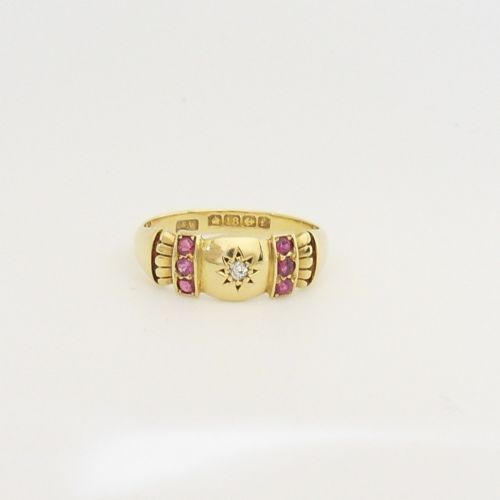
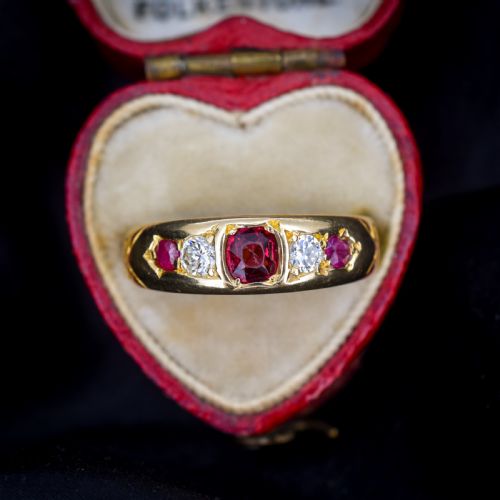
Jewellers shaped these pieces predominantly from eighteen-carat gold, occasionally utilising fifteen-carat gold or platinum alongside yellow and rose hues. Stones were hand-set into the metal using gypsy, starburst, or claw techniques suited to the period.
Diamonds accompanying the rubies typically display old-cut or old-mine facets, reflecting the hand-cutting methods of the era. Hallmarks stamped into the gold bands often record assay office locations like Chester and Birmingham alongside specific dating letters.
Several rings manage to squeeze ruby, diamond, emerald, and pearl all onto one tiny Edwardian finger.
Distinctions in quality
The calibre of an edwardian ruby band depends heavily on the saturation and matching of the central red stones paired with the clarity of the surrounding diamonds. Superior examples display secure, precise setting work where the metalwork enhances the stones rather than overpowering them.
Provenance and legibility of hallmarks also elevate a piece, as clear stamps from Birmingham or Chester confirm precise dating and metallic purity. The integrity of the original band shank and minimal wear to the gemstone facets further separate finer examples from heavily worn pieces.
The Edwardian Ruby Band Glossary
- Gypsy ring
- A style where stones are flush-set directly into a heavy gold band with tapered shoulders. This technique created a smooth profile popular for daily use.
- Trilogy ring
- A mounting featuring three principal stones, often a central ruby flanked by diamonds. It represents past, present, and future.
- Navette
- A boat-shaped ring setting that stretches lengthwise along the finger. The elongated outline makes the hand appear slender.
- Old-cut diamond
- A hand-faceted diamond typical of nineteenth and early twentieth-century jewellery. It exhibits smaller tables and open culets compared to modern stones.
- Hallmark
- A series of official marks stamped into precious metals indicating purity, maker, and assay office. These stamps provide verifiable clues to age and origin.
Edwardian Ruby Band: Frequently Asked Questions
How do I care for an antique ruby ring?
Clean the metal and stones gently using warm soapy water and a soft brush, avoiding harsh chemical dips. Store the ring separately in a fabric-lined box to prevent the diamonds from scratching other pieces.
Take the ring off during heavy manual tasks to protect the gold claws and the security of the rubies. Periodic checks by a jeweller will ensure the settings remain tight.
Are these rings suitable for everyday wear?
Many of these pieces were built for daily use, featuring flush gypsy settings or sturdy gold bands that protect the stones. However, delicate pearl additions or fine claws require extra mindfulness.
Assess the thickness of the band shank before committing to daily wear, as thin bands thin down further over decades. A jeweller can easily strengthen the band if needed.
How can I tell an Edwardian ring from a Victorian one?
Edwardian pieces often lean towards lighter, airier platinum and yellow gold settings with delicate floral or geometric motifs. Victorian designs can feel heavier, frequently utilising gypsy mounts and darker gold tones.
Assay office hallmarks and date letters stamped inside the band remain the most definitive tools for establishing the exact manufacturing period.
What does a three stone ruby ring signify?
A three stone configuration, often called a trilogy, traditionally symbolises a couple's past, present, and future. In Edwardian pieces, this layout typically pairs a central ruby with supporting diamonds.
This arrangement allowed makers to showcase varied stone sizes while maintaining a balanced profile across the finger.