

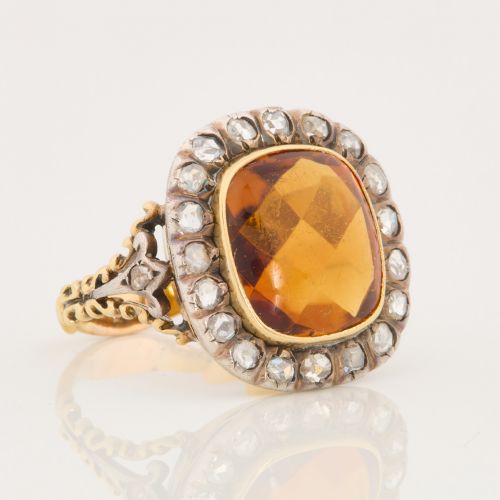
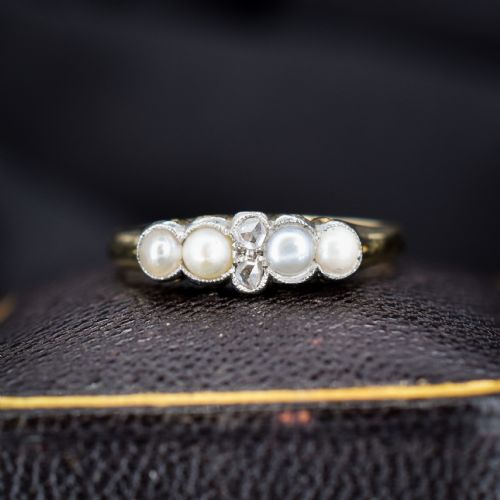


Edwardian Rose Cut Ring
An edwardian rose cut ring pairs flat-bottomed, domed diamonds with delicate gold and platinum bands to capture early twentieth-century elegance.
Edwardian Rose Cut Ring
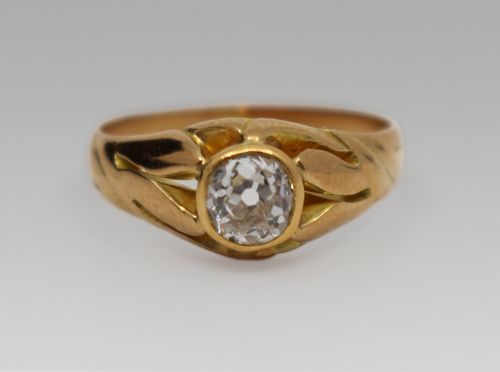
An edwardian rose cut ring centres on stones featuring triangular facets arranged in a symmetrical dome above a flat base. These pieces span the Edwardian era, Victorian period, and Art Deco styles, originating primarily from British and French workshops.
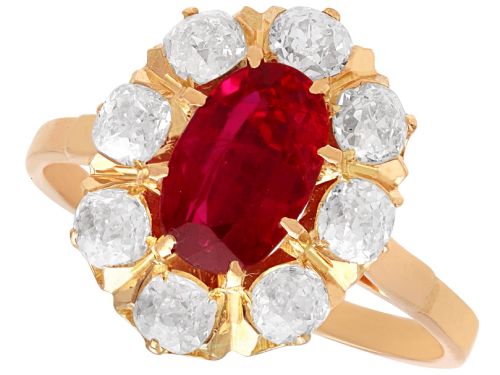
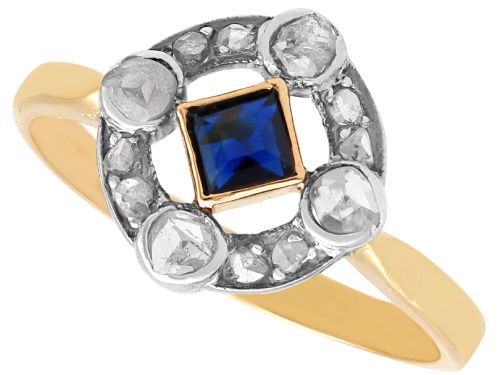
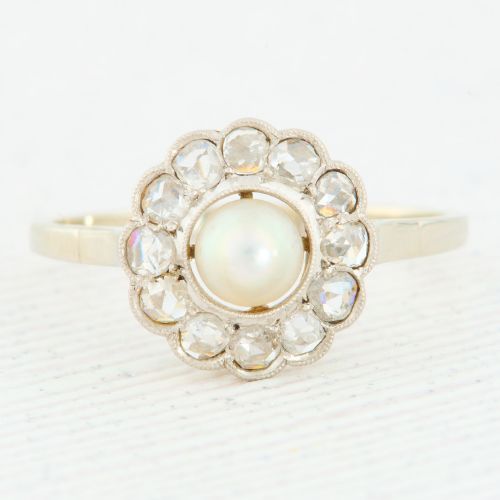
Cluster formations, solitaire settings, marquise shapes, and serpent motifs dominate the designs found in this selection. Buyers will frequently encounter sapphire, ruby, pearl, and diamond combinations mounted in yellow gold, white gold, or platinum.
While rings form the core of the available selection, the archive reveals parallel output in drop earrings utilising identical stones and metal combinations. The aesthetic relies on light reflection from the shallower diamond facets rather than deep pavilion brilliance.
Materials and Construction
Goldsmiths utilised 18ct yellow gold, rose gold, 9ct gold, and emerging platinum settings to secure the rose cut diamonds. Platinum gained favour during the Edwardian period for its strength, allowing intricate pierced galleries and millegrain edges without adding heavy metal mass.
Natural gemstones including unheated sapphires, rubies, pearls, and emeralds accompanied the diamonds in cluster and navette arrangements. Hallmarks from London and Chester frequently stamp British manufacture alongside French import marks.
Edwardian Rose Cut Ring Retail Price Guide 2026
Typical asking prices for edwardian rose cut ring among the pieces listed under this phrase on Sellingantiques today, from the lower quarter to the upper quarter. They describe what is for sale here now, not the wider market.
Serpent rings feature rose-cut diamond eyes that stare out from coiled gold bodies as symbols of eternal love.
Evaluating the Pieces
The precision of the stone cutting and the symmetry of the facet domes dictate visual return from the diamond surface. Hand-beaded millegrain work around the bezel edges demonstrates the fidelity of period craftsmanship.
The integration of platinum with gold reveals structural ambition, where thinner wirework and secure claw settings hold complex cluster configurations. Preserved hallmarks and original box enclosures add documentation to surviving examples.
The Edwardian Rose Cut Ring Glossary
- Rose cut
- A historic diamond cut featuring a flat base and a domed crown covered in triangular facets. This technique creates a soft, translucent glow rather than modern brilliant fire.
- Millegrain
- A decorative technique featuring a row of tiny, raised metal beads along the edges of a setting. Goldsmiths applied this texture to soften metal lines and frame the stones.
- Cluster ring
- A ring design where a central gemstone is surrounded by a border of smaller stones. This configuration maximises visual presence using mixed gem varieties.
- Navette
- A boat-shaped gemstone setting that tapers to points at both ends. This elongated silhouette sits horizontally across the finger.
- Toi et moi
- A ring style featuring two main gemstones resting side by side as a symbol of two souls entwined. French workshops frequently paired diamonds with coloured stones in this layout.
Edwardian Rose Cut Ring: Frequently Asked Questions
What is an edwardian rose cut ring?
An edwardian rose cut ring is a piece of jewellery featuring a diamond with a flat bottom and faceted dome, mounted in gold or platinum during the early twentieth century.
These rings often incorporate pearls, sapphires, or rubies in cluster, marquise, or solitaire arrangements reflecting the prevailing decorative styles of the era.
How do I wear these rings daily?
Living with antique jewellery requires mindful wear due to delicate settings and historic metal thicknesses. Removing rings during manual tasks protects the fine claw work and millegrain edges.
Storing pieces in dedicated compartments prevents friction against other items in a collection. Professional cleaning maintains the security of the stones within their original mounts.
How do I identify Edwardian periods?
Edwardian jewellery is recognised through lightweight platinum and gold openwork frames, floral motifs, and natural pearls. Maker marks, sponsor stamps, and official assay office hallmarks assist in dating individual items.
Stylistic overlaps with late Victorian and early Art Deco pieces appear across many examples, identifiable through specific gemstone pairings and geometric layouts.
What metals are used?
Goldsmiths constructed these rings primarily using 18ct yellow gold, rose gold, 9ct gold, and platinum. Platinum emerged strongly during this period for its capacity to support fine gemstone settings.
Combinations of yellow gold bands with white platinum top settings frequently appear to enhance the contrast against the diamonds.