



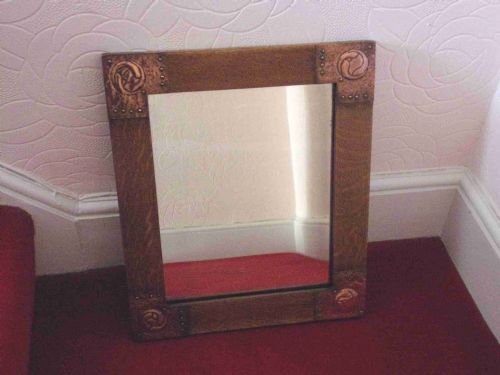


Edwardian Repousse Wall Mirror
An edwardian repousse wall mirror brings tactile metalwork and reflective depth to a room, offering both function and decorative character.
Edwardian Repousse Wall Mirror
When you search for an edwardian repousse wall mirror, you find pieces designed to hang on interior walls, often constructed with prominent metal frames surrounding a central glass plate. These objects combine utilitarian reflection with the distinct aesthetic movements of the early twentieth century.
The versions you are most likely to meet on this page hail from the Edwardian period and adjacent decades around nineteen hundred. They frequently incorporate styles such as Arts and Crafts, Glasgow Style, and Dutch Revival, reflecting a broad interest in decorative metalwork.
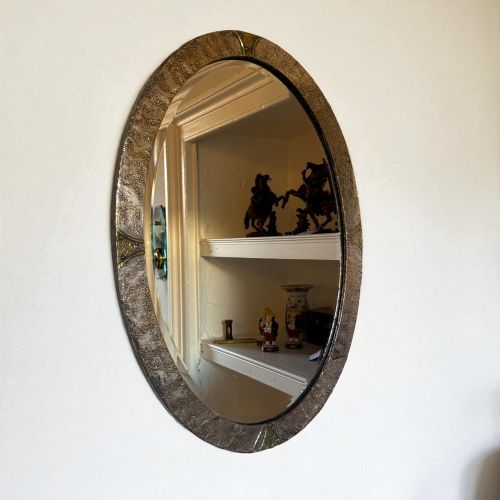
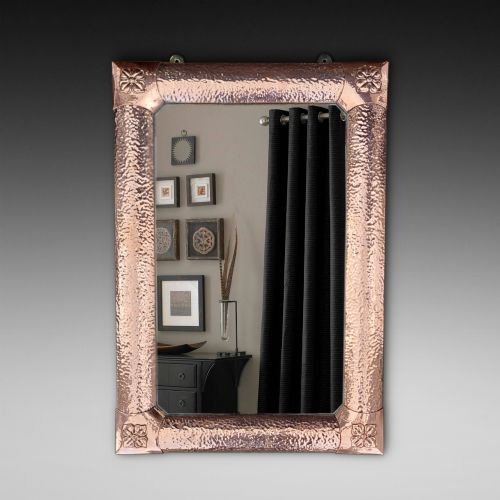
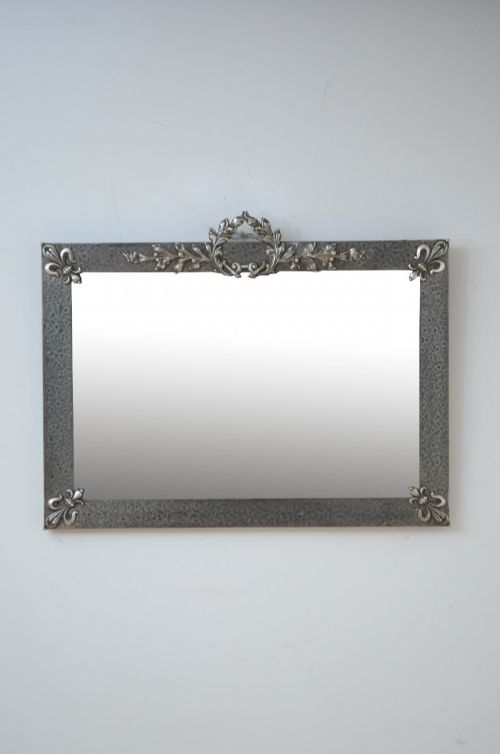
Forms include rectangular and oval wall mirrors, alongside specialised variations like wall sconces and hallway valet mirrors. Oak and other woods frequently provide a structural backing or framing element to support the heavy metal front mounts.
Materials and Construction Techniques
Makers utilised metals like copper, brass, and pewter to create the decorative frames. Artisans shaped these materials using hand hammering, beating, and repoussé techniques to raise designs from the reverse side.
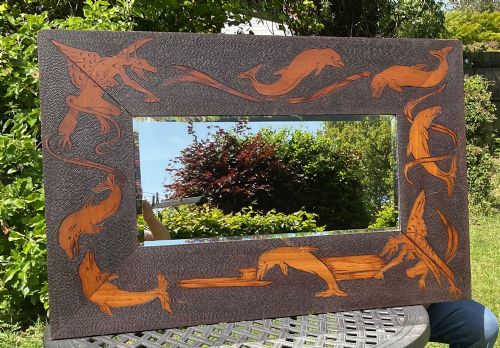
Mirror glass sits within or behind these metal mounts, occasionally accompanied by wooden elements such as oak. Some frames feature applied hand embossing or detailed stylistic motifs like trees, dragons, and Celtic knots.
Edwardian Repousse Wall Mirror Retail Price Guide 2026
Typical asking prices for edwardian repousse wall mirror among the pieces listed under this phrase on Sellingantiques today, from the lower quarter to the upper quarter. They describe what is for sale here now, not the wider market.
Listings feature copper and brass prominently among the metal frames, frequently paired with oak backings and glass plates.
Judging Quality in Metal Framed Mirrors
The definition and depth of the repoussé work distinguish superior examples from simpler productions. Crisp hand hammering and intricate chased details reveal the skill of the original metalworker.
The choice of materials and the integrity of the frame construction also mark differences in quality. Solid copper or brass frames mounted securely to sturdy wood backs represent the more accomplished end of the range.
Liberty and Company
The Edwardian Repousse Wall Mirror Glossary
- Repoussé
- A metalworking technique where an artisan hammers a design from the reverse side to form a raised relief on the front. This method creates tactile, three-dimensional surface patterns.
- Arts and Crafts
- A design movement valuing traditional craftsmanship and simple forms over mass production. Pieces from this movement often display visible hand-working marks on metal and wood.
- Glasgow Style
- A distinct regional variant of the Arts and Crafts movement known for stylized motifs and linear designs. Mirrors from this tradition frequently incorporate symbolic figures like peacocks.
- Girandole
- A decorative wall-mounted mirror that includes candle sconces attached to the frame. The polished metal and glass help to reflect and amplify candlelight.
- Valet Mirror
- A practical hallway mirror that typically integrates hooks or small ledges for everyday use. These items served functional entryways in Edwardian homes.
Edwardian Repousse Wall Mirror: Frequently Asked Questions
How do I hang a heavy metal mirror safely?
These pieces often carry significant weight due to the combination of thick metal frames, mirror glass, and wooden backs. Ensure you use appropriate wall anchors and fixings rated for heavy loads.
Check that the hanging wire or brackets attached to the back of the mirror remain secure before mounting it on the wall.
What is the difference between beaten and cast frames?
Beaten metal frames show the direct marks of a craftsman's hammer shaping the copper or brass by hand. This process creates subtle variations and a tactile surface texture.
Cast frames are poured into moulds, resulting in a more uniform appearance without the individual artisan signatures found in repoussé work.
How should I clean an antique copper frame?
Dust the metal gently with a soft, dry cloth to remove surface particles. Avoid harsh chemical cleaners that can strip away the natural patina accumulated over the decades.
Preserving the aged surface maintains the historical character and visual depth of the metalwork.
Are these mirrors suitable for bathrooms?
High moisture environments can accelerate tarnishing on exposed copper and brass, and may cause degradation to the wooden backing materials. Placing them in dry reception rooms or hallways helps preserve their condition.
If positioned near a source of humidity, ensure adequate ventilation in the room.