


Edwardian Red Glass
Edwardian red glass brings rich crimson tones and decorative sparkle to domestic interiors through tablewares, scent bottles and display items.
Edwardian Red Glass
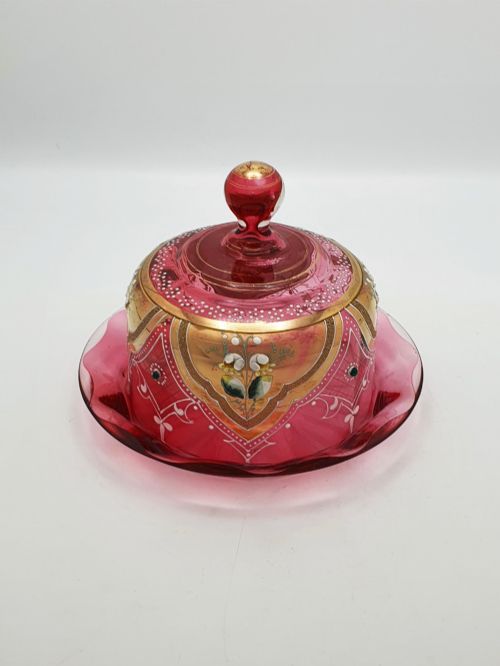
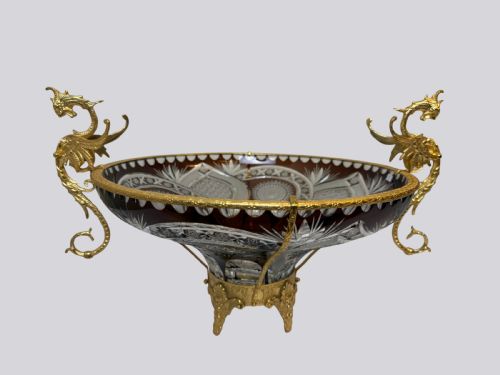
When you search for edwardian red glass, you encounter vessels and decorative objects produced around the start of the twentieth century. These pieces encompass tableware, scent bottles and display items that utilise deep red tones.
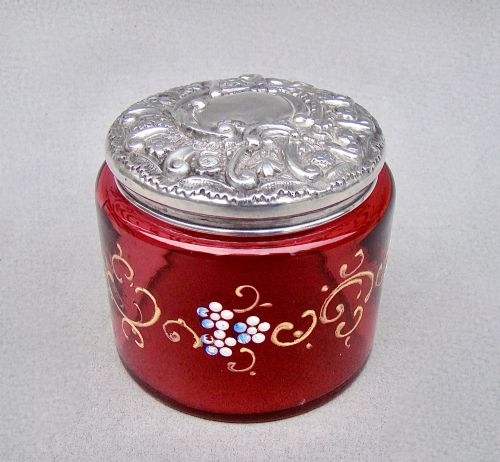
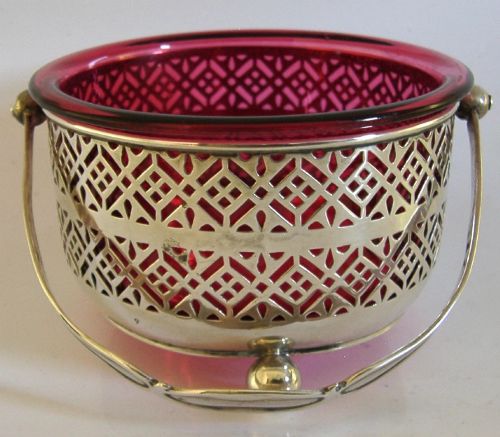
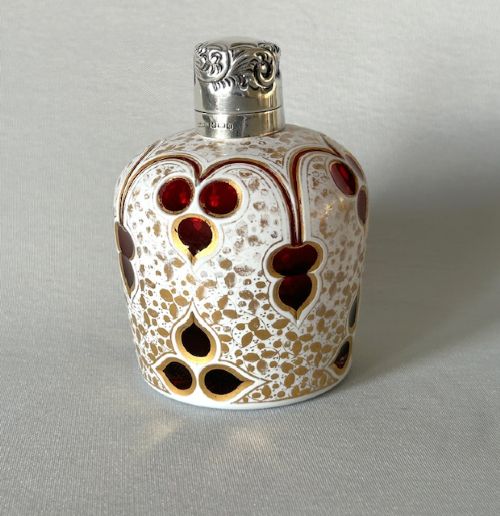
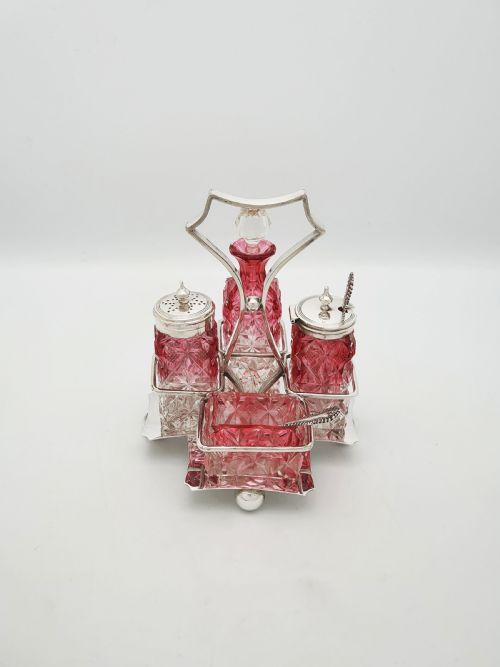
The objects on this page span tablewares and small accessories such as cruet sets, scent bottles and decanters. Many items combine the vibrant red glass with mounts of sterling silver, silver plate or brass.
Materials and technique
Makers achieved the distinct red colouration by introducing gold or copper compounds into the molten glass batch. Artisans then shaped these vessels through blowing and cutting techniques.
Metal mounts in sterling silver and silver plate frequently accompany the glass bodies, fixed securely around necks, rims and handles.
Edwardian Red Glass Retail Price Guide 2026
Typical asking prices for edwardian red glass among the pieces listed under this phrase on Sellingantiques today, from the lower quarter to the upper quarter. They describe what is for sale here now, not the wider market.
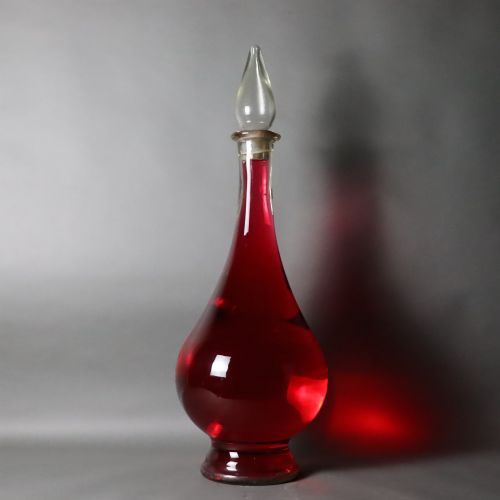
An apothecary carboy stands ready to dispense mysterious red mixtures across the decades.
The standard of execution
Quality rests upon the depth of the red hue and the crispness of any cut facets across the surface. Heavier glass bodies and well-proportioned metal mounts indicate superior workmanship.
The integrity of silver components and the precision of fitted stoppers or lids further distinguish finer examples from standard production pieces.
Baccarat·Globe Wernicke·Galle
The Edwardian Red Glass Glossary
- Cranberry glass
- A transparent red glass produced by adding gold chloride to the molten mixture. The resulting shade ranges from pale pink to deep crimson.
- Ruby glass
- A deep red glass often used interchangeably with cranberry glass, though typically describing a darker, less translucent tone. It appears frequently in nineteenth and early twentieth-century decanter liners and scent bottles.
- Decanter
- A vessel designed to hold and serve wine or spirits, usually fitted with a ground glass stopper. Edwardian versions in red glass often feature cut patterns or silver collars.
- Cruet set
- A matched collection of small glass containers for condiments, held within a metal frame. Examples in this category pair red glass inserts with silver-plated stands.
Edwardian Red Glass: Frequently Asked Questions
What is edwardian red glass used for?
These items served primarily decorative and functional roles in homes during the early twentieth century. They held liquids, perfumes or preserves on dining tables and dressing surfaces.
Today, collectors use them to introduce rich colour and period character to interior spaces. They remain popular for display in cabinets and on tables.
How do I clean edwardian red glass?
Wash the glass gently in warm water using a mild, non-abrasive detergent. Avoid harsh scrubbing brushes that might scratch the surface or damage attached metal mounts.
Dry the pieces thoroughly with a soft cloth to prevent water spots. Take particular care with items featuring silver or plated components to protect the metal.
Is all red glass from the edwardian period?
Red glass production spans multiple eras, including the Victorian period and the wider nineteenth century. Pieces must be dated by their specific form, mount styles and manufacturing techniques.
Makers continued producing these vibrant items across different decades. Examining associated hallmarks on silver mounts helps confirm the exact era.
Why do some pieces have silver mounts?
Silver mounts added structural reinforcement and decorative elegance to vulnerable glass rims and openings. Makers applied sterling silver or silver plate to enhance the utility and appearance of bottles and jars.
These additions often carry hallmarks that reveal the year and location of manufacture. The combination of glass and silver reflects the high standard of Edwardian craftsmanship.