




Edwardian Pottery
Edwardian pottery brings together domestic utility and artistic expression, offering everything from slip-decorated utilitarian vessels to vibrant cabinet vases.
Edwardian Pottery
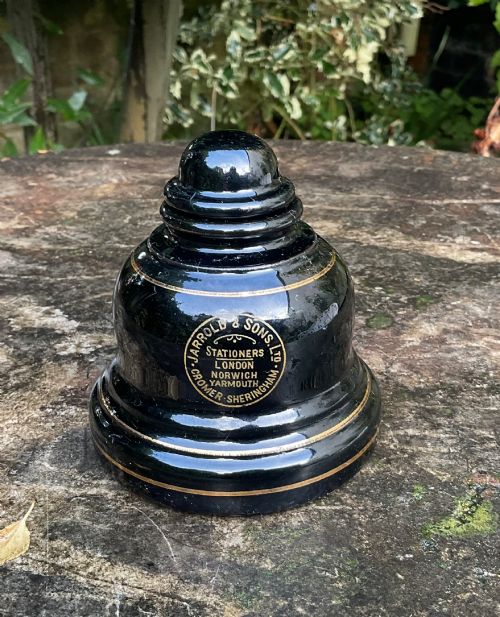
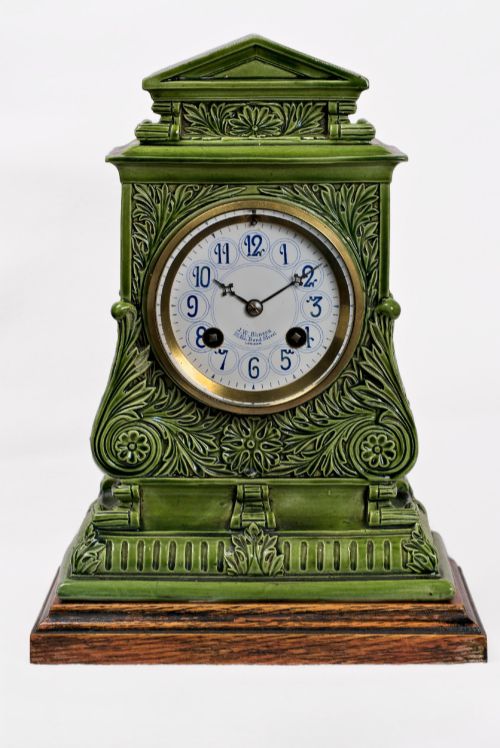
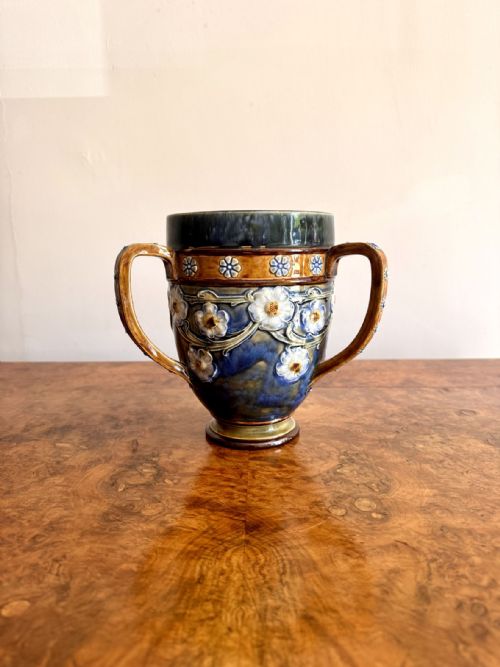
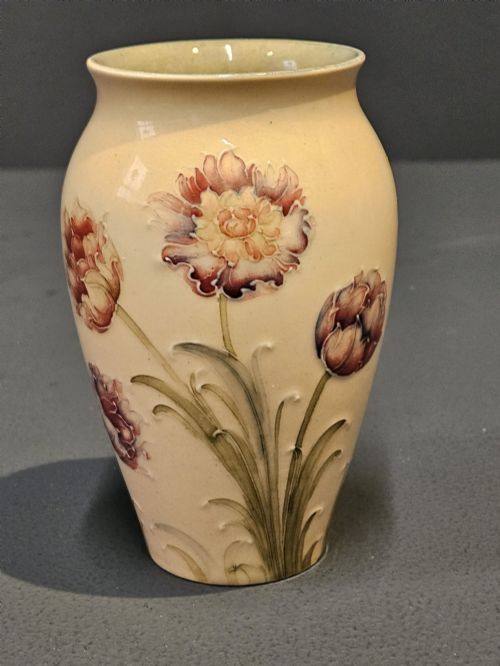
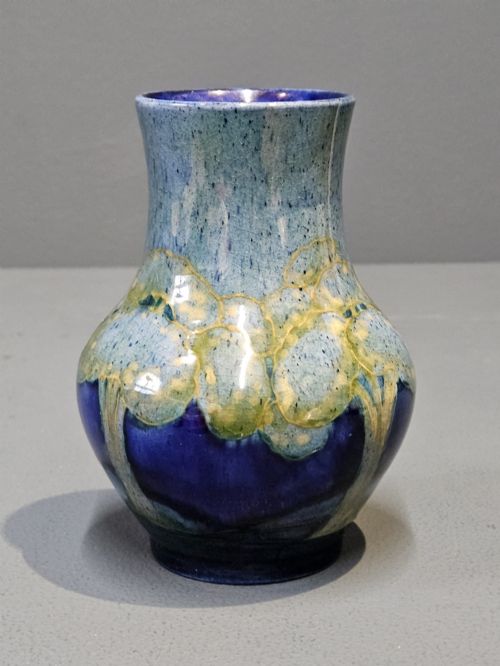
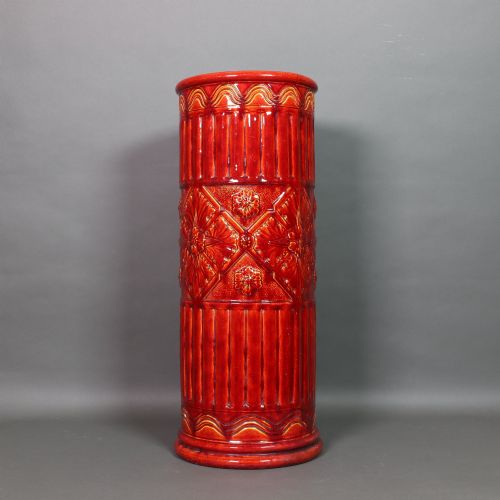
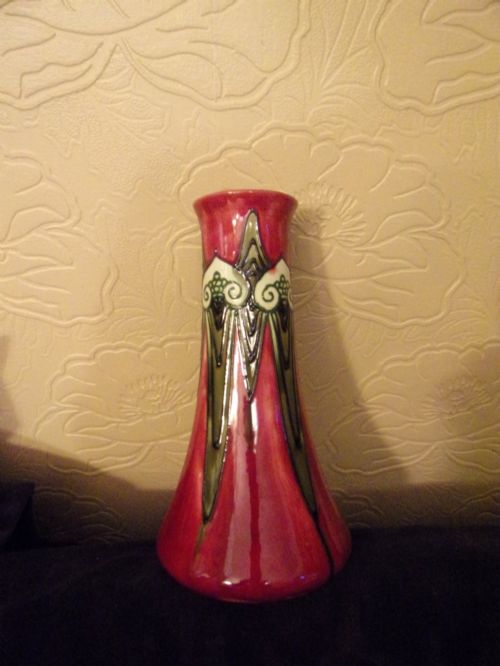
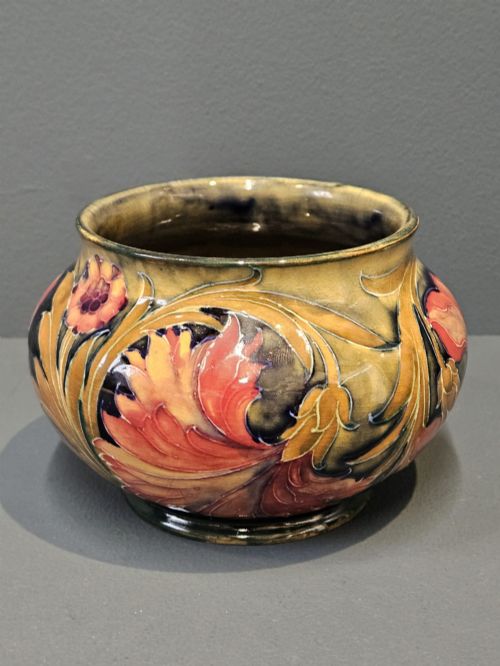
When you search for edwardian pottery, you encounter a diverse selection of ceramic objects ranging from household advertising wares and toilet sets to highly decorative vases and figurines. The most common versions on this page are decorative vases, teapots, and utilitarian items produced around the turn of the twentieth century. These pieces span everyday domestic use and ambitious studio art pottery.
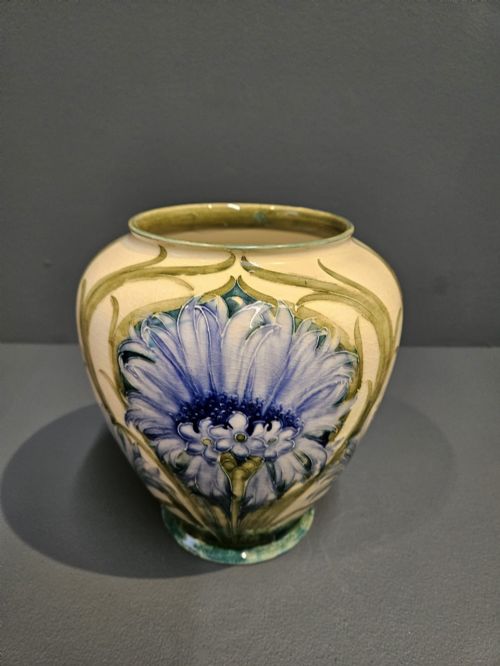
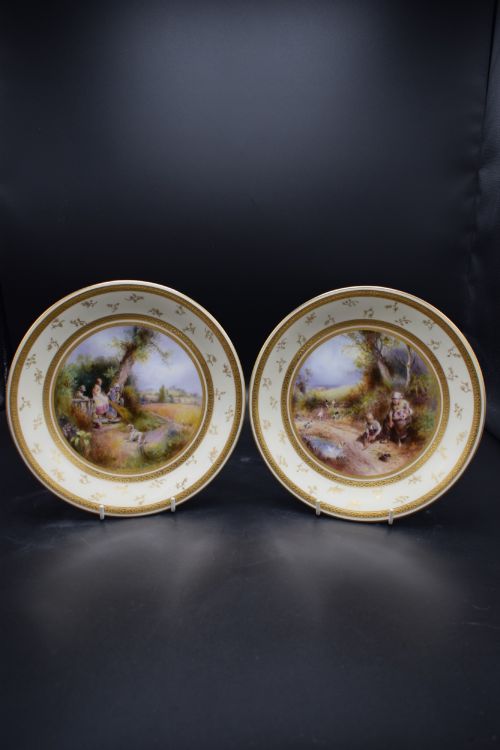
The objects frequently reflect the stylistic transitions occurring between late Victorian design and the arrival of Art Nouveau and Arts and Crafts aesthetics. You will find items produced in earthenware, stoneware, and porcelain, often bearing rich glazes or hand-painted enamel decoration. Many bear the marks of prominent British potteries and factories operating during the period.
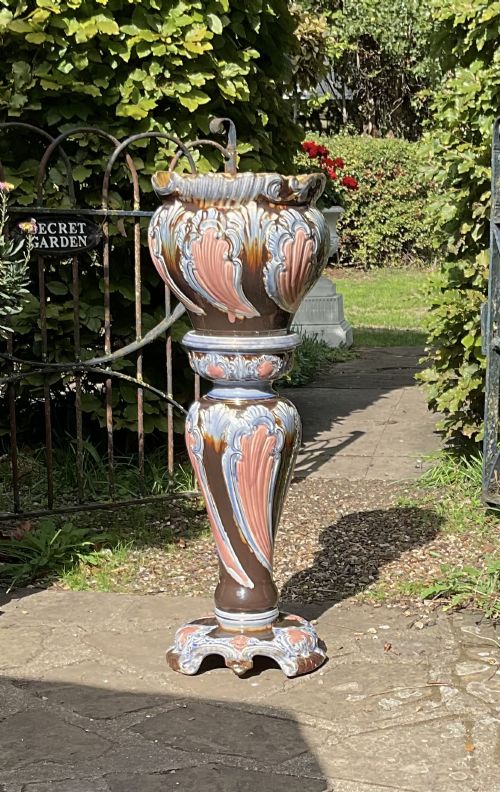
Beyond ornamental vases, the inventory includes utilitarian objects such as grocers slabs, biscuit barrels, jardinières, and wash sets. These functional pieces demonstrate that ceramic production at the time balanced commercial utility with artistic ambition. Collectors meet both mass-produced domestic wares and specialised studio outputs.
How edwardian pottery pieces were made
Potters relied on earthenware, stoneware, and porcelain bodies, shaping them either by hand on the wheel or through commercial moulding techniques. Glazes played a fundamental role in the final appearance, utilising rich colour palettes, lustre finishes, and specialised tube-lined designs to define the surface decoration.
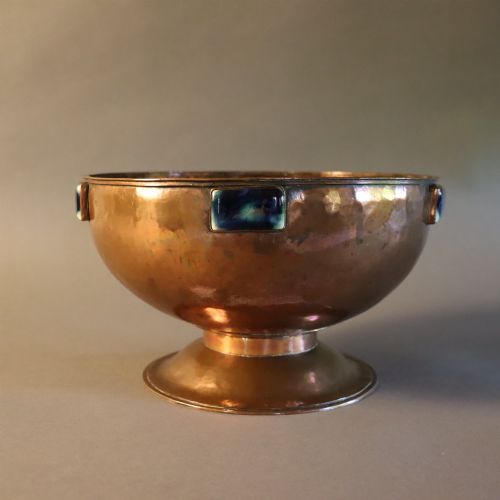
Techniques such as hand enamelling, copper effects, and applied cabochons decorated the structural ceramic forms. Many stoneware pieces underwent salt-glazing or specialised kiln firings that produced distinctive textured surfaces and mottled colour variations.
Edwardian Pottery Retail Price Guide 2026
Typical asking prices for edwardian pottery among the pieces listed under this phrase on Sellingantiques today, from the lower quarter to the upper quarter. They describe what is for sale here now, not the wider market.
Ceramic poodles with their pups sit patiently alongside monumental garden planters and butter tubs.
What varies in quality in edwardian pottery
Quality rests upon the precision of the modelling, the depth and control of the glaze, and the ambition of the surface design. Studio pieces decorated by named artists or produced in limited editions demonstrate superior execution compared to standard commercial output.
The crispness of tube-lined patterns, the richness of lustre applications, and the overall balance of the form separate standard domestic items from exceptional decorative examples.
Royal Doulton·Moorcroft·Minton·Wedgwood·Burmantofts Faience
The Edwardian Pottery Glossary
- Earthenware
- Porous pottery fired at lower temperatures, requiring a glaze to render it waterproof. It forms the body of many utilitarian and decorative vessels.
- Stoneware
- A dense, vitreous ceramic fired at high temperatures until non-porous. It provides a durable ground for salt-glazes and decorative relief work.
- Lustre
- A metallic surface finish that creates an iridescent sheen on the ceramic body. It appears on specialised decorative wares to catch the light.
- Tube-lining
- A decoration technique where liquid clay is squeezed through a nozzle onto the vessel to outline a design before glazing. This creates raised barriers that hold distinct pools of coloured glaze.
- Jardinière
- A large ornamental pot or stand designed to hold a plant or flower arrangement. These pieces often feature prominent Art Nouveau or Arts and Crafts styling.
Edwardian Pottery: Frequently Asked Questions
What is edwardian pottery?
Edwardian pottery encompasses ceramic items produced around the early twentieth century, spanning functional household items and artistic studio pieces.
The category includes items made by major commercial potteries as well as independent studios working in prevailing decorative styles.
What was advertising ware used for?
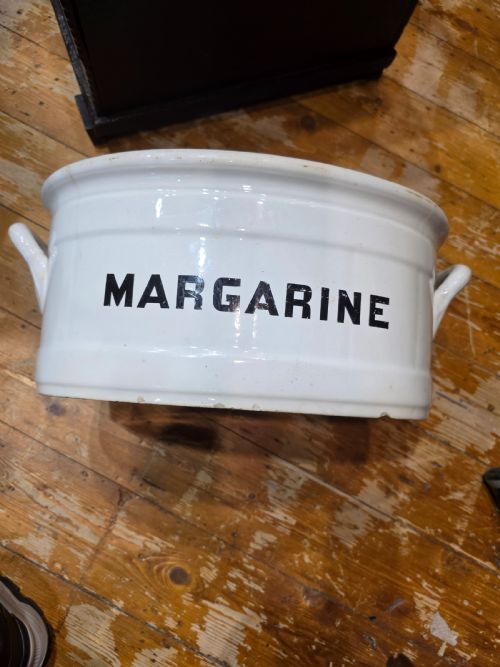
Advertising ware comprised ceramic slabs, tubs, and bowls utilised by grocers and merchants to display and store provisions like butter and margarine.
These durable earthenware and stoneware objects featured bold lettering to promote specific commercial products directly on the shop counter.
How do I care for antique ceramics?
Antique ceramics require gentle handling and should be kept away from direct sunlight and sudden temperature fluctuations. Dust them with a soft, dry cloth rather than using liquid cleaners.
Utilitarian items with historical glazes or enamel work benefit from hand washing with mild soap if cleaning becomes necessary.