



Edwardian Pottery Bowl
An edwardian pottery bowl brings tactile colour and period charm into a room, offering both decorative presence and traditional utility.
Edwardian Pottery Bowl
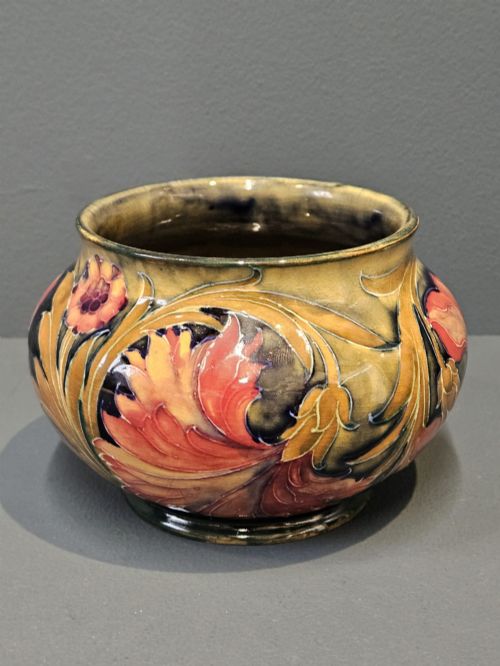
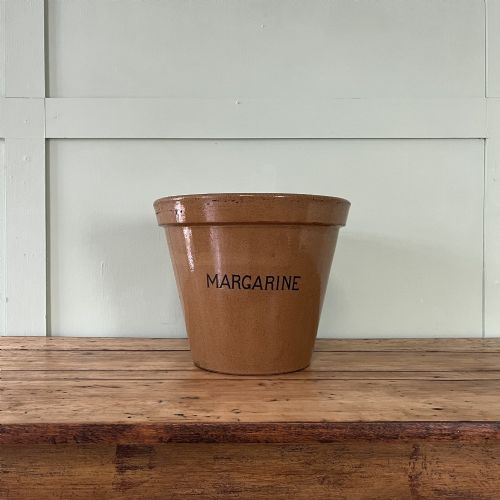
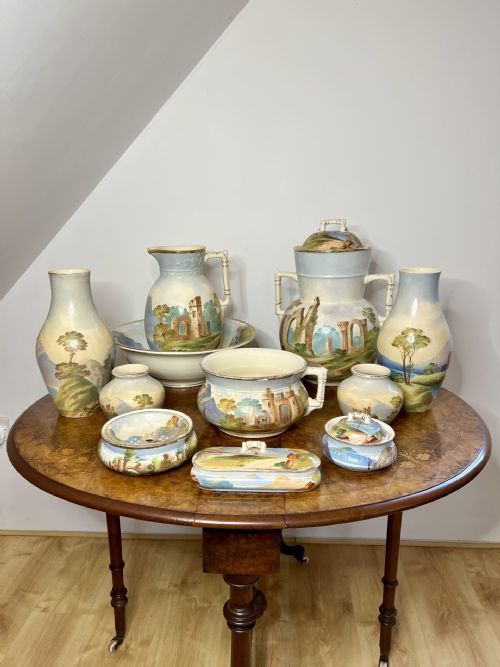
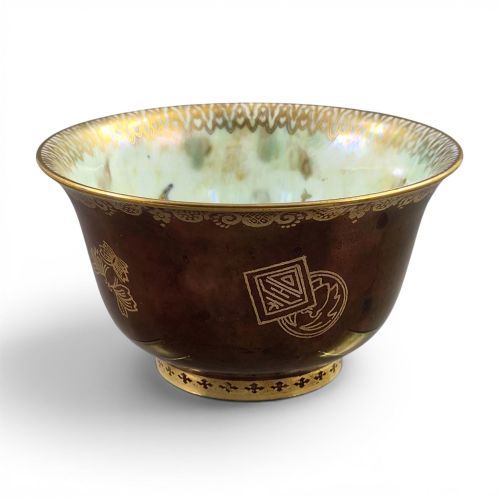
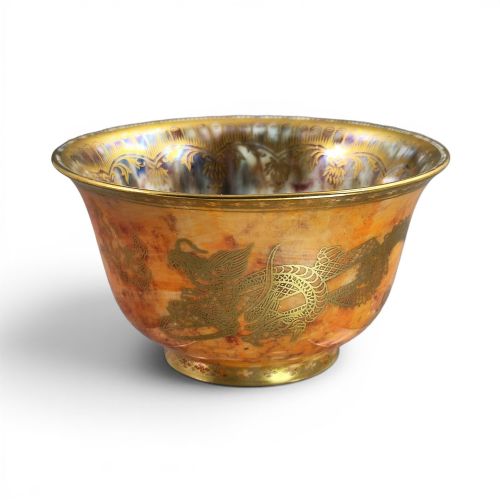
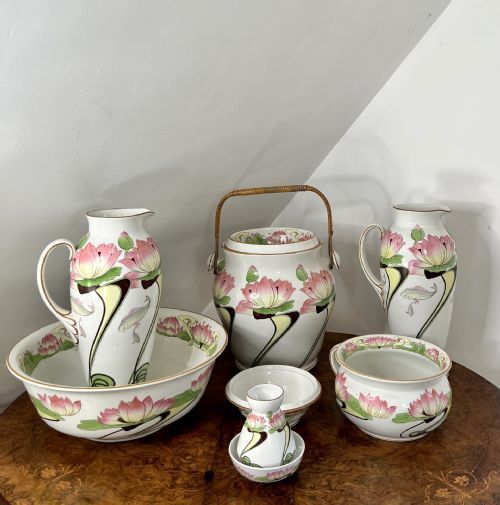
When you search for an edwardian pottery bowl, you encounter domestic vessels and decorative ceramics originating largely from the turn of the twentieth century and adjacent decades. The selections range from utilitarian kitchen and bathroom containers to highly ornate lustreware pieces designed for display.
You are most likely to meet glazed earthenware, bone china, and stoneware items reflecting prevailing stylistic shifts towards Art Nouveau, Arts and Crafts, and Edwardian tastes. Forms vary widely from large creamware mixing bowls to intricate pedestal and lustre bowls.
These items originate from British potteries alongside occasional international imports, capturing a period of notable technical experimentation in ceramic glazes and surface decoration.
Materials and construction methods
The objects listed utilise earthenware, ceramic, porcelain, and bone china bodies, often finished with glossy glazes, enamel pigments, or applied gold leaf and gilding. Stoneware variations provide heavier, robust alternatives suitable for daily kitchen or bathroom use.
Specialised decorative techniques define the more artistic pieces, incorporating lustre finishes, hand-painted motifs, and integrated cabochons such as Ruskin pottery inserts set into copper mounts.
Edwardian Pottery Bowl Retail Price Guide 2026
Typical asking prices for edwardian pottery bowl among the pieces listed under this phrase on Sellingantiques today, from the lower quarter to the upper quarter. They describe what is for sale here now, not the wider market.
The listings on this site span the Edwardian period alongside late Victorian and early Art Deco eras, featuring earthenware, stoneware, and bone china.
Distinctions in quality
Quality rests upon the execution of the glaze, the crispness of any transfer-printed or hand-painted decoration, and the overall ambition of the ceramic form. Master-designed lustreware and pieces featuring complex pictorial scenes demand significantly greater technical skill than standard utilitarian kitchenware.
The integrity of the body, the evenness of the glaze application, and the presence of notable signatures or factory marks separate standard production items from exceptional studio and factory creations.
Wedgwood·Doulton Lambeth·Booths·Kinkozan·Moorcroft Macintyre and Co·Royal Doulton·Gladstone Potteries·Shelley
The Edwardian Pottery Bowl Glossary
- Lustreware
- Pottery decorated with a metallic glaze that produces an iridescent sheen. This technique creates shifting colour effects across the surface of the bowl.
- Creamware
- A type of refined earthenware developed in the eighteenth century with a pale yellowish-cream glaze. It remained popular for domestic kitchen and table bowls into the Edwardian era.
- Earthenware
- Porous pottery fired at lower temperatures than stoneware or porcelain. It requires a vitreous glaze to ensure impermeability for holding liquids.
- Stoneware
- A dense, hard pottery fired at high temperatures until semi-vitrified. This material is naturally waterproof and highly durable.
- Bone china
- A type of porcelain containing animal bone ash that produces a strong, milky-white body. It allows for thinner, more delicate tableware and decorative bowls.
Edwardian Pottery Bowl: Frequently Asked Questions
Can I use these bowls for food?
Utilitarian creamware and stoneware bowls were originally designed for food storage or kitchen preparation. However, older glazes can contain trace elements that make modern culinary use inadvisable.
Decorative lustre and display pieces should be reserved entirely for visual appreciation. It is safest to treat them as ornamental objects rather than tableware.
How do I identify an Edwardian piece?
Look for factory stamps, registry numbers, or specific artist signatures on the base of the ceramic. Stylistic markers such as flowing Art Nouveau lines or typical Edwardian floral motifs also help date the object.
Comparing the glaze type and weight against known production periods provides further confirmation. Reference guides for specific potteries remain useful for exact dating.
Where should I display my bowl?
Place decorative lustre or pedestal bowls in well-lit areas where light can catch the iridescent glazes. Ensure they sit on stable, level surfaces away from busy edges where they might be knocked.
Keep them out of direct, prolonged sunlight to prevent any fading of hand-painted enamels. Open shelving or glass cabinets offer secure and attractive settings.