




Edwardian Portrait Study
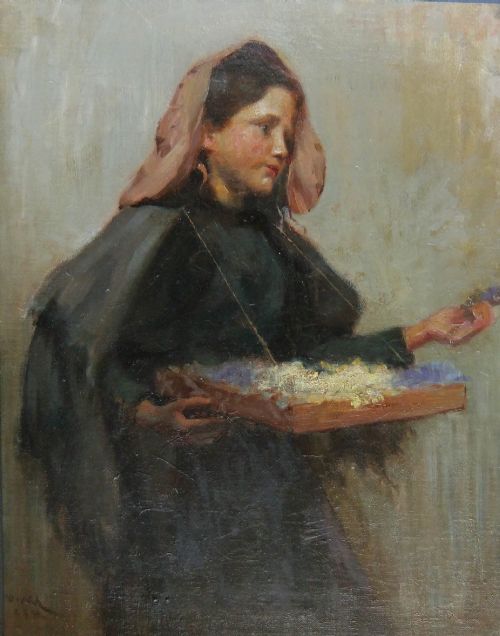
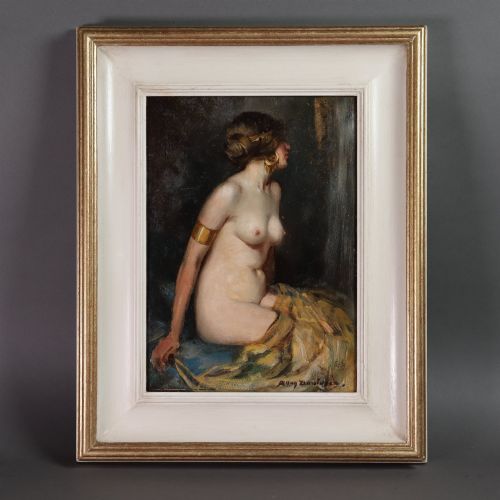
An Edwardian portrait study captures the likeness and character of a sitter through the direct hand of an artist working around the turn of the twentieth century.
Edwardian Portrait Study
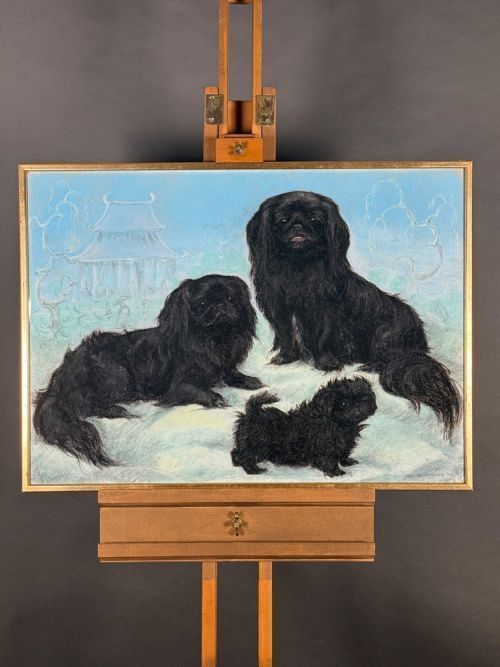
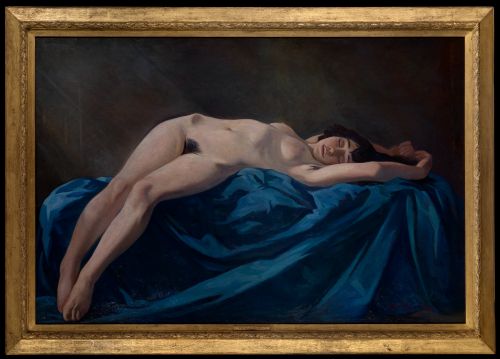
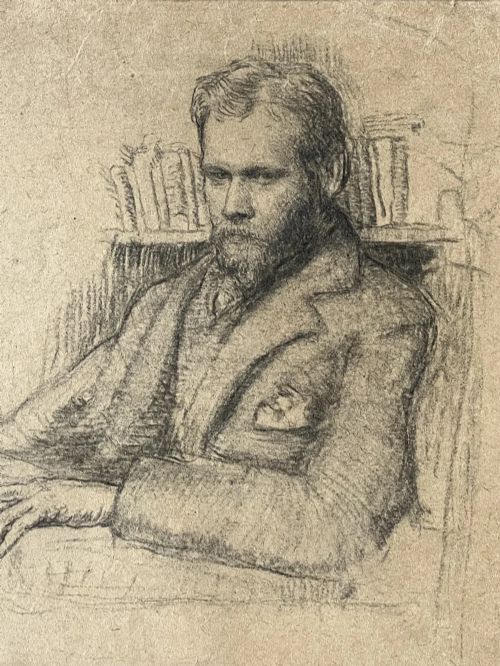
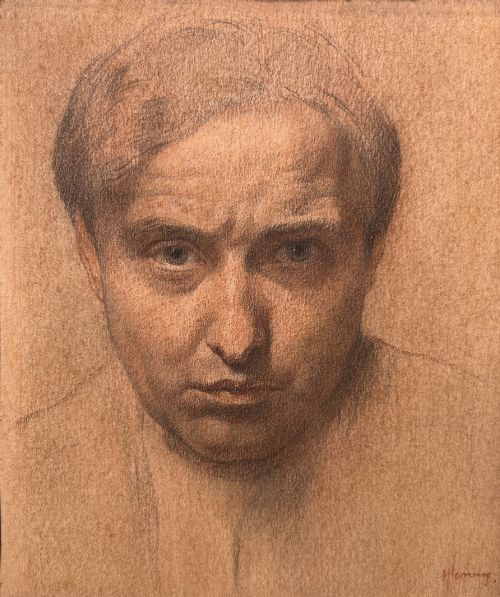
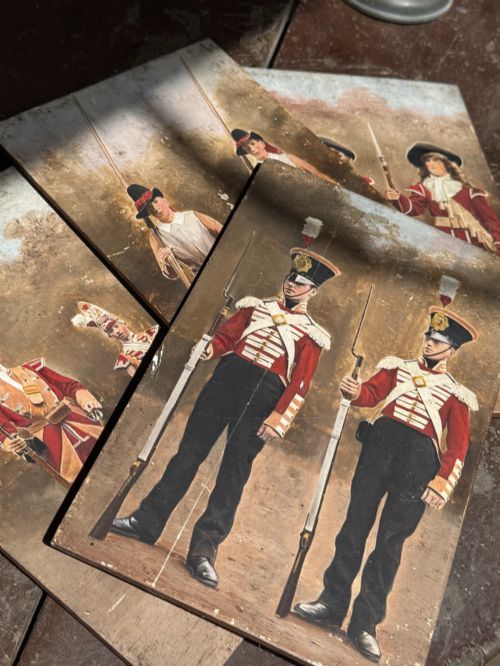
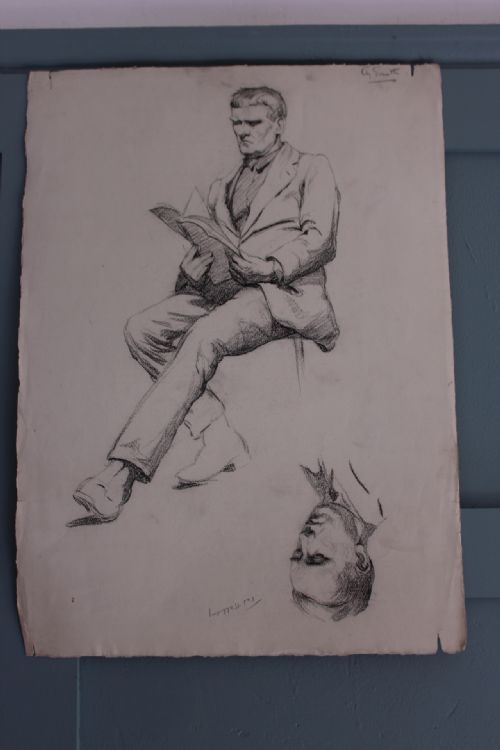
An edwardian portrait study takes the form of an oil painting, watercolour, pencil sketch, charcoal drawing or pastel work on paper and canvas. These pieces record human subjects, from named historical figures and artists to anonymous sitters, alongside occasional animal studies.
The works originate primarily from the Edwardian period and the broader early twentieth century, with surrounding examples stretching from the late nineteenth century into the mid-twentieth century. Buyers encounter academic realists, impressionists and modern British artists working in framed wall art formats.
What varies in quality
Quality rests upon the sureness of the line and the psychological depth achieved in capturing the sitter, distinguishing a swift, confident academic study from a stiff or laboured rendering. The mastery over proportion, tone and the handling of the chosen medium determines the visual power of the piece.
The preservation of the paper, canvas or panel surface and the integrity of the original medium without excessive intervention separate standard decorative examples from superior works of fine art.
Listings span works executed in oil on canvas, watercolour, pastel, charcoal, and graphite across the Edwardian and early twentieth-century periods.
Eric Robertson·Augustus John·Herbert Johnson Harvey·William Watt Milne·Allan Douglas Davidson·Raoul Millais·Susie Lassam·James Clark·Frank Moss Bennett·Winifred Eugene Ballard·Reginald G. Eves·Montagu Barstow·William Woodhouse·Charlotte Blakeney Ward·Lucy Kemp-Welch·John Seymour Lucas·Ernest Borough Johnson·Leo Klin·Francis Dodd·Cecil CP Lawson
The Edwardian Portrait Study Glossary
- Study
- A preparatory or experimental work executed to capture a subject, pose or detail before producing a larger finished painting.
- Graphite
- A form of carbon used in pencils to create detailed monochrome drawings with a wide range of tonal values.
- Pastel
- A dry painting medium consisting of powdered pigment and a binder, producing rich colour and velvety textures on paper.
- Gouache
- An opaque water-based paint that provides solid, flat areas of colour alongside watercolour washes.
- Panel
- A flat wooden board or prepared surface used as a rigid support for oil or tempera paintings.
Edwardian Portrait Study: Frequently Asked Questions
What is an edwardian portrait study?
An edwardian portrait study is an original artwork depicting a person or animal, created as an observational drawing, sketch or finished painting during the early twentieth century.
These pieces offer a direct glimpse into the appearance and character of sitters from the period through the personal technique of the artist.
How do you display portrait art?
These framed works suit hanging on living room walls, studies or hallways where proper lighting can highlight the detail of the medium.
Care should be taken to keep works on paper and pastel away from direct sunlight to prevent fading of the pigments.
How do I date a portrait study?
Dating relies on signatures, artist biographical dates, inscriptions on the reverse, and stylistic markers typical of the Edwardian era and early twentieth century.
Clothing, hairstyles and framing methods also provide reliable clues to the period in which the work was produced.
What is the difference between a sketch and a finished painting?
A sketch or study is typically faster and more experimental, focusing on capturing a specific pose, expression or lighting effect without formal polish.
Finished paintings involve a more complex application of paint and composition intended for formal exhibition or commission.