


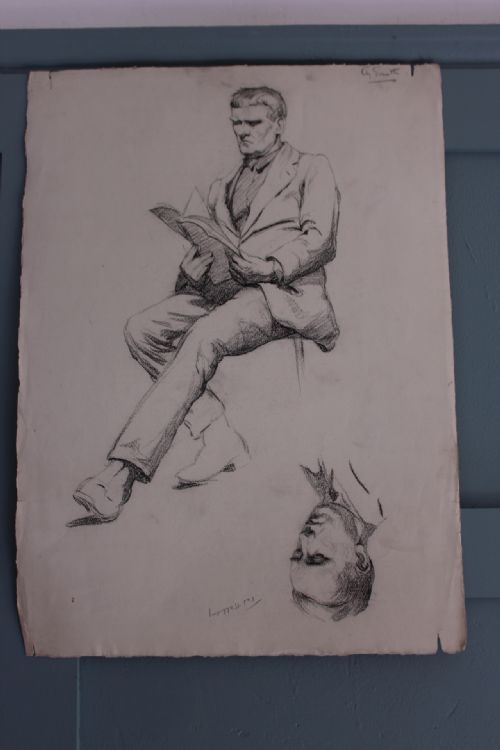

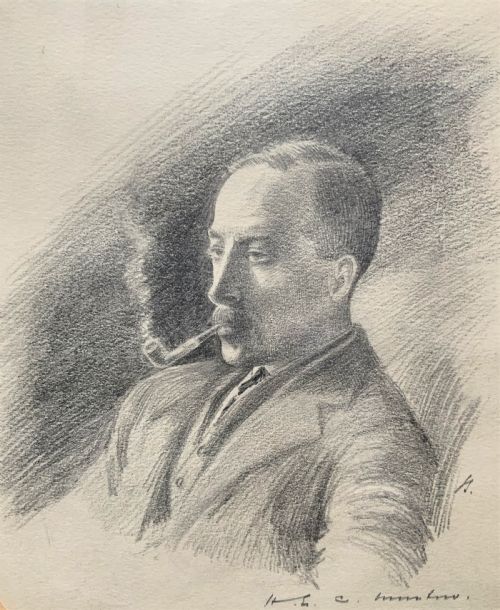


Vintage Male Portrait Sketch
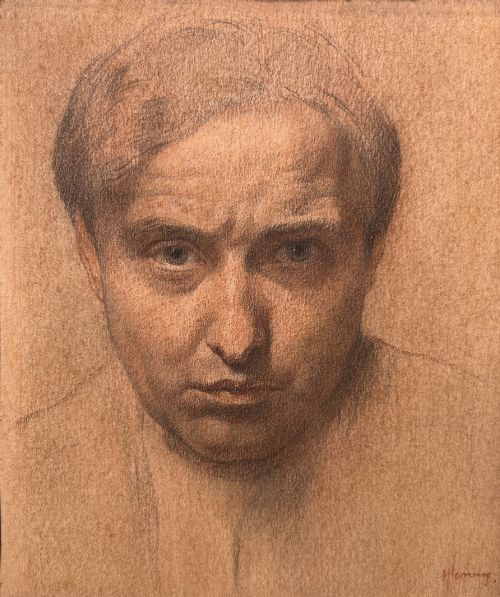
A vintage male portrait sketch captures character and likeness quickly on paper, offering an intimate glimpse into past lives through graphite, charcoal, or chalk.
Vintage Male Portrait Sketch
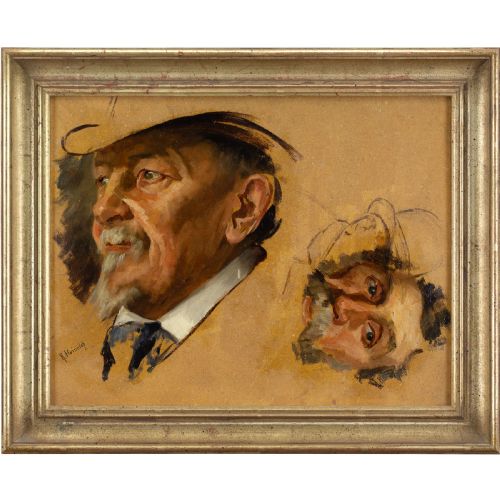
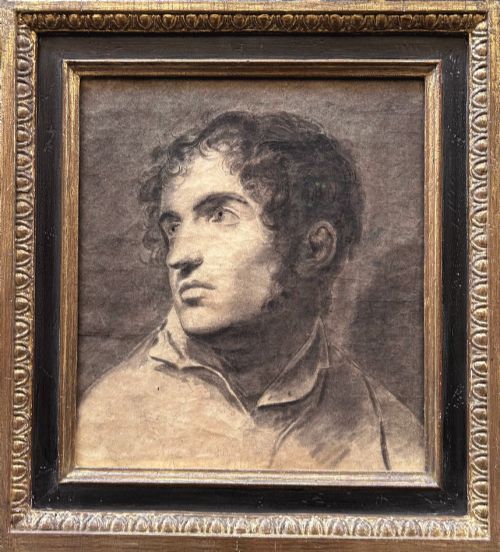
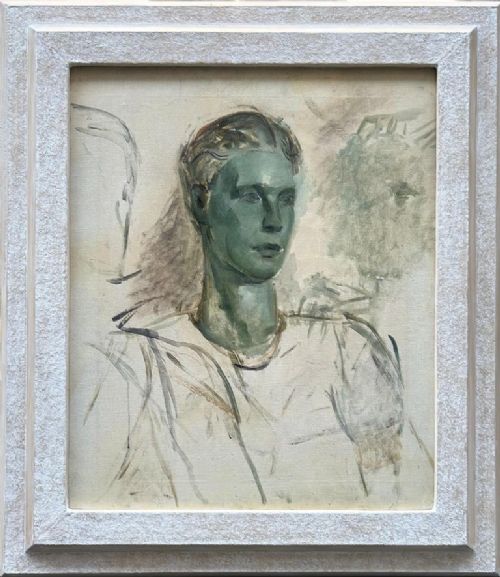
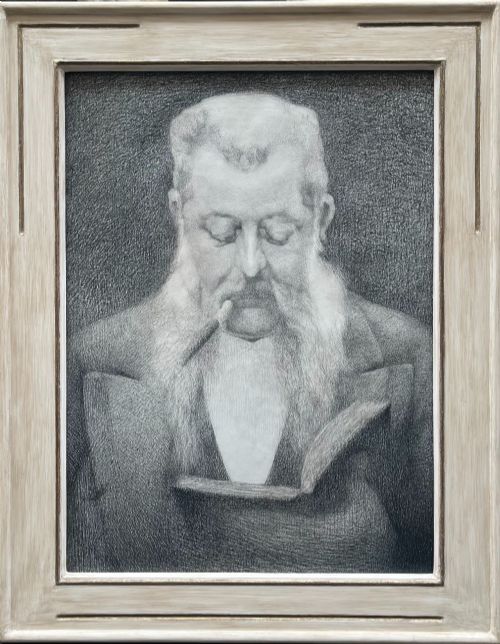
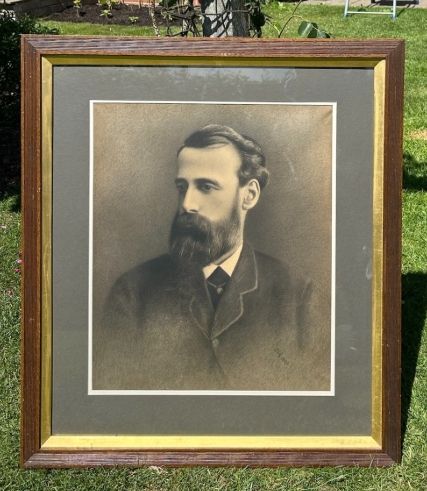
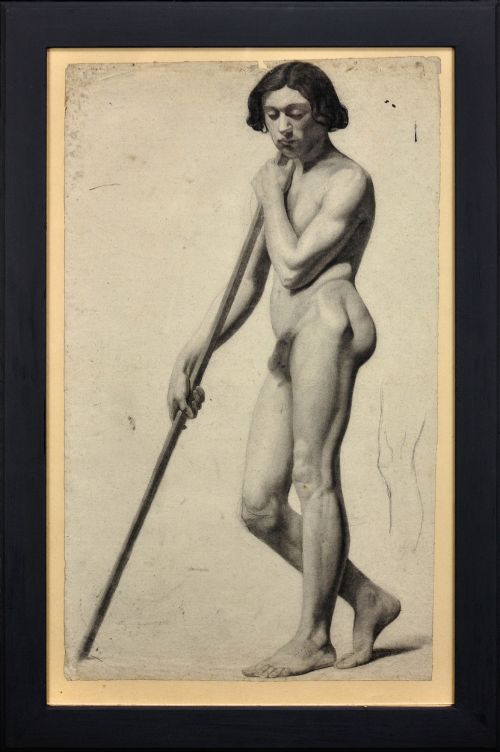
When you search for a vintage male portrait sketch, you examine works created on paper using media like charcoal, graphite, chalk, and pencil, alongside occasional oil paintings and watercolours. These pieces function as wall art, framed drawings, and original artwork originating from various periods including the nineteenth century, the Edwardian era, and the twentieth century. You will encounter academic life studies of male figures, self-portraits, and character depictions of gentlemen, explorers, and artists.
The selections available here reflect diverse regional origins and artistic movements, spanning the French School, the Symbolist School, the 20th Century Irish School, and Modern British traditions. Many examples arrive framed in wood behind glass, preserving delicate paper surfaces from environmental damage. Subjects range from named sitters and public figures to anonymous sitters and studio models captured by artists working across Britain, France, and Africa.
How they were made
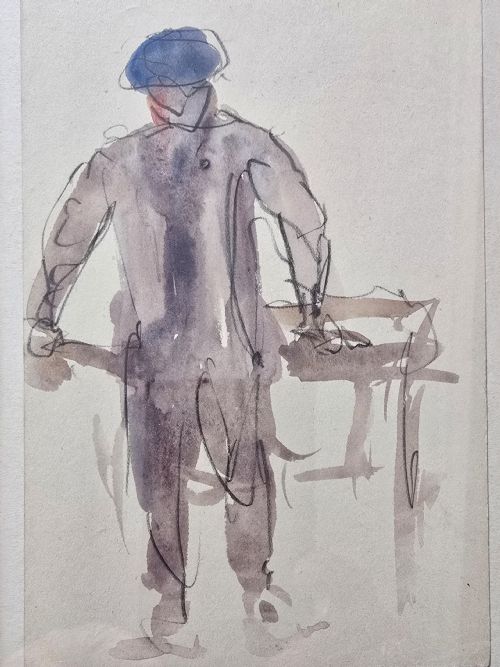
Artists executed these works primarily on paper supports using dry mediums such as pencil, graphite, charcoal, and chalk to build form through line and tone. Some pieces incorporate oil paint or watercolour applied directly to paper or canvas, capturing depth and colour alongside monochrome shading.
Framing materials typically involve wood surrounds and protective glass panels to secure the original drawings and paintings. These protective mountings help preserve fragile charcoal and pastel particles from smudging over decades of existence.
Listings feature works spanning the nineteenth and twentieth centuries, utilising paper, charcoal, graphite, chalk, and oil paint within wood and glass frames.
What varies in quality
The strength of the draftsmanship and the confidence of the artist's line separate standard studio exercises from compelling portraits. Skilled execution of facial structure, hands, and expression demonstrates the capability of the creator, whether working in academic realism or looser impressionistic styles.
The preservation of the paper support and the medium also dictates the merit of an artwork. Clean sheets free from excessive foxing, combined with stable charcoal or pencil marks beneath intact glass, maintain the visual integrity intended by the artist.
Robert Heinrich·Oilver Messel·Herbert Johnson Harvey·Henry Arthur Roberts·John Seymour Lucas·Ernest Borough Johnson·Francis Dodd
The Vintage Male Portrait Sketch Glossary
- Academic Realism
- A style of painting and drawing produced under the influence of European academies of art, emphasising precise anatomical accuracy and classical proportions. This approach often resulted in detailed life studies of male figures.
- Charcoal
- A dry drawing medium made from finely ground organic materials held together with a gum or wax binder, producing deep dark lines and soft smudged tones. It appears frequently in rapid studio sketches.
- Graphite
- A crystalline form of carbon used in pencils to create grey metallic marks ranging from hard fine lines to soft dark strokes. Artists utilised this material for precise facial detailing.
- Symbolist School
- An artistic movement originating in the nineteenth century that favoured spiritual and metaphorical themes over literal representation. Works from this school often convey psychological depth and mood.
- Foxing
- Brown spots and discolouration that develop on old paper due to chemical reactions over time. Its presence is common in historical paper works.
Vintage Male Portrait Sketch: Frequently Asked Questions
What periods do these portraits cover?
The selections span from the nineteenth century through the early twentieth century, including pieces dated across the 1880s, 1890s, 1900s, 1920s, and 1930s.
Artistic approaches reflect movements such as Victorian academic studies, Edwardian portraiture, and mid-century works from various regional schools.
How should I hang framed drawings?
Framed paper works require placement away from direct sunlight to prevent fading of graphite, chalk, and watercolour pigments. Maintaining stable indoor humidity levels also protects fragile paper supports from warping inside their wooden frames.
Glass fronts protect the delicate charcoal and pencil surfaces from dust and accidental physical contact over time.
Are all the pieces signed by artists?
Some drawings and paintings bear clear artist signatures, inscriptions, or studio stamps, while others remain unsigned or attributed to broader traditions like the French School or Symbolist School.
Archival details and biographical notes help identify specific creators and sitters when documentation accompanies the piece.
What materials were used for these sketches?
Artists worked primarily on paper supports, applying media such as pencil, charcoal, graphite, chalk, and occasional watercolours. Some examples extend into oil paint on panel or canvas.
Protective enclosures commonly consist of wooden frames paired with glass to safeguard the delicate drawing materials.