
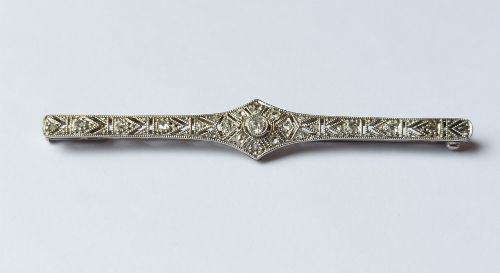
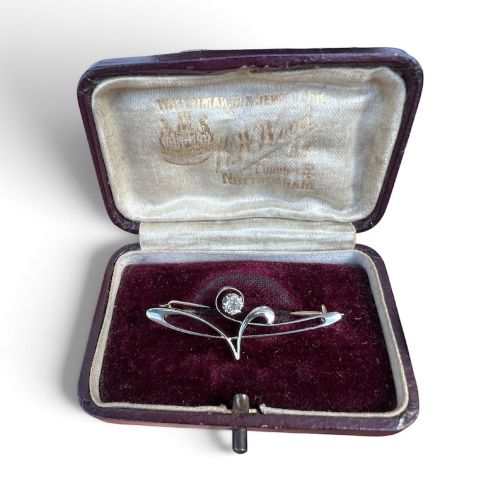


Edwardian Platinum Diamond Pin
An edwardian platinum diamond pin combines delicate metalwork with bright stones, offering a refined piece of early twentieth-century jewellery for everyday wear.
Edwardian Platinum Diamond Pin
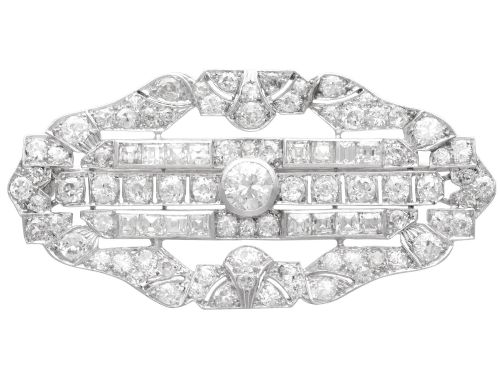
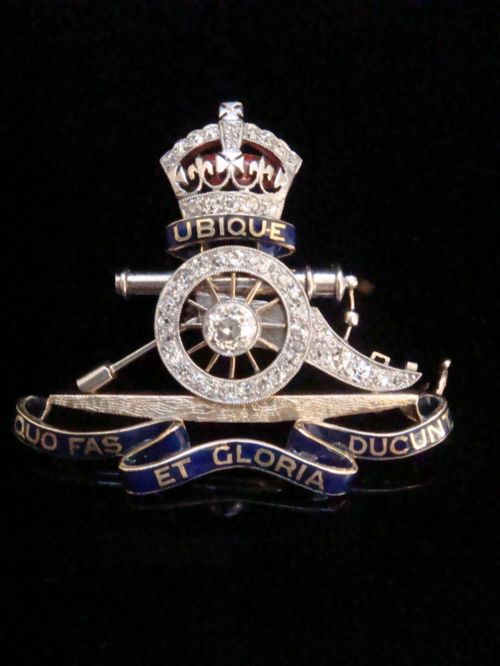
An edwardian platinum diamond pin appears primarily as a bar brooch, crescent, or pictorial motif, capturing the transition from ornate Edwardian designs to geometric Art Deco styling. These pieces span the early decades of the twentieth century, incorporating earlier Victorian elements and later 1930s work alongside core Edwardian examples.
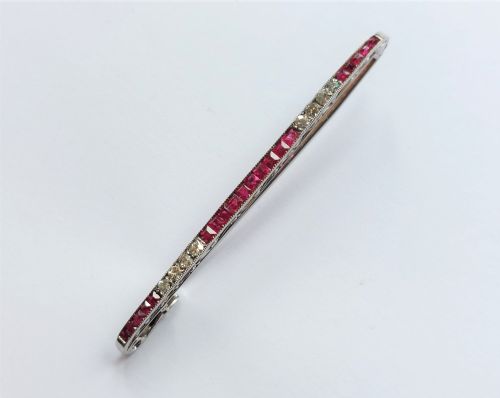
Makers utilised platinum to mount diamonds securely while keeping the metalwork visually light, often pairing the white metal with yellow gold or white gold backs. Pieces range from linear bar brooches set with calibre rubies to natural pearl clusters and figurative designs such as flying ducks or butterflies.
The selection reflects diverse aesthetic movements including Belle Epoque and Art Nouveau, ensuring buyers encounter both fluid organic lines and symmetrical geometric patterns within the same category.
Materials and Construction
Goldsmiths combined platinum with yellow gold, 18ct gold, and 15ct gold, exploiting platinum strength to form lace-like openwork settings that held old cut diamonds securely. This technique allowed craftsmen to reduce visible metal and maximise light entry into the stones.
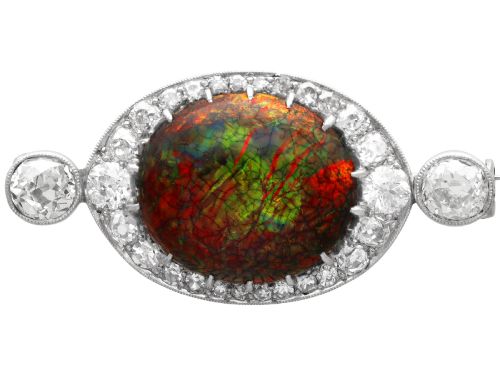
Gemstones such as rubies, aquamarines, boulder opals, onyx, and natural pearls were integrated alongside guilloche enamel to add colour and texture to the monochrome platinum backdrop. Pins frequently feature old brilliant cut diamonds hand-set into custom channels and bezels.
A solitary platinum duck takes flight across one Edwardian pin, proving that early twentieth-century jewellers possessed a charming sense of humour.
Evaluating Craftsmanship
Quality rests in the precision of the piercing and the symmetry of the platinum mounting, where finer examples display crisp geometric openwork or seamless figurative detail without distortion. The choice and matching of stones, from substantial boulder opals to calibrated rubies and clean old cut diamonds, dictate the distinction between standard production and exceptional workshop output.
Integration of secondary materials like guilloche enamel and natural pearls demands high technical mastery, separating straightforward mountings from complex composite jewels designed to catch the light from every angle.
CARTIER
The Edwardian Platinum Diamond Pin Glossary
- Platinum
- A dense, strong white metal prized in jewellery for its ability to hold tiny diamond settings securely without heavy prongs.
- Old Cut Diamond
- A hand-faceted diamond shape typical of the Victorian and Edwardian eras, featuring a smaller table and wider facets designed for candlelight.
- Bar Brooch
- A horizontal pin form popular across the early twentieth century, often centered on a cluster of diamonds or coloured stones.
- Guilloche Enamel
- Decorative metalwork covered in translucent enamel over an engine-turned engraved pattern, adding depth of colour to the piece.
- Belle Epoque
- A period of ornate, elegant jewellery design spanning the late nineteenth century up to the First World War.
Edwardian Platinum Diamond Pin: Frequently Asked Questions
How do I wear an antique brooch today?
These pins attach securely to lapels, heavy scarves, or structured knitwear using traditional pin stems and safety catches.
Heavier platinum pieces require sturdy fabrics to prevent the metal from pulling or sagging when fastened.
What is the difference between Edwardian and Art Deco styles?
Edwardian jewellery focuses on garland motifs, lace-like platinum work, and flowing organic curves influenced by nature.
Art Deco shifts toward strict symmetry, geometric lines, and bold contrasts between diamonds and coloured stones.
Are these pins made entirely of platinum?
Many examples combine platinum fronts with yellow gold or white gold pin stems and reverse plates for added durability.
This mixed-metal construction was standard practice during the transition from the nineteenth into the twentieth century.
How do I care for platinum and diamond pins?
Clean the metal and stones gently using warm soapy water and a soft brush to remove dust from behind the settings.
Store the piece in a dedicated box to protect delicate pearls or guilloche enamel from scratching against other items.